


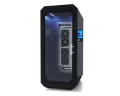
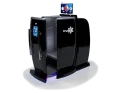
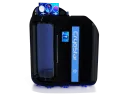
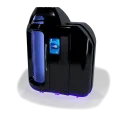
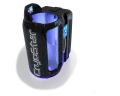
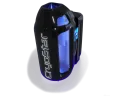

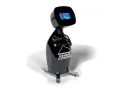
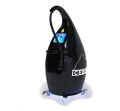
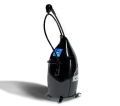

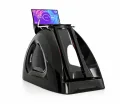
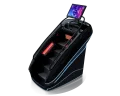
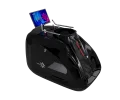
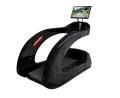
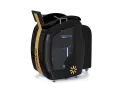
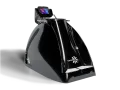
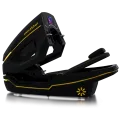
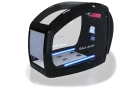

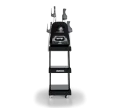
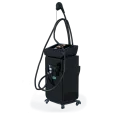
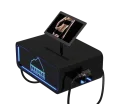
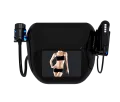

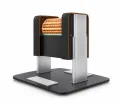
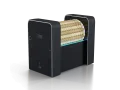
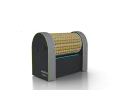
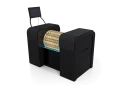
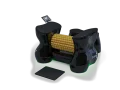
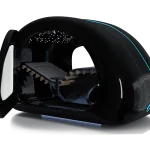
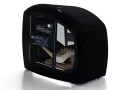

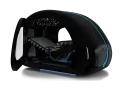

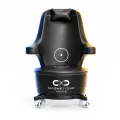

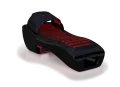




¿Qué es una cámara de crioterapia? Anatomía de una criosauna moderna.
Una cámara de crioterapia es un recinto abierto que expone el cuerpo a aire frío controlado durante dos a cuatro minutos. La temperatura de funcionamiento depende de la tecnología de la cámara: las cámaras eléctricas (sin nitrógeno) operan entre -80 °C y -110 °C (-112 °F y -166 °F); las cámaras de nitrógeno alcanzan temperaturas aún más bajas, entre -140 °C y -170 °C (-220 °F y -274 °F). Esto desencadena una respuesta de frío breve pero intensa en todo el cuerpo, utilizada para la recuperación, la reducción de la inflamación y el alivio del dolor. Vacuactivus fabrica cámaras de crioterapia en Polonia (UE) desde 2009 (más de 15 años), abarcando tanto la tecnología eléctrica como la de nitrógeno en las líneas de productos Antarctica y CryoStar.
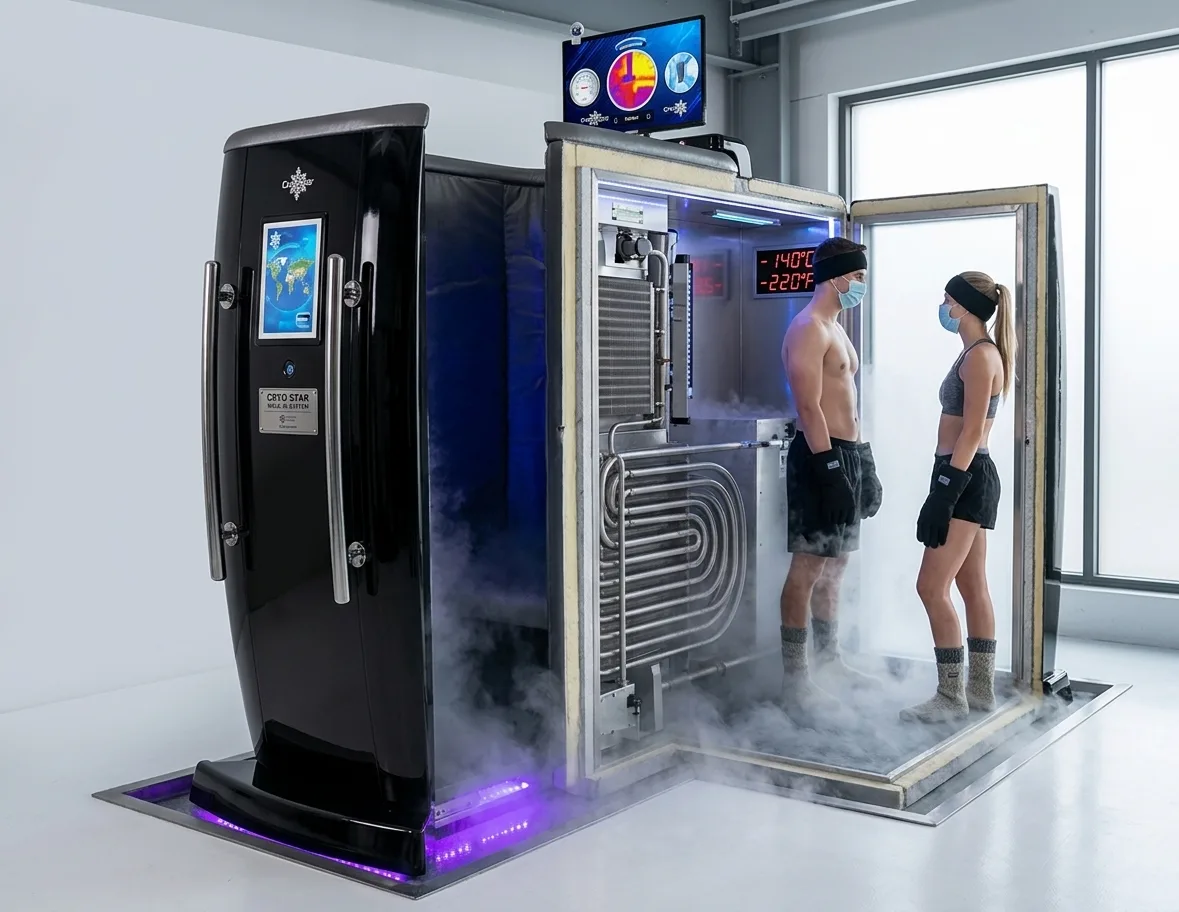
Esta guía explica qué es una cámara de crioterapia, cómo funciona, qué componentes tiene, la diferencia entre una criosauna y una cámara criogénica de acceso libre, y cómo se integra esta tecnología en el amplio espectro de la terapia de frío. Está dirigida a quienes se familiarizan con el término por primera vez y a compradores que evalúan equipos para su uso comercial.
Esta guía está dirigida a usuarios principiantes (personas que se encuentran con el término por primera vez y realizan investigaciones previas a la compra o a una sesión) y compradores (propietarios de estudios, spas y clínicas que necesitan comprender las características de los equipos antes de comparar modelos y presupuestos). El tono es descriptivo y técnico: qué es la máquina, qué hacen sus componentes y cuál es su lugar en el mercado de equipos de recuperación.
Criosauna vs. Cámara criogénica: Aclarando la terminología
La confusión terminológica más común en el ámbito de las cámaras de crioterapia radica en la diferencia entre criosauna y criocámara. Si bien la publicidad y el contenido dirigido al consumidor suelen usar ambos términos indistintamente, la industria los utiliza para distinguir dos configuraciones diferentes. Una criosauna es un cilindro compacto sin cabeza (generalmente refrigerado con nitrógeno) donde el cuerpo permanece de pie, con solo la cabeza por encima del borde. Una criocámara de acceso directo es un recinto de cuerpo completo donde todo el cuerpo, incluida la cabeza, se encuentra dentro del espacio de tratamiento (generalmente refrigerada eléctricamente con aire respirable). Esta distinción es importante para los compradores, ya que ambas configuraciones presentan diferencias en cuanto a dimensiones, infraestructura de refrigeración, capacidad de sesiones y perfiles operativos.
| Característica | Criosauna | Cámara criogénica (de acceso directo) |
|---|---|---|
| Exposición corporal | Cabeza hacia afuera: cuerpo expuesto por debajo del cuello, cabeza por encima del borde en aire a temperatura ambiente. | Cuerpo completo: todo el cuerpo, incluida la cabeza, está dentro del espacio de tratamiento. |
| Método de enfriamiento | Normalmente se inyecta vapor de nitrógeno líquido en el cilindro. | Generalmente, se utiliza refrigeración eléctrica con compresor y circuito de refrigeración en cascada. |
| Calidad del aire interior | Vapor rico en nitrógeno: el usuario no puede respirarlo (la cabeza permanece fuera). | Aire frío oxigenado y respirable: el usuario respira normalmente en el interior. |
| Temperatura de funcionamiento (especificaciones de Vacuactivus) | Nitrógeno: -140 °C a -170 °C (CryoStar hasta -170 °C, WBC Nitrógeno -140/-170 °C) | Eléctrico: -80 °C a -110 °C (Antarctica Electric -100 °C, WBC Electric -80/-110 °C, Barrel -110 °C); configuraciones de cámara frigorífica con nitrógeno disponibles por separado a -140 °C a -170 °C. |
| Huella | Cilindro compacto individual, de aproximadamente 1-1,5 m². | Recinto transitable más grande, de aproximadamente 2-4 m² más espacio libre para servicios. |
| Sesiones por hora | Mayor rotación, entre 8 y 12 sesiones por hora (enfriamiento rápido, sesión breve). | ~4-6 sesiones/hora (tiempo de espera más prolongado entre clientes en algunos modelos) |
| Contexto de uso típico | Estudios de bienestar, spas de día, centros de recuperación exprés | Recuperación atlética de alto volumen, spas médicos, clínicas de longevidad, instalaciones centradas en el WBC |
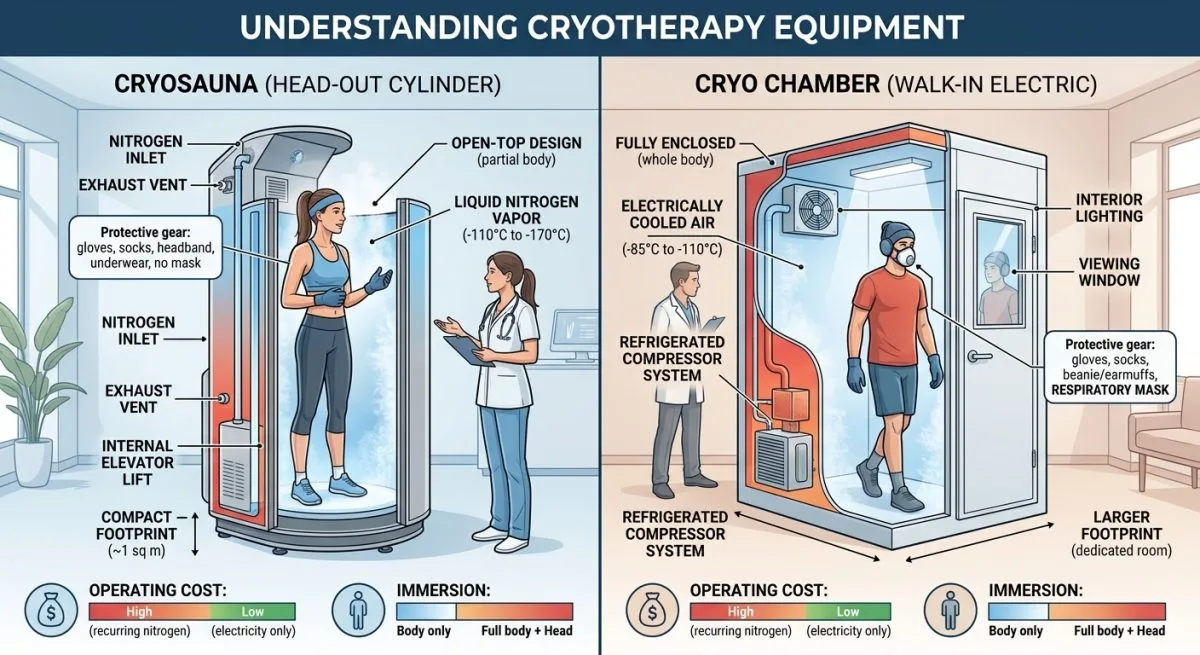
Implicaciones prácticas para los compradores: las configuraciones de criosauna suelen enfriarse más rápido y ofrecen un mayor rendimiento por hora, lo que las hace ideales para estudios de bienestar con un alto volumen de sesiones; las configuraciones de criocámaras ofrecen exposición de cuerpo completo, incluida la cabeza, a costa de un mayor espacio ocupado y una rotación más lenta. Para un análisis técnico detallado del sistema de refrigeración eléctrico (sin nitrógeno), consulte Cámara de crioterapia eléctrica: Cómo funciona la tecnología sin nitrógeno que analiza en detalle la elección entre la refrigeración en cascada y la infraestructura de nitrógeno líquido.
Cómo funciona una cámara de crioterapia
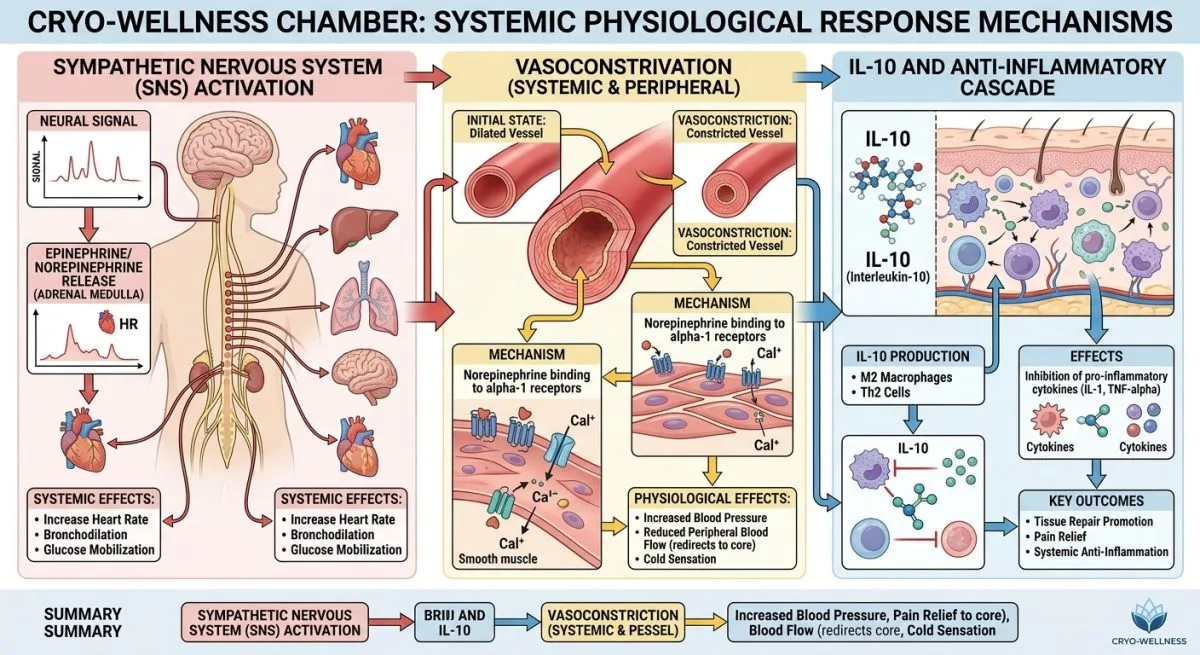
El mecanismo fisiológico está bien descrito en la literatura. El aire frío dentro del rango de temperatura objetivo de la cámara (eléctrica: de -80 °C a -110 °C; nitrógeno: de -140 °C a -170 °C) enfría rápidamente la superficie de la piel durante los primeros 15-30 segundos de exposición, lo que provoca una fuerte constricción de los vasos sanguíneos de la piel y los tejidos superficiales. Esta vasoconstricción dirige el flujo sanguíneo desde las extremidades hacia el tronco para proteger los órganos internos y mantener la temperatura corporal central. La cámara no enfría la temperatura corporal central; la exposición es lo suficientemente breve (2-4 minutos) como para que solo la piel y los tejidos superficiales experimenten el frío extremo, mientras que el tronco se mantiene estable gracias a la respuesta de termorregulación de emergencia.
El sistema nervioso simpático se activa durante esta breve emergencia térmica, liberando noradrenalina y endorfinas. Al finalizar la sesión, los vasos sanguíneos se dilatan nuevamente (vasodilatación de rebote) y un flujo de sangre oxigenada y rica en nutrientes regresa a los tejidos periféricos. Esta respuesta de todo el cuerpo al frío también induce la liberación de citocinas antiinflamatorias como la IL-10, una de las vías mecanísticas asociadas con la reducción del dolor muscular de aparición tardía (DOMS) y los beneficios de recuperación post-entrenamiento. Para una revisión más detallada de la evidencia científica sobre los beneficios de la crioterapia, consulte Beneficios de las sesiones de crioterapia: lo que dice la ciencia. Consulte a un profesional de la salud calificado antes de usar la crioterapia para cualquier afección médica.
Dentro de la máquina: Anatomía de una cámara de crioterapia
Una cámara de crioterapia moderna es un sistema coordinado de subsistemas de refrigeración, control y seguridad integrados en una carcasa aislada. Las patentes de la USPTO sobre sistemas de crioterapia de cuerpo entero documentan los componentes de ingeniería: controladores, válvulas, boquillas de distribución de gas criogénico para unidades de nitrógeno, circuitos de refrigeración en cascada para unidades eléctricas y protocolos de preenfriamiento. Los posibles compradores e ingenieros que evalúen patentes específicas de un fabricante deben verificar los números de patente directamente en patents.google.com o en las bases de datos de la USPTO para el fabricante y la configuración del producto en cuestión. Los cuatro subsistemas principales que se describen a continuación abarcan la anatomía esencial para cualquier persona que evalúe una máquina de crioterapia o intente comprender el funcionamiento interno de una cámara de crioterapia.
Carcasa exterior y cámara de tratamiento interior
La capa más externa es una envoltura térmica aislante, generalmente construida con espuma rígida o paneles con aislamiento al vacío entre una cubierta decorativa exterior y la cámara de tratamiento interior. La calidad del aislamiento determina la capacidad de enfriamiento necesaria para mantener la temperatura objetivo durante el funcionamiento y la rapidez con la que la cámara se recupera entre sesiones. La cámara de tratamiento interior es el espacio donde se coloca la persona durante la sesión. Una criosauna tiene una cámara interior cilíndrica con una abertura para el cuello en la parte superior, de modo que la cabeza permanece por encima del borde. Una criosauna de acceso directo cuenta con un espacio de tratamiento cerrado de altura completa con puerta y ventana de servicio para la supervisión del técnico.
Sistema de refrigeración (eléctrico o de nitrógeno)
Este es el subsistema de ingeniería más grande y el principal factor diferenciador entre los distintos tipos de cámaras. El enfriamiento de las cámaras de crioterapia eléctrica utiliza un compresor de refrigeración que hace circular el refrigerante a través de un circuito de enfriamiento en cascada que extrae el calor de la cámara y lo expulsa al exterior. El enfriamiento en cascada implica dos o más etapas de refrigeración dispuestas en secuencia, ya que un sistema de una sola etapa no puede alcanzar temperaturas criogénicas bajo cero desde la temperatura ambiente. El enfriamiento de la crioterapia con nitrógeno líquido utiliza un tanque Dewar de nitrógeno líquido conectado a boquillas de suministro que vaporizan el LN2 dentro de la cámara para producir el frío. El vapor se dispersa mediante la geometría interna y, en algunos diseños, mediante ventiladores de circulación. Ambas tecnologías alcanzan diferentes rangos de temperatura objetivo: las cámaras eléctricas operan en el rango de -80 °C a -110 °C, donde el enfriamiento en cascada es termodinámicamente eficiente; las cámaras de nitrógeno alcanzan el rango más frío de -140 °C a -170 °C (con unidades premium como la CryoStar que alcanzan los -170 °C). La elección entre ambas opciones se reduce al coste, la infraestructura, el rendimiento de las sesiones y el perfil operativo (aire respirable frente a vapor).
Panel de control y sensores
El panel de control es donde el operador configura los parámetros de la sesión y supervisa las condiciones de seguridad. La pantalla digital de temperatura, el temporizador de sesión, la activación del preenfriamiento y la parada de emergencia son controles básicos en prácticamente todas las unidades modernas. Detrás del panel, varios termopares (sensores de temperatura) monitorizan la temperatura del aire de la cámara en varios puntos para garantizar un enfriamiento uniforme. En las unidades enfriadas con nitrógeno, un sensor de oxígeno viene de serie, monitorizando la cámara (o, en configuraciones de criosauna, la sala que la rodea) para medir los niveles de O₂; cualquier descenso respecto a la presión atmosférica normal activa una alerta y, en las unidades modernas, un ciclo de escape automático. Las alertas sonoras, los indicadores visuales y (en las unidades premium) la monitorización conectada a la red para la gestión de las instalaciones completan el conjunto de sensores.
Sistemas de circulación de aire y seguridad
La distribución uniforme del frío es importante porque la variación de temperatura dentro de la cámara afecta tanto la comodidad del usuario como la consistencia del tratamiento. Los ventiladores de circulación mueven el aire a través de la sección transversal de la cámara, especialmente en las unidades eléctricas de acceso directo. La ventilación de extracción es fundamental en las unidades de nitrógeno: después de cada sesión, el vapor rico en nitrógeno debe ser expulsado de forma segura de la cámara y la sala. Las unidades modernas cuentan con ciclos de extracción automáticos que se ejecutan entre sesiones. Las paradas de emergencia, las puertas sin llave (en las cámaras de acceso directo, para que los usuarios mantengan el control), las ventanas de comunicación para el técnico y las líneas de visión claras completan el entorno de seguridad. Las patentes de la USPTO sobre sistemas WBC documentan específicamente los enclavamientos y la secuencia de seguridad que mantienen las sesiones dentro de parámetros operativos seguros; la cartera de patentes específica varía según el fabricante y debe verificarse con el fabricante del modelo en cuestión.
¿Qué tan fría se pone una cámara de crioterapia?
Las temperaturas de funcionamiento estándar dependen de la tecnología de la cámara y del fabricante. Las cámaras de refrigeración eléctricas operan en el rango de -80 °C a -110 °C (-112 °F a -166 °F): el modelo insignia Vacuactivus Antarctica Electric alcanza los -100 °C / -148 °F; Antarctica WBC Electric cubre el rango de -80 °C a -110 °C; Antarctica Barrel Electric alcanza los -110 °C. Las cámaras basadas en nitrógeno alcanzan el extremo más frío del rango de la industria: Vacuactivus WBC Nitrogen opera a -140 °C a -170 °C; el modelo insignia CryoStar alcanza los -170 °C / -274 °F. Las cámaras se preenfrían a su temperatura objetivo antes de que comience la sesión (normalmente de 1 a 3 minutos de preenfriamiento, dependiendo del modelo y las condiciones iniciales), y una breve exposición de 2 a 4 minutos a estas temperaturas es suficiente para desencadenar la respuesta fisiológica completa. Para obtener más detalles sobre cómo varía la temperatura de la cámara de crioterapia fría según el tipo de máquina, consulte ¿Qué tan fría está una cámara de crioterapia? Guía de temperaturas según el tipo de máquina..
¿Qué lugar ocupan las cámaras de crioterapia en el espectro de la terapia con frío?
Las cámaras de crioterapia se sitúan en el extremo de mayor intensidad y menor duración de un espectro más amplio de terapias de frío. El artículo de Wikipedia sobre crioterapia trata este espectro como un continuo que va desde las bolsas de hielo hasta las cámaras de crioterapia, todas ellas bajo el término general de crioterapia, pero con diferencias significativas en intensidad, duración y respuesta fisiológica. Comprender dónde se ubican la cámara de crioterapia y la criosauna ayuda a determinar cuándo cada modalidad es la más adecuada.
El espectro de menor a mayor intensidad: bolsa de hielo o compresa fría (enfriamiento superficial localizado a aproximadamente 0 °C, aplicado a intervalos de 15 a 20 minutos), baño de hielo o inmersión en agua fría (inmersión de todo el cuerpo en agua a 5-15 °C durante 5-15 minutos, enfriamiento conductivo a través del agua), dispositivo de crioterapia localizada (enfriamiento de área focalizada a ~-20 °C para tratamiento puntual), cámara criogénica eléctrica (recinto de cuerpo completo a -80 °C a -110 °C durante 2-4 minutos, aire frío de refrigeración eléctrica) y criosauna de nitrógeno (cilindro con la cabeza fuera a -140 °C a -170 °C durante 2-3 minutos, enfriamiento con vapor de nitrógeno). Cada modalidad sirve para diferentes casos de uso: hielo localizado para lesiones agudas, baño de hielo para recuperación de todo el cuerpo a intensidad manejable, cámara criogénica eléctrica para exposición de todo el cuerpo con aire respirable, criosauna de nitrógeno para las temperaturas máximas más frías con una rápida rotación de sesiones.
¿Quiénes utilizan las cámaras de crioterapia?
Los usuarios de cámaras de crioterapia abarcan desde el ámbito deportivo profesional y recreativo hasta personas interesadas en el bienestar y la longevidad, así como centros de rehabilitación clínica. Los atletas y equipos profesionales utilizan cámaras de crioterapia de cuerpo entero para la recuperación entre sesiones de entrenamiento, la preparación para competiciones y la reducción del dolor muscular de aparición tardía (DOMS). El informe sobre crioterapia del Mass General Brigham destaca su adopción documentada entre los programas deportivos de élite. Los aficionados al fitness utilizan la crioterapia para reducir el dolor muscular después del ejercicio y para la recuperación general en centros de bienestar comerciales.
Los estudios de bienestar y los spas ofrecen sesiones de crioterapia como un servicio de recuperación premium, a menudo junto con terapia de luz roja, sauna de infrarrojos y terapia de compresión. Las clínicas de fisioterapia y rehabilitación utilizan cámaras de crioterapia como tratamiento complementario para afecciones inflamatorias crónicas como la artritis y la fibromialgia (bajo la supervisión médica adecuada; no sustituye la atención médica primaria). Las personas que buscan una vida más larga utilizan la crioterapia como una modalidad dentro de un conjunto más amplio de biohacking u optimización de la salud. Para ver una descripción general de cómo es una primera sesión de crioterapia desde la perspectiva del usuario, consulte Sesiones en cámara de crioterapia: qué esperar en su primera visita.. Para los operadores de estudio que evalúan el costo del equipo en diferentes configuraciones, consulte ¿Cuánto cuesta una máquina de crioterapia? Cifras reales de 2026 y para configuraciones de criosaunas a menor escala destinadas a instalaciones domésticas o en estudios pequeños, consulte Criosauna doméstica: Dispositivos profesionales frente a dispositivos de consumo.
Preguntas frecuentes
P1. ¿Qué es una cámara de crioterapia?
Una cámara de crioterapia es un recinto abierto que expone el cuerpo a aire frío controlado durante dos a cuatro minutos. La temperatura de funcionamiento depende de la tecnología: las cámaras eléctricas (sin nitrógeno) funcionan entre -80 °C y -110 °C (-112 °F y -166 °F); las cámaras de nitrógeno funcionan entre -140 °C y -170 °C (-220 °F y -274 °F). Esto provoca una respuesta de frío breve pero intensa en todo el cuerpo, que el organismo interpreta como una emergencia térmica, lo que induce vasoconstricción, una oleada de señales antiinflamatorias y un aumento de la oxigenación sanguínea al salir de la cámara. Se utiliza para la recuperación, la reducción de la inflamación y el control del dolor en entornos deportivos, de bienestar y clínicos.
P2. ¿Cuál es la diferencia entre una criosauna y una cámara criogénica?
Una criosauna suele ser una unidad individual de nitrógeno con la cabeza fuera del cilindro, donde uno se coloca dentro con la cabeza por encima del borde, exponiendo solo el cuerpo del cuello para abajo al vapor de nitrógeno. Una cámara criogénica (de acceso directo) suele ser un recinto de refrigeración eléctrica de cuerpo entero donde todo el cuerpo, incluida la cabeza, se encuentra dentro del espacio de tratamiento, respirando aire frío y seco. Las criosaunas ofrecen una rotación más rápida y las temperaturas máximas más bajas gracias al nitrógeno; las cámaras de acceso directo ofrecen exposición de cuerpo entero con aire respirable y sin la logística del nitrógeno líquido.
P3. ¿Qué tan fría está una cámara de crioterapia?
Depende de la tecnología. Las cámaras de refrigeración eléctrica Vacuactivus operan en el rango de -80 °C a -110 °C (-112 °F a -166 °F) (Antarctica Electric a -100 °C, WBC Electric entre -80 y -110 °C, Barrel Electric a -110 °C). Las cámaras de nitrógeno Vacuactivus operan entre -140 °C y -170 °C (-220 °F a -274 °F), y la CryoStar alcanza la temperatura más baja de -170 °C. La cámara se enfría previamente a la temperatura objetivo antes de que comience la sesión, y una breve exposición de 2 a 4 minutos a estas temperaturas es suficiente para desencadenar la respuesta fisiológica completa.
P4. ¿Qué hay dentro de una cámara de crioterapia?
Una cámara de crioterapia moderna consta de una carcasa exterior aislada con una cámara de tratamiento en su interior, un sistema de refrigeración (ya sea un compresor eléctrico con cascada de refrigerante o un tanque de nitrógeno líquido con boquillas de suministro), un panel de control con controles digitales de temperatura y temporizador, múltiples termopares para monitorización, un sensor de oxígeno en las unidades de nitrógeno, ventiladores de circulación de aire y un sistema de ventilación de extracción. Las medidas de seguridad incluyen alertas sonoras, parada de emergencia y una ventana transparente para la supervisión del técnico.
P5. ¿Cómo funciona una cámara de crioterapia?
El aire frío en la cámara (eléctrica de -80 °C a -110 °C o de nitrógeno de -140 °C a -170 °C) enfría rápidamente la superficie de la piel, provocando la constricción de los vasos sanguíneos (vasoconstricción) y dirigiendo la sangre hacia el núcleo para proteger los órganos internos. Al finalizar la sesión, los vasos se dilatan nuevamente y un flujo de sangre oxigenada y rica en nutrientes regresa a los tejidos periféricos. Este estrés por frío en todo el cuerpo induce la liberación de citocinas antiinflamatorias como la IL-10 y una oleada de endorfinas, razón por la cual las personas suelen sentirse con más energía y menos doloridas después.
P6. ¿Es la crioterapia lo mismo que una criosauna?
No exactamente. La crioterapia es el término general que engloba cualquier uso terapéutico del frío, incluyendo baños de hielo, compresas de hielo, terapia de frío localizada, criosaunas y cámaras criogénicas. Una criosauna es un formato específico dentro de la crioterapia de cuerpo entero: un cilindro sin cabeza que expone el cuerpo del cuello para abajo al vapor de nitrógeno. Las cámaras criogénicas son otro formato que expone todo el cuerpo, incluida la cabeza, al aire frío. Ambas pertenecen a la categoría de crioterapia de cuerpo entero dentro del amplio espectro de la crioterapia.
P7. ¿En qué se diferencia una cámara de crioterapia de un baño de hielo?
Un baño de hielo utiliza agua fría a una temperatura aproximada de 5-15 °C y se permanece en ella durante 5-15 minutos, enfriando el cuerpo por conducción a través del agua. Una cámara de crioterapia utiliza aire frío y seco a una temperatura de entre -80 °C y -170 °C (según la tecnología de la cámara) y se permanece en ella durante 2-4 minutos, enfriando la superficie de la piel mucho más rápido a través del aire. El aire frío y seco es más tolerable que el agua fría para un enfriamiento cutáneo equivalente, y la sesión en la cámara es mucho más corta e intensa. Ambos desencadenan una respuesta al frío, pero en diferentes escalas de tiempo e intensidades.
P8. ¿Qué efectos tiene una cámara de crioterapia en el cuerpo?
En la cámara, la temperatura de la piel desciende rápidamente mientras que la temperatura corporal central se mantiene estable gracias a la vasoconstricción. El sistema nervioso simpático activa una respuesta de termorregulación de emergencia, liberando noradrenalina y endorfinas. Al salir, los vasos sanguíneos se dilatan y la sangre oxigenada regresa a los tejidos periféricos, acompañada de la liberación de citocinas antiinflamatorias como la IL-10. La mayoría de los usuarios se sienten energizados, con menos dolor muscular y una mejoría del estado de ánimo durante varias horas.
Conclusión
Una cámara de crioterapia es un recinto transitable diseñado para la exposición breve a frío intenso de todo el cuerpo durante 2 a 4 minutos a temperaturas específicas según la tecnología: las cámaras eléctricas ofrecen temperaturas entre -80 °C y -110 °C; las cámaras de nitrógeno alcanzan temperaturas aún más bajas, entre -140 °C y -170 °C. Su estructura consta de una carcasa aislada con una cámara de tratamiento interna, un subsistema de enfriamiento (cascada de refrigeración eléctrica o nitrógeno líquido con boquillas de suministro), un conjunto de controles y sensores (termopares, sensor de oxígeno en las unidades de nitrógeno, temporizadores de sesión) y sistemas de circulación de aire y seguridad (ventiladores, ventilación de extracción, paradas de emergencia, visibilidad para el técnico). El mecanismo se basa en la exposición al frío, la vasoconstricción, la activación del sistema nervioso simpático y la liberación de la citocina antiinflamatoria IL-10.
La distinción terminológica entre criosauna y cámara criogénica es importante: una criosauna es una configuración de nitrógeno con la cabeza fuera; una cámara criogénica de entrada es una configuración eléctrica de cuerpo completo. Ambas se adaptan a casos de uso reales en entornos deportivos, de bienestar y clínicos. Para estudios y compradores que evalúan equipos de ambas familias tecnológicas, cámaras de crioterapia comerciales Cubre las configuraciones Antarctica Electric y CryoStar/WBC Nitrogen con hojas de especificaciones completas. Para Sistemas de sauna de crioterapia de cuerpo entero Específicamente configurada para su uso en spas y estudios, la página del producto WBC contiene todas las especificaciones. Para obtener información más amplia sobre equipos y configuraciones de criosaunas, consulte Centro de información sobre criosaunas Vacuactivus.


