


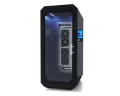
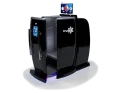


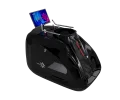
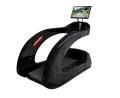
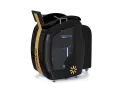
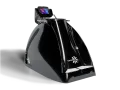
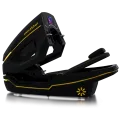
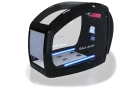

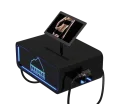
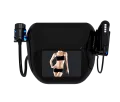

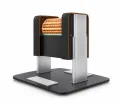
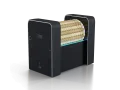
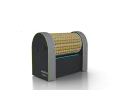
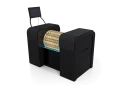
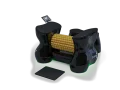
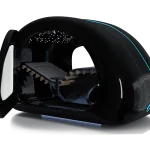
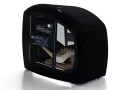

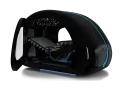

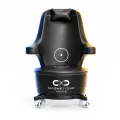



Какво е криотерапевтична камера? Анатомия на съвременната криосауна
Криотерапевтичната камера е помещение, в което тялото се излага на контролиран студен въздух в продължение на две до четири минути. Работната температура зависи от технологията на камерата: електрическите (безазотни) камери работят в диапазона от -80°C до -110°C (-112°F до -166°F); азотните камери достигат по-студения диапазон от -140°C до -170°C (-220°F до -274°F). Това предизвиква кратка, но интензивна студена реакция на цялото тяло, използвана за възстановяване, намаляване на възпалението и управление на болката. Vacuactivus произвежда криотерапевтични камери в Полша (ЕС) от 2009 г. (над 15 години), обхващайки както електрическа, така и азотна технология в продуктовите линии Antarctica и CryoStar.
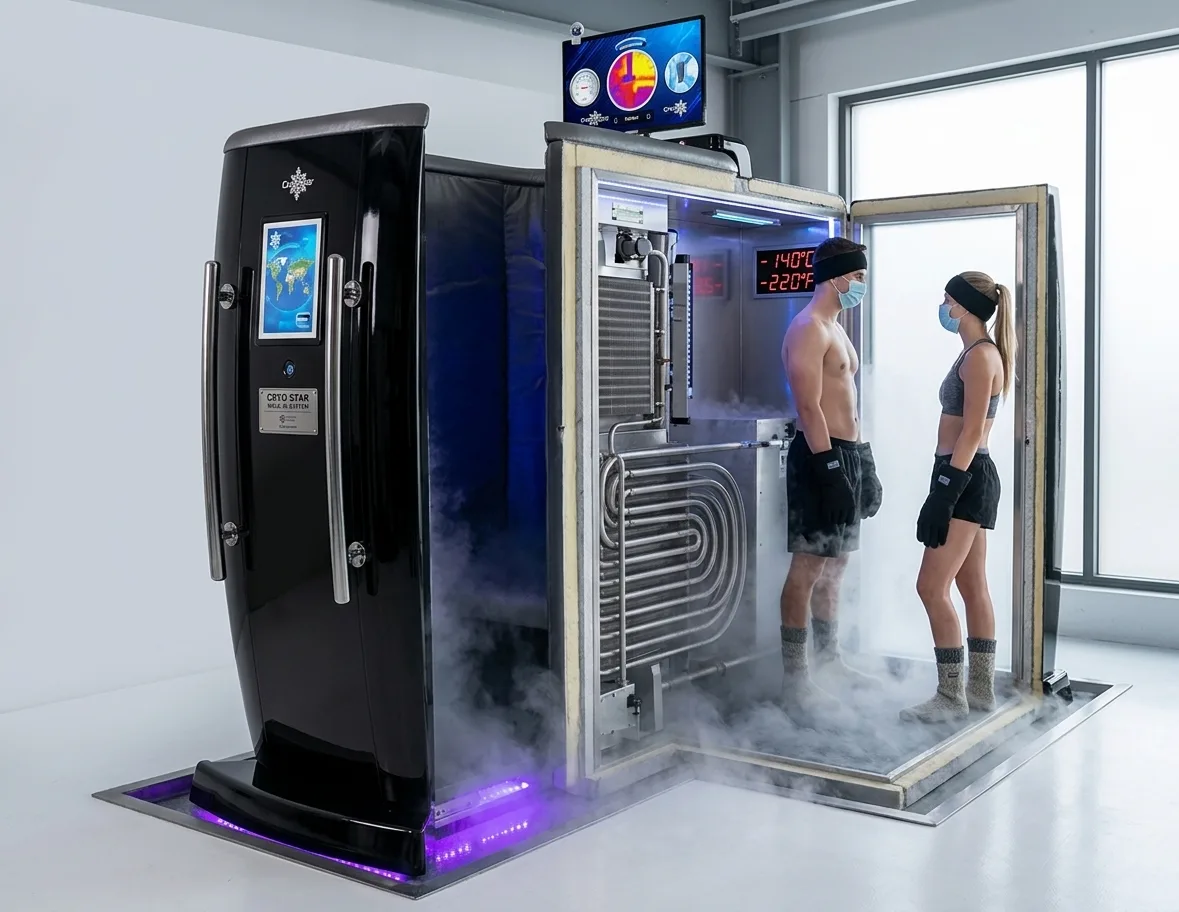
Това ръководство обхваща какво всъщност представлява криокамерата, как работи, какво има вътре в машината, разликата между криосауна и криокамера с вход и къде се вписва технологията в по-широкия спектър на студотерапията. Написано е за учащи, които се сблъскват с термина за първи път, и за купувачи, оценяващи оборудване за търговско внедряване.
Целевата аудитория на това ръководство са обучаеми (хора, които се срещат с термина за първи път и правят проучване преди покупка или сесия) и купувачи (оператори на студиа, собственици на спа центрове, купувачи на клиники, които трябва да разберат какво разглеждат, преди да сравняват модели и оферти). Тонът е дефиниционен и технически: какво всъщност представлява машината, какво правят частите ѝ и къде се вписва в пейзажа на оборудването за възстановяване.
Криосауна срещу криокамера: Изясняване на терминологията
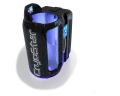
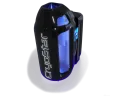
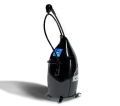
Най-често срещаното терминологично объркване в областта на криотерапевтичните камери е криосауна срещу криокамера. Маркетинговите текстове и съдържанието, насочено към потребителите, често използват термините взаимозаменяемо, но индустрията ги използва, за да разграничи две различни конфигурации. Криосауната е компактен цилиндър с издърпване на главата навън (обикновено азотно охлаждан), където тялото стои вътре и само главата остава над ръба. Криокамерата с вход е цялостно заграждение, където цялото тяло, включително главата, е вътре в пространството за лечение (обикновено електрическо охлаждане с дишаем въздух). Разграничението е важно за купувачите, защото двете конфигурации имат различни размери, охлаждаща инфраструктура, пропускателна способност на сесиите и оперативни профили.
| Функция | Криосауна | Криокамера (без записване) |
|---|---|---|
| Излагане на тялото | Главата навън: тялото под врата е открито, главата е над ръба на въздуха със стайна температура | Цяло тяло: цялото тяло, включително главата, е в пространството за лечение |
| Метод на охлаждане | Обикновено течни азотни пари, инжектирани в цилиндъра | Обикновено електрическо охлаждане с компресор и каскаден охладителен контур |
| Качество на въздуха вътре | Пари, богати на азот – потребителят не може да ги вдишва (главата остава навън) | Дишаем кислороден студен въздух – потребителят диша нормално вътре |
| Работна температура (спецификация на Vacuactivus) | Азот: -140°C до -170°C (CryoStar до -170°C, WBC азот -140/-170°C) | Електрически: -80°C до -110°C (Antarctica Electric -100°C, WBC Electric -80/-110°C, Barrel -110°C); азотни конфигурации за включване се предлагат отделно при -140°C до -170°C |
| Отпечатък | Компактен цилиндър за един човек, приблизително 1-1,5 кв. м | По-голямо помещение за безбариерен достъп, приблизително 2-4 кв. м плюс пространство за обслужване |
| Сесии на час | По-бърза смяна на струните, ~8-12 сесии/час (бързо охлаждане, кратка сесия) | ~4-6 сесии/час (по-дълго време за охлаждане на камерата между клиентите при някои модели) |
| Типичен контекст на употреба | Уелнес студиа, дневни спа центрове, места за експресно възстановяване | Възстановяване на спортисти с голям обем, медицински спа центрове, клиники за дълголетие, съоръжения, фокусирани върху левкоцитите |
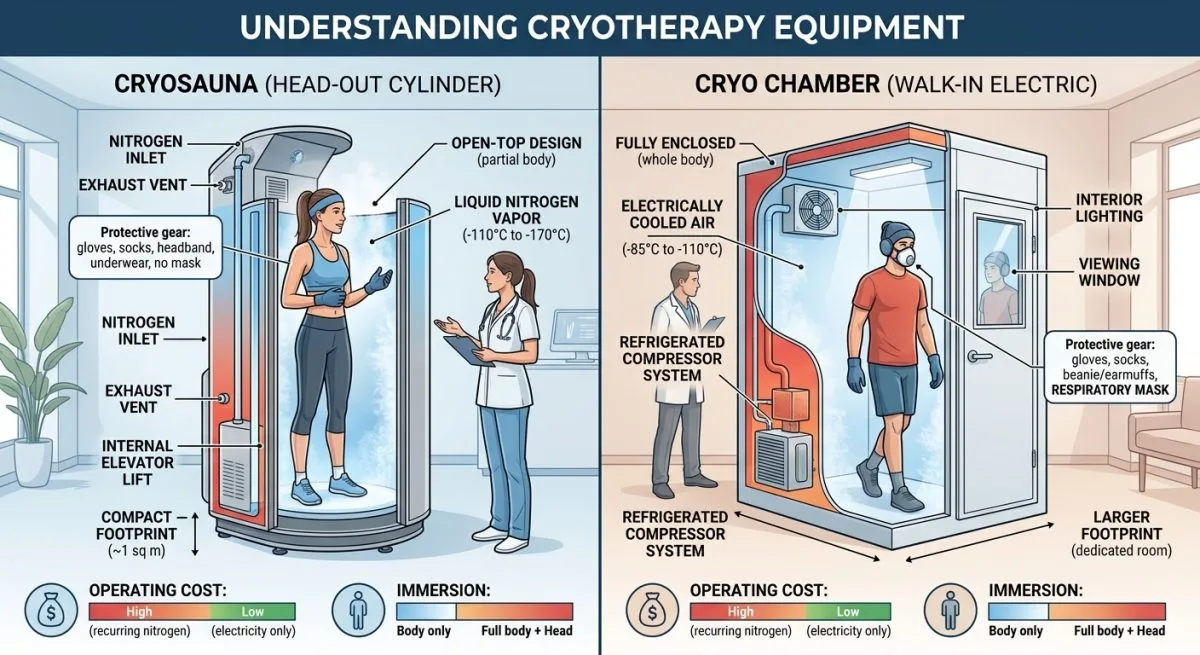
Практическото значение за купувачите: конфигурациите с криосауна обикновено се охлаждат по-бързо и предлагат по-висока производителност на час, което ги прави подходящи за уелнес студиа с голям обем сеанси; конфигурациите с криокамери с отворен вход предлагат експозиция на цялото тяло, включително главата, но с компромис с по-голям размер и по-бавно оборотно време. За задълбочено технологично потапяне в електрическата (безазотна) страна на охлаждащата техника вижте Електрическа криотерапевтична камера: Как работи безазотната технология който разглежда подробно избора на инфраструктура за каскадно охлаждане спрямо инфраструктура с течен азот.
Как работи криотерапевтичната камера
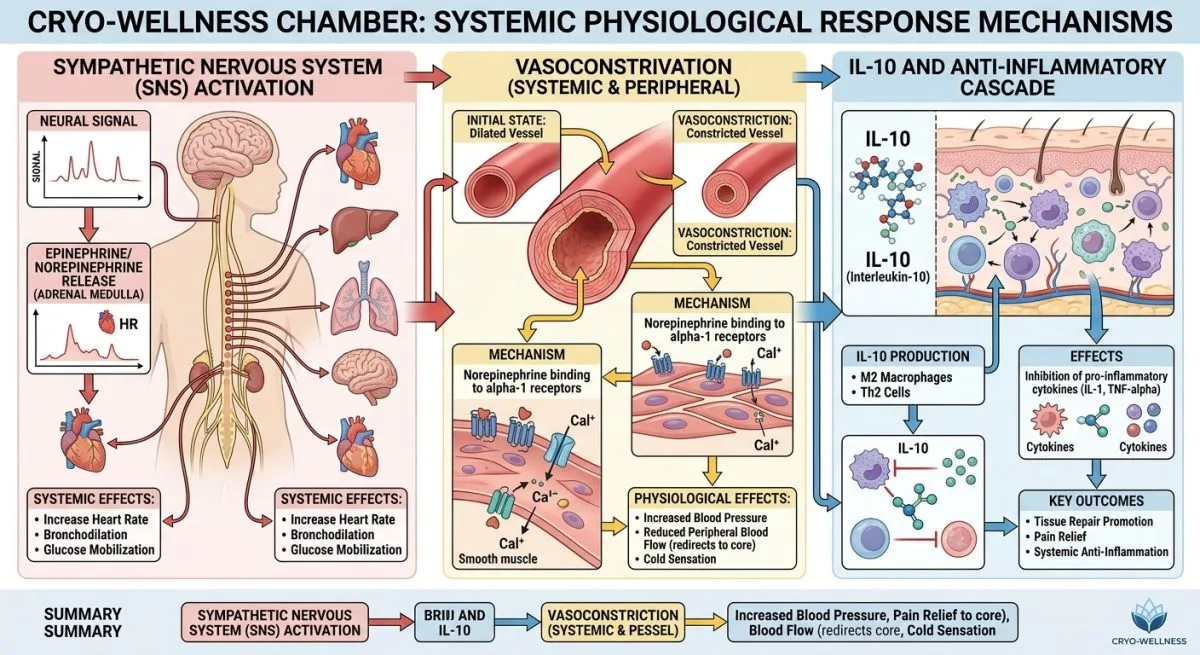
Физиологичният механизъм е добре описан в литературата. Студеният въздух в целевата температурна обвивка за вашата камера (електрическа -80°C до -110°C, азотна -140°C до -170°C) бързо охлажда повърхността на кожата в рамките на първите 15-30 секунди от експозицията, предизвиквайки рязко свиване на кръвоносните съдове в кожата и повърхностните тъкани. Тази вазоконстрикция изтегля кръвния поток от крайниците към сърцевината, за да защити вътрешните органи и телесната температура. Камерата не охлажда телесната ви температура; експозицията е достатъчно кратка (2-4 минути), така че само кожата и повърхностните тъкани изпитват екстремния студ, докато сърцевината ви остава стабилна чрез реакцията на спешна терморегулация.
Симпатиковата нервна система се активира по време на тази кратка термична извънредна ситуация, освобождавайки норадреналин и ендорфини. Когато сесията приключи, кръвоносните съдове се разширяват отново (връщане на вазодилатация) и прилив на богата на кислород и хранителни вещества кръв се връща към периферните тъкани. Тази студена реакция на цялото тяло също така предизвиква освобождаване на противовъзпалителни цитокини като IL-10, което е един механистичен път, свързан с отчетеното намаляване на мускулната треска със забавено начало (DOMS) и ползите за възстановяване след тренировка. За по-задълбочен преглед на специфичната доказателствена база относно ползите от криотерапевтичните сесии в камерата вижте „Ползи от сесиите с криотерапевтична камера: Какво казва науката“. Консултирайте се с квалифициран медицински специалист, преди да използвате криотерапия за каквото и да е медицинско състояние.
Вътре в машината: Анатомия на криотерапевтична камера
Съвременната криотерапевтична камера е координирана система от подсистеми за охлаждане, управление и безопасност, опаковани в изолиран корпус. Патентите на USPTO за системи за криотерапия на цялото тяло документират инженерните компоненти: контролери, клапани, криогенни дюзи за разпределение на газ за азотни агрегати, хладилни каскадни контури за електрически агрегати и протоколи за предварително охлаждане. Потенциалните купувачи и инженери, оценяващи конкретни патенти, цитирани от производител, трябва да проверят номерата на патентите директно на patents.google.com или в базите данни на USPTO за конкретния производител и конфигурация на продукта. Четирите основни подсистеми по-долу обхващат основната анатомия за всеки, който оценява криотерапевтична машина или се опитва да разбере какво има вътре в криотерапевтична камера.
Външна обвивка и вътрешна камера за третиране
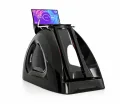
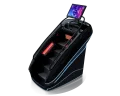
Най-външният слой е изолирана термична обвивка, обикновено изградена от твърда пяна или вакуумно изолирани панели между външна декоративна обвивка и вътрешната камера за лечение. Качеството на изолацията определя какъв охладителен капацитет е необходим на машината, за да поддържа целевата температура по време на работа и колко бързо камерата се възстановява между сесиите. Вътрешната камера за лечение е пространството, където стоите по време на сесия. Конфигурацията на криосауната има цилиндрична вътрешна камера с отвор за врата в горната част, така че главата ви остава над ръба. Конфигурацията на криокамерата с вход има затворено пространство за лечение с пълна височина с врата и сервизен прозорец за наблюдение от техник.
Охладителна система (електрическа или азотна)
Това е най-голямата инженерна подсистема и най-големият диференциатор между типовете камери. Охлаждането с електрическа криотерапевтична камера използва хладилен компресор, циркулиращ хладилен агент през каскаден охладителен контур, който извлича топлина от камерата и я отвежда навън. Каскадното охлаждане означава два или повече хладилни етапа, подредени последователно, тъй като едностепенна система не може да достигне криогенни температури под нулата от околната стайна температура. Охлаждането с течен азот за криотерапия използва съд за течен азот с дюар, свързан с дюзи за подаване, които изпаряват LN2 вътре в камерата, за да произведат студ. Парата се разпръсква чрез вътрешна геометрия и, в някои конструкции, чрез циркулационни вентилатори. Двете технологии постигат различни целеви температурни диапазони: електрическите камери работят в диапазона от -80°C до -110°C, където каскадното охлаждане е термодинамично ефективно; азотните камери достигат по-студения диапазон от -140°C до -170°C (като първокласни устройства като CryoStar достигат -170°C). Изборът между двете се свежда до цена, инфраструктура, пропускателна способност на сесията и оперативен профил на дишаем въздух спрямо пара.
Контролен панел и сензори
Контролният панел е мястото, където операторът задава параметрите на сесията и следи условията за безопасност. Цифровият дисплей за температура, таймерът за сесията, активирането на предварително охлаждане и аварийното спиране са основните контроли на почти всички съвременни устройства. Зад панела множество термодвойки (температурни сензори) следят температурата на въздуха в камерата в няколко точки, за да осигурят равномерно охлаждане. При устройствата с азотно охлаждане стандартно се монтира кислороден сензор, който следи камерата (или в криосауна конфигурации, помещението около камерата) за нива на O2; всяко спадане от нормалните атмосферни нива задейства предупреждение, а при съвременните устройства - автоматичен цикъл на изпускане. Звукови предупреждения, визуални индикатори и (при премиум устройства) мрежово свързано наблюдение за управление на съоръженията допълват комплекта сензори.
Системи за циркулация на въздуха и безопасност
Равномерното разпределение на студа е от значение, защото температурните колебания вътре в камерата влияят както на комфорта на потребителя, така и на постоянството на лечението. Циркулационните вентилатори движат въздуха през напречното сечение на камерата, особено при електрическите агрегати без прекъсване. Изпускателната вентилация е от решаващо значение при азотните агрегати: след всяка сесия, богатите на азот пари трябва да бъдат изведени безопасно от камерата и помещението. Съвременните агрегати имат автоматични цикли на изпускане, които се изпълняват между сесиите. Аварийните спирания, отключените врати (в камерите без прекъсване, така че потребителите да запазят контрол), прозорците за комуникация с техниците и ясните визуални линии допълват пакета за безопасност. Патентите на USPTO за WBC системи документират конкретно блокировките и последователността на безопасност, които поддържат сесиите в рамките на безопасни работни параметри; специфичното патентно портфолио варира в зависимост от производителя и трябва да бъде проверено с производителя за въпросния модел.
Колко студена става криотерапевтичната камера
Стандартните работни температури зависят от технологията на камерата и производителя. Електрическите хладилни камери работят в диапазона от -80°C до -110°C (от -112°F до -166°F): Флагманът на Vacuactivus Antarctica Electric достига -100°C / -148°F; Antarctica WBC Electric покрива диапазона от -80°C до -110°C; Antarctica Barrel Electric достига -110°C. Камерите на азотна основа достигат по-студения край на индустриалния диапазон: Vacuactivus WBC Nitrogen работи при -140°C до -170°C; флагманът на CryoStar достига -170°C / -274°F. Камерите се охлаждат предварително до целевата си температура преди началото на сесията (обикновено 1-3 минути предварително охлаждане в зависимост от модела и началните условия) и краткотрайно излагане на тези температури от 2-4 минути е достатъчно, за да се задейства пълният физиологичен отговор. За това как температурата на камерата за студена криотерапия варира в зависимост от типа машини, вижте по-подробно. Колко студена е криотерапевтичната камера? Температурно ръководство по тип машина.
Къде се вписват криотерапевтичните камери в спектъра на студената терапия
Криотерапевтичните камери са в най-интензивния и най-краткотраен край на по-широкия спектър от студена терапия. Статията в Уикипедия за криотерапията разглежда този спектър като континуум от ледени пакети до камери без вход, всички споделящи общия термин криотерапия, но различаващи се значително по интензитет, продължителност и физиологичен отговор. Разбирането къде се вписват криокамерата без вход и криосауната помага да се изясни кога всяка модалност е правилният избор.
Спектърът от най-ниска до най-висока интензивност: леден компрес или студен компрес (локализирано повърхностно охлаждане при приблизително 0°C, прилагано на интервали от 15-20 минути), ледена баня или студено потапяне (потапяне на цялото тяло във вода при 5-15°C за 5-15 минути, проводимо охлаждане чрез вода), локализирано устройство за криотерапия (~-20°C охлаждане на целенасочена област за локално третиране), електрическа криокамера (цялостно затваряне на тялото при -80°C до -110°C за 2-4 минути, електрическо охлаждане със студен въздух) и азотна криосауна (цилиндър с изнесена глава при -140°C до -170°C за 2-3 минути, охлаждане с азотни пари). Всяка модалност служи за различни случаи на употреба: локализиран лед за остро нараняване, ледена баня за възстановяване на цялото тяло с управляема интензивност, електрическа криокамера за излагане на цялото тяло с дишаем въздух, азотна криосауна за най-студените пикови температури с бърза смяна на сесията.
Кой използва криотерапевтични камери
Потребителите на криотерапевтични камери обхващат професионални и любителски спортни среди, хора, фокусирани върху уелнес и дълголетие, както и клинични рехабилитационни заведения. Професионални спортисти и отбори използват криотерапевтични камери за цялото тяло за възстановяване между тренировките, подготовка за състезания и намаляване на мускулната треска със забавено начало (DOMS). Прегледът на криотерапията на Mass General Brigham отбелязва документирано приемане сред елитните спортни програми. Любителите на любителския фитнес използват криотерапия за намаляване на болката след тренировка и общо възстановяване в търговски уелнес центрове.
Уелнес студиата и дневните спа центрове предлагат криотерапевтични сеанси като първокласна услуга за възстановяване, често заедно с терапия с червена светлина, инфрачервена сауна и компресионна терапия. Клиники за физикална терапия и рехабилитация използват криотерапевтични камери като допълнително лечение за хронични възпалителни състояния като артрит и фибромиалгия (под подходящо медицинско наблюдение – не е заместител на първичната медицинска помощ). Хората, фокусирани върху дълголетието, използват криотерапията като една от модалностите в по-широк пакет за биохакинг или оптимизация на здравето. За подробна информация как всъщност изглежда първата сесия с криотерапевтична камера от гледна точка на потребителя, вижте Криотерапевтични сесии: Какво да очаквате при първото си посещение. За оператори на студия, оценяващи разходите за оборудване в различни конфигурации, вижте Колко струва машина за криотерапия? Реални числа за 2026 г. а за по-малки конфигурации на криосауни, насочени към домашна употреба или по-малки студиа, вижте Криосауна у дома: Професионални срещу потребителски устройства.
Често задавани въпроси
В1. Какво е криотерапевтична камера?
Криокамерата е помещение, в което тялото се излага на контролиран студен въздух в продължение на две до четири минути. Работната температура зависи от технологията: електрическите (безазотни) камери работят при -80°C до -110°C (-112°F до -166°F); азотните камери работят при -140°C до -170°C (-220°F до -274°F). Тя предизвиква кратка, но интензивна студена реакция на цялото тяло, която тялото интерпретира като термична спешна ситуация, предизвиквайки вазоконстрикция, прилив на противовъзпалителна сигнализация и възстановяване на наситената с кислород кръв, когато излезете навън. Използва се за възстановяване, намаляване на възпалението и управление на болката в спортни, уелнес и клинични условия.
В2. Каква е разликата между криосауна и криокамера?
Криосауната обикновено е азотен агрегат за един човек, при който човек стои вътре в цилиндър с глава над ръба, излагайки само тялото под врата на азотни пари. Криосауната (без вход) обикновено е електрическо хладилно помещение за цялото тяло, където цялото тяло, включително главата, е вътре в пространството за лечение, дишайки сух студен въздух. Криосауните предлагат по-бърза обмяна на веществата и най-ниски пикови температури чрез азот; камерите без вход предлагат излагане на цялото тяло на въздух за дишане и без логистика на втечнен азот (LN2).
В3. Колко студена е криотерапевтичната камера?
Зависи от технологията. Електрическите хладилни камери Vacuactivus работят в диапазона от -80°C до -110°C (-112°F до -166°F) (Antarctica Electric при -100°C, WBC Electric при -80/-110°C, Barrel Electric при -110°C). Азотните камери Vacuactivus работят при -140°C до -170°C (-220°F до -274°F), като CryoStar достига най-ниските -170°C. Камерата се охлажда предварително до целевата си температура преди началото на сесията и краткотрайно излагане на тези температури от 2-4 минути е достатъчно, за да се задейства пълният физиологичен отговор.
В4. Какво има вътре в криотерапевтичната камера?
Съвременната криотерапевтична камера съдържа изолирана външна обвивка с вътрешна камера за лечение, охладителна система (или електрически хладилен компресор с каскада от хладилен агент, или резервоар за течен азот с дюзи за подаване), контролен панел с цифрови контроли на температурата и таймера, множество термодвойки за наблюдение, кислороден сензор на азотните агрегати, вентилатори за циркулация на въздуха и система за изпускателна вентилация. Функциите за безопасност включват звукови сигнали, аварийно спиране и прозрачен прозорец за наблюдение от техник.
В5. Как работи криотерапевтичната камера?
Студеният въздух в целевата обвивка на вашата камера (електрически -80°C до -110°C или азотен -140°C до -170°C) бързо охлажда повърхността на кожата ви, предизвиквайки свиване на кръвоносните съдове (вазоконстрикция) и издърпване на кръв към сърцевината, за да защити вътрешните органи. След края на сесията съдовете се разширяват отново и прилив на богата на кислород и хранителни вещества кръв се връща към периферните тъкани. Този студен стрес за цялото тяло предизвиква освобождаване на противовъзпалителни цитокини като IL-10 и прилив на ендорфини, поради което хората често се чувстват енергични и по-малко болки след това.
В6. Криотерапията същото ли е като криосауна?
Не точно. Криотерапията е широкият термин за всяка терапевтична употреба на студ, който включва ледени бани, ледени компреси, локализирана студена терапия, криосауни и криокамери с отворена врата. Криосауната е един специфичен формат в рамките на криотерапията на цялото тяло – цилиндър с извадена глава, който излага тялото под врата на азотни пари. Криокамерите с отворена врата са друг формат, който излага цялото тяло, включително главата, на студен въздух. И двата вида принадлежат към категорията криотерапия на цялото тяло в рамките на по-широкия спектър на криотерапията.
В7. По какво се различава криокамерата от ледената баня?
Ледената баня използва студена вода с температура приблизително 5-15°C и седите в нея 5-15 минути, охлаждайки тялото проводимо чрез вода. Криотерапевтичната камера използва студен сух въздух с температура от -80°C до -170°C (в зависимост от технологията на камерата) и стоите в нея 2-4 минути, охлаждайки повърхността на кожата много по-бързо чрез въздух. Сухият студен въздух е по-поносим от студената вода при еквивалентно охлаждане на кожата, а сеансът в камерата е много по-кратък и по-интензивен. И двата метода предизвикват студена реакция, но с различни времеви мащаби и интензитети.
В8. Какво е въздействието на криокамерата върху тялото ви?
В камерата температурата на кожата спада бързо, докато основната телесна температура остава стабилна благодарение на вазоконстрикцията. Симпатиковата нервна система активира спешна терморегулационна реакция, освобождавайки норадреналин и ендорфини. След излизане кръвоносните съдове се разширяват и наситената с кислород кръв се връща към периферните тъкани, придружено от освобождаване на противовъзпалителни цитокини като IL-10. Повечето потребители се чувстват енергични, с намалена мускулна болка и подобрено настроение в продължение на няколко часа.
Заключение
Криотерапевтичната камера е помещение, проектирано за краткотрайно високоинтензивно излагане на цялото тяло на студ в продължение на 2-4 минути при специфични за технологията температури: електрическите камери достигат температура от -80°C до -110°C; азотните камери достигат по-студената температура от -140°C до -170°C. Структурата ѝ се състои от изолирана обвивка с вътрешна камера за лечение, охлаждаща подсистема (електрическа хладилна каскада или течен азот с дюзи за подаване), комплект за управление и сензори (термодвойки, кислороден сензор на азотни агрегати, таймери за сесии) и системи за циркулация на въздуха и безопасност (вентилатори, изпускателна вентилация, аварийни спирания, зрителни линии за техници). Механизмът протича от излагане на студ през вазоконстрикция, активиране на симпатиковата нервна система и освобождаване на противовъзпалителен цитокин IL-10.
Разграничението в терминологията криосауна срещу криокамера е важно: криосауната е конфигурация с азот, изнесен навън; криокамерата с вход е електрическа конфигурация за цялото тяло. И двете са подходящи за реални случаи на употреба в спортни, уелнес и клинични условия. За студия и купувачи, оценяващи оборудване и от двете технологични семейства, търговски криотерапевтични камери обхваща конфигурациите на Antarctica Electric и CryoStar/WBC Nitrogen с пълни спецификации. За Системи за криотерапия на цялото тяло специално конфигуриран за използване в спа центрове и студия, продуктовата страница на WBC съдържа пълни спецификации. За по-широк информационен център относно оборудването и конфигурациите за криосауна вижте Информационен център за криосауна Vacuactivus.


