


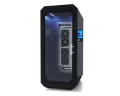
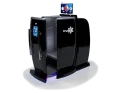


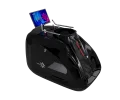
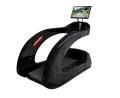
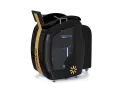
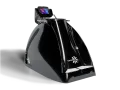
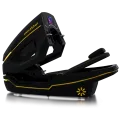
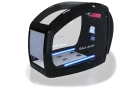

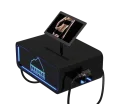
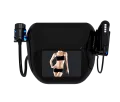

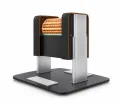
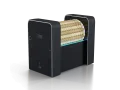
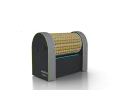
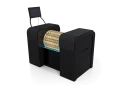
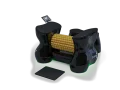
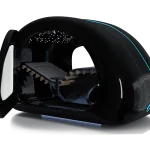
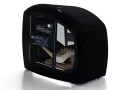
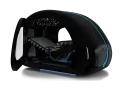

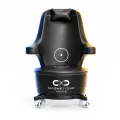




Τι είναι ένας θάλαμος κρυοθεραπείας; Ανατομία μιας σύγχρονης κρυοσάουνας
Ένας θάλαμος κρυοθεραπείας είναι ένας θάλαμος χωρίς κενά που εκθέτει το σώμα σε ελεγχόμενο κρύο αέρα για δύο έως τέσσερα λεπτά. Η θερμοκρασία λειτουργίας εξαρτάται από την τεχνολογία του θαλάμου: οι ηλεκτρικοί (χωρίς άζωτο) θάλαμοι λειτουργούν στο θερμικό περίβλημα από -80°C έως -110°C (-112°F έως -166°F). Οι θάλαμοι αζώτου φτάνουν στο ψυχρότερο περίβλημα από -140°C έως -170°C (-220°F έως -274°F). Αυτό πυροδοτεί μια σύντομη αλλά έντονη ψυχρή απόκριση ολόκληρου του σώματος που χρησιμοποιείται για ανάρρωση, μείωση της φλεγμονής και διαχείριση του πόνου. Η Vacuactivus κατασκευάζει θαλάμους κρυοθεραπείας στην Πολωνία (ΕΕ) από το 2009 (πάνω από 15 χρόνια), καλύπτοντας τόσο ηλεκτρική όσο και αζωτούχα τεχνολογία σε όλες τις σειρές προϊόντων Antarctica και CryoStar.
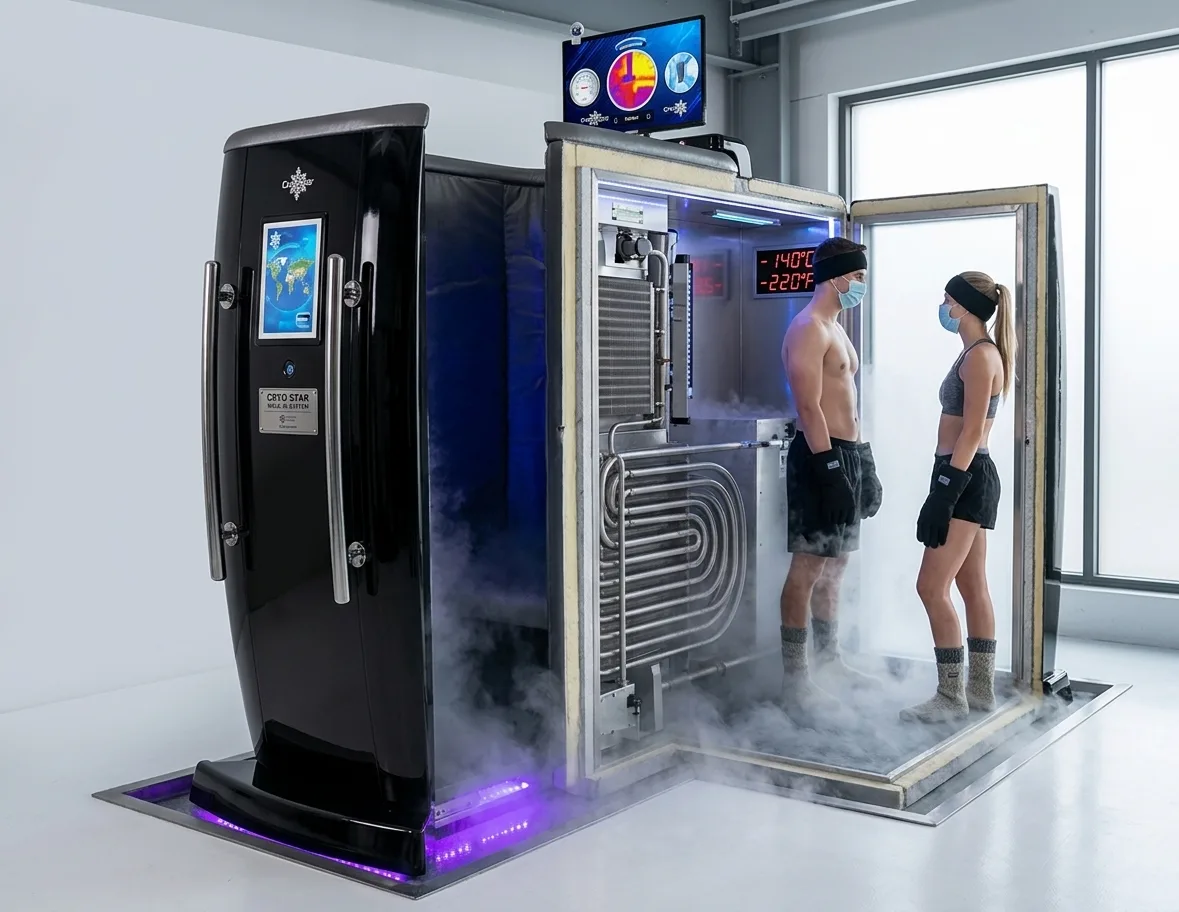
Αυτός ο οδηγός καλύπτει τι είναι στην πραγματικότητα ένας θάλαμος κρυοθεραπείας, πώς λειτουργεί, τι υπάρχει μέσα στο μηχάνημα, τη διαφορά μεταξύ μιας κρυοσάουνας και ενός κρυοθαλάμου χωρίς κρυοθεραπεία και πού εντάσσεται η τεχνολογία στο ευρύτερο φάσμα της κρυοθεραπείας. Είναι γραμμένος για μαθητές που έρχονται σε επαφή με τον όρο για πρώτη φορά και για αγοραστές που αξιολογούν εξοπλισμό για εμπορική χρήση.
Το κοινό αυτού του οδηγού πυλώνων είναι οι μαθητές (άτομα που συναντούν τον όρο για πρώτη φορά και κάνουν έρευνα πριν από την αγορά ή πριν από τη συνεδρία) και οι αγοραστές (χειριστές στούντιο, ιδιοκτήτες σπα, αγοραστές κλινικών που πρέπει να κατανοήσουν τι εξετάζουν πριν συγκρίνουν μοντέλα και προσφορές). Ο τόνος είναι οριστικός και τεχνικός: τι είναι στην πραγματικότητα το μηχάνημα, τι κάνουν τα εξαρτήματά του και πού εντάσσεται στο τοπίο του εξοπλισμού αποκατάστασης.
Κρυοσάουνα vs Κρυοθάλαμος: Ξεκαθάρισμα της ορολογίας
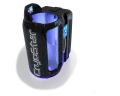
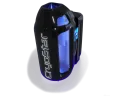
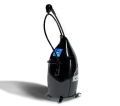
Η πιο συνηθισμένη σύγχυση ορολογίας στον χώρο του θαλάμου κρυοθεραπείας είναι η κρυοσάουνα έναντι του κρυοθαλάμου. Τα διαφημιστικά κείμενα και το περιεχόμενο που απευθύνεται στον καταναλωτή συχνά χρησιμοποιούν τους όρους εναλλακτικά, αλλά η βιομηχανία τους χρησιμοποιεί για να διακρίνει δύο ξεχωριστές διαμορφώσεις. Μια κρυοσάουνα είναι ένας συμπαγής κύλινδρος με κεφαλή (συνήθως ψύχεται με άζωτο) όπου το σώμα βρίσκεται στο εσωτερικό και μόνο η κεφαλή παραμένει πάνω από το χείλος. Ένας κρυοθάλαμος με είσοδο είναι ένα περίβλημα ολόκληρου του σώματος όπου ολόκληρο το σώμα, συμπεριλαμβανομένης της κεφαλής, βρίσκεται μέσα στον χώρο θεραπείας (συνήθως ψύχεται ηλεκτρικά με αναπνεύσιμο αέρα). Η διάκριση έχει σημασία για τους αγοραστές επειδή οι δύο διαμορφώσεις έχουν διαφορετικά αποτυπώματα, υποδομές ψύξης, απόδοση συνεδρίας και λειτουργικά προφίλ.
| Χαρακτηριστικό | Κρυοσάουνα | Κρυοθάλαμος (χωρίς χρέωση) |
|---|---|---|
| Έκθεση σώματος | Κεφάλι προς τα έξω: σώμα κάτω από τον λαιμό εκτεθειμένο, κεφάλι πάνω από το χείλος σε αέρα σε θερμοκρασία δωματίου | Ολόκληρο το σώμα: ολόκληρο το σώμα, συμπεριλαμβανομένου του κεφαλιού, βρίσκεται εντός του χώρου θεραπείας |
| Μέθοδος ψύξης | Συνήθως ατμοί υγρού αζώτου εγχέονται στον κύλινδρο | Συνήθως ηλεκτρική ψύξη με συμπιεστή και βρόχο ψύξης σε σειρά |
| Ποιότητα αέρα στο εσωτερικό | Ατμός πλούσιος σε άζωτο – ο χρήστης δεν μπορεί να τον αναπνεύσει (το κεφάλι μένει έξω) | Αναπνεύσιμος οξυγονωμένος κρύος αέρας – ο χρήστης αναπνέει κανονικά μέσα |
| Θερμοκρασία λειτουργίας (προδιαγραφές Vacuactivu) | Άζωτο: -140°C έως -170°C (CryoStar έως -170°C, Άζωτο WBC -140/-170°C) | Ηλεκτρικό: -80°C έως -110°C (Antarctica Electric -100°C, WBC Electric -80/-110°C, Barrel -110°C). Διαμορφώσεις αζώτου χωρίς βαλίτσα διατίθενται ξεχωριστά στους -140°C έως -170°C. |
| Ιχνος | Συμπαγής κύλινδρος για ένα άτομο, περίπου 1-1,5 τετραγωνικά μέτρα | Μεγαλύτερος χώρος στάθμευσης, περίπου 2-4 τ.μ. συν την απαραίτητη απόσταση από το σέρβις |
| Συνεδρίες ανά ώρα | Ταχύτερη εναλλαγή, ~8-12 συνεδρίες/ώρα (γρήγορη αναμονή, σύντομη συνεδρία) | ~4-6 συνεδρίες/ώρα (μεγαλύτερος χρόνος αναμονής θαλάμου μεταξύ των πελατών σε ορισμένα μοντέλα) |
| Τυπικό πλαίσιο χρήσης | Στούντιο ευεξίας, ημερήσια σπα, τοποθεσίες ταχείας αποκατάστασης | Αθλητική αποκατάσταση μεγάλου όγκου, ιατρικά σπα, κλινικές μακροζωίας, εγκαταστάσεις με επίκεντρο το WBC |
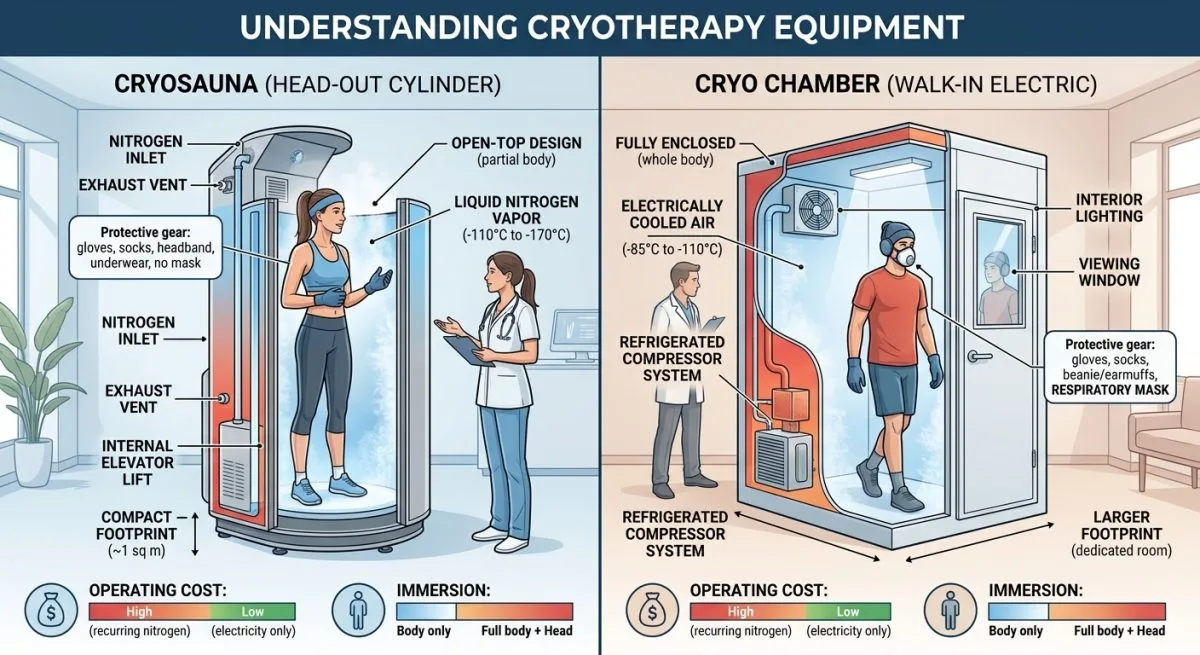
Η πρακτική συνέπεια για τους αγοραστές: οι διαμορφώσεις κρυοσάουνας συνήθως ψύχονται ταχύτερα και προσφέρουν υψηλότερη απόδοση ανά ώρα, καθιστώντας τες κατάλληλες για στούντιο ευεξίας με υψηλό όγκο συνεδριών. Οι διαμορφώσεις θαλάμων κρυοσυντήρησης προσφέρουν έκθεση ολόκληρου του σώματος, συμπεριλαμβανομένου του κεφαλιού, σε αντιστάθμισμα μεγαλύτερου αποτυπώματος και βραδύτερης εναλλαγής. Για μια εις βάθος ανάλυση της τεχνολογίας στην ηλεκτρική (χωρίς άζωτο) πλευρά της μηχανικής ψύξης, βλ. Ηλεκτρικός θάλαμος κρυοθεραπείας: Πώς λειτουργεί η τεχνολογία χωρίς άζωτο η οποία καλύπτει λεπτομερώς την επιλογή υποδομής ψύξης σε καταρράκτη έναντι υποδομής υγρού αζώτου.
Πώς λειτουργεί ένας θάλαμος κρυοθεραπείας
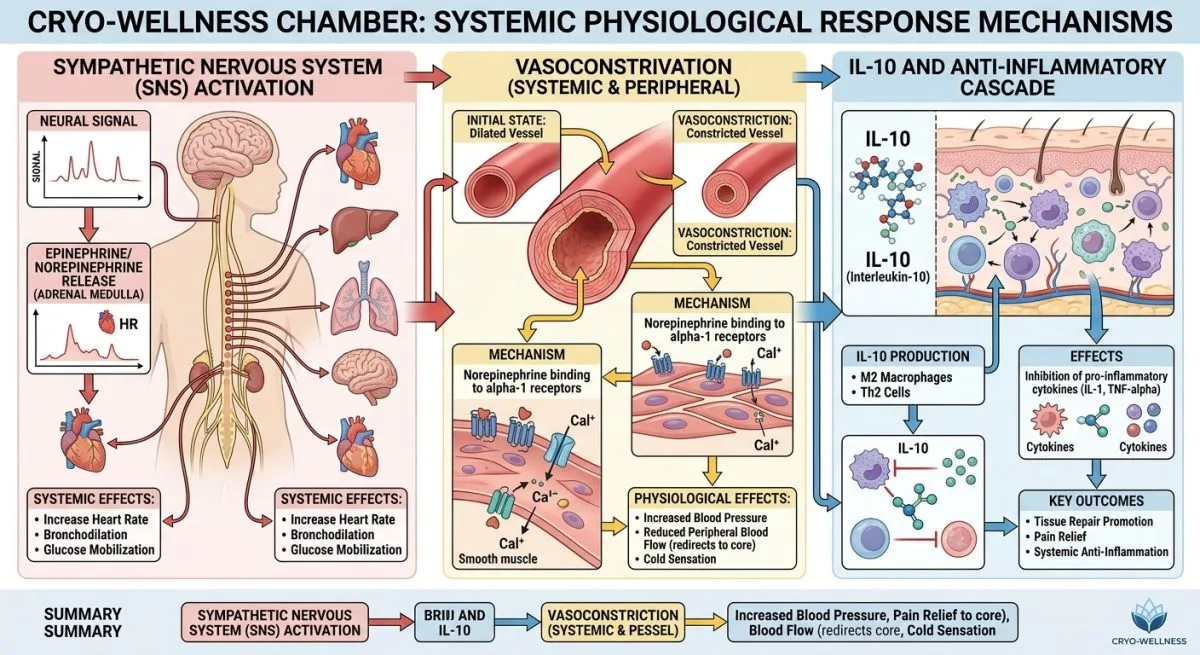
Ο φυσιολογικός μηχανισμός έχει χαρακτηριστεί καλά στη βιβλιογραφία. Ο κρύος αέρας στο στοχευόμενο θερμοκρασιακό περίβλημα για τον θάλαμό σας (ηλεκτρικό -80°C έως -110°C, άζωτο -140°C έως -170°C) ψύχει γρήγορα την επιφάνεια του δέρματος μέσα στα πρώτα 15-30 δευτερόλεπτα έκθεσης, προκαλώντας απότομη συστολή των αιμοφόρων αγγείων στο δέρμα και στον επιφανειακό ιστό. Αυτή η αγγειοσυστολή τραβάει τη ροή του αίματος από τα άκρα προς τον πυρήνα για να προστατεύσει τα εσωτερικά όργανα και τη θερμοκρασία του πυρήνα του σώματος. Ο θάλαμος δεν ψύχει τη θερμοκρασία του πυρήνα του σώματός σας. Η έκθεση είναι αρκετά σύντομη (2-4 λεπτά) ώστε μόνο το δέρμα και ο επιφανειακός ιστός να βιώνουν το ακραίο κρύο, ενώ ο πυρήνας σας παραμένει σταθερός κατά τη διάρκεια της επείγουσας θερμορύθμισης.
Το συμπαθητικό νευρικό σύστημα ενεργοποιείται κατά τη διάρκεια αυτής της σύντομης θερμικής έκτακτης ανάγκης, απελευθερώνοντας νοραδρεναλίνη και ενδορφίνες. Όταν τελειώσει η συνεδρία, τα αιμοφόρα αγγεία διαστέλλονται ξανά (αναπήδηση αγγειοδιαστολής) και μια ορμή οξυγονωμένου, πλούσιου σε θρεπτικά συστατικά αίματος επιστρέφει στους περιφερικούς ιστούς. Αυτή η ψυχρή αντίδραση ολόκληρου του σώματος προκαλεί επίσης την απελευθέρωση αντιφλεγμονωδών κυτοκινών όπως η IL-10, η οποία είναι μια μηχανιστική οδός που σχετίζεται με την αναφερόμενη μείωση του καθυστερημένου μυϊκού πόνου (DOMS) και τα οφέλη από την αποκατάσταση μετά την προπόνηση. Για μια βαθύτερη ανασκόπηση της συγκεκριμένης βάσης στοιχείων σχετικά με τα οφέλη του θαλάμου κρυοθεραπείας, ανατρέξτε στην ενότητα Οφέλη των συνεδριών θαλάμου κρυοθεραπείας: Τι λέει η επιστήμη. Συμβουλευτείτε έναν εξειδικευμένο πάροχο υγειονομικής περίθαλψης πριν χρησιμοποιήσετε την κρυοθεραπεία για οποιαδήποτε ιατρική πάθηση.
Μέσα στο μηχάνημα: Ανατομία ενός θαλάμου κρυοθεραπείας
Ένας σύγχρονος θάλαμος κρυοθεραπείας είναι ένα συντονισμένο σύστημα υποσυστημάτων ψύξης, ελέγχου και ασφάλειας που είναι συσκευασμένα σε ένα μονωμένο περίβλημα. Τα διπλώματα ευρεσιτεχνίας του USPTO για συστήματα κρυοθεραπείας ολόκληρου του σώματος τεκμηριώνουν τα μηχανικά εξαρτήματα: ελεγκτές, βαλβίδες, ακροφύσια διανομής κρυογονικού αερίου για μονάδες αζώτου, βρόχους ψύξης σε καταρράκτη για ηλεκτρικές μονάδες και πρωτόκολλα προψύξης. Οι υποψήφιοι αγοραστές και μηχανικοί που αξιολογούν συγκεκριμένα διπλώματα ευρεσιτεχνίας που αναφέρονται από έναν κατασκευαστή θα πρέπει να επαληθεύσουν τους αριθμούς διπλωμάτων ευρεσιτεχνίας απευθείας στο patents.google.com ή στις βάσεις δεδομένων του USPTO για τη συγκεκριμένη διαμόρφωση κατασκευαστή και προϊόντος. Τα τέσσερα βασικά υποσυστήματα που ακολουθούν καλύπτουν την απαραίτητη ανατομία για όποιον αξιολογεί μια μηχανή κρυοθεραπείας ή προσπαθεί να κατανοήσει τι υπάρχει μέσα σε έναν θάλαμο κρυοθεραπείας.
Εξωτερικό κέλυφος και εσωτερικός θάλαμος επεξεργασίας
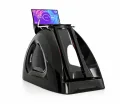
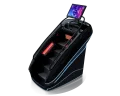
Το εξωτερικό στρώμα είναι ένα μονωμένο θερμικό περίβλημα, συνήθως κατασκευασμένο με άκαμπτο αφρό ή πάνελ με μόνωση κενού μεταξύ ενός εξωτερικού διακοσμητικού κελύφους και του εσωτερικού θαλάμου θεραπείας. Η ποιότητα της μόνωσης καθορίζει πόση ψυκτική ικανότητα χρειάζεται το μηχάνημα για να διατηρήσει τη θερμοκρασία-στόχο κατά τη λειτουργία και πόσο γρήγορα ανακάμπτει ο θάλαμος μεταξύ των συνεδριών. Ο εσωτερικός θάλαμος θεραπείας είναι ο χώρος όπου στέκεστε κατά τη διάρκεια μιας συνεδρίας. Μια διαμόρφωση κρυοσάουνας έχει έναν κυλινδρικό εσωτερικό θάλαμο με μια εγκοπή λαιμού στην κορυφή, έτσι ώστε το κεφάλι σας να παραμένει πάνω από το χείλος. Μια διαμόρφωση κρυοθαλάμου με δυνατότητα εισόδου διαθέτει έναν κλειστό χώρο θεραπείας πλήρους ύψους με πόρτα και παράθυρο σέρβις για την επίβλεψη τεχνικού.
Σύστημα ψύξης (ηλεκτρικό ή άζωτο)
Αυτό είναι το μεγαλύτερο υποσύστημα μηχανικής και ο μεγαλύτερος διαφοροποιητής μεταξύ των τύπων θαλάμων. Η ηλεκτρική ψύξη θαλάμου κρυοθεραπείας χρησιμοποιεί έναν συμπιεστή ψύξης που κυκλοφορεί ψυκτικό μέσο μέσω ενός βρόχου ψύξης με καταιγίδα που εξάγει θερμότητα από τον θάλαμο και την απορρίπτει εξωτερικά. Η ψύξη με καταιγίδα σημαίνει δύο ή περισσότερα στάδια ψύξης διατεταγμένα σε σειρά, επειδή ένα μονοβάθμιο σύστημα δεν μπορεί να φτάσει σε κρυογονικούς στόχους υπό το μηδέν από τη θερμοκρασία δωματίου περιβάλλοντος. Η ψύξη κρυοθεραπείας με υγρό άζωτο χρησιμοποιεί μια δεξαμενή υγρού αζώτου που συνδέεται με ακροφύσια παροχής που εξατμίζουν το LN2 μέσα στον θάλαμο για να παράγουν το κρύο. Ο ατμός διασκορπίζεται από την εσωτερική γεωμετρία και, σε ορισμένα σχέδια, από ανεμιστήρες κυκλοφορίας. Οι δύο τεχνολογίες επιτυγχάνουν διαφορετικά περιβλήματα θερμοκρασίας-στόχου: οι ηλεκτρικοί θάλαμοι λειτουργούν στο περίβλημα από -80°C έως -110°C όπου η ψύξη με καταιγίδα είναι θερμοδυναμικά αποτελεσματική. οι θάλαμοι αζώτου φτάνουν στο ψυχρότερο περίβλημα από -140°C έως -170°C (με μονάδες υψηλής ποιότητας όπως το CryoStar να φτάνουν τους -170°C). Η επιλογή μεταξύ των δύο εξαρτάται από το κόστος, την υποδομή, την απόδοση της συνεδρίας και το λειτουργικό προφίλ αναπνεύσιμου αέρα έναντι ατμών.
Πίνακας ελέγχου και αισθητήρες
Ο πίνακας ελέγχου είναι το σημείο όπου ο χειριστής ορίζει τις παραμέτρους της συνεδρίας και παρακολουθεί τις συνθήκες ασφαλείας. Η ψηφιακή ένδειξη θερμοκρασίας, ο χρονοδιακόπτης συνεδρίας, η ενεργοποίηση προψύξης και η διακοπή έκτακτης ανάγκης είναι βασικά χειριστήρια σε όλες σχεδόν τις σύγχρονες μονάδες. Πίσω από τον πίνακα, πολλαπλά θερμοστοιχεία (αισθητήρες θερμοκρασίας) παρακολουθούν τη θερμοκρασία του αέρα του θαλάμου σε διάφορα σημεία για να εξασφαλίσουν ομοιόμορφη ψύξη. Στις μονάδες που ψύχονται με άζωτο, ένας αισθητήρας οξυγόνου είναι στάνταρ, ο οποίος παρακολουθεί τον θάλαμο (ή σε διαμορφώσεις κρυοσάουνας, το δωμάτιο γύρω από τον θάλαμο) για επίπεδα O2. Οποιαδήποτε πτώση από το φυσιολογικό της ατμόσφαιρας ενεργοποιεί μια ειδοποίηση και, στις σύγχρονες μονάδες, έναν αυτόματο κύκλο εξάτμισης. Ηχητικές ειδοποιήσεις, οπτικές ενδείξεις και (σε μονάδες premium) παρακολούθηση συνδεδεμένη σε δίκτυο για τη διαχείριση της εγκατάστασης ολοκληρώνουν τη σουίτα αισθητήρων.
Συστήματα κυκλοφορίας αέρα και ασφάλειας
Η ομοιόμορφη κατανομή του ψύχους έχει σημασία, επειδή η διακύμανση της θερμοκρασίας εντός του θαλάμου επηρεάζει τόσο την άνεση του χρήστη όσο και τη συνέπεια της θεραπείας. Οι ανεμιστήρες κυκλοφορίας μετακινούν τον αέρα κατά μήκος της διατομής του θαλάμου, ειδικά στις ηλεκτρικές μονάδες με δυνατότητα εισόδου. Ο εξαερισμός είναι κρίσιμος στις μονάδες αζώτου: μετά από κάθε συνεδρία, ο πλούσιος σε άζωτο ατμός πρέπει να εξάγεται με ασφάλεια από τον θάλαμο και το δωμάτιο. Οι σύγχρονες μονάδες διαθέτουν αυτόματους κύκλους εξάτμισης που εκτελούνται μεταξύ των συνεδριών. Οι στάσεις έκτακτης ανάγκης, οι ξεκλείδωτες πόρτες (στους θαλάμους με δυνατότητα εισόδου, ώστε οι χρήστες να διατηρούν τον έλεγχο), τα παράθυρα επικοινωνίας του τεχνικού και οι καθαρές οπτικές γραμμές ολοκληρώνουν το πλαίσιο ασφαλείας. Τα διπλώματα ευρεσιτεχνίας του USPTO σε συστήματα WBC τεκμηριώνουν συγκεκριμένα τις αλληλοσυνδέσεις και την αλληλουχία ασφαλείας που διατηρούν τις συνεδρίες εντός ασφαλών παραμέτρων λειτουργίας. Το συγκεκριμένο χαρτοφυλάκιο διπλωμάτων ευρεσιτεχνίας ποικίλλει ανάλογα με τον κατασκευαστή και θα πρέπει να επαληθεύεται από τον κατασκευαστή για το εν λόγω μοντέλο.
Πόσο κρύο γίνεται ένας θάλαμος κρυοθεραπείας
Οι τυπικές θερμοκρασίες λειτουργίας εξαρτώνται από την τεχνολογία του θαλάμου και τον κατασκευαστή. Οι ηλεκτρικοί θάλαμοι ψύξης λειτουργούν στο εύρος θερμοκρασίας από -80°C έως -110°C (-112°F έως -166°F): Η ναυαρχίδα του Vacuactivus Antarctica Electric φτάνει τους -100°C / -148°F. Η ναυαρχίδα του Antarctica WBC Electric καλύπτει το εύρος θερμοκρασίας από -80°C έως -110°C. Η ναυαρχίδα του Antarctica Barrel Electric φτάνει τους -110°C. Οι θάλαμοι με βάση το άζωτο φτάνουν στο ψυχρότερο άκρο του εύρους τιμών του κλάδου: Η Vacuactivus WBC Nitrogen λειτουργεί στους -140°C έως -170°C. Η ναυαρχίδα του CryoStar φτάνει τους -170°C / -274°F. Οι θάλαμοι προψύχονται στη θερμοκρασία-στόχο τους πριν από την έναρξη της συνεδρίας σας (συνήθως 1-3 λεπτά προψύξης ανάλογα με το μοντέλο και τις συνθήκες εκκίνησης) και μια σύντομη έκθεση 2-4 λεπτών σε αυτές τις θερμοκρασίες είναι επαρκής για να ενεργοποιήσει την πλήρη φυσιολογική απόκριση. Για περισσότερες λεπτομέρειες, ανατρέξτε στο πώς διαφέρει η θερμοκρασία του θαλάμου ψυχρής κρυοθεραπείας μεταξύ των τύπων μηχανημάτων, βλ. Πόσο κρύος είναι ένας θάλαμος κρυοθεραπείας; Οδηγός θερμοκρασίας ανά τύπο μηχανής.
Πού εντάσσονται οι θάλαμοι κρυοθεραπείας στο φάσμα της κρυοθεραπείας
Οι θάλαμοι κρυοθεραπείας βρίσκονται στο άκρο με την υψηλότερη ένταση και τη μικρότερη διάρκεια ενός ευρύτερου φάσματος κρυοθεραπείας. Το άρθρο της Κρυοθεραπείας στη Βικιπαίδεια αντιμετωπίζει αυτό το φάσμα ως ένα συνεχές από παγοκύστες έως θαλάμους χωρίς κρυοθεραπεία, οι οποίοι μοιράζονται τον γενικό όρο κρυοθεραπεία, αλλά διαφέρουν σημαντικά ως προς την ένταση, τη διάρκεια και τη φυσιολογική απόκριση. Η κατανόηση του πού ταιριάζει ο θάλαμος κρυοθεραπείας χωρίς κρυοθεραπεία και η κρυοσάουνα βοηθά να διευκρινιστεί πότε κάθε μέθοδος είναι η σωστή επιλογή.
Το φάσμα από τη χαμηλότερη έως την υψηλότερη ένταση: παγοκύστης ή ψυχρή παγοκύστης (τοπική ψύξη επιφάνειας περίπου στους 0°C, εφαρμογή για διαστήματα 15-20 λεπτών), παγόλουτρο ή ψυχρή κατάδυση (εμβάπτιση ολόκληρου του σώματος σε νερό στους 5-15°C για 5-15 λεπτά, αγώγιμη ψύξη μέσω νερού), συσκευή εντοπισμένης κρυοθεραπείας (ψύξη στοχευμένης περιοχής ~-20°C για τοπική θεραπεία), ηλεκτρικός κρυοθάλαμος (θάλαμος ολόκληρου του σώματος στους -80°C έως -110°C για 2-4 λεπτά, ηλεκτρική ψύξη κρύου αέρα) και κρυοσάουνα αζώτου (κύλινδρος με κεφαλή εξόδου στους -140°C έως -170°C για 2-3 λεπτά, ψύξη με ατμούς αζώτου). Κάθε μέθοδος εξυπηρετεί διαφορετικές περιπτώσεις χρήσης: τοπικός πάγος για οξύ τραυματισμό, παγόλουτρο για ολόσωμη αποκατάσταση σε διαχειρίσιμη ένταση, ηλεκτρικός κρυοθάλαμος για έκθεση ολόκληρου του σώματος με αναπνεύσιμο αέρα, κρυοσάουνα αζώτου για τις πιο χαμηλές μέγιστες θερμοκρασίες με γρήγορη εναλλαγή συνεδρίας.
Ποιος χρησιμοποιεί θαλάμους κρυοθεραπείας
Οι χρήστες θαλάμων κρυοθεραπείας καλύπτουν επαγγελματικά και ψυχαγωγικά αθλητικά περιβάλλοντα, άτομα που επικεντρώνονται στην ευεξία και τη μακροζωία, καθώς και περιβάλλοντα κλινικής αποκατάστασης. Οι επαγγελματίες αθλητές και ομάδες χρησιμοποιούν θαλάμους κρυοθεραπείας ολόκληρου του σώματος για ανάρρωση μεταξύ των προπονήσεων, προετοιμασία για αγώνες και μείωση της καθυστερημένης έναρξης μυϊκού πόνου (DOMS). Η επισκόπηση κρυοθεραπείας του Mass General Brigham σημειώνει τεκμηριωμένη υιοθέτηση από κορυφαία αθλητικά προγράμματα. Οι λάτρεις της ψυχαγωγικής γυμναστικής χρησιμοποιούν κρυοθεραπεία για μείωση του πόνου μετά την προπόνηση και γενική ανάρρωση σε εμπορικά κέντρα ευεξίας.
Τα στούντιο ευεξίας και τα ημερήσια σπα προσφέρουν συνεδρίες θαλάμου κρυοθεραπείας ως υπηρεσία αποκατάστασης υψηλής ποιότητας, συχνά παράλληλα με τη θεραπεία με κόκκινο φως, τη σάουνα υπέρυθρης ακτινοβολίας και τη θεραπεία συμπίεσης. Οι κλινικές φυσικοθεραπείας και αποκατάστασης χρησιμοποιούν θαλάμους κρυοθεραπείας ως συμπληρωματική θεραπεία για χρόνιες φλεγμονώδεις παθήσεις όπως η αρθρίτιδα και η ινομυαλγία (υπό την κατάλληλη ιατρική επίβλεψη - όχι ως υποκατάστατο της πρωτοβάθμιας ιατρικής περίθαλψης). Τα άτομα που επικεντρώνονται στη μακροζωία χρησιμοποιούν την κρυοθεραπεία ως μία από τις μεθόδους σε ένα ευρύτερο πλαίσιο βιο-χακάρισμα ή βελτιστοποίησης της υγείας. Για μια αναλυτική παρουσίαση του πώς μοιάζει στην πραγματικότητα μια πρώτη συνεδρία θαλάμου κρυοθεραπείας από την οπτική γωνία του χρήστη, βλ. Συνεδρίες Θαλάμου Κρυοθεραπείας: Τι να Περιμένετε στην Πρώτη σας Επίσκεψη. Για τους χειριστές στούντιο που αξιολογούν το κόστος εξοπλισμού σε όλες τις διαμορφώσεις, βλ. Πόσο κοστίζει μια μηχανή κρυοθεραπείας; Πραγματικοί αριθμοί του 2026 και για μικρότερης κλίμακας διαμορφώσεις κρυοσάουνας που απευθύνονται σε οικιακές ή μικρότερες εγκαταστάσεις σε στούντιο, βλ. Κρυοσάουνα στο Σπίτι: Συσκευές Επαγγελματικής Κατάστασης vs Καταναλωτικές Συσκευές.
Συχνές ερωτήσεις
Ε1. Τι είναι ένας θάλαμος κρυοθεραπείας;
Ένας θάλαμος κρυοθεραπείας είναι ένας θάλαμος χωρίς κενά που εκθέτει το σώμα σε ελεγχόμενο κρύο αέρα για δύο έως τέσσερα λεπτά. Η θερμοκρασία λειτουργίας εξαρτάται από την τεχνολογία: οι ηλεκτρικοί (χωρίς άζωτο) θάλαμοι λειτουργούν στους -80°C έως -110°C (-112°F έως -166°F). οι θάλαμοι αζώτου λειτουργούν στους -140°C έως -170°C (-220°F έως -274°F). Προκαλεί μια σύντομη αλλά έντονη ψυχρή απόκριση ολόκληρου του σώματος, την οποία το σώμα ερμηνεύει ως θερμική έκτακτη ανάγκη, προκαλώντας αγγειοσύσπαση, έξαρση αντιφλεγμονώδους σηματοδότησης και ανάκαμψη του οξυγονωμένου αίματος όταν βγαίνετε έξω. Χρησιμοποιείται για ανάρρωση, μείωση της φλεγμονής και διαχείριση του πόνου σε αθλητικά περιβάλλοντα, περιβάλλοντα ευεξίας και κλινικά περιβάλλοντα.
Ε2. Ποια είναι η διαφορά μεταξύ μιας κρυοσάουνας και ενός κρυοθαλάμου;
Μια κρυοσάουνα είναι συνήθως μια μονάδα αζώτου ενός ατόμου με κεφαλή προς τα έξω, όπου στέκεστε μέσα σε έναν κύλινδρο με το κεφάλι σας πάνω από το χείλος, εκθέτοντας μόνο το σώμα κάτω από τον λαιμό σε ατμούς αζώτου. Ένας κρυοθάλαμος (walk-in) είναι συνήθως ένας ηλεκτρικός ψυκτικός θάλαμος ολόκληρου του σώματος όπου ολόκληρο το σώμα, συμπεριλαμβανομένης της κεφαλής, βρίσκεται μέσα στον χώρο θεραπείας, αναπνέοντας ξηρό κρύο αέρα. Οι κρυοσάουνες προσφέρουν ταχύτερη εναλλαγή και τις χαμηλότερες μέγιστες θερμοκρασίες μέσω αζώτου. Οι walk-in θάλαμοι προσφέρουν έκθεση ολόκληρου του σώματος με αναπνεύσιμο αέρα και χωρίς logistics LN2.
Ε3. Πόσο κρύος είναι ένας θάλαμος κρυοθεραπείας;
Εξαρτάται από την τεχνολογία. Οι ηλεκτρικοί ψυκτικοί θάλαμοι Vacuactivus λειτουργούν σε θερμοκρασία -80°C έως -110°C (-112°F έως -166°F) (Antarctica Electric στους -100°C, WBC Electric στους -80/-110°C, Barrel Electric στους -110°C). Οι θάλαμοι αζώτου Vacuactivus λειτουργούν στους -140°C έως -170°C (-220°F έως -274°F), με το CryoStar να φτάνει στην πιο χαμηλή θερμοκρασία -170°C. Ο θάλαμος προψύχεται στη θερμοκρασία-στόχο του πριν ξεκινήσει η συνεδρία σας και μια σύντομη έκθεση 2-4 λεπτών σε αυτές τις θερμοκρασίες είναι αρκετή για να ενεργοποιήσει την πλήρη φυσιολογική απόκριση.
Ε4. Τι υπάρχει μέσα σε έναν θάλαμο κρυοθεραπείας;
Ένας σύγχρονος θάλαμος κρυοθεραπείας περιέχει ένα μονωμένο εξωτερικό κέλυφος με εσωτερικό θάλαμο θεραπείας, ένα σύστημα ψύξης (είτε ηλεκτρικό συμπιεστή ψύξης με καταρράκτη ψυκτικού μέσου είτε δεξαμενή υγρού αζώτου με ακροφύσια παροχής), έναν πίνακα ελέγχου με ψηφιακά χειριστήρια θερμοκρασίας και χρονοδιακόπτη, πολλαπλά θερμοστοιχεία για παρακολούθηση, έναν αισθητήρα οξυγόνου σε μονάδες αζώτου, ανεμιστήρες κυκλοφορίας αέρα και ένα σύστημα εξαερισμού. Τα χαρακτηριστικά ασφαλείας περιλαμβάνουν ηχητικές ειδοποιήσεις, διακοπή έκτακτης ανάγκης και ένα διαφανές παράθυρο για την επίβλεψη τεχνικού.
Ε5. Πώς λειτουργεί ένας θάλαμος κρυοθεραπείας;
Ο κρύος αέρας στο στοχευμένο περίβλημα για τον θάλαμό σας (ηλεκτρικός -80°C έως -110°C ή άζωτο -140°C έως -170°C) ψύχει γρήγορα την επιφάνεια του δέρματός σας, προκαλώντας συστολή των αιμοφόρων αγγείων (αγγειοσυστολή) και τραβώντας το αίμα προς τον πυρήνα για την προστασία των εσωτερικών οργάνων. Μετά το τέλος της συνεδρίας, τα αγγεία διαστέλλονται ξανά και μια ορμή οξυγονωμένου, πλούσιου σε θρεπτικά συστατικά αίματος επιστρέφει στους περιφερειακούς ιστούς. Αυτό το ψυχρό στρες ολόκληρου του σώματος προκαλεί την απελευθέρωση αντιφλεγμονωδών κυτοκινών όπως η IL-10 και μια αύξηση ενδορφινών, γι' αυτό και οι άνθρωποι συχνά αισθάνονται ενεργοποιημένοι και λιγότερο πονάνε μετά.
Ε6. Είναι η κρυοθεραπεία το ίδιο με την κρυοσάουνα;
Όχι ακριβώς. Η κρυοθεραπεία είναι ο ευρύς όρος για οποιαδήποτε θεραπευτική χρήση του κρύου, η οποία περιλαμβάνει παγόλουτρα, παγοκύστες, εντοπισμένη κρυοθεραπεία, κρυοσάουνες και κρυοθάλαμους χωρίς ραντεβού. Η κρυοσάουνα είναι μια συγκεκριμένη μορφή κρυοθεραπείας ολόκληρου σώματος - ένας κύλινδρος με κεφαλή προς τα έξω που εκθέτει το σώμα κάτω από τον λαιμό σε ατμούς αζώτου. Οι κρυοθάλαμοι χωρίς ραντεβού είναι μια άλλη μορφή που εκθέτει ολόκληρο το σώμα, συμπεριλαμβανομένου του κεφαλιού, σε κρύο αέρα. Και οι δύο ανήκουν στην κατηγορία κρυοθεραπείας ολόκληρου σώματος στο ευρύτερο φάσμα της κρυοθεραπείας.
Ε7. Σε τι διαφέρει ένας θάλαμος κρυοθεραπείας από ένα παγόλουτρο;
Ένα παγόλουτρο χρησιμοποιεί κρύο νερό περίπου 5-15°C και κάθεστε σε αυτό για 5-15 λεπτά, ψύχοντας το σώμα αγώγιμο μέσω του νερού. Ένας θάλαμος κρυοθεραπείας χρησιμοποιεί κρύο ξηρό αέρα στο περίβλημα από -80°C έως -170°C (ανάλογα με την τεχνολογία του θαλάμου) και στέκεστε σε αυτόν για 2-4 λεπτά, ψύχοντας την επιφάνεια του δέρματος πολύ πιο γρήγορα μέσω του αέρα. Ο ξηρός κρύος αέρας είναι πιο ανεκτός από το κρύο νερό σε ισοδύναμη ψύξη του δέρματος και η συνεδρία του θαλάμου είναι πολύ μικρότερη και πιο έντονη. Και τα δύο προκαλούν μια ψυχρή απόκριση, αλλά σε διαφορετικές χρονικές κλίμακες και εντάσεις.
Ε8. Τι κάνει ένας θάλαμος κρυοθεραπείας στο σώμα σας;
Στον θάλαμο, η θερμοκρασία του δέρματός σας μειώνεται απότομα, ενώ η θερμοκρασία του πυρήνα του σώματος παραμένει σταθερή χάρη στην αγγειοσυστολή. Το συμπαθητικό νευρικό σύστημα ενεργοποιεί μια επείγουσα θερμορύθμιση, απελευθερώνοντας νοραδρεναλίνη και ενδορφίνες. Μετά την έξοδο, τα αιμοφόρα αγγεία διαστέλλονται και το οξυγονωμένο αίμα επιστρέφει στους περιφερειακούς ιστούς, συνοδευόμενο από απελευθέρωση αντιφλεγμονωδών κυτοκινών όπως η IL-10. Οι περισσότεροι χρήστες αισθάνονται ενεργοποιημένοι, με μειωμένο μυϊκό πόνο και βελτίωση της διάθεσης για αρκετές ώρες.
συμπέρασμα
Ένας θάλαμος κρυοθεραπείας είναι ένας θάλαμος χωρίς καμπίνα, σχεδιασμένος για σύντομη έκθεση ολόκληρου του σώματος σε κρύο, υψηλής έντασης, για 2-4 λεπτά σε θερμοκρασίες ειδικές για την τεχνολογία: οι ηλεκτρικοί θάλαμοι παρέχουν το περίβλημα από -80°C έως -110°C. οι θάλαμοι αζώτου φτάνουν στο ψυχρότερο περίβλημα από -140°C έως -170°C. Η ανατομία του περιλαμβάνει ένα μονωμένο κέλυφος με έναν εσωτερικό θάλαμο θεραπείας, ένα υποσύστημα ψύξης (ηλεκτρική καταρράκτη ψύξης ή υγρό άζωτο με ακροφύσια χορήγησης), μια σουίτα ελέγχου και αισθητήρων (θερμοστοιχεία, αισθητήρας οξυγόνου σε μονάδες αζώτου, χρονοδιακόπτες συνεδρίας) και συστήματα κυκλοφορίας αέρα και ασφάλειας (ανεμιστήρες, εξαερισμός, στάσεις έκτακτης ανάγκης, οπτικές γωνίες τεχνικού). Ο μηχανισμός εκτείνεται από την έκθεση στο κρύο έως την αγγειοσύσπαση, την ενεργοποίηση του συμπαθητικού νευρικού συστήματος και την απελευθέρωση αντιφλεγμονωδών κυτοκινών IL-10.
Η διάκριση στην ορολογία της κρυοσάουνας έναντι του κρυοθάλαμου έχει σημασία: μια κρυοσάουνα είναι μια διαμόρφωση αζώτου με κεφαλή προς τα έξω. ένας κρυοθάλαμος με είσοδο είναι μια ηλεκτρική διαμόρφωση ολόκληρου του σώματος. Και οι δύο ταιριάζουν σε πραγματικές περιπτώσεις χρήσης σε αθλητικά περιβάλλοντα, περιβάλλοντα ευεξίας και κλινικά περιβάλλοντα. Για στούντιο και αγοραστές που αξιολογούν εξοπλισμό και στις δύο τεχνολογικές οικογένειες, εμπορικοί θάλαμοι κρυοθεραπείας καλύπτει τις διαμορφώσεις Antarctica Electric και CryoStar/WBC Nitrogen με πλήρη φύλλα προδιαγραφών. συστήματα σάουνας κρυοθεραπείας ολόκληρου σώματος ειδικά διαμορφωμένο για ανάπτυξη σε spa και στούντιο, η σελίδα προϊόντος WBC έχει πλήρεις προδιαγραφές. Για τον ευρύτερο κόμβο πληροφοριών σχετικά με τον εξοπλισμό και τις διαμορφώσεις κρυοσάουνας, βλ. Κόμβος πληροφοριών για την κρυοσάουνα Vacuactivus.


