










Was ist eine Kryosauna? Ein umfassender Leitfaden für Anfänger zur Ganzkörper-Kältetherapie
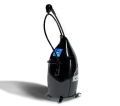
Eine Kryosauna ist eine spezielle Kältetherapiekammer, in der der Körper für eine kurze Sitzung von 1 bis 3 Minuten extrem niedrigen Temperaturen ausgesetzt wird – typischerweise zwischen −110 °C und −170 °C. Anders als bei einem Eisbad, bei dem man in kaltes Wasser eintaucht, nutzt eine Kryosauna flüssigen Stickstoffdampf oder kalte Luft, um die Umgebung um den Körper herum zu kühlen. Der Kopf bleibt über der Kammeröffnung, sodass man während der gesamten Sitzung normale Raumluft atmet.
Kryosaunen werden weltweit in professionellen Sportanlagen, Wellnesszentren, medizinischen Spas und Rehakliniken eingesetzt. In diesem Ratgeber erklären wir Ihnen genau, wie Kryosaunen funktionieren, was während einer Anwendung in Ihrem Körper passiert, welche Arten es gibt und wie Sie das passende Gerät für Ihre Bedürfnisse auswählen.
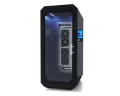
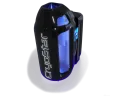
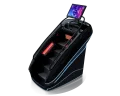
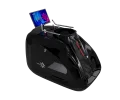
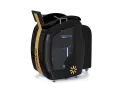
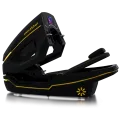
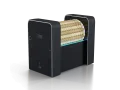
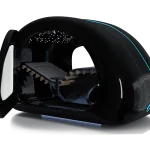
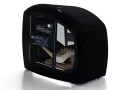
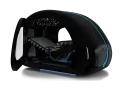
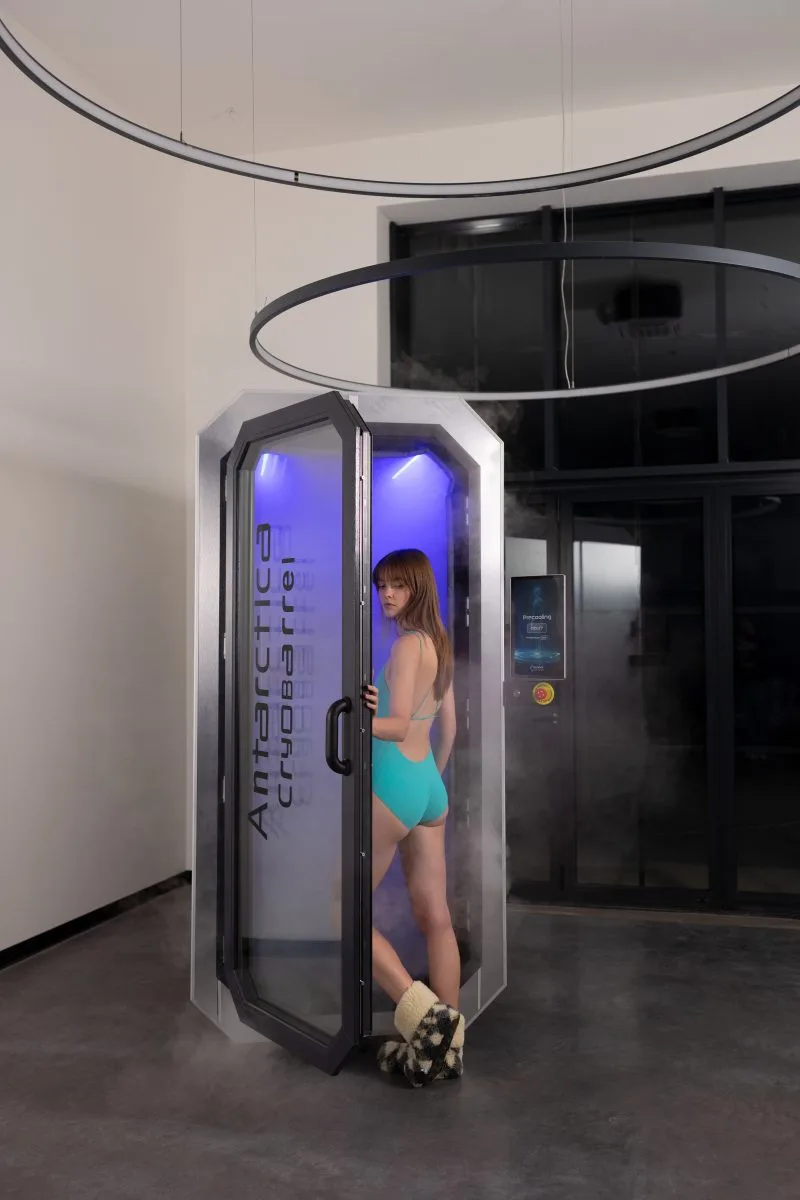
Vacuactivus Antarctica CryoBarrel – Ganzkörper-Kryotherapiekammer
Wie funktioniert eine Kryosauna?
Eine Kryosauna ist eine Einzelkammer für Kältetherapie-Sitzungen. Während einer Sitzung wird die Kammer mit extrem kalter Luft gefüllt, die entweder durch flüssigen Stickstoffdampf oder einen elektrischen Kompressor erzeugt wird und den Körper umgibt. Die Hauttemperatur sinkt innerhalb der ersten 30 Sekunden um 10–15 °C.
Dieser plötzliche Temperatursturz löst eine starke Reaktion Ihres zentralen Nervensystems aus. Ihr Körper interpretiert die extreme Kälte als Überlebenssignal und aktiviert eine Kaskade physiologischer Reaktionen: Die Blutgefäße verengen sich, das Blut wird zu den lebenswichtigen Organen umgeleitet und Ihr Körper schüttet Endorphine und entzündungshemmende Proteine aus.
Sobald die Sitzung beendet ist und Sie die Kryosauna verlassen, erwärmt sich Ihr Körper rasch wieder. Das Blut strömt zurück in Ihre Extremitäten und transportiert Sauerstoff und Nährstoffe – dies ist der Schlüsselmechanismus für die bekannten Erholungs- und Wellnessvorteile der Kryotherapie.
Wichtige Komponenten einer modernen Kryosauna
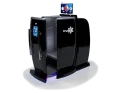
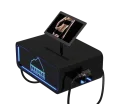
Wenn man versteht, wie eine Kryosauna funktioniert, kann man die Qualität der Geräte besser beurteilen. Hier sind die wichtigsten Komponenten, die in professionellen Geräten wie der Kryosauna zu finden sind. Vacuactivus CryoStar und Antarktis-Kryofass:
- Kühlsystem — Entweder durch Einspritzung von flüssigem Stickstoff (offene Kryosaunen) oder durch einen elektrischen Kompressor (begehbare Kammern wie das Antarctica CryoBarrel). Beide Verfahren ermöglichen eine effektive Kälteexposition in unterschiedlichen Temperaturbereichen.
- Elektrischer Lift (Stickstoffmodelle) — Hebt oder senkt den Klienten so, dass sich sein Kopf unabhängig von der Körpergröße immer oberhalb der Stickstoffdampfzone befindet.
- Sauerstoffsensor — Überwacht den Sauerstoffgehalt in Echtzeit. Unverzichtbar für die Sicherheit in stickstoffbasierten Kryosaunen.
- Doppelte Abluftanlage — Entfernt verbrauchten Stickstoffdampf aus dem Behandlungsraum. In den meisten US-Bundesstaaten und europäischen Ländern gesetzlich vorgeschrieben.
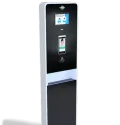
- Touchscreen-Bedienfeld — Ermöglicht es dem Bediener, Temperatur und Sitzungsdauer einzustellen und zwischen automatischen und manuellen Programmen zu wählen.
- Wärmebildkamera (Grand-Modelle) — Visualisiert die Veränderungen der Blutzirkulation und der Körpertemperatur während der Sitzung in Echtzeit.
Kryosauna vs. Eisbad: Was ist der Unterschied?
Sowohl Kryosaunen als auch Eisbäder nutzen Kälte zur Regeneration, funktionieren aber sehr unterschiedlich. Ein Eisbad kühlt den Körper durch direkten Wasserkontakt bei Temperaturen von 10–15 °C. Eine Kryosauna verwendet kalte Luft mit Temperaturen von bis zu −170 °C (Stickstoff) oder −140 °C (elektrisch). Da es sich um ein Gas und nicht um Wasser handelt, ist die Wärmeübertragung schonender für das Gewebe.
Das Ergebnis ist, dass eine dreiminütige Kryosauna-Sitzung eine vergleichbare Hauttemperaturabsenkung wie ein 15- bis 20-minütiges Eisbad bewirkt, jedoch mit deutlich weniger Beschwerden. Kryosaunan vermeiden zudem das Risiko von durch Wasser übertragenen Krankheitserregern und ermöglichen es den Kunden, bekleidet zu bleiben (Socken, Handschuhe, Unterwäsche), wodurch das Angebot auch für kommerzielle Wellness-Einrichtungen besser zugänglich wird.
Was sind die wichtigsten Arten von Kryosaunen?
Der Markt für Kryotherapie bietet verschiedene Gerätetypen an, die sich jeweils in Technologie, Anwendungsbereichen und Preisklassen unterscheiden:
1. Offene Stickstoff-Kryosaunen (Partial Body — PBC)
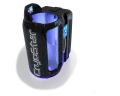
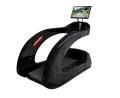
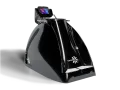
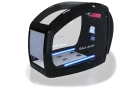
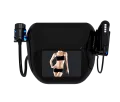
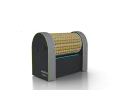
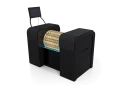
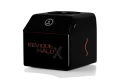
Die in den USA und Europa am häufigsten verwendete Methode. Der Klient steht in einer zylindrischen Kammer, wobei sich sein Kopf über der Öffnung befindet. Die Sitzungen dauern 1–3 Minuten bei Temperaturen zwischen −110 °C und −170 °C. Beispiel: Vacuactivus CryoStar.
2. Begehbare elektrische Kryotherapiekammern (Ganzkörper-Kryotherapie – WBC)
Vollständig geschlossene Kammern, in die der Klient vollständig eintaucht, inklusive Kopf. Kühlung durch einen elektrischen Kompressor – kein Stickstoff erforderlich. Sicherer, einfacher zu bedienen und stickstofffrei. Beispiel: Vacuactivus Antarktis Kryofass.
3. Begehbare Stickstoff-Ganzkörperkammern
Größere Räume mit Stickstoffkühlung, die der Kunde vollständig betritt. Benötigen mehr Platz und Investitionen, bieten aber die extremsten Temperaturen. Beispiel: Vacuactivus Antarktis WBC Stickstoff.
4. Lokalisierte Kryotherapiegeräte
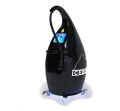
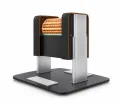
Gezielte Behandlung bestimmter Körperbereiche – Knie, Schultern, Gesicht – mit einem fokussierten Kaltluftstrom. Wird häufig in Kombination mit Ganzkörper-Kryosaunen zur gezielten Behandlung eingesetzt. Beispiel: Vacuactivus Iceberg lokale Kryomaschinen.
Was während einer Kryosauna-Sitzung passiert: Schritt für Schritt
- Vor der Sitzung — Der Patient zieht sich in leichte Kleidung um (Shorts, Socken, Handschuhe, Gehörschutz). Der Techniker überprüft den Sauerstoffsensor und die Kammertemperatur.
- 0–30 Sekunden — Kalte Luft füllt die Kammer. Die Hauttemperatur sinkt rapide. Die meisten Kunden verspüren ein intensives, aber erträgliches Kältegefühl.
- 30 Sekunden bis 2 Minuten Der Körper passt sich an. Viele Kunden berichten von einem Gefühl der Energie. Der Therapeut überwacht die Behandlung von außen.
- 2–3 Minuten — Die Sitzung ist beendet. Die Kammertür öffnet sich und der Klient tritt heraus. Die Aufwärmphase beginnt sofort.
- Nach der Sitzung — Zur Anregung der Durchblutung werden 5–10 Minuten leichte Bewegung empfohlen. Die meisten Kunden bemerken innerhalb von 30 Minuten eine Wirkung.
Ist eine Kryosauna sicher?
Bei sachgemäßer Anwendung mit zertifizierter Ausrüstung gilt die Kryotherapie in einer professionellen Kryosauna für die meisten gesunden Erwachsenen als sicher. Die wichtigsten Sicherheitsfaktoren sind:
- Ausreichende Belüftung Bei Stickstoffmodellen verdrängt der Dampf den Sauerstoff. Doppelte Abluftsysteme und Raumluft-Sauerstoffmonitore sind daher unerlässlich. Elektrische Modelle eliminieren dieses Risiko vollständig.
- Indirekte Kühltechnologie — Moderne Klimakammern nutzen kontrollierte Kältezufuhrsysteme, um einen direkten Kontakt mit extremer Kälte zu verhindern und so das Risiko von Erfrierungen zu verringern.
- Kundenprüfung — Eine Kryotherapie wird nicht empfohlen für Menschen mit bestimmten Herz-Kreislauf-Erkrankungen, Raynaud-Syndrom oder aktiven Hautwunden.
- Bedienerschulung — Die Sitzungen sollten stets von einem ausgebildeten Techniker überwacht werden.
Was kostet eine Kryosauna?
Die Preise für Kryosauna variieren stark je nach Technologie, Marke und Konfiguration. Als allgemeine Marktübersicht gilt:
- Stickstoff-Kryosaunen für Einsteiger: 5.000–5.000
- Elektrische Kühlkammern (Antarctica CryoBarrel): Mittlere Investitionskosten, niedrigere Betriebskosten – kein Stickstoff erforderlich
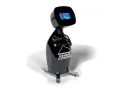
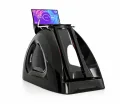
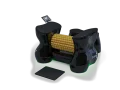
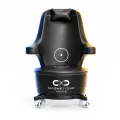
- Premiummodelle mit Wärmebildkamera (CryoStar Grand M): Höhere Investition, maximale Funktionen
- Begehbare Stickstoff-Leukozytenkammern: 0.000–00.000+
Die Betriebskosten für elektrische Kammern sind deutlich geringer – es wird keine Stickstoffzufuhr benötigt. Der durchschnittliche Verbrauch von flüssigem Stickstoff in Stickstoff-Kryosaunen pro Sitzung beträgt [Wert fehlt].
Häufig gestellte Fragen
Wie lange dauert eine Kryosauna-Sitzung?
Eine Standardsitzung dauert zwischen einer und drei Minuten. Neukunden beginnen üblicherweise mit 1,5 bis 2 Minuten. Die Sitzung kann vom Techniker individuell an die Bedürfnisse und Ziele des Kunden angepasst werden.
Wie oft sollte man eine Kryosauna nutzen?
Zur Regeneration und für das allgemeine Wohlbefinden sind 2–3 Sitzungen pro Woche ein üblicher Richtwert. Leistungssportler in intensiven Trainingsphasen können die Kryotherapie während der Belastungsphasen täglich nutzen. Die meisten Programme empfehlen einen Block von 10 Sitzungen, um die Langzeitwirkung zu beurteilen.
Hilft eine Kryosauna beim Abnehmen?
Die Kryotherapie steigert den Stoffwechsel, da der Körper versucht, sich wieder aufzuwärmen. Sie ist zwar keine alleinige Lösung zur Gewichtsreduktion, aber regelmäßige Anwendungen in Kombination mit Sport und gesunder Ernährung können die angestrebten Ziele der Körperzusammensetzung unterstützen. Viele Wellness-Kliniken bieten Kryosaunen in ihren Räumlichkeiten an. Vakuum-Infrarot-Laufbänder für ein vollständiges Gewichtsmanagement-Protokoll.
Worin besteht der Unterschied zwischen einer Kryosauna und einer Kryotherapiekammer?
Eine Kryosauna (PBC-Gerät) ist ein oben offener Zylinder, bei dem der Kopf außerhalb bleibt. Eine Kryotherapiekammer (WBC) ist ein geschlossener Raum, den man vollständig betritt. Antarktis-Kryofass ist eine moderne, begehbare elektrische Ganzkörperkühlung – kein Stickstoff, Ganzkörperbad einschließlich des Kopfes, mit atmungsaktiver kalter Luft im Inneren.
Kann ich eine Kryosauna für den Heimgebrauch kaufen?
Die meisten professionellen Kryosaunen benötigen eine Belüftungsanlage und geschultes Personal. Für optimale und sichere Ergebnisse wird stets die Verwendung professioneller Geräte in einem beaufsichtigten, gewerblichen Umfeld empfohlen.
Abschluss
Eine Kryosauna zählt zu den wirkungsvollsten Instrumenten im modernen Wellness- und Regenerationsbereich für Sportler. Vacuactivus bietet ein umfassendes Lösungsangebot – von der stickstoffbasierten Variante bis hin zur CryoStar zum elektrischen Antarktis-Kryofass — passend für jede Einrichtung, jedes Budget und jedes Geschäftsmodell.
→ Entdecken Sie die gesamte Produktpalette auf vacuactivus.com


