












עלות כיסא עיסוי: השקעה אמיתית עבור מכוני בריאות והתאוששות
כיסא עיסוי מסחרי לסטודיו בריאות או התאוששות עולה בין 1TP4300 ל-1TP400 עבור יחידת מגורים ברמת כניסה ל-1TP415,000 ומעלה עבור דגם ספא יוקרתי דגל, כאשר רמת העבודה המסחרית נעה בין 1TP45,000 ל-1TP412,000. בין עוגנים אלה נמצאות ארבע רמות פרקטיות, כל אחת מתאימה למודל שירות שונה וכל אחת מתמחרת באופק החזר שונה.
מדריך זה מכסה את העלות האמיתית של הצבת כיסא בסטודיו, לא רק את מחיר המדבקה. עלות הבעלות הכוללת כוללת הובלה, התקנה, חשמל, ביטוח, תחזוקה, הקצאת צוות ושיווק, ובדרך כלל היא מוסיפה עוד 30-50% למחיר הציוד לאורך חיי השירות של 5-7 שנים של יחידה בינונית-פרימיום. חישובי הכנסות מהפעלות, לוחות זמנים להחזר החזר ההשקעה, אפשרויות מימון וההבחנה בין מסחרי למגורים המבדילה בין שחיקה של 12 חודשים לבין חיי שירות של 5-7 שנים בעומס מסחרי, כולם מכוסים להלן, כאשר המספרים ניתנים לאימות מול תמחור שנצפה בתעשייה בשנת 2026.
חברת Vacuactivus מייצרת את כיסא העיסוי De-Stress Lounge ללא כבידה כחלק ממגוון רחב יותר של ציוד בריאות מסחרי מאז 2009 (מעל 15 שנים). זהו מדריך ייעוץ עלויות עבור מפעילי B2B, ולא דף מכירות. עוגני תמחור הכיסאות משקפים תצפיות שוק; הכלכלה של סטודיו מסוים משתנה באופן משמעותי בהתאם למיקום, קהל לקוחות, מודל תמחור וביצוע תפעולי. שום דבר כאן אינו מהווה ייעוץ רפואי או פיננסי; יש לבחון החלטות החזר השקעה ומימון עם רואה חשבון מוסמך או יועץ עסקי.
כמה עולה כיסא עיסוי? פירוט מחירים מלא לפי רמות
שוק כיסאות העיסוי המסחריים משתרע על פני ארבע רמות מחיר מעשיות, כל אחת מוגדרת לפי מבנה, סט תכונות ומחזור עבודה מדורג ולא לפי תווית רמת השיווק. כיסאות בסיסיים מדגם $300 עד $800 הם ברמה ביתית עם רטט בסיסי ושיאצו, אפס כבידה מוגבל, וללא כיסוי גוף מלא. הם כלי עבודה ביתיים לגיטימיים ונכשלים כציוד מסחרי: כיסא המדורג ל-30-60 דקות של שימוש ביתי יומי שורף את מחזור חייו ב-12-18 חודשים בעומס מסחרי של 8+ שעות. הצבת כיסא בסיסי בסטודיו היא טעות הקנייה היקרה ביותר בקטגוריה זו, ונראה שזה חיסכון עד חודש 14.
כיסאות מסחריים בינוניים במחירים $1,000 עד $3,500 כוללים גלגלות דו-ממדיות/תלת-ממדיות, טיפול בחום, אפס כבידה חלקי ובקרות מגע בסיסיות, מדורגות ל-3-5 שנים בשימוש מסחרי. הם מתאימים לסטודיואים קטנים, תוספות כירופרקטיקה ולפריסה מסחרית בנפח נמוך. כיסאות מסחריים פרימיום במחירים $5,000 עד $12,000 הם קטגוריית סוס העבודה: גלגלות 4D מלאות, אפס כבידה מלא, טיפול בחום, רפלקסולוגיה לכף הרגל וכיסוי אחריות מסחרי, מדורגות ל-5-7 שנים ב-6-10 שעות ביום. כאן מעגנים רוב אולפני הבריאות המרכזיים, מרכזי ההתאוששות והספא הוותיקים את מבחר הציוד שלהם. כיסאות דגל יוקרתיים במחירים $12,000 עד $15,000+ כוללים 4D מהשורה הראשונה, סריקת גוף בינה מלאכותית, חומרים ברמת ספא ואחריות מורחבת, מדורגת ל-7-10 שנים עם שירות נאות. הם מתאימים למיקום ספא יוקרתי, לשווקים עירוניים יוקרתיים ותמחור טיפולי טיפולים עם שולי רווח גבוהים, שבהם הכיסא עצמו הוא חלק מסיפור השירות.
| נִדבָּך | טווח מחירים (דולר ארה"ב) | תכונות עיקריות | הטוב ביותר עבור | עֲמִידוּת |
|---|---|---|---|---|
| ברמת כניסה (ברמת מגורים) | $300 – $800 | רטט בסיסי + שיאצו, אפס כבידה מוגבל, ללא כיסוי גוף מלא | שימוש ביתי, 30-60 דקות מדי יום; לא מומלץ לפריסה מסחרית | 1-3 שנים בשימוש ביתי, 12-18 חודשים בשימוש מסחרי 8+ שעות ביום |
| טווח ביניים (צרכן מקצועי) | $1,000 – $3,500 | גלילים דו-ממדיים/תלת-ממדיים, טיפול בחום, אפס כבידה חלקי, בקרות מגע בסיסיות | סטודיואים קטנים, תוספת כירופרקטיקה, פרסומת בנפח נמוך | 3-5 שנים בשימוש מסחרי |
| פרימיום (בדרגה מסחרית) | $5,000 – $12,000 | גלילים מלאים 4D, אפס כוח משיכה מלא, טיפול בחום, רפלקסולוגיה לכף הרגל, אחריות מסחרית | אולפני התאוששות מיינסטרים, מרכזי בריאות, ספא מבוסס | 5-7 שנים בשימוש מסחרי של 6-10 שעות ביום |
| יוקרה (פרסומת דגל) | $12,000 – $15,000+ | 4D מהשורה הראשונה, סריקת גוף AI, חומרים ברמת ספא, אחריות מורחבת, בנייה ברמת דגל | מיקום ספא יוקרתי, שווקים עירוניים פרימיום, תמחור גבוה של טיפולי ספא | 7-10 שנים בשימוש מסחרי עם תחזוקה נאותה |
כיסאות עיסוי מסחריים לעומת כיסאות עיסוי למגורים: מה ההבדל?
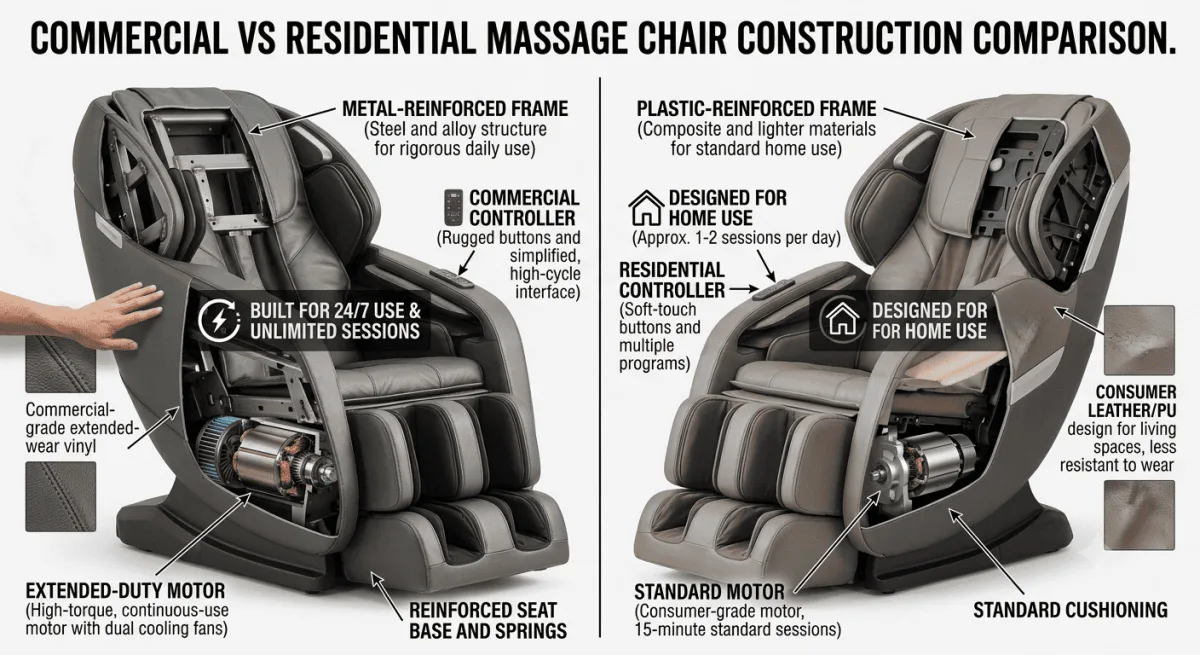
ההבדל המשמעותי ביותר בקטגוריה זו אינו המותג או רשימת המאפיינים, אלא מחזור העבודה - כמה שעות הכיסא מדורגות לפעול ללא בלאי. כיסא ביתי מיועד ל-30-60 דקות של שימוש יומיומי בהקשר ביתי. כיסא מסחרי מיועד ל-6-10 שעות של שימוש יומי רציף, 8-12 מפגשים ביום. ההבדל מתבטא במבנה של מסגרת פלדה מחוזקת לעומת מארז פלסטיק, מנועים אטומים המדורגים לפעולה רציפה לעומת מנועים לשימוש לסירוגין ביתי, וריפודים מסחריים שתוכננו לשרוד מחזורי ניקוי יומיומיים לעומת בד רגיל.
הפרמיה המסחרית קיימת מסיבה אמיתית: הצבת כיסא מגורים בחדר מסחרי שורפת את מחזור החיים שלו ב-12-18 חודשים במקום 5-7 שנים שיחידה מסחרית מספקת תחת אותו עומס, ועלות התיקון, פער האחריות וההחלפה על פני אורך חיים מקוצר זה עולה על הכסף שנחסך ברכישה. ישנה גם עלות הצבה שלא מופיעה בגיליון המפרט: כיסא מגורים $500 בסטודיו בריאות $60 טיפולים מוריד את תמחור החדר כולו, מכיוון שלקוח שמשלם מחירי פרימיום מבחין בציוד שנראה ביתי. הכיסא הוא חלק מסיפור השירות, ורמת הכיסא מספרת את הסיפור הזה ללא קשר לביצועיו באותו היום.
הכנסות מסשן: כמה באמת יכול להרוויח כיסא עיסוי?
תמחור טיפול בכיסא בשווקי הבריאות בארה"ב בשנת 2026 נע בדרך כלל בין $15-$25 לטיפול סטנדרטי ללא טיפול, $35-$65 לטיפול בספא או בסטודיו להתאוששות ברמה בינונית, ו-$65-$100 לטיפול יוקרתי בספא בשווקים עירוניים יוקרתיים. אורך הטיפול הוא 15-30 דקות ברמות השונות, והתמחור תלוי בנוף התחרותי המקומי (כירופרקטיקה סמוכה, מטפלי עיסוי ושירותי התאוששות אחרים) ולא בעלות הציוד.
חבילות של 10 יחידות נמכרות בדרך כלל בהנחה של 15-20% בהשוואה למחיר של מפגש בודד, וחברות חודשית ללא הגבלה נעה בין $79 ל-$149, כאשר $99-$129 הוא הרמה הנפוצה ביותר בנתוני השוק בארה"ב מאמצע 2026. תמהיל הכנסות עתיר חברות הוא זה שדוחס את החזר ההשקעה ומייצב את תזרים המזומנים לעומת הכנסות תנודתיות מפגישות בודדות ללא תשלום: כיסא שהוזמן 12 פעמים ביום במחיר של $25 לפגישה (ניצול של 60% בקיבולת חודשית של 200 מפגשים) מניב כ-$3,000 לחודש; הוספת בסיס חברים של 30 חברים במחיר של $99 לחודש מוסיפה עוד $3,000 בהכנסות חוזרות. שאלת התמחור עבור מפעיל ספציפי אינה הטווח הארצי אלא העוגן המקומי, ועוגן זה קובע את התקרה על מה שכל שכבת כיסא יכולה להרוויח ללא קשר למספר התכונות. לקבלת ההקשר הרחב יותר של מנגנון אפס הכבידה התומך בתמחור פרימיום ברמה הגבוהה ביותר, ראו Zero Gravity Massage Chair: How Reclined Position Triples Recovery, אשר הולך לפי הפיזיולוגיה שמעגנת את תמחור סשנים יוקרתיים.
מתמטיקה להשקעה: מספרים ממשיים לפי רמת יו"ר
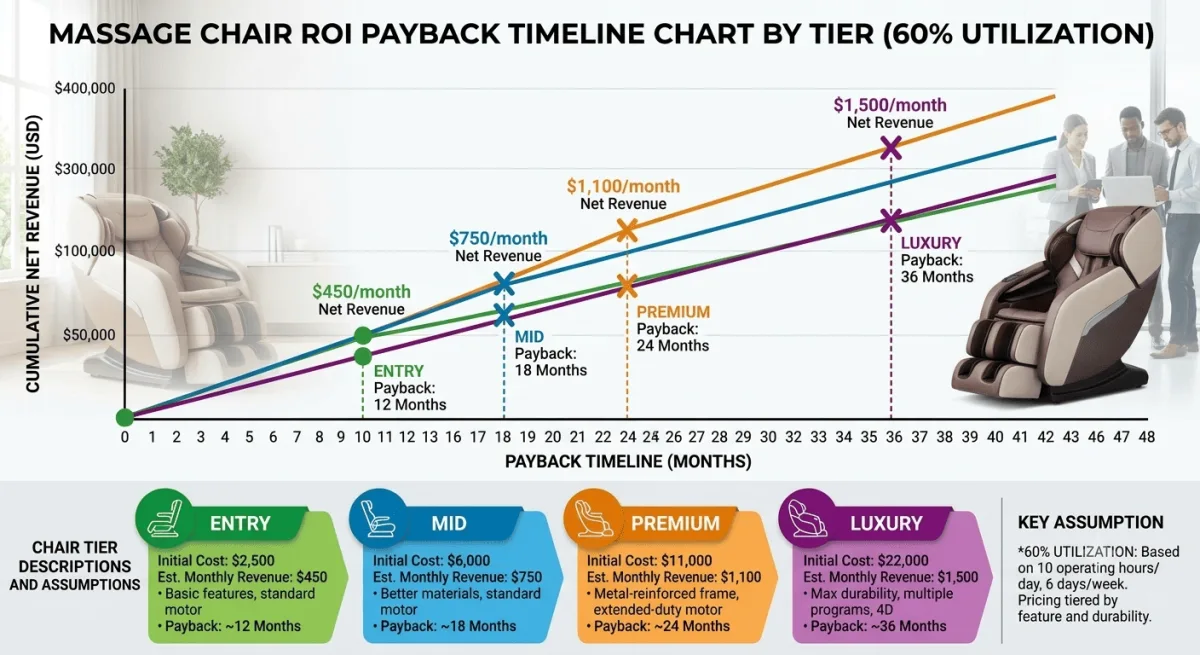
לוחות הזמנים האמיתיים של החזר כספי תלויים במחיר הרמה, תמחור הפגישות והניצול, והחישוב עובד בצורה שקופה. כיסא רגיל בינוני לצרכן $2,000 במחיר של $25 לפגישה וניצול של 60% (כ-120 פגישות/חודש על פני 20 ימי פעילות עם 10 פגישות/יום) מניב $3,000 לחודש; תרומה נטו לאחר עלויות תפעול (חשמל, הקצאת צוות, תחזוקה) של כ-$1,000-$1,200 נוחתת על $1,800-$2,000 לחודש, מה שנותן החזר כספי תוך כחודשיים בתרחיש זה. כיסא מסחרי פרימיום $8,000 במחיר של $45 לפגישה וניצול של 60% עם שולי תפעול גבוהים יותר מניב $5,400 לחודש. תרומה נטו של כ-1TP43,500-1TP44,000 נותנת החזר תוך כ-4-5 חודשים.
כיסא דגל יוקרתי בגודל $15,000 במחיר של $80 לסשן וניצול של 55% מניב $8,800 לחודש; נטו כ-$5,500-$6,500 נותן החזר תוך כ-8-9 חודשים. ניצול גבוה יותר (75%+) או תמחור חברות שמעלים את ההכנסה הממוצעת האפקטיבית לסשן מצמצם כל חלון ב-20-40%. ניצול נמוך יותר (40% ומטה) או הנחות אגרסיביות מותחות את ההחזר ב-40-60%. טווח ה-2-9 חודשים נמצא בטווח של מה שרוב המפעילים רואים ברמות שונות בניצול של 60%; סטודיו עם ניצול מתחת ל-40% צריך לדגמן את ההחזר קרוב יותר ל-6-15 חודשים, תלוי ברמה ובתקציב בהתאם. דגמנו את המספרים של הסטודיו הספציפי לפני הקצאת הון במקום להניח שמדמי התעשייה חלים ישירות. להשוואה של שוק כיסאות העיסוי המסחריים המלא עם אפשרויות קנייה לפי דגם, עיינו ב"כיסאות עיסוי למכירה: דגמים מסחריים לספא ומכוני התאוששות", אשר מפרט את שוק הדגמים לפי רמות.
עלות הבעלות הכוללת: מה שאתם משלמים בפועל מעבר למחיר המדבקה
מחיר מדבקת הציוד הוא העלות הגדולה ביותר אך לא העלות הכוללת, וההבדל חשוב עבור מפעילים שמשווים אפשרויות בכנות. עלות הבעלות הכוללת על פני חיי שירות של 5 שנים עבור כיסא בינוני-פרימיום מתפרצת בדרך כלל כך: מחיר מדבקת ציוד בערך 55% של עלות כוללת של רכישת ציוד, הובלה והתקנה 5%, חשמל 5%, ביטוח 5%, תחזוקה וחומרים מתכלים 10%, הקצאת צוות 15%, שיווק 5%. זה מסתכם בעלות כוללת של בערך פי 1.6-1.8 ממחיר רכישת הציוד על פני 5 שנים עבור פעילות מנוהלת היטב.
המספרים החודשיים הקונקרטיים עבור יחידת פרימיום $8,000 נראים כך: חשמל $30-$80/חודש בהתאם לניצול (הכיסאות צורכים 200-400W במהלך הפעולה, צריכה מינימלית במצב סרק), ביטוח לציוד בתוספת כיסוי אחריות $50-$150/חודש, תחזוקה והחלפה של כיסויי ריפוד וחלקים קטנים $60-$120/חודש בממוצע לאורך חיי השירות, חומרי ניקוי $20-$40/חודש, הקצאת צוות לדלפק הקבלה בתוספת תחלופה מתוזמנת $500-$1,000/חודש בהתאם למודל כוח האדם, הוצאות שיווק עבור הכיסא כקו שירות $100-$400/חודש בהתאם לתמהיל הערוצים. עלות התפעול החוזרת הכוללת נופלת על כ-1,760-1,790 דולר לחודש עבור מערכת של כיסא יחיד - טווח שיש למדל לפני הרכישה ולא לגלות אותו בחודש הרביעי, כאשר בסיס החברים טרם גדל.
אפשרויות מימון: כיצד לקנות כיסא עיסוי מסחרי
עבור כיסא בטווח המחירים של $2,000-$15,000, החלטות מימון מסתכמות בשימור מזומנים לעומת עלות הריבית הכוללת, והאפשרויות המעשיות מתחלקות בצורה חלקה. רכישה במזומן מעניקה בעלות מלאה באופן מיידי ללא תשלום ריבית, אך קושרת הון שיכול היה לתמוך בשיווק, מלאי או הון חוזר במהלך תקופת הצמיחה. ליסינג של ציוד במחיר של $200-$500 לחודש על פני 36-60 חודשים שומר על מזומנים והתשלום החודשי הוא בדרך כלל הוצאה תפעולית ניתנת לניכוי; העלות הכוללת במהלך תקופת החכירה עולה על רכישת המזומן ב-15-30% בהתאם לתנאים, ואפשרויות סוף החכירה משתנות (החזרה, חידוש או רכישה במחיר הנותרת). הלוואות SBA והלוואות ציוד מסורתיות מציעות תקופות של 5-7 שנים בריביות מתונות עם שמירה על הבעלות; אלה מתאימות למפעילים המעוניינים בעלות ללא הוצאה מזומנים מיידית.
מימון יצרן הוא לרוב האפשרות התחרותית ביותר בהזמנות מרובות יחידות או ברכישות בקנה מידה גדול של מתקן המשלב כיסא וציוד נלווה (קריותרפיה, אור אדום, שיטות התאוששות אחרות). עבור מפעילים המתכננים בניית מתקן עם קווי ציוד מרובים, מימון של ציוד מסחרי ותא קריותרפיה של Vacuactivus מכסה את מסגרת הליסינג הרב-מודאלי. בכל אפשרות שתבחרו, יש לוודא את אותם המפרטים: מחזור העבודה המדורג לפי הפעילויות הצפויות שלכם ליום, תנאי האחריות, כולל האם השימוש המסחרי מכוסה ולא נכלל (אחריות הצרכן בטלה ברגע שלקוח משלם משתמש בכיסא), והדרכת מפעיל הכלולה במשלוח. ליסינג שנועל אתכם לכיסא עם מחזור עבודה שגוי אינו חיסכון; מחיר רכישה מעט גבוה יותר על יחידה מסחרית מדורגת כראוי בדרך כלל עולה על כך לאורך חיי השירות.
מתי כדאי לרכוש כיסא עיסוי מסחרי בסטודיואים של Wellness?
המקרה החזק ביותר להשקעה בכיסא הוא סטודיו עם בסיס חברים קיים ושירותי התאוששות סמוכים, שבהם הכיסא מוסיף שורת תפריט מבלי לדרוש רכישה עצמאית. מרפאות כירופרקטיקה המוסיפות כיסא בדרך כלל מגדילות את ההכנסה הממוצעת לביקור ב-$20-$50 באמצעות השירות הנוסף. סטודיואי התאוששות משתמשים בו כתחנת התאוששות והרפיה בין שיטות טיפול אחרות. מרכזי בריאות ממקמים אותו ברמת חברות משודרגת. מפעילי כושר בוטיק מוסיפים אותו כשירות התאוששות לאחר אימון שממלא את החסר לאחר האימון. מרפאות ספא משתמשות בו כשירות אמביטורי הניתן בעוד טיפולים אחרים מתנהלים בחדרים סמוכים.
היכן שכיסא מתאים פחות טוב: מיקום עצמאי בעל נפח עבודה גבוה, שבו שטח הרצפה היה מרוויח יותר כחדר טיפולים עם מטפל מאשר כעמדת כיסא; שוק ללא תשתית קיימת לביקוש בריאות ממנה ניתן לשאוב; מפעיל שאינו מוכן להסביר את ההבדל בין כיסא ביתי מדגם $500 לכיסא מסחרי מדגם $8,000, מכיוון שלקוחות ישימו לב לחוסר התאמה במיקום. יש לוודא את ההתאמה עם קהל הלקוחות הספציפי לפני חתימה על הזמנת הרכש - שאלו אותם כמה הם היו משלמים עבור טיפול בכיסא ברמה המיועדת שלכם לפני רכישה ברמה זו. הכיסא הוא כלי שירות; מודל השירות קובע האם הרמה שווה את המחיר.
טרקלין Vacuactivus De-Stress: השקעה בכיסא עיסוי ללא כוח משיכה
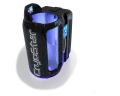
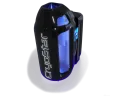
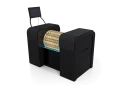
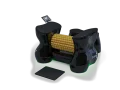
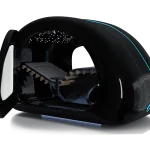
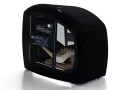
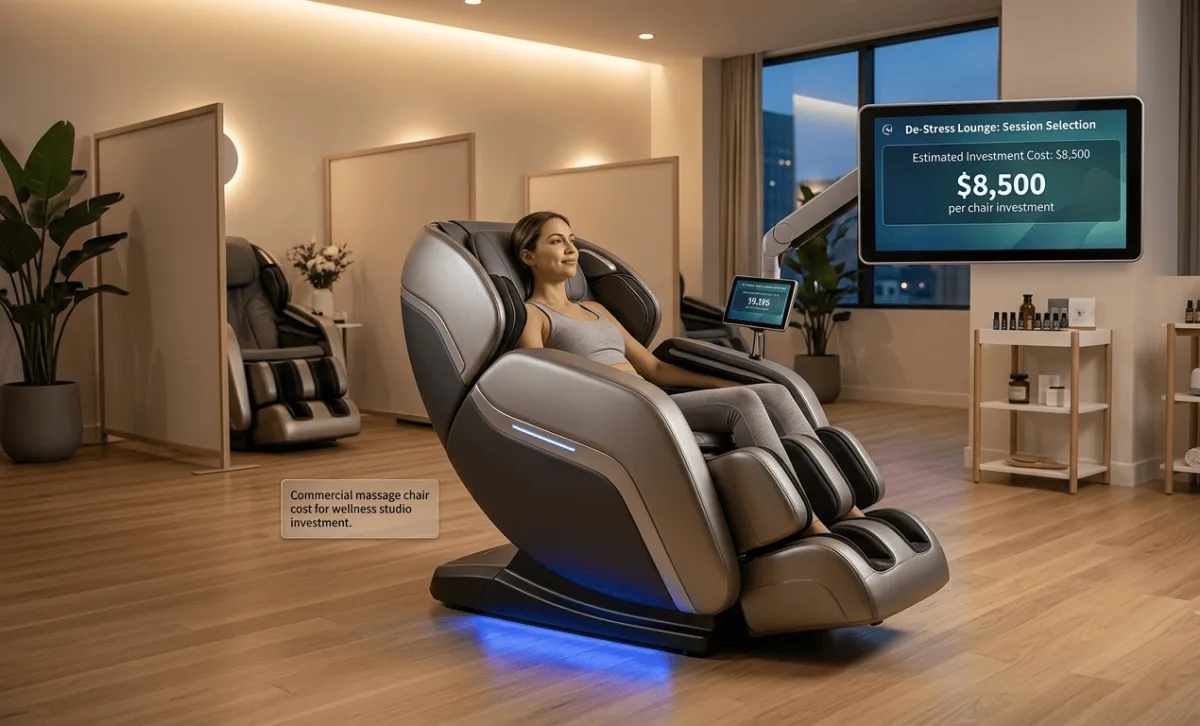
חברת Vacuactivus מייצרת את כיסא ה-De-Stress Lounge ככיסא עיסוי מסחרי ללא כוח משיכה, הממוקם ברמת היוקרה המסחרית עבור מרכזי בריאות, אולפני התאוששות וספא רפואי, וממוקם במיקום שירות ייחודי. הוא בנוי על אותם עקרונות בנייה המתוארים בסעיף מסחרי לעומת מגורים: מסגרת פלדה מחוזקת, מנועים אטומים המדורגים לשימוש מסחרי רציף, ריפוד ברמה מסחרית המיועד למחזורי ניקוי, וכיסוי אחריות הכולל פריסה מסחרית ולא לאי הכללה. מפרט מלא, תמחור עדכני ואפשרויות תצורה נמצאים בדף. כיסא עיסוי ללא כוח משיכה De-Stress Lounge דף המוצר, עם הדף הרחב יותר קטגוריית ציוד לפתיחת מתחים כיסוי תצורות קשורות ומוצרים סמוכים.
לסקירה מעמיקה של מודל השירות של מרכז הבריאות, המכסה את האופן שבו כיסא אפס הכבידה משתלב לצד ציוד התאוששות סמוך בתפריט מלא של המתקן, עיינו בכיסא עיסוי אפס הכבידה למרכזי בריאות של De-Stress Lounge, אשר מוביל את שילוב המתקן. תמחור Vacuactivus אינו מתפרסם כמספר מצוטט יחיד - הוא משתנה בהתאם לתצורה, לכמות ולפרטי האספקה - ויש לבקש הצעות מחיר עדכניות ישירות. יש ליישם את אותה רשימת בדיקה למפרט שתוארה לעיל עבורנו, כפי שהייתם מיישמים עבור כל ספק: בקשו את מחזור העבודה בכתב, ודאו את כיסוי האחריות לשימוש מסחרי, אשרו את הכללת הדרכת המפעילים ובקשו נתוני הובלה והתקנה עדכניים עבור מיקומכם. יצרן הבוטח בציוד יספק אותם בכתב לפי בקשה.
שאלות נפוצות
שאלה 1. כמה עולה כיסא עיסוי מסחרי בשנת 2026?
כיסאות עיסוי מסחריים משתרעים על פני ארבע שכבות פרקטיות בשווקי הבריאות בארה"ב בשנת 2026: $300-$800 ברמה בסיסית (לשימוש מגורים, לא מומלץ לעסקים), $1,000-$3,500 ברמה בינונית-יוצ'רמית (סטודיואים קטנים, מסחרי בנפח נמוך), $5,000-$12,000 ברמה מסחרית פרימיום (סטודיואי בריאות ומרכזי התאוששות מיינסטרים - שכבת סוס העבודה), וכיסא הדגל היוקרתי $12,000-$15,000+ (מיקום ספא פרימיום עם סריקת גוף מבוססת בינה מלאכותית ואחריות מורחבת). מה שמקדם כיסא במעלה הסולם הוא בטון: מבנה מסגרת מחוזק, מנועים אטומים המדורגים לשימוש מסחרי רציף, מערכות גלילים 4D מלאות, כיסוי אחריות מסחרי ומחזור עבודה המדורג ל-6-10 שעות שימוש יומי. יש לוודא את התמחור הנוכחי ישירות עם הספקים מכיוון שמחירי הציוד משתנים רבעוניים, ולתקצב מעבר למדבקה עבור תוספות הובלה, התקנה ועלות בעלות כוללת.
שאלה 2. מהו כיסא העיסוי המסחרי הטוב והזול ביותר?
הכיסא הזול ביותר ששורד באופן חוקי פריסה מסחרית הוא יחידה בינונית-ירוקה במחירים $1,000-$3,500 עם דירוג שימוש מסחרי של 3-5 שנים. כיסאות בסיסיים מדגם $300-$800 לגיטימיים לשימוש ביתי אך נכשלים כציוד מסחרי - הם מדורגים ל-30-60 דקות ביום ושורפים את מחזור החיים שלהם תוך 12-18 חודשים ב-8+ שעות של עומס מסחרי. זוהי טעות הקנייה היקרה ביותר בקטגוריה זו, מכיוון שהחיסכון הראשוני ב-$500 מתבזבז על ידי החלפה של 14 חודשים בתוספת פערים באחריות. אם ההון מוגבל באמת, קניית כיסא מסחרי משומש פרימיום במחירים $3,000-$5,000 בדרך כלל עולה על קניית כיסא בסיסי חדש באותו מחיר - יחידת הפרימיום המשומשת שומרת על מחזור העבודה המסחרי ואיכות הבנייה, בעוד שהיחידה הבסיסית החדשה לא.
שאלה 3. כמה סטודיו בריאות יכול לגבות עבור טיפול עיסוי בכיסא?
תמחור טיפולים בשווקי הבריאות בארה"ב לשנת 2026 נע בדרך כלל בין $15-$25 לטיפול ללא תור סטנדרטי, $35-$65 לטיפול ספא או סטודיו להתאוששות ברמה בינונית, ו-$65-$100 לטיפול ספא יוקרתי בשווקים עירוניים יוקרתיים. אורך הטיפולים הוא 15-30 דקות ברמות השונות. חבילות של 10 טיפולים נמכרות בהנחה של 15-20% ממחיר טיפול בודד, ומנויים חודשיים ללא הגבלה עולים בין $79-$149, כאשר $99-$129 הוא הרמה הנפוצה ביותר בנתוני השוק בארה"ב של אמצע 2026. המחיר הנכון עבור מפעיל ספציפי הוא המחיר המקומי - מה שגובים שירותי כירופרקטיקה, עיסוי ושירותי התאוששות אחרים הקרובים ביותר - ולא הטווח הארצי. התאם את תמחור הפגישה שלך לרמת הכיסא שלך: כיסא פרימיום $60 לפגישה דורש מיקום כיסא פרימיום, וכיסא מגורים $500 ברמת פגישה $60 פוגע במחירים שבהם תלוי החדר כולו.
שאלה 4. כמה זמן לוקח להשגת החזר השקעה (ROI) על כיסא עיסוי מסחרי?
לוחות הזמנים של ההחזר תלויים במחיר הרמה, תמחור הפגישות והניצול. כיסא $2,000 לצרכן בינוני במחיר $2,000 לפגישה וניצול 60% מחזיר את ההחזר תוך כחודשיים. כיסא מסחרי פרימיום $8,000 במחיר $45 לפגישה וניצול 60% מחזיר את ההחזר תוך כ-4-5 חודשים. כיסא דגל יוקרתי $15,000 במחיר $80 לפגישה וניצול 55% מחזיר את ההחזר תוך כ-8-9 חודשים. ניצול גבוה יותר (75%+) או תמחור חברות שמעלים את ההכנסה האפקטיבית לפגישה מצמצם כל חלון ב-20-40%. ניצול מתחת ל-40% או הנחות אגרסיביות מותח את ההחזר ב-40-60%. הטווח של 2-9 חודשים מכסה את מה שרוב המפעילים רואים ברמות שונות בניצול 60%; אולפן ניצול sub-40% צריך לדגמן החזר קרוב יותר ל-6-15 חודשים, תלוי ברמה.
שאלה 5. האם ניתן לממן כיסא עיסוי מסחרי?
כן, עם מספר אפשרויות מעשיות. רכישה במזומן מעניקה בעלות מלאה באופן מיידי ללא תשלום ריבית, אך קושרת הון. ליסינג של ציוד במחיר של $200-$500 לחודש על פני 36-60 חודשים שומר על מזומנים והתשלומים החודשיים הם בדרך כלל הוצאות תפעול מוכרות; העלות הכוללת עולה על רכישת המזומן ב-15-30% בהתאם לתנאים. הלוואות SBA והלוואות ציוד מסורתיות מציעות תקופות של 5-7 שנים בריביות מתונות עם שמירה על הבעלות. מימון יצרן הוא לרוב התחרותי ביותר בהזמנות מרובות יחידות או רכישות בקנה מידה של מתקן המשלבות כיסא וציוד סמוך. בכל אפשרות שתבחרו, ודאו את אותם מפרטים: מחזור עבודה המדורג לפגישות היומיות הצפויות שלכם, תנאי אחריות הכוללים כיסוי לשימוש מסחרי (אחריות הצרכן בטלה ברגע שלקוח משלם משתמש בכיסא), והכללת הדרכת מפעילים. ליסינג שנועל אתכם לכיסא עם מחזור עבודה שגוי אינו חיסכון.
שאלה 6. מה ההבדל בין כיסאות עיסוי מסחריים לכיסאות עיסוי פרטיים?
ההבדל המשמעותי ביותר הוא מחזור העבודה - כמה שעות הכיסא מותרות לפעול מבלי להתבלות. כיסאות למגורים מיועדים ל-30-60 דקות של שימוש ביתי מדי יום. כיסאות מסחריים מיועדים ל-6-10 שעות של שימוש יומי רציף, 8-12 מפגשים ביום. ההבדל מתבטא במסגרת פלדה מחוזקת לעומת מארז פלסטיק, מנועים אטומים לפעולה רציפה לעומת מנועים למגורים לשימוש לסירוגין, וריפודים מסחריים המיועדים למחזורי ניקוי יומיים לעומת בד ניקוי. הצבת כיסא למגורים בחדר מסחרי שורפת את מחזור החיים שלו ב-12-18 חודשים במקום 5-7 שנים שיחידה מסחרית מספקת תחת אותו עומס. ישנה גם עלות הצבה: כיסא למגורים מדגם $500 בסטודיו בריאות $60 מפגשים פוגע בתמחור שכל החדר תלוי בו, מכיוון שלקוחות המשלמים מחירים פרימיום שמים לב לציוד שנראה ביתי.
שאלה 7. כמה עולה לתחזק כיסא עיסוי מסחרי בשנה?
תחזוקה שנתית של כיסא ברמה מסחרית עולה בדרך כלל $700-$1,500 דולר, כולל כיסויי ריפוד חלופיים, חלקים קטנים, חומרי ניקוי ושירותים מקצועיים תקופתיים. חשמל מוסיף $360-$960 דולר לשנה, בהתאם לשימוש (כיסאות צורכים 200-400 וואט במהלך הפעולה עם צריכת חשמל מינימלית במצב סרק). ביטוח לציוד בתוספת כיסוי אחריות מוסיף בדרך כלל $600-$1,800 דולר לשנה. אחריות מורחבת לכיסוי מסחרי מוסיפה $200-$600 דולר לשנה, בהתאם לרמת הכיסוי ולרמת הכיסוי. העלות החוזרת הכוללת שאינה קשורה לציוד נופלת על כ-$1,860-$4,860 דולר לשנה עבור כיסא בודד. במשך 5 שנות חיי שירות, זה מוסיף בערך 25-40% למחיר רכישת הציוד - משמעותי לתכנון עלות כוללת (TCO) ומשהו שכדאי למדל בכנות לפני הרכישה במקום לגלות בחודש הרביעי.
שאלה 8. האם כיסא עיסוי הוא השקעה טובה עבור סטודיו בריאות?
עבור העסק הנכון, כן, והטענה היא להוסיף שורת תפריט לתשתית שירות קיימת במקום להשיק כיסא עצמאי. מרפאות כירופרקטיקה, אולפני התאוששות, מרכזי בריאות, פעילויות כושר בוטיק וספא רפואי עם בסיסי לקוחות קיימים ושירותי התאוששות סמוכים בדרך כלל רואים את הכיסא מחזיר את ההשקעה תוך 2-9 חודשים במחירים מסחריים וניצול 60%. זה עובד פחות טוב עבור מיקום עצמאי בנפח גבוה שבו שטח רצפה ירוויח יותר כחדר טיפולים עם מטפלים, עבור שווקים ללא תשתית ביקוש קיימת לבריאות, ועבור מפעילים שאינם מוכנים להשקיע בכיסא מסחרי (כיסא ביתי נשרף תוך 12-18 חודשים ומיקומו פוגע במחירים הגבוהים). בדקו את המספרים על קהל הלקוחות הספציפי שהכיסא ימיר במקום להניח שתקנים בתעשייה חלים, וודאו שהרמה הספציפית מתאימה למודל השירות הספציפי לפני ביצוע השקעות.
סיכום
כיסאות עיסוי מסחריים משתרעים על פני ארבע שכבות פרקטיות – $300-$800 בסיסי, $1,000-$3,500 בסיסי לצרכן בינוני, $5,000-$12,000 בסיסי מסחרי פרימיום, וכיסאות דגל יוקרתיים $12,000-$15,000+ – ומה שסטודיו רוכש קובע סביב איזה שירות הוא יכול לבנות את החדר. כיסאות בסיסיים הם כלי עבודה ביתיים לגיטימיים שנכשלים כציוד מסחרי (12-18 חודשים ב-8+ שעות ביום לעומת 5-7 שנים עבור כיסאות מסחריים תחת אותו עומס); כיסאות בינוניים מתאימים לסטודיואים קטנים ולמסחריים בנפח נמוך; כיסאות פרימיום מעגנים סטודיואי בריאות ומרכזי התאוששות מיינסטרים; כיסאות יוקרה תומכים במיקום ספא פרימיום שבו הכיסא עצמו הוא חלק מסיפור השירות. מחזור העבודה הוא המפרט שמבדיל בין יחידה ביתית מדגם $500 ליחידה מסחרית מדגם $8,000, והתאמת סוג הכיסא לנפח ולמחיר החדר היא החלטת הקנייה החשובה ביותר.
חישוב החזר ההשקעה (ROI) עובד בצורה שקופה: חודשיים לטווח בינוני בניצול של $25/session/60%, 4-5 חודשים לפרימיום בניצול של $45/session/60%, 8-9 חודשים ללוקסוס בניצול של $80/session/55%, כאשר ניצול גבוה יותר או תמחור חברות דוחס כל חלון וניצול נמוך יותר או הנחות אגרסיביות מותחות אותו. TCO מוסיפה עוד 30-50% במשך 5 שנים מעל מחיר המותג עבור חשמל, ביטוח, תחזוקה, צוות ושיווק. אפשרויות המימון מתחלקות למימון במזומן, ליסינג, הלוואת SBA ומימון יצרן, לכל אחד פרופילי תזרים מזומנים ועלות כוללת שונים. יש לאמת בכתב את מחזור העבודה, כיסוי האחריות המסחרי והדרכת המפעיל לפני החתימה, ולהחיל את רשימת הבדיקה על כל ספק כולל אותנו.


