



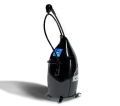

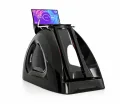
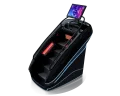
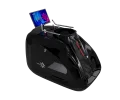
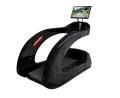
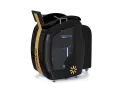
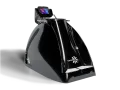







קריותרפיה לירידה במשקל: כיצד קור מפעיל שומן חום (מבט אמיתי)
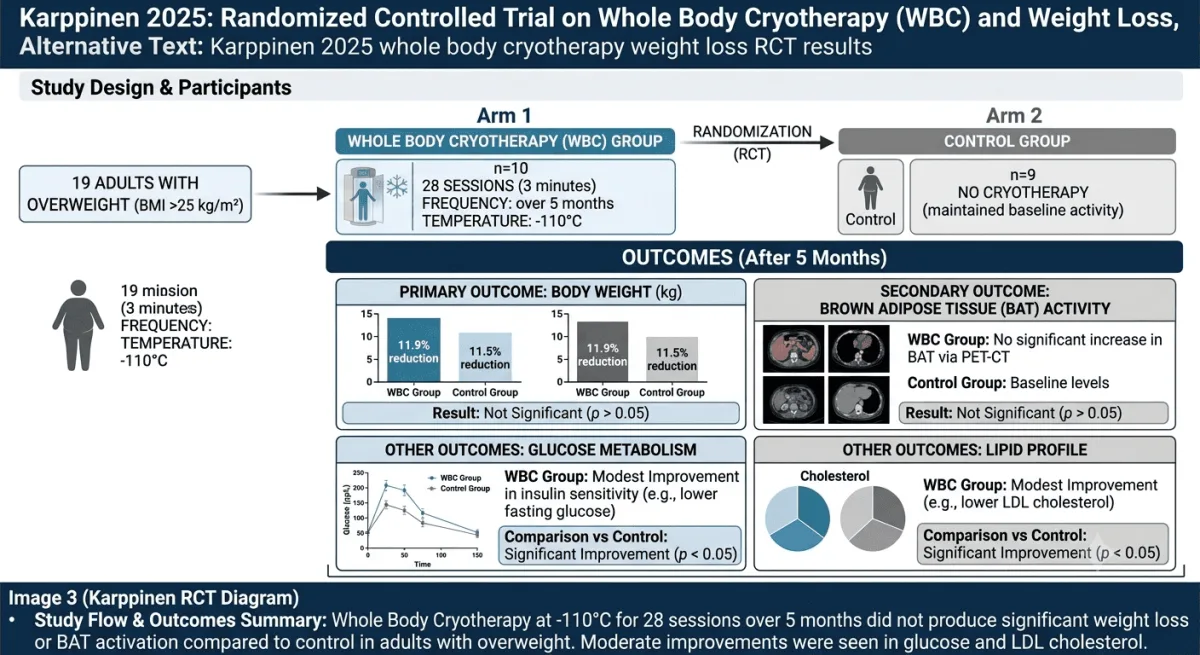
האם קריותרפיה עובדת לירידה במשקל? התשובה הקצרה: לא, לפחות לא באופן שבו התעשייה משווקת אותה. ניסוי הקריותרפיה האקראי והמבוקר של Karppinen משנת 2025 (Obesity, Wiley, יוני 2025) עקב אחר 19 מבוגרים עם השמנת יתר באמצעות 28 מפגשי קריותרפיה לכל הגוף בני 3 דקות בטמפרטורה של -110 מעלות צלזיוס במשך 5 חודשים, כאשר שתי הקבוצות היו תחת הגבלת קלוריות. קבוצת תאי ה-WBC איבדה 11.9% ממשקל הגוף; קבוצת הביקורת איבדה 11.5%. קריותרפיה לא הוסיפה ירידה מדידה במשקל מעבר לתזונה.
המנגנון המשווק כמניע לטענה זו - הפעלת רקמת שומן חומה (BAT) ותרמוגנזה ללא רעד - הוא אמיתי אך צנוע. מחקרים פיזיולוגיים של Van der Lans 2013 (Journal of Clinical Investigation) ו-Yoneshiro 2013 (JCI) תיעדו גיוס BAT הנגרם מקור, התורם לכ-90 עד 190 קלוריות ליום לאחר שבועות של חשיפה עקבית לקור. צריכת רקמת שומן חומה אחת של 2-4 דקות אינה יכולה לספק באופן סביר את 500 עד 1,500 קלוריות כפי שטוענים שיווק בסטודיו, וסקירת המועצה האמריקאית למדע ובריאות (ACSH) מפברואר 2026 (כפי שדווח) איחרה את הנתון '800 קלוריות לפגישה' לשיווק בסטודיו ללא מקור ולא לכל מדידה שנבדקה על ידי עמיתים.
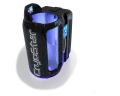
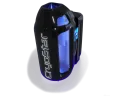
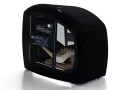
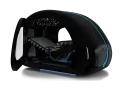
אנו מייצרים תאי קריותרפיה, ומאמר זה מסכם את מה שהמחקר שעבר ביקורת עמיתים מתעד בפועל בנוגע לטענות לירידה במשקל. זה כולל הכרה במקומות שבהם התעשייה שלנו חורגת מהמגמה. לקריותרפיה יש יתרונות אמיתיים (החלמה, הפחתת דלקת מערכתית, תמיכה במצב הרוח, שיפורים צנועים בגלוקוז ובליפידים לפי Karppinen 2025), אך ירידה בת קיימא במשקל אינה אחת מהן. התייעצו עם גורם רפואי מוסמך לניהול משקל, והתייחסו לכל טענה של קלוריות בקריותרפיה מעל 200 קלוריות לטיפול כשיווק עד שמחקר קליני אקראי יתפרסם למדוד אותה.
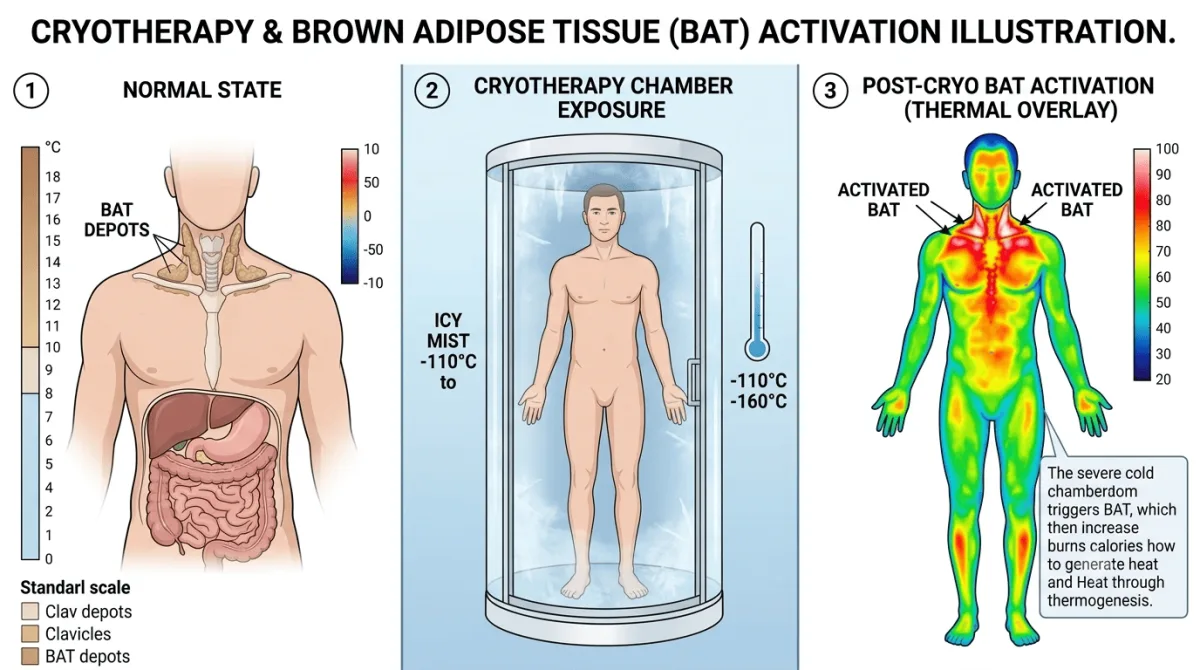
מה קריותרפיה באמת עושה לגוף שלך (2-4 דקות ב-110- מעלות צלזיוס)
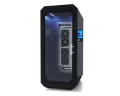
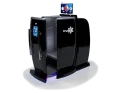
טיפול קריותרפיה לכל הגוף נמשך 2 עד 4 דקות בטמפרטורות אוויר סביב -110 מעלות צלזיוס ברוב פרוטוקולי המחקר, כאשר ספרות המחקר הרחבה יותר מדווחת על טווח של -110 מעלות צלזיוס עד -140 מעלות צלזיוס במחקרים שונים (טווח זה מתאר את מה שבדקה הספרות שעברה ביקורת עמיתים ולא מפרט של יצרן יחיד; תאי Vacuactivus חשמליים פועלים בין -80 מעלות צלזיוס ל- -110 מעלות צלזיוס ודגמי חנקן נוזלי פועלים בין -140 מעלות צלזיוס ל- -170 מעלות צלזיוס). התגובה הפיזיולוגית מאופיינת היטב. טמפרטורת העור יורדת במהירות לכיוון נקודת הקיפאון תוך שניות; טמפרטורת הליבה נשארת כמעט יציבה; מערכת העצבים הסימפתטית מופעלת בחדות, ומשחררת נוראפינפרין; התכווצות כלי דם מכוונת דם לכיוון הליבה; וחימום חוזר לאחר הטיפול יוצר הרחבת כלי דם ושחרור אנדורפינים שרוב הלקוחות מדווחים עליהם כתופעת לוואי.
המרכיב המטבולי של מפל זה הוא מה שהשיווק הגביר. תרמוגנזה לא רועדת - התהליך שבו רקמת שומן חומה שורפת אנרגיה כדי לייצר חום מבלי שהשרירים רועדים - אכן מופעלת לזמן קצר במהלך החשיפה ומיד לאחריה. הפעלה סימפתטית מעלה את קצב חילוף החומרים הבסיסי במידה צנועה במהלך האימון ובחלון זמן קצר לאחריו. זוהי פיזיולוגיה אמיתית, והיא אכן מייצרת הוצאה קלורית נוספת מעבר למנוחה. מה שהיא לא עושה זה לספק את 500 עד 1,500 קק"ל לאימון כפי ששיווק הסטודיו מצטט. מקור ההערכה הכנה של 50 עד 150 קק"ל לאימון מתואר בסעיף המתמטיקה הקלורית להלן.
האם קריותרפיה באמת שורפת קלוריות? הנה החישובים הכנים
הטענות שפורסמו נעות בין 500 ל-1,500 קק"ל לכל סבב צריכת דם לבנה (WBC), ואף אחת מהן לא מצטטת מדידה שעברה ביקורת עמיתים. מה שמחקר הפיזיולוגיה תומך בפועל הוא מספר קטן בהרבה. ואן דר לאנס משנת 2013 מדד הוצאה אנרגטית של כ-90 קק"ל ליום במבוגרים להסתגלות לקור לאחר חשיפה ממושכת לקור קל בטמפרטורה של 15 מעלות צלזיוס. יונשירו משנת 2013 מדד כ-180 קק"ל ליום לאחר 6 שבועות של חשיפה יומית של שעתיים בטמפרטורה של 17 מעלות צלזיוס כדי לגייס ספציפית BAT. אלו נתונים יומיים משבועות של חשיפה מתמשכת לקור קל - לא מסבב בודד של 3 דקות ב-110- מעלות צלזיוס, הכרוך בפרופיל חשיפה שונה מאוד.
אקסטרפולציה ממחקרי פיזיולוגיה אלה כדי להעריך נתון לכל אימון עבור אימון דם לבן (WBC) של 2-4 דקות נותנת בערך 50 עד 150 קק"ל - ויש לסמן מספר זה כהערכת המחבר מוון דר לאנס ויונשירו ולא כערך שנמדד ישירות באימון דם לבן. אף מחקר שעבר ביקורת עמיתים לא פרסם מדידה של עגלת מטבולית של סך ההוצאה הקלורית של אימון דם לבן בודד. הנתון של 800 קק"ל והווריאציות שלו הן, על פי סקירת ה-ACSH מפברואר 2026 (כפי שדווח), שיווק בתעשייה ללא מקור. טבלת הסיכויים שלהלן מזקקת על מה מבוססות בפועל טענות שיווק שונות.
| טענת שיווק | מקור התביעה | מה שהראיות מראות בפועל | פְּסַק דִין |
|---|---|---|---|
| ‘800 קלוריות לכל סשן’ | בלוג קריותרפיה בארה"ב ושיווק כללי בסטודיו | סקירת המועצה האמריקאית למדע ובריאות, פברואר 2026 (דווחה), לא מצאה מקור שעבר ביקורת עמיתים. מעקב אחר תוכן שיווקי של האולפן | לא מבוסס |
| ‘500-800 קלוריות לכל סשן’ | שחזור תוכן הזיכיון Hyper Wellness | אף ניסוי קליני אקראי שפורסם לא מדד הוצאה אנרגטית של 500-800 קלוריות מפגישה אחת של 2-4 דקות עם סרטן הלבנה הלבנה | לא מבוסס |
| ‘'הגבר את חילוף החומרים שלך 350%'’ | בלוגים שונים של סטודיו לקריותרפיה | תרמוגנזה ללא רעד מעלה לזמן קצר את הטון הסימפתטי במהלך החשיפה ומיד לאחריה; אין עדות לעלייה מטבולית מתמשכת של 350% | מַטעֶה |
| ‘ירידה מדידה במשקל כתוצאה מ-WBC’ | שיווק כללי של אולפנים ותוכן זיכיונות | ניסוי קליני אקראי (RCT) של Karppinen משנת 2025 (19 מבוגרים, 28 מפגשים של 3 דקות ב-110- מעלות צלזיוס במשך 5 חודשים): קבוצת WBC -11.9% לעומת קבוצת ביקורת -11.5%, שניהם בהגבלת קלוריות. קריותרפיה לא הוסיפה ירידה מדידה במשקל | לא נתמך |
| ‘משפר את בקרת הגלוקוז ואת פרופיל השומנים בדם’ | כמה ביקורות עמיתים ותוכן אולפן | ניסוי קליני אקראי של Karppinen משנת 2025: שיפורים צנועים אך ממשיים בבקרת גלוקוז ובכולסטרול LDL בקבוצת WBC לעומת קבוצת הביקורת | נתמך חלקית |
מה המחקר החדש מראה: ממצאי ניסויים קליניים מבוקרים ואקראיים משנת 2025
פסק הדין הסמכותי ביותר לאחרונה בנוגע לירידה במשקל באמצעות קריותרפיה הוא הניסוי האקראי והמבוקר של Karppinen 2025 שפורסם ב-Obesity (Wiley, יוני 2025). המחקר עקב אחר 19 מבוגרים עם השמנת יתר שחולקו באופן אקראי לקבוצת קריותרפיה של כל הגוף (28 מפגשים של 3 דקות ב-110- מעלות צלזיוס, 2 עד 3 מפגשים בשבוע במשך 5 חודשים) לעומת קבוצת ביקורת. שתי הקבוצות היו תחת הגבלת קלוריות. התוצאה העיקרית: קבוצת תאי דם לבנים איבדה 11.9% ממשקל הגוף; קבוצת הביקורת איבדה 11.5%. ההבדל לא היה מובהק סטטיסטית. הדמיות PET-CT נוספות בקבוצת תאי דם לבנים לא הראו הפעלת BAT מדידה מהפרוטוקול.
זוהי התוצאה החד משמעית ביותר שיש לתחום: ברמת האוכלוסייה, הוספת דם לבן (WBC) לפרוטוקול של הגבלת קלוריות לא האיצה את הירידה במשקל מעבר לדיאטה בלבד. זהו מחקר צנוע (19 משתתפים), וניסוי אחד אינו יכול לפתור באופן סופי את כל השאלות לגבי כל פרוטוקולי הקריותרפיה, אך הוא בדק ישירות את פרוטוקול הסטודיו המרכזי המשווק כהתערבות לירידה במשקל. מה ש-Karppinen 2025 כן מצא היו שיפורים צנועים בבקרת גלוקוז ובכולסטרול LDL בקבוצת ה-WBC לעומת קבוצת הביקורת. אלו אמנם יתרונות בריאותיים מטבוליים לגיטימיים, אך הם אינם ירידה במשקל. המחקר הוא העדות הסמכותית ביותר לאחרונה לכך ש-WBC אינו מספק את תוצאת הירידה במשקל שרוב הלקוחות נכנסים לחדר הקריותרפיה מקווים לה.
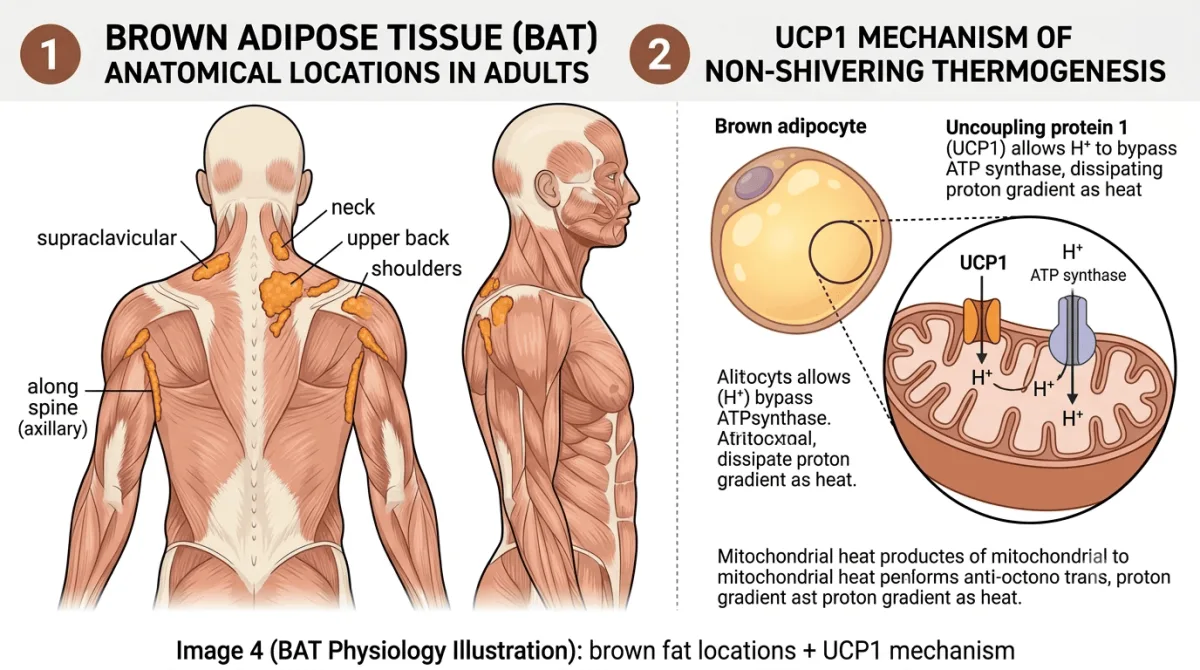
הסבר על שומן חום: הסיפור האמיתי
רקמת שומן חומה (BAT) היא סוג מובחן של שומן, תרמוגני ולא אוגר אנרגיה, המרוכז אצל מבוגרים באזור הסופר-בריח (מעל עצמות הבריח) ולאורך עמוד השדרה. המאפיין המגדיר אותה הוא צפיפות גבוהה של מיטוכונדריה וחלבון הניתוק UCP1, המאפשר ל-BAT לייצר חום ישירות על ידי פיזור גרדיאנט הפרוטונים המיטוכונדריאלי כאנרגיה תרמית במקום להמיר אותו ל-ATP. חשיפה לקור מפעילה BAT באמצעות איתות של מערכת העצבים הסימפתטית ושחרור נוראפינפרין, וחשיפה חוזרת ונשנית לקור במשך שבועות יכולה להגדיל את המסה והפעילות של BAT אצל מבוגרים (גיוס BAT).
נתוני תרומת האנרגיה חשובים יותר מנרטיב המנגנון. ואן דר לאנס משנת 2013 כימת את תרומת ה-BAT להסתגלות לקור בכ-90 קק"ל ליום, ויונשירו משנת 2013 מדד כ-180 קק"ל ליום לאחר 6 שבועות של חשיפה יומית לקור קל. אלו תוספות משמעותיות למאזן האנרגיה היומי עבור אנשים הסובלים שבועות של קור עקבי, אך הן אינן מתורגמות לירידה מהירה במשקל. גירעון של 100 קק"ל ליום מייצר כ-450 גרם של אובדן שומן במשך 5 שבועות; אפילו תרומה מתמשכת של 200 קק"ל ליום של BAT מייצרת כ-900 גרם לחודש, ורק אם היא אינה גורמת לעלייה בצריכה הקלורית כפיצוי. הממצא של קרפינן משנת 2025, לפיו אין הפעלת BAT בבדיקת PET-CT מפרוטוקול WBC, מצביע על כך שחשיפות של 3 דקות ל-110 מעלות צלזיוס-מינוס אינן מגייסות ביעילות BAT כפי שעושות שבועות של חשיפה מתמשכת לקור קל ב-15-17 מעלות צלזיוס. חשיפות שונות לקור מייצרות תגובות BAT שונות.
קריותרפיה לעומת טבילה קרה לעומת מקלחת קרה: מה באמת עובד?
חשיפה לקור מגיעה בצורות שונות, והן אינן שוות ערך להסתגלות לקור ולגיוס BAT. קריותרפיה לכל הגוף בטמפרטורה של -110 מעלות צלזיוס למשך 2 עד 4 דקות מייצרת את קירור העור העז ביותר ואת התגובה הסימפתטית המהירה ביותר, אך משך החשיפה קצר מדי מכדי לייצר קירור רקמות מתמשך. טבילה במים קרים בטמפרטורה של 10 עד 15 מעלות צלזיוס למשך 10 עד 15 דקות מייצרת קירור עור פחות עז אך קירור ליבה מתמשך לאורך חלון החשיפה, וספרות הסתגלות לקור שעברה ביקורת עמיתים (כולל פרוטוקולי Van der Lans ו-Yoneshiro) משתמשת בקור מתמשך קל ולא בקור קיצוני קצר כדי להדגים גיוס BAT. מקלחות קרות בטמפרטורה של 10 עד 16 מעלות צלזיוס למשך 2 עד 5 דקות נגישות יותר ומייצרות חשיפה בינונית אך תגובה פיזיולוגית פחות עקבית.
עבור גיוס BAT ספציפית, בסיס הראיות תומך באופן החזק ביותר בחשיפה מתמשכת לקור קל במשך שבועות (Van der Lans 15C, Yoneshiro 17C 2 שעות ביום במשך 6 שבועות) ולא בחשיפה קצרה קיצונית לתאי דם לבנים (WBC). עבור החלמה סובייקטיבית ומצב רוח, WBC וצניחה בקור פועלים שניהם באמצעות מנגנונים סימפתטיים ואנדורפינים דומים; העדפה אישית וגישה חשובות יותר מאשר איזה מהם "הטוב ביותר". עבור ירידה במשקל ספציפית, לאף אחד מהשלושה אין ראיות חזקות, וקרפינן 2025 בדק את WBC ישירות ולא מצא יתרון לירידה במשקל. הדירוג הכנה עבור הסתגלות לקור ו-BAT הוא: קור קל מתמשך (הראיות הטובות ביותר) > צניחה בקור > קריותרפיה > מקלחת קרה; עבור החלמה סובייקטיבית, ארבעתם פועלים באמצעות מנגנונים דומים עם פרופילי נגישות שונים.
אז האם כדאי לכם לנסות קריותרפיה לירידה במשקל? מדריך מציאותי
התשובה הכנה, המבוססת על Karppinen 2025 והראיות הרחבות יותר, היא שירידה מדידה במשקל אינה תוצאה אמינה שאפשר לצפות לה מ-WBC כהתערבות עצמאית. אם אתם מנסים WBC במיוחד עבור מספר הסקאלה, הראיות אינן תומכות בציפייה זו. אם אתם מנסים WBC עבור טווח התועלת הרחב יותר - שיפור ההתאוששות, תמיכה במצב הרוח, שיפורים צנועים בסמני גלוקוז וליפידים, הפחתה מערכתית של דלקת - הראיות חזקות משמעותית, וכל תרומה מטבולית קטנה היא בונוס ולא התוצאה העיקרית.
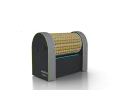
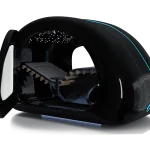
פרוטוקול ריאליסטי של ניסוי נראה כך: 2 עד 3 מפגשי בדיקת דם לבנה (WBC) בשבוע במשך 4 עד 8 שבועות (בהתאם לתדירות שבהן נעשה שימוש בפרוטוקולי המחקר); מעקב אחר הרגשות שלך מבחינת אנרגיה, איכות שינה, התאוששות שרירים ומצב רוח במקום להתעסק באובססיה עם המשקל; שילוב של WBC עם יסודות מבוססי ראיות של ניהול משקל (ניהול קלוריות, פעילות גופנית, שינה, ניהול מתחים) במקום להחליף אותם; בדיקת התוויות נגד לקריותרפיה (מחלות לב וכלי דם, יתר לחץ דם לא מבוקר, רגישות לקור, נוירופתיה, הריון, זיהום פעיל) עם ספק שירותי בריאות מוסמך לפני המפגש הראשון; והתייעצות עם רופא או דיאטנית רשומה לניהול משקל ספציפי. לקבלת ההקשר המידעי על אופן פעולתו הכללית של תא קריותרפיה, ראה תא טיפול קריוגני: כיצד קריותרפיה פועלת להחלמה ובריאות אשר צועדת לאורך בסיס הראיות הרחב יותר ומסגרת הבטיחות.
האם יש יתרונות אמיתיים מעבר לירידה במשקל? כן
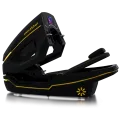
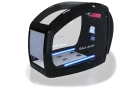
הטיעון המדעי-כנות לקריותרפיה אינו ירידה במשקל, אך למעטפת התועלת הרחבה יותר יש תמיכה רבה יותר. Karppinen משנת 2025 תיעד שיפורים צנועים בבקרת גלוקוז ובכולסטרול LDL בקבוצת תאי דם לבנים (WBC). מחקרים קודמים תומכים בהפחתת דלקת מערכתית באמצעות אפנון ציטוקינים פרו-דלקתיים. התאוששות סובייקטיבית ושיפור במצב הרוח מדווחים באופן עקבי במחקרים רבים, ככל הנראה בתיווך שחרור נוראפינפרין ואנדורפין בשילוב עם התועלת הפסיכולוגית של חשיפה קצרה ומאתגרת שהושלמה. ראיות להתאוששות ספורטיבית הן החזקות ביותר עבור חלון 24-72 שעות לאחר האימון (פינוי קריאטין קינאז, שיקום ביצועי קפיצה) ולא עבור הקלה מיידית בכאב. לאנטומיה ולמנגנון של תא קריוסאונה מודרני, ראה מהו תא קריותרפיה? אנטומיה של קריוסאונה מודרנית אשר הולך על הבנייה הטכנית.
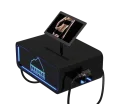
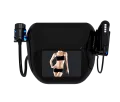
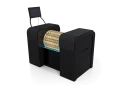
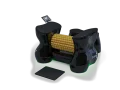
עבור מפעילי B2B שמעריכים רכישת תא קריותרפיה על סמך היתרונות האמיתיים הללו (החלמה, מצב רוח, דלקת) ולא על סמך זווית הירידה במשקל המשווקת, ה... תאי קריותרפיה מסחריים המגוון מכסה תצורות חשמליות וחנקן נוזלי כאחד, ומדריך הקונה המלא ל-B2B למכירה של מכונת קריותרפיה מוביל את החלטת הרכש המלאה יותר. עבור מפעילים הבונים הצעה לעיצוב הגוף ומיטוש משקם נמוך-עוצמה לצד קריותרפיה, מכשיר כושר ואקום BodyShape והרחבה יותר קטגוריית ציוד קריותרפיה וירידה במשקל כסו את האופנים הסמוכים לקבלת תפריט שירות מלא יותר.
שאלות נפוצות
שאלה 1. האם קריותרפיה באמת עובדת לירידה במשקל?
לא, לפחות לא באופן שבו הוא משווק בדרך כלל. ניסוי המחקר האקראי והמבוקר של Karppinen 2025 (Obesity, Wiley, יוני 2025) עקב אחר 19 מבוגרים עם השמנת יתר באמצעות 28 מפגשי קריותרפיה של כל הגוף, בני 3 דקות בטמפרטורה של -110 מעלות צלזיוס, במשך 5 חודשים. שתי הקבוצות היו תחת הגבלת קלוריות. קבוצת תאי הדם הלבנים איבדה 11.9% ממשקל הגוף; קבוצת הביקורת איבדה 11.5%. ההבדל לא היה משמעותי סטטיסטית, והדמיית PET-CT לא הראתה הפעלת BAT מפרוטוקול תאי הדם הלבנים. קריותרפיה לא הוסיפה ירידה מדידה במשקל מעבר לתזונה בלבד. לתאי הדם הלבנים הלבנים יש יתרונות ממשיים (החלמה, מצב רוח, הפחתה מערכתית של דלקת, שיפורים צנועים ברמות הגלוקוז והליפידים לפי Karppinen 2025), אך ירידה במשקל אינה נתמכת על ידי ראיות שעברו ביקורת עמיתים.
שאלה 2. כמה קלוריות שורף טיפול קריותרפיה אחד בפועל?
אף מחקר שעבר ביקורת עמיתים לא פרסם נתון שנמדד ישירות של חילוף החומרים עבור אימון יחיד של תאי דם לבנים (WBC). בהתבסס על מחקרי הפיזיולוגיה של Van der Lans משנת 2013 ו-Yoneshiro משנת 2013 על תרומת BAT של תאי דם לקור (בערך 90-190 קלוריות ליום לאחר שבועות של חשיפה מתונה לקור ממושך), הערכה סבירה עבור אימון יחיד של 2-4 דקות של תאי דם לבנים היא 50 עד 150 קלוריות - ונתון זה הוא אקסטרפולציה של המחבר, לא מדידה. לטענות התעשייה על 500 עד 1,500 קלוריות לאימון אין מקור ביקורת עמיתים. סקירת המועצה האמריקאית למדע ובריאות (ACSH) מפברואר 2026 (כפי שדווח) ייחסה את הנתון '800 קלוריות' ספציפית לתוכן שיווקי של אולפנים ללא ציטוט.
שאלה 3. האם קריותרפיה לכל הגוף מפעילה שומן חום?
ניסוי ה-RCT של Karppinen 2025 הוא המבחן הישיר ביותר לשאלה זו בפרוטוקול של תאי דם לבנים (WBC), והוא לא מצא הפעלת BAT ניתנת למדידה באמצעות PET-CT מ-28 מפגשים של 3 דקות ב-110- מעלות צלזיוס במשך 5 חודשים. זהו ממצא שלילי חזק עבור פרוטוקול WBC הסטנדרטי. ספרות הפיזיולוגיה (Van der Lans 2013, Yoneshiro 2013) אכן מתעדת גיוס BAT מחשיפה מתמשכת לקור קל (15-17 מעלות צלזיוס במשך שעות ביום במשך שבועות), שהוא פרופיל חשיפה שונה מאוד מחשיפה קצרה וקיצונית לתאי דם לבנים. ההסבר הסביר הוא שהחשיפה ללאי דם לבנים קצרה מדי מכדי לייצר את קירור הרקמות המתמשך שגיוס BAT נראה דורש. אם הפעלת BAT היא המטרה, לחשיפה מתמשכת לקור קל יש ראיות חזקות יותר מאשר לחשיפה קצרה וקיצונית לתאי דם לבנים.
שאלה 4. האם הטענה '800 קלוריות לטיפול קריותרפיה' נכונה?
אף מדידה שפורסמה לא תומכת בנתון זה. סקירת המועצה האמריקאית למדע ובריאות (ACSH) מפברואר 2026 (כפי שדווח) איתרה את הטענה של '800 קלוריות לפגישה' לתוכן שיווקי של אולפנים ולא למקור כלשהו שעבר ביקורת עמיתים. מבחינה פיזיולוגית, 800 קלוריות ב-3 דקות ידרשו קצב הוצאת אנרגיה העולה בהרבה על מה שתיעד כל חשיפה נמדדת לקור. הערכה סבירה המבוססת על ראיות עבור פגישת צריכת דם לבנים (WBC) יחידה היא 50 עד 150 קלוריות (אקסטרפולציה של המחבר ממחקרי פיזיולוגיה של ואן דר לאנס ויונשירו), ולא 800. יש להתייחס לנתון של 800 קלוריות ולגרסאותיו (500, 600, 1,500 קלוריות) כטענות שיווקיות עד שתפורסם מדידה מטבולית שעברה ביקורת עמיתים.
שאלה 5. באיזו תדירות עליי לעשות קריותרפיה לירידה במשקל?
מאחר שהראיות שעברו ביקורת עמיתים (Karppinen 2025) אינן תומכות בקריותרפיה כהתערבות לירידה במשקל, אין תדירות מבוססת ראיות למטרה זו. אם ברצונכם לנסות דם לבן (WBC) לצורך טווח התועלת הרחב יותר (החלמה, מצב רוח, דלקת מערכתית, שיפורים צנועים בסמני גלוקוז וליפידים), פרוטוקול סביר הוא 2 עד 3 מפגשים בשבוע במשך 4 עד 8 שבועות - אותה תדירות ששימשה בפרוטוקולי המחקר. עקבו אחר הרגשות שלכם מבחינת אנרגיה, שינה, התאוששות שרירים ומצב רוח ולא לפי סולם המשקל, מכיוון שהסולם אינו התוצאה שהראיות תומכות בה. לירידה במשקל באופן ספציפי, התייעצו עם רופא או דיאטנית רשומה ותעדפו גישות מבוססות ראיות (ניהול קלוריות, פעילות גופנית, שינה, ניהול מתחים, וכאשר מתאים קלינית, התערבות רפואית).
שאלה 6. מה ההבדל בין קריותרפיה לקריוליפוליזה לצורך ירידה במשקל?
אלו טכניקות שונות עם מנגנונים שונים ותוצאות שונות. קריותרפיה לגוף מלא (WBC) משתמשת באוויר בטמפרטורה של -110 מעלות צלזיוס למשך 2 עד 4 דקות כחשיפה קצרה לקור מערכתית - היא אינה מכוונת לתאי שומן ישירות ואינה מייצרת אובדן שומן מדיד לפי Karppinen 2025. קריוליפוליזה (המנגנון שעומד מאחורי CoolSculpting) משתמשת באפליקטורים כדי לקרר באופן ספציפי כיסי שומן תת עוריים במשך 35 עד 60 דקות בטמפרטורות מבוקרות סביב 4 מעלות צלזיוס, ויוצרת אפופטוזיס סלקטיבי של תאי שומן אשר מנוקים בהדרגה על ידי מערכת הלימפה במשך שבועות - היא מייצרת הפחתת שומן מקומית מדידה באזורים המטופלים. WBC הוא שירות בריאות והחלמה כללי; קריוליפוליזה הוא הליך אסתטי ממוקד להפחתת שומן. בלבול בין השניים הוא מקור נפוץ לציפיות לא מציאותיות לירידה במשקל של תאי WBC.
שאלה 7. האם יש יתרונות מוכחים ממשיים לקריותרפיה?
כן. מחקר Karppinen משנת 2025 תיעד שיפורים צנועים בבקרת גלוקוז ובכולסטרול LDL בקבוצת ה-WBC לעומת קבוצת הביקורת. מחקרים קודמים שנבדקו על ידי עמיתים תומכים בהפחתת דלקת מערכתית באמצעות אפנון ציטוקינים פרו-דלקתי, התאוששות סובייקטיבית ושיפור במצב הרוח ככל הנראה בתיווך שחרור נוראפינפרין ואנדורפין, ויתרונות התאוששות אתלטית (במיוחד עבור סילוק קריאטין קינאז ושיקום ביצועי קפיצה בחלון הזמן של 24-72 שעות לאחר האימון לפי ראיות מטא-אנליזה של הרשת). העמדה הכנה היא ש-WBC היא שירות בריאות והתאוששות לגיטימי עם יתרונות בריאותיים מטבוליים צנועים אך אמיתיים, ולא התערבות לירידה במשקל. עמדה זו מחזיקה מעמד טוב יותר בפועל מאשר פרסום שיווקי של 800 קק"ל, שגורם לאכזבה כאשר המשקל לא זז.
שאלה 8. טבילה קרה לעומת קריותרפיה - מה עדיף לשריפת שומן?
לאף אחת מהשיטות אין ראיות חזקות לירידה ספציפית בשומן. טבילה במים קרים (10-15 מעלות צלזיוס למשך 10-15 דקות) מייצרת קירור רקמות מתמשך קרוב יותר לפרופיל החשיפה ששימש במחקרי הסתגלות לקור (Van der Lans, Yoneshiro) שתיעדו גיוס צנוע של BAT; תאי דם לבנים (WBC) (-110 מעלות צלזיוס למשך 2-4 דקות) מייצרים קירור עור אינטנסיבי יותר אך חשיפה קצרה מדי להפעלת BAT מתמשכת ברמת הרקמה, וקארפינן 2025 לא מצאה הפעלת BAT מפרוטוקול WBC. אם גיוס BAT הוא המטרה, לחשיפה מתמשכת לקור קל במשך שבועות יש ראיות חזקות יותר מאשר תאי דם לבנים קיצוניים קצרים או צניחות קור קצרות. אם המטרה היא ירידה במשקל ספציפית, לאף אחת מהשיטות אין ראיות שעברו ביקורת עמיתים התומכות בציפייה זו - הגישות המבוססות על ראיות (ניהול קלוריות, פעילות גופנית והתערבות קלינית במידת הצורך) נותרות הנתיב האמין.
סיכום
קריותרפיה אינה מייצרת ירידה מדידה במשקל על פי הראיות האחרונות המוסמכות ביותר. מחקר ה-RCT של Karppinen משנת 2025 (Obesity, Wiley, יוני 2025) בדק 28 מפגשי דם לבנים (WBC) בני 3 דקות ב-110- מעלות צלזיוס במשך 5 חודשים ב-19 מבוגרים תחת הגבלת קלוריות ולא מצא יתרון על פני דיאטה בלבד (-11.9% WBC לעומת -11.5% בקבוצת הביקורת), כאשר PET-CT אישר שאין הפעלת BAT. הפיזיולוגיה של גיוס BAT אמיתית (Van der Lans 2013, Yoneshiro 2013) אך מייצרת כ-90-190 קק"ל ליום מחשיפה מתמשכת לקור קל במשך שבועות, ולא 500-1,500 קק"ל למפגש כפי שטוענים שיווק בסטודיו. סקירת המועצה האמריקאית למדע ובריאות (ACSH) מפברואר 2026 (כפי שדווח) ייחסה את הנתון המצוטט באופן נרחב של 800 קק"ל לשיווק בסטודיו ולא לכל מקור אחר שנבדק על ידי עמיתים.
לקריותרפיה יתרונות ממשיים (החלמה, מצב רוח, הפחתה סיסטמית של דלקת, שיפורים צנועים ברמות הגלוקוז והליפידים), והיא שירות בריאות לגיטימי כאשר היא ממוקמת סביב תוצאות אלו. זה אינו טיפול לירידה במשקל, וכל טענה של צריכת קלוריות מעל 200 קלוריות לטיפול צריכה להיחשב כשיווקית עד לפרסום מדידה מטבולית שעברה ביקורת עמיתים. לניהול משקל ספציפי, יש להתייעץ עם ספק שירותי בריאות מוסמך ולתעדף גישות מבוססות ראיות. קריותרפיה יכולה להיות משלים לפרוטוקול רחב יותר של החלמה ובריאות; היא אינה יכולה להחליף את יסודות ניהול המשקל.


