














Cryogenic Therapy Chamber: How Cryotherapy Works for Recovery and Wellness
A cryogenic therapy chamber is an enclosure that surrounds the body with air cooled to roughly -110C to -140C for two to four minutes, using either liquid nitrogen vapor or an electric refrigeration compressor. The cold triggers vasoconstriction during the session and vasodilation afterward, along with a sharp sympathetic nervous response. What the evidence supports is narrower than what the industry advertises, and the mismatch is specific.
A 2026 network meta-analysis of 51 randomized trials found whole body cryotherapy ranked last among cooling methods for reducing muscle soreness at 48 hours, while ranking first for restoring jump performance at every measured time point and first for clearing creatine kinase at 48 and 72 hours. The U.S. FDA has not cleared or approved any whole body cryotherapy device to treat any medical condition.
We manufacture cryotherapy chambers, which is exactly why the rest of this page reports what the research found rather than what would sell more of them. Every number, effect size, and quality rating below traces to one of the eight verified sources in Section 4 of this package. If a claim about cryotherapy commonly appears on the internet without a source attached, it probably does not appear here.
What a Cryogenic Therapy Chamber Actually Is
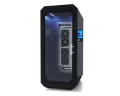
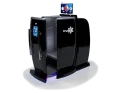
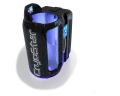
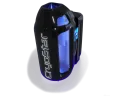
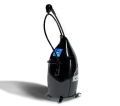
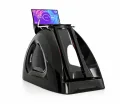
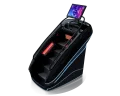
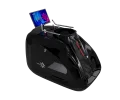
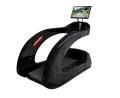
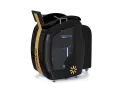
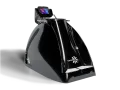
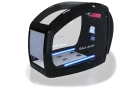
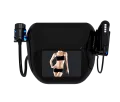
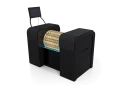
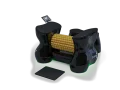
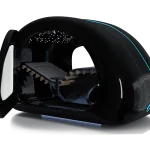
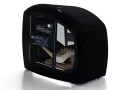
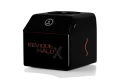
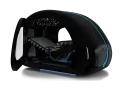
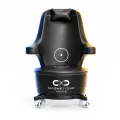
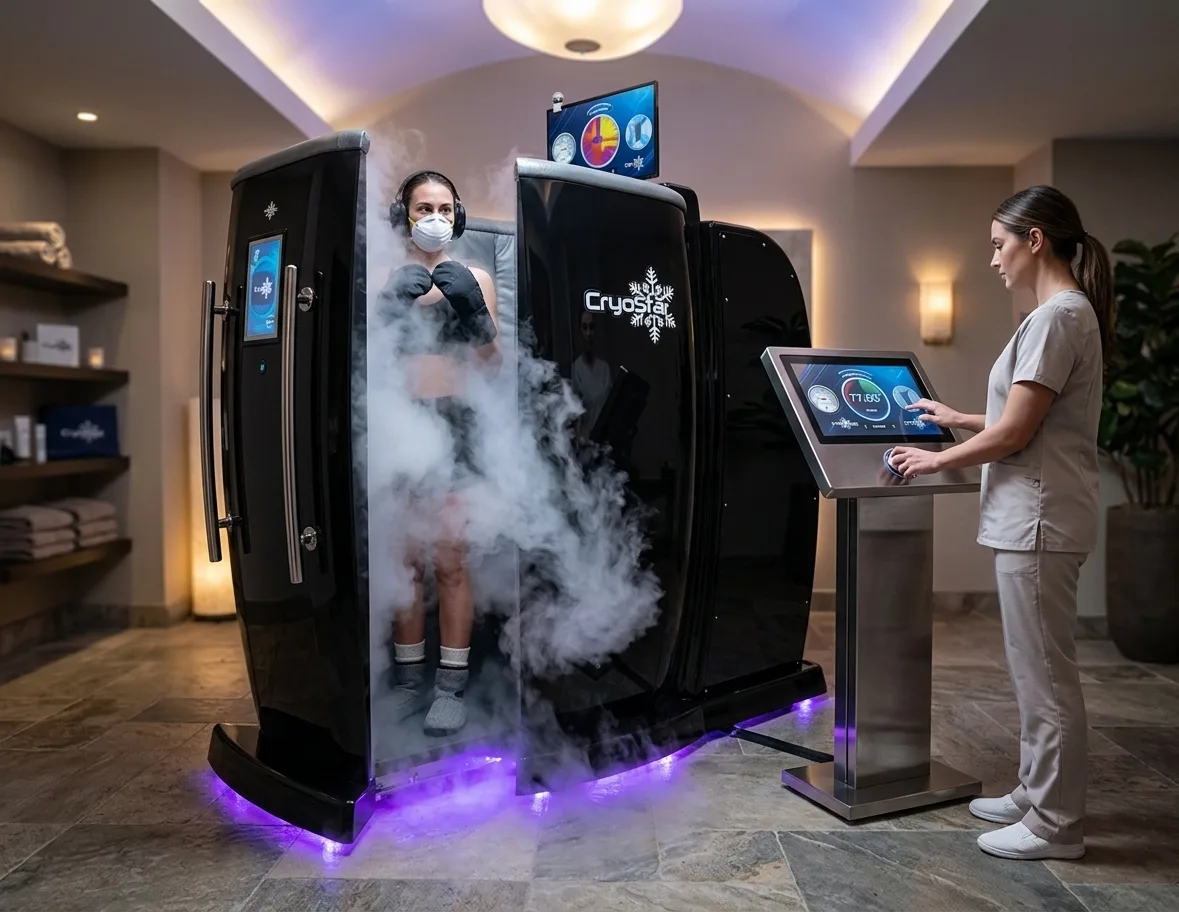
Two designs share the name. In the first, a person stands in an open-top cylindrical enclosure that reaches roughly shoulder height: the torso and legs are inside and exposed to the cold, while the head stays above the rim breathing room air. This is the format usually called a cryosauna. In the second, one or more people stand inside a fully enclosed chamber where the entire body including the head is exposed, and these units are typically walk-in rooms rather than cabins.
The FDA describes both configurations in its consumer material and gives the operating range as -200F to -300F, while research protocols more commonly report -110C to -140C. Session length is two to four minutes in nearly every protocol, and that brevity is not a marketing convenience: it reflects the point at which skin temperature has dropped enough to trigger the response without tissue damage. Clients wear minimal dry clothing plus gloves, socks, slippers and often a mask, because the extremities and airway are what fail first. Metal jewelry comes off, and skin must be dry, since moisture on skin at these temperatures causes cold injury rather than cold exposure.
A chamber is not the same thing as localized cryotherapy equipment, where a handheld nozzle treats a single area at around -50C, and it is not the same thing as a cold plunge, which uses water at 10-15C. Those distinctions matter later, because the research treats them as separate interventions with different results. Attributing outcomes of cryosurgery (skin lesion removal, wart treatment) to a whole body chamber – a category error that appears in some SERP results – conflates a handheld surgical instrument with an enclosure that does neither of those things.
What Happens in Your Body During a Session
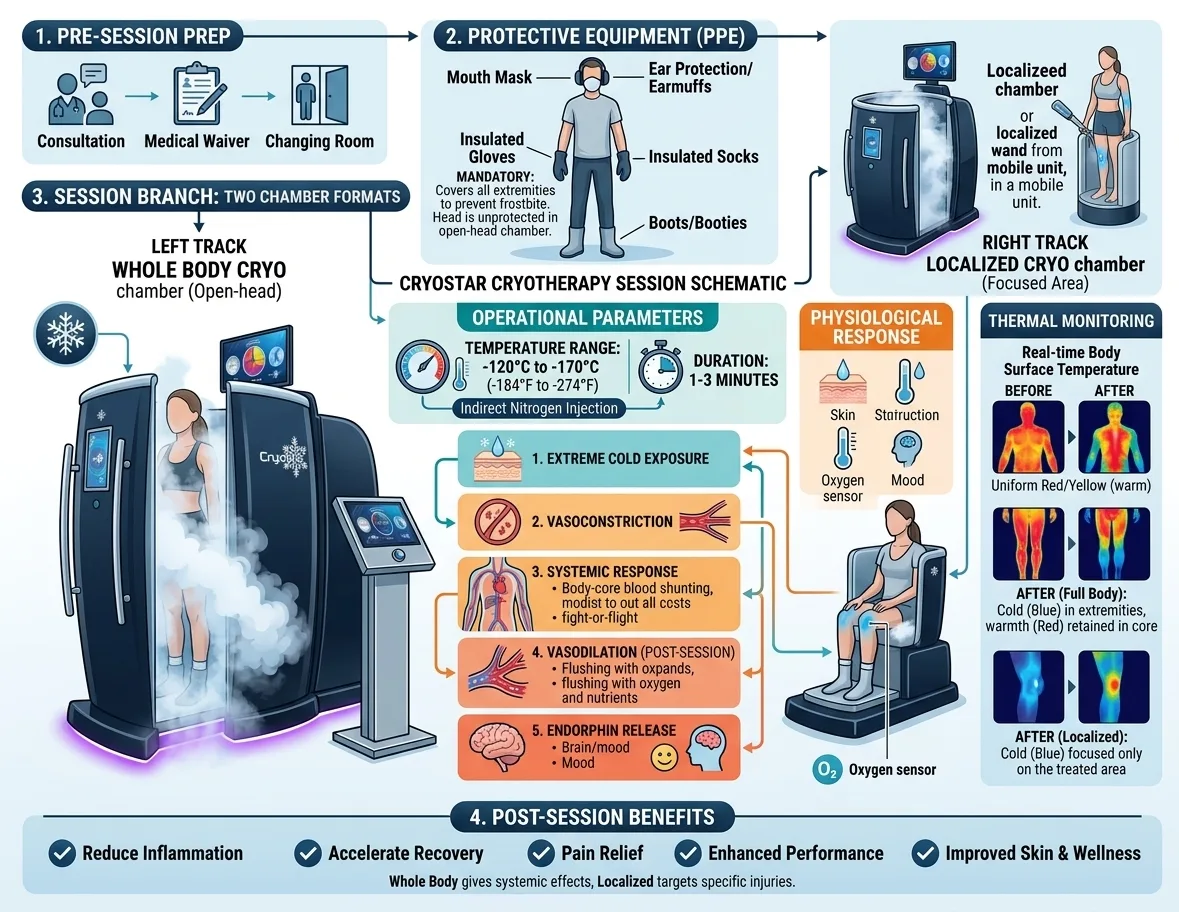
The physiology is the least controversial part of the topic. When skin temperature drops sharply, peripheral blood vessels constrict and blood is redirected toward the core, which protects organ temperature at the expense of the extremities. Sympathetic nervous activation follows within seconds, and norepinephrine rises. Nerve conduction velocity slows in cooled tissue, which is the mechanism behind the numbing effect people notice immediately. After the session ends and the body rewarms, the vessels dilate and blood returns to the periphery. This is the sequence every cryotherapy provider describes, and it is real.
What is far less settled is what that sequence produces downstream. The industry narrative jumps from vasoconstriction to reduced inflammation to faster recovery as though each step were established, but the biomarker evidence is mixed. A 2019 study by Krueger and colleagues (PMID 30030066) found that whole body cryotherapy at -110C following high-intensity intermittent exercise did not alter hormonal, inflammatory or muscle damage biomarkers in trained males at all. A separate concern runs the other direction: an animal study found that icing a crush injury for twenty minutes delayed and impaired muscle regeneration and produced redundant collagen, which raises a question the field has not resolved. Inflammation is part of repair, and blunting it is not automatically a benefit. Feeling less inflamed and healing better are not the same claim.
What the Evidence Actually Shows
The most complete comparison available is a network meta-analysis published in Frontiers in Sports and Active Living in April 2026 (Wu and colleagues, DOI 10.3389/fspor.2026.1819396, PROSPERO CRD420261300174), pooling 51 randomized controlled trials with 1,243 participants across searches from January 2010 to November 2025. It compared whole body cryotherapy against cold water immersion, contrast water therapy and localized cooling across soreness, jump performance and blood markers at multiple time points, and the results split in a way the industry does not advertise.
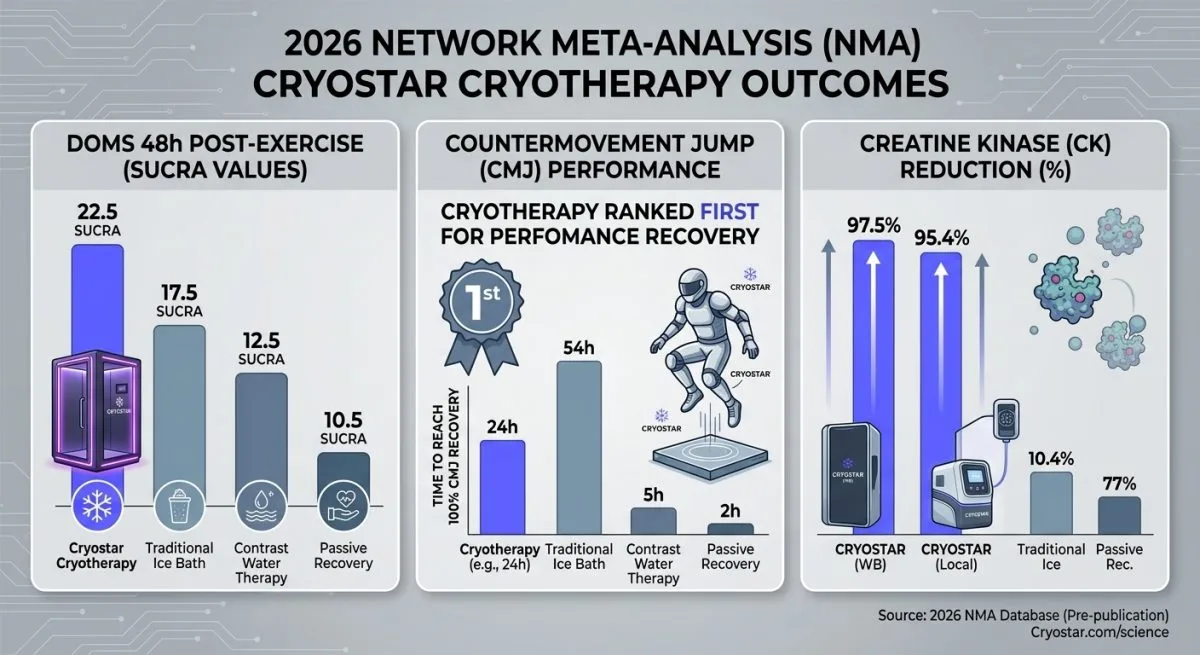
On muscle soreness, the outcome most people walk into a chamber for, whole body cryotherapy performed worst. No cooling method reduced soreness immediately after exercise. Cold water immersion significantly reduced it at one hour (MD -1.09) and at twenty-four hours (MD -0.89). Localized cryotherapy produced the largest reduction at forty-eight hours (MD -1.17). Whole body cryotherapy ranked last of all methods at forty-eight hours with SUCRA 22.5, and the authors stated plainly that WBC may have limited impact on DOMS reduction.
The Cochrane review (Costello and colleagues, PMID 26779801, CD010789) reached the same place from a different direction, concluding there is insufficient evidence to determine whether whole body cryotherapy reduces self-reported muscle soreness or improves subjective recovery. The relevant finding rested on a single small crossover trial of just nine well-trained runners, graded very low quality on GRADE.
On performance and muscle damage markers, the picture inverts. Whole body cryotherapy ranked first for restoring countermovement jump performance at one hour (MD +9.15), twenty-four hours (MD +10.70) and forty-eight hours (MD +10.50), with significant improvements at each time point. It also produced the largest reductions in creatine kinase at forty-eight hours (MD -118.24, SUCRA 95.4) and seventy-two hours (MD -135.03, SUCRA 97.5), ranking first at both. It significantly reduced C-reactive protein at forty-eight hours (MD -0.62). One IL-6 outcome went the other way: WBC ranked last for IL-6 at 48 hours (SUCRA 10.9).
So the honest summary is uncomfortable for everyone: the chamber appears to do least for the symptom it is sold on and most for outcomes almost nobody markets. One caveat governs all of it. The protocols pooled in that analysis ran anywhere from -30C to -135C for durations between 1.5 and 20 minutes, the evidence network was unbalanced, and separate reviews grade the quality of evidence for muscle performance, soreness and damage as very low. The authors of the 2026 analysis say directly that no single cooling method dominates at all time points and outcomes.
| Outcome | What WBC Did (2026 NMA) | Rank Among Cooling Methods | Evidence Quality (GRADE) |
|---|---|---|---|
| DOMS (muscle soreness) immediately after exercise | No cooling method reduced soreness (WBC included) | No method won | Very low |
| DOMS at 1 hour post-exercise | WBC no significant effect; CWI significantly reduced (MD -1.09) | WBC not first; CWI first | Very low |
| DOMS at 24 hours | WBC no significant effect; CWI significantly reduced (MD -0.89) | WBC not first; CWI first | Very low |
| DOMS at 48 hours (the outcome most clients seek) | Local cryotherapy largest reduction (MD -1.17); WBC ranked LAST | WBC LAST (SUCRA 22.5) | Very low |
| Countermovement jump (CMJ) at 1 hour, 24 hours, 48 hours | WBC significantly improved at each time point (MD +9.15 / +10.70 / +10.50) | WBC FIRST at every time point | Very low |
| Creatine kinase (CK) at 48 hours | WBC largest reduction (MD -118.24) | WBC FIRST (SUCRA 95.4) | Very low |
| Creatine kinase (CK) at 72 hours | WBC largest reduction (MD -135.03) | WBC FIRST (SUCRA 97.5) | Very low |
| C-reactive protein (CRP) at 48 hours | WBC significantly reduced (MD -0.62) | WBC FIRST (SUCRA 87.4) | Very low |
| Interleukin-6 (IL-6) at 48 hours | WBC did not perform well | WBC LAST (SUCRA 10.9) | Very low |
The Placebo Problem Nobody Mentions
Cold exposure is impossible to blind. A participant always knows whether they spent three minutes at -130C or not, which means expectation is baked into every subjective outcome the field measures, and soreness is a subjective outcome. Researchers have tested this directly rather than ignoring it. A 2019 study by Wilson and colleagues (PMID 30306296) compared whole body cryotherapy, cold water immersion and a placebo after resistance exercise and titled the paper with the question it raised: a case of mind over matter? A 2014 study by Broatch and colleagues (PMID 24674975) found that post-exercise cold water immersion benefits were not greater than the placebo effect.
This does not mean cryotherapy does nothing, and it does not mean people who feel better are imagining it – feeling better is a real outcome regardless of mechanism. It does mean that when a facility promises a specific physiological result based on how clients report feeling afterward, the evidence underneath that promise is thinner than it sounds. It also explains part of the split in the 2026 data: the outcomes where whole body cryotherapy performed best, jump height and creatine kinase, are measured rather than reported, while the outcome where it performed worst is the one clients tell you about.
About That 800-Calorie Claim
Search for cryotherapy benefits and you will find the claim that a single session burns up to 800 calories, repeated across wellness sites without a citation attached to it anywhere. It does not survive contact with arithmetic. Eight hundred calories is roughly what a 70-kilogram adult burns running for an hour, and the claim asks you to believe that standing still for three minutes matches it. The body does spend energy rewarming after cold exposure, and that expenditure is real, but it is a fraction of that number and it has never been measured at anything approaching it.
The FDA looked at the wider set of metabolic claims and concluded that it remains unclear how whole body cryotherapy affects blood pressure, heart rate or metabolism at all. Treat any specific calorie figure attached to a cryotherapy session as marketing until someone produces the measurement, and ask for the study when a facility quotes one. The same applies to claims about immune function and sleep quality, which circulate in the same articles with the same absence of sourcing.
What the FDA Says
The FDA has not cleared or approved a single whole body cryotherapy device for the treatment of any medical condition. That sentence is the regulatory reality, and it is worth stating precisely because facilities rarely do. In its July 2016 consumer update, Dr. Aron Yustein, a medical officer at the FDA Center for Devices and Radiological Health, noted that based on the health benefits promoted by cryotherapy spas, consumers may incorrectly believe the agency has cleared or approved these devices as safe and effective to treat medical conditions – and stated flatly that this is not the case.
The agency also said it does not have evidence that whole body cryotherapy effectively treats conditions such as Alzheimer disease, fibromyalgia, migraines, rheumatoid arthritis, multiple sclerosis, stress, anxiety or chronic pain, and expressed concern that people choosing cryotherapy instead of treatments with established safety and effectiveness may see no improvement or get worse. One nuance gets misused in industry marketing: some chambers are acknowledged by the FDA under 513(g), which is a determination about manufacturing and device classification, not a finding that the device works. A manufacturer citing 513(g) as evidence of efficacy is misreading its own paperwork. None of this makes cryotherapy illegal or illegitimate – it makes it a wellness service rather than a medical treatment, and the two carry different promises.
Safety: The Part That Is Not Theoretical
The risks associated with cryogenic chambers are documented rather than hypothetical, and one of them is fatal. Nitrogen-cooled units release nitrogen vapor, which displaces oxygen in an enclosed space. As Anna Ghambaryan of the FDA explained in the 2016 consumer update, adding nitrogen vapor to a closed room lowers the oxygen available and can cause hypoxia, which can lead to loss of consciousness – and someone who loses consciousness inside a chamber cannot leave it. In October 2015, Chelsea Ake-Salvacion, a 24-year-old employee at a Nevada cryotherapy facility, used a chamber alone after hours and was found dead the next morning (documented in Connecticut General Assembly Office of Legislative Research Report 2016-R-0229). That case is the reason every credible protocol requires that a chamber never be operated without a second person present, and it is the single most important sentence in this article.
The other documented risks are frostbite, burns and eye injury from the temperatures involved. A case published in the Journal of the American Academy of Dermatology described a 71-year-old man who developed a cold burn during a session, with the authors suspecting that a nozzle malfunction sprayed liquid nitrogen directly onto his back. Contraindications are the ordinary cold-therapy list and should be screened rather than assumed: cardiovascular disease, uncontrolled hypertension, cold sensitivity disorders, neuropathy, pregnancy, and active infection or fever.
The authors of the 2026 meta-analysis close their practical recommendations by stating that any cooling intervention should be performed under professional guidance with contraindications such as cardiovascular disease strictly excluded. Electric chambers remove the asphyxiation risk entirely, since there is no nitrogen in them, which is a genuine safety difference rather than a marketing distinction. Red flags to stop a session immediately and get help: gray or white skin patches, chest pain, lasting numbness, blistering. Ordinary sensations that are not red flags: tingling, redness, shivering, general numbness that resolves on rewarming. Cryotherapy should never feel unbearable.
Nitrogen vs Electric Cryotherapy Chambers
The two chamber technologies differ in more than the spec sheet, and the differences drive real operational and safety consequences rather than marketing distinctions. Nitrogen chambers vaporize liquid nitrogen to cool the air, reach lower temperatures, and consume a nitrogen supply that must be ordered, stored and refilled on a schedule. Because nitrogen vapor displaces oxygen, the room needs ventilation, oxygen monitoring is standard practice, and the head is typically kept above the enclosure in the open-top cryosauna format. Electric chambers use a refrigeration compressor to chill the air. They have no consumable, no nitrogen supply chain, no asphyxiation risk, and they allow full body exposure including the head, which is why walk-in electric rooms exist while nitrogen walk-ins are rarer.
The trade-off is that electric units generally cost more upfront and reach somewhat higher temperatures. Notably, the research does not establish that lower temperature produces better outcomes, so the safety and operational differences may matter more than the degrees. For a full B2B pricing walk-through covering both technology paths, see Cryotherapy Chamber Cost in 2026: Full Price Breakdown for Spa Owners which covers acquisition and operating economics in detail. For hidden operating expenses that separate the two on a monthly-cost basis, see Cryotherapy Equipment Cost: Hidden Operating Expenses which distills the nitrogen refill vs electric compressor economics.
How to Use a Chamber Sensibly
If the evidence is read honestly, it points to a narrower and more useful protocol than the industry sells. The authors of the 2026 analysis give specific recommendations. For pain relief in the first hour after exercise, cold water immersion at 10-15C for 10-15 minutes outperformed everything else tested, including the chamber. For restoring performance in the 24 to 72 hour window, whole body cryotherapy was the strongest option tested. They also suggest a sequential approach – immersion immediately after exercise, then a chamber session twenty-four hours later – which uses each method where it actually won rather than treating them as interchangeable.
Brian George, Performance Recovery Specialist at Mass General Brigham’s Center for Sports Performance and Research, notes separately that some studies suggest a session roughly three hours before competition may improve performance, which is a different use case again. The through-line is that a cryogenic chamber is a performance recovery tool with reasonable evidence behind that specific job, and a soreness treatment with poor evidence behind that one. Choosing based on which claim brought you in will produce disappointment; choosing based on which outcome the research supports will not.
A first session should be supervised, as every credible source in this space agrees, including the ones selling the chambers. For B2B buyers evaluating chamber acquisition, our cryotherapy chambers cover both nitrogen and electric technology paths, and the flagship CryoStar liquid nitrogen chamber runs the cryosauna format described above. A full commercial buyer’s guide on the wider procurement decision is in Cryotherapy Machine for Sale: Complete 2026 B2B Buyer’s Guide. For the distinction between whole-body chamber cooling and precision single-area cooling as used in specific rehab and pain-management applications, see Iceberg 25L Local Cryo: Precision Cold Therapy.
Frequently Asked Questions
Q1. Does whole body cryotherapy actually work?
It depends entirely on which outcome you mean, and the answer is uncomfortable for the industry. A 2026 network meta-analysis of 51 randomized trials with 1,243 participants found that whole body cryotherapy ranked last among cooling methods for reducing muscle soreness at 48 hours, with the authors noting it may have limited impact on soreness reduction. The Cochrane review reached a similar conclusion, finding insufficient evidence to determine whether it reduces self-reported soreness, based on a single small trial of nine runners graded very low quality. But the same 2026 analysis found whole body cryotherapy ranked first for restoring countermovement jump performance at one hour, twenty-four hours and forty-eight hours, and first for reducing creatine kinase at forty-eight and seventy-two hours. So it appears to do least for the symptom it is sold on and most for outcomes almost nobody markets. Evidence quality across the field is graded very low, so all of this should be read as the current best guess rather than settled fact.
Q2. How cold is a cryotherapy chamber?
Research protocols most commonly report -110C to -140C, and the FDA describes the operating range as -200F to -300F. Sessions run two to four minutes. The variation matters more than the headline number: protocols pooled in the 2026 meta-analysis ranged from -30C to -135C with durations between 1.5 and 20 minutes, which is one reason the evidence base is hard to interpret – studies are not testing the same intervention. For comparison, localized cryotherapy treats a single area at around -50C, and cold water immersion uses water at 10-15C. A chamber is colder than either, but colder is not automatically better: the 2026 analysis found that cold water immersion at 10-15C beat the chamber for soreness relief in the first hour, despite being roughly 120 degrees warmer.
Q3. Is whole body cryotherapy FDA approved?
No. The FDA has not cleared or approved any whole body cryotherapy device for the treatment of any medical condition. An FDA medical officer stated that consumers may incorrectly believe the agency has cleared or approved these devices as safe and effective to treat medical conditions, and that this is not the case. The agency also said it lacks evidence that whole body cryotherapy effectively treats conditions such as fibromyalgia, migraines, rheumatoid arthritis, multiple sclerosis, stress, anxiety or chronic pain, and expressed concern that people using it in place of established treatments may see no improvement or get worse. One nuance gets misused: some chambers are acknowledged under FDA 513(g), which concerns manufacturing and device classification, not efficacy. A manufacturer citing 513(g) as proof the device works is misreading its own paperwork. Cryotherapy is a wellness service, not a medical treatment.
Q4. How many calories does cryotherapy burn?
Nobody knows, and the widely circulated figure of up to 800 calories per session has no published measurement behind it. It also fails a basic sanity check: 800 calories is roughly what a 70-kilogram adult burns running for an hour, and the claim asks you to accept that standing still for three minutes matches that. The body does spend energy rewarming after cold exposure, and that expenditure is real, but it is a fraction of that number. The FDA reviewed the metabolic claims around whole body cryotherapy and concluded that it remains unclear how the treatment affects blood pressure, heart rate or metabolism at all. Treat any specific calorie figure attached to a cryotherapy session as marketing until someone produces the measurement, and ask for the study if a facility quotes one. The same caution applies to claims about immune function and sleep quality, which circulate with the same absence of sourcing.
Q5. Is cryotherapy safe and what are the risks?
The risks are documented rather than theoretical, and one is fatal. Nitrogen-cooled chambers release nitrogen vapor, which displaces oxygen in an enclosed space; the FDA explains that this can cause hypoxia leading to loss of consciousness, and a person who loses consciousness inside a chamber cannot get out. In October 2015 a 24-year-old employee at a Nevada facility used a chamber alone after hours and was found dead the next morning. Never use a chamber without a second person present. Other documented risks are frostbite, burns and eye injury; a case in the Journal of the American Academy of Dermatology described a 71-year-old man who sustained a cold burn when a nozzle apparently malfunctioned and sprayed liquid nitrogen onto his back. Electric chambers eliminate the asphyxiation risk entirely, since they contain no nitrogen. For healthy adults in a supervised session with screening, the risk is low but real.
Q6. What is the difference between a nitrogen and an electric cryotherapy chamber?
The cooling medium, and the consequences run further than the spec sheet. Nitrogen chambers vaporize liquid nitrogen to cool the air, reach lower temperatures, and consume a nitrogen supply that must be ordered, stored and refilled. Because nitrogen vapor displaces oxygen, the room needs ventilation, oxygen monitoring is standard practice, and the head is typically kept above the enclosure in the open-top cryosauna format. Electric chambers use a refrigeration compressor to chill the air. They have no consumable, no nitrogen supply chain, no asphyxiation risk, and they allow full body exposure including the head, which is why walk-in electric rooms exist and nitrogen walk-ins are rarer. The trade-off is that electric units generally cost more upfront and reach somewhat higher temperatures. Notably, the research does not establish that lower temperature produces better outcomes, so the safety and operational differences may matter more than the degrees.
Q7. Who should not use a cryotherapy chamber?
The contraindications are the standard cold-therapy list and should be screened rather than assumed. Cardiovascular disease is the one the 2026 meta-analysis authors name specifically, closing their practical recommendations by stating that any cooling intervention should be performed under professional guidance with contraindications such as cardiovascular disease strictly excluded. Uncontrolled hypertension, cold sensitivity disorders, neuropathy, pregnancy, and active infection or fever also appear consistently across sources. Anyone with a chronic condition or on prescription medication should discuss it with a clinician before a first session, which is also the FDA position. During a session, tingling, redness, numbness and shivering are ordinary. Severe pain, gray or white skin patches, chest pain, lasting numbness or blistering are not, and require stopping and getting help. Cryotherapy should never feel unbearable.
Q8. When should you use a cryotherapy chamber for recovery?
Read honestly, the evidence points to a narrower protocol than most facilities sell. The 2026 meta-analysis authors recommend cold water immersion at 10-15C for 10-15 minutes for pain relief within the first hour after exercise, where it outperformed the chamber. For restoring performance in the 24 to 72 hour window, whole body cryotherapy was the strongest option tested, ranking first for jump performance at every time point and first for clearing creatine kinase at 48 and 72 hours. They also suggest a sequential approach: immersion immediately after exercise, then a chamber session 24 hours later, using each method where it actually won. Mass General Brigham notes separately that some studies suggest a session roughly three hours before competition may improve performance. A first session should be supervised. The through-line is that a chamber is a performance recovery tool with reasonable evidence for that job, and a soreness treatment with poor evidence for that one.
Conclusion
A cryogenic therapy chamber cools the body to -110C to -140C for two to four minutes using either liquid nitrogen or an electric refrigeration compressor. The mechanism is real: vasoconstriction, sympathetic activation, norepinephrine release, then vasodilation on rewarming. The outcomes are more complicated than the marketing. The 2026 Frontiers network meta-analysis found whole body cryotherapy ranked worst among cooling methods for muscle soreness at 48 hours (SUCRA 22.5) and best for jump performance at every time point and creatine kinase clearance at 48 hours (SUCRA 95.4) and 72 hours (SUCRA 97.5). The Cochrane review found insufficient evidence to determine whether WBC reduces self-reported soreness. Evidence quality across the field is very low. Placebo cannot be excluded from the subjective outcomes. The FDA has not cleared or approved any WBC device for any medical condition.
The asphyxiation risk from nitrogen-cooled units is documented (Nevada 2015 fatality) and requires a second person present at all sessions; electric chambers eliminate that specific risk. For B2B buyers, the technology choice is genuine rather than marketing, and pricing walk-throughs are covered in the cross-linked commercial guides above. For anyone considering a session as a wellness user, choose the outcome the evidence supports (performance recovery in the 24-72 hour window), not the outcome the industry advertises (soreness relief), and never do a first session unsupervised.


