



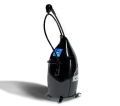

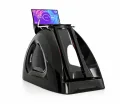
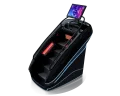
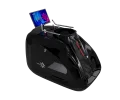
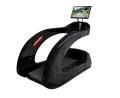
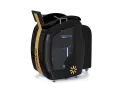
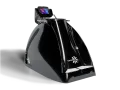
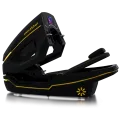
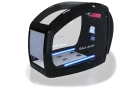

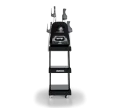
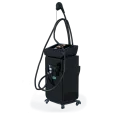

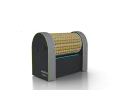
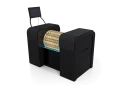
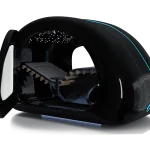
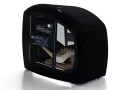
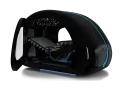

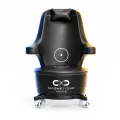




Iceberg 25L Local Cryo: Precision Cold Therapy at -160C
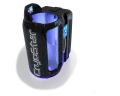
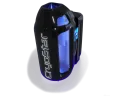
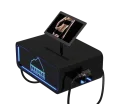
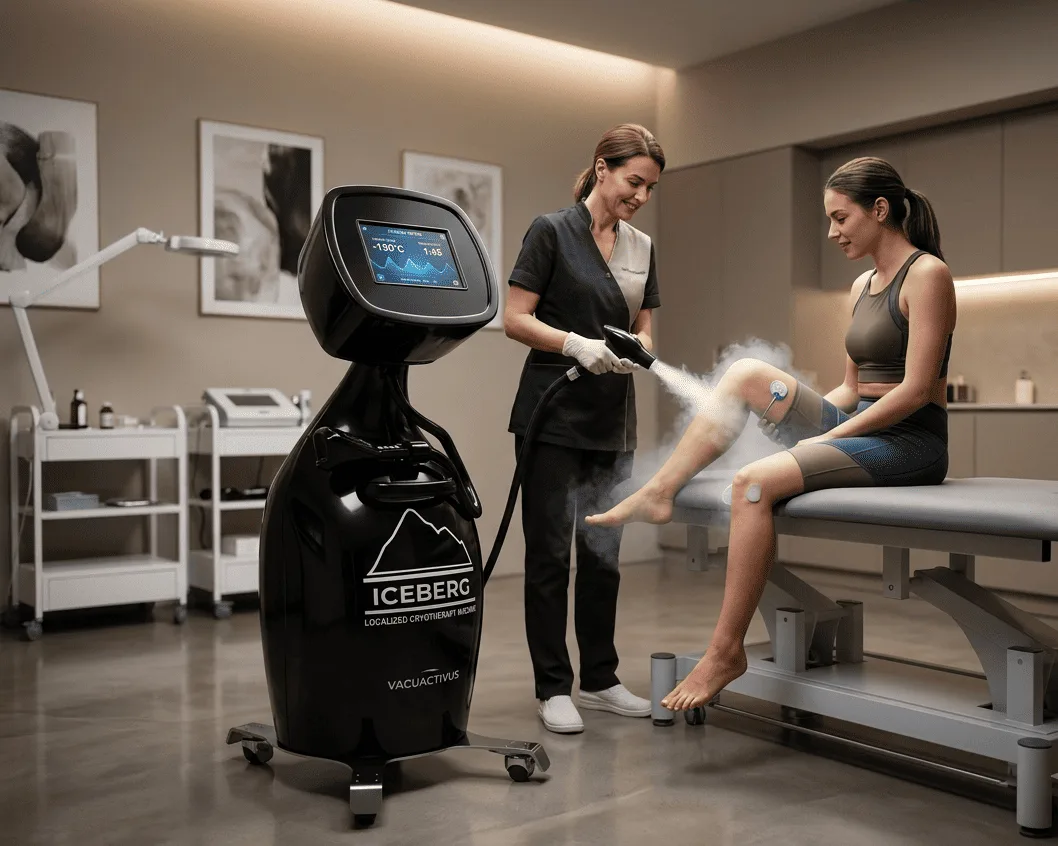
The Iceberg 25L is a nitrogen-based localized cryotherapy machine that delivers cold vapor to a targeted area of the body. Its specification states nitrogen vapor temperature at the jet pipe exit of -263 to -292F (-164 to -180C), which is the temperature leaving the nozzle rather than the temperature reaching the skin. The vapor warms as it travels and mixes with room air, so actual tissue temperature depends on the distance the handle is held from the skin, the duration of the pass, and which of the four flow-force settings is selected. That gap between nozzle temperature and skin temperature is exactly why the Iceberg 25L carries a skin temperature sensor in the handle cap, which tells the operator when the treated area has reached cryostimulation temperature and prevents overcooling. The 25L model lists at $12,939 through authorized dealers such as MedMart Online, sits inside the $7,500-$18,000 localized cryotherapy machine market per CryoChambers 2026 pricing data, and treats a single area in under five minutes. We build this device, so what follows is a specification review written from the engineering side of the transaction rather than a sales page.
This Iceberg 25L local cryo machine review is written for rehabilitation and physiotherapy clinics, sports recovery facilities, medical spas, chiropractic practices, and aesthetic studios evaluating a localized cryotherapy machine in the $10,000-$18,000 capital range. The Iceberg 25L (SKU CRYOICEBERG-25L, Item ID 36216 per MedMart 2026 dealer listing) sits in the middle of the local cryo machine market alongside the CRYONiQ CRYO LC (-130/-150C), Cryomed cryofans (-110/-130C nitrogen), Subzero by American Cryo (CO2 at -110C pressurized), and CryoChambers portfolio (Penguin, Cryofan CF-05, T Elephant Nitrogen, x-degree CRYO Electric). Two facts about the localized cryotherapy category matter more than any single specification: nozzle temperature published by every manufacturer is not the temperature that touches the client, and the word cryotherapy in search results is split between two fundamentally different procedures (cryostimulation which the Iceberg 25L performs, and cryosurgery which it does not). This product review addresses both directly.
Vacuactivus manufactures the Iceberg 25L along with the distinct Iceberg Electric which is a separate compressor-based device operating at approximately -30C rather than nitrogen at -164C – the two units share the Iceberg brand name but are not interchangeable, use different cooling physics, and fit different practice types. This article covers the Iceberg 25L nitrogen unit specifically, and references the Iceberg Electric only in the technology comparison and honest positioning sections. Competitor prices and specifications cited throughout are market reference points as of July 2026 verified against manufacturer product pages, not guarantees – buyers should verify current pricing and specifications directly with each manufacturer (Vacuactivus, CRYONiQ, Cryomed, CryoChambers, Subzero) before purchase. This review is written to be applied against any localized cryotherapy machine supplier including Vacuactivus itself.
What the -160C Number Actually Means
Every localized cryotherapy manufacturer publishes its coldest number, and almost none of them state where that number was measured. The Iceberg 25L specification lists nitrogen vapor at -263 to -292F (-164 to -180C) at the jet pipe exit. Read that phrase carefully: at the exit. It describes the vapor at the moment it leaves the nozzle, before it has crossed any distance, before it has mixed with room air, and before it has touched anyone. Skin never sees that temperature. The vapor warms rapidly as it travels, and the temperature that reaches tissue depends on three operator-controlled variables: the distance the handle is held from the skin, the duration of the pass, and which of the four flow-force settings on the Iceberg 25L is selected. Move the handle closer, hold longer, or raise the flow-force level, and tissue temperature drops. Back off on any of the three, and it rises. This is why comparing localized cryotherapy machines on published nozzle temperature is close to meaningless as a purchasing signal.
A market survey makes the point about the temperature-marketing problem in the local cryo machine category. CRYONiQ publishes -130 to -150C (-200 to -240F) for the CRYO LC and markets it as one of the coldest available. Cryomed publishes -110 to -130C for its nitrogen cryofans product line. Subzero by American Cryo uses pressurized CO2 at approximately -110C. Vacuactivus publishes -164 to -180C for the Iceberg 25L. Those four sets of numbers are not measured the same way, at the same point, or under the same flow conditions per Cryomed 2024 how-to-choose framework. The colder headline does not automatically mean the better clinical treatment, and it never means the client actually feels -164C during a session on the Iceberg 25L. What matters clinically is the tissue temperature achieved and held during the localized cryotherapy treatment, which is an entirely different measurement from the nozzle exit specification – and the only measurement worth designing the treatment protocol around. The next section addresses how the Iceberg 25L handles that clinically relevant measurement.
The Skin Temperature Sensor Is the Actual Feature
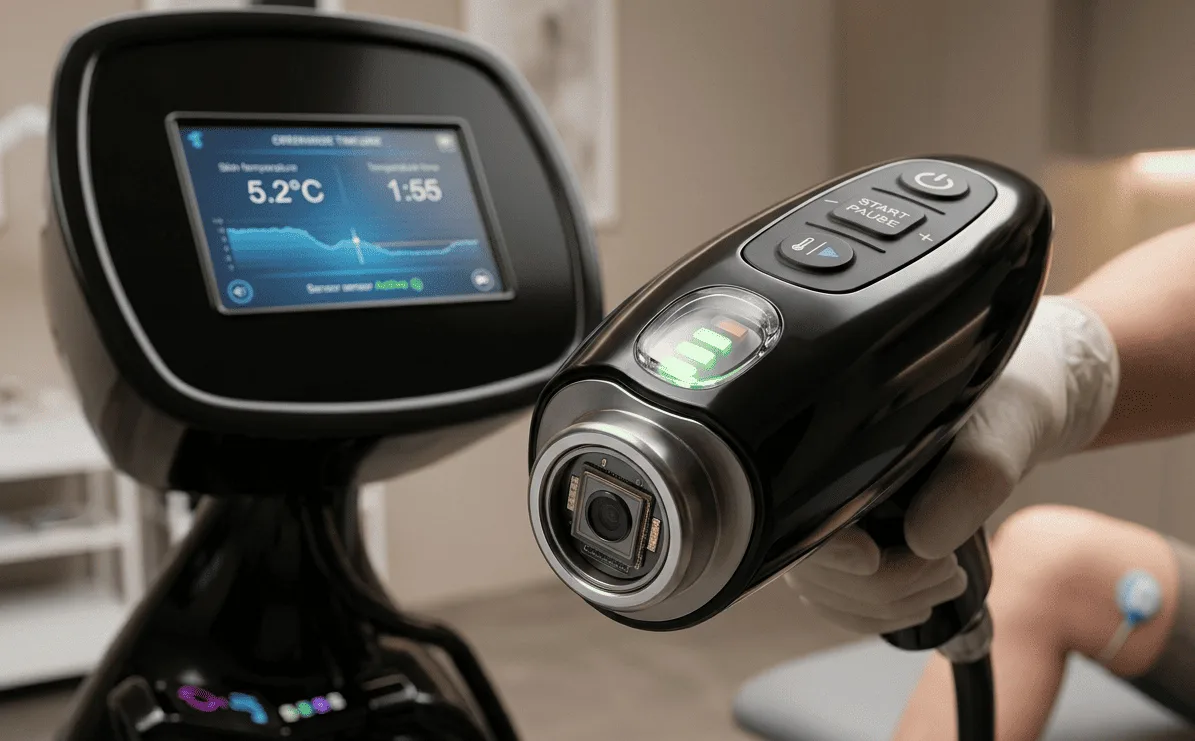
If nozzle temperature is the wrong number for evaluating a localized cryotherapy machine, the right number has to come from the tissue itself – which is what the sensor in the Iceberg 25L handle cap does. The skin temperature sensor measures the treatment area skin temperature remotely during the localized cryo session and signals the operator through an LED indicator when the area has reached the temperature that produces cryostimulation. The sensor also flags when the area is getting too cold, which is the failure mode that actually matters in localized cryotherapy. Overcooling is not a theoretical concern with a nitrogen device: without tissue-level feedback, an operator is guessing based on distance from the skin, a stopwatch reading, and the client saying it feels cold. Different body areas, skin types, adipose thickness, and vascularization all respond differently to the same nozzle pass under the same flow-force setting. The sensor converts an open-loop procedure (guess the tissue temperature) into a closed-loop one (measure the tissue temperature).
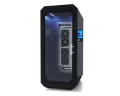
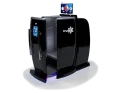
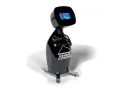
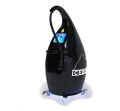
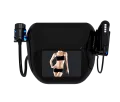
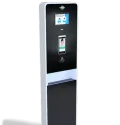
The optional thermal imaging handle available for the Iceberg 25L extends this measurement from a single spot temperature to a visualization of skin temperature change across the entire treated area in real time. That matters clinically when treating a large joint (knee, shoulder) or a broad muscle group (lower back, quadriceps) where the cold does not land evenly across the target zone under a single-handle pass. A liquid nitrogen level sensor in the reservoir handles the other operational blind spot: knowing when the tank is running down before a paid session gets interrupted rather than after. The Iceberg 25L also includes an 11-inch LCD HD touchscreen displaying session parameters, an ergonomic handle cap with control start-buttons and a power button integrated into the handle itself, and portable mobility on built-in wheels. The Iceberg 25L Simple and Grand model variants share the same core skin temperature sensor and nitrogen platform. Iceberg 25L specification numbers below.
| Specification | Iceberg 25L (Vacuactivus) |
| Cooling medium | Liquid nitrogen (stored in built-in tank, released as vapor) |
| Vapor temperature at jet pipe exit | -263 to -292F (-164 to -180C) – at nozzle NOT at skin |
| Built-in tank capacity | 25L (50L variant also available for higher-volume operations) |
| Skin temperature sensor | Yes – remote sensor in handle cap with LED indicator, overcooling prevention |
| Thermal imaging handle | Optional – real-time visualization of skin temperature change across treated area |
| Flow-force levels | Four (from lower-intensity gentle flow to higher-intensity for deeper work) |
| Interface | 11-inch LCD HD touchscreen |
| Handle design | Ergonomic cap with control start-buttons, power button on handle |
| Reservoir level monitoring | Liquid nitrogen level sensor in tank |
| Mobility | Portable on built-in wheels |
| Model variants | Simple and Grand (shared core platform) |
| SKU / Item ID | CRYOICEBERG-25L / Item ID 36216 per MedMart Online 2026 dealer listing |
| Dealer listing price (market reference) | $12,939 as of July 2026 (verify current pricing before purchase) |
Cryostimulation vs Cryosurgery: Same Word, Different Procedures
Search for spot cryotherapy in a US Google query and roughly half the results describe a dermatology procedure that has nothing to do with what the Iceberg 25L does. In that dermatology procedure – cryosurgery, also called cryoablation – a licensed clinician applies liquid nitrogen at -196C directly to a skin lesion using a cotton-tipped applicator or a cryospray, holds the application until an ice ball forms around the target, and lets it thaw, sometimes repeating the freeze-thaw cycle per DermNet NZ July 2024 dermatology cryotherapy reference. The stated clinical goal is tissue necrosis: the treated cells die, blister, scab, and are replaced through natural re-epithelialization per NCBI StatPearls March 2026 peer-reviewed dermatology cryosurgery reference. Cryosurgery treats warts, actinic keratoses, skin tags, and some superficial skin cancers per those same dermatology sources, and it is a licensed medical procedure performed in a dermatology setting. That is not what a localized cryotherapy machine like the Iceberg 25L does, and confusing the two produces both patient safety concerns and marketing compliance problems.
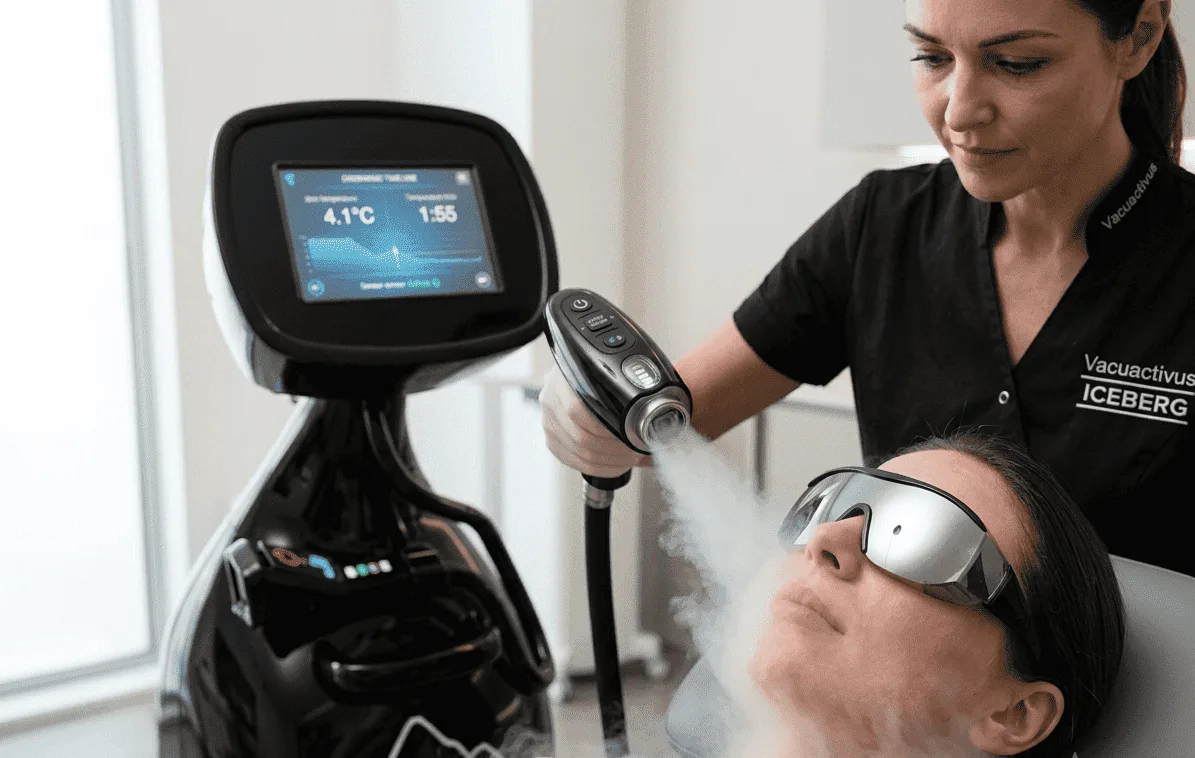
Cryostimulation, which is what the Iceberg 25L performs, is the opposite of cryosurgery in clinical intent. The cold arrives as a non-contact cold vapor stream held at a working distance from the skin, nothing is applied to the tissue, and the target is not tissue destruction but a physiological response: vasoconstriction during the vapor pass, then vasodilation and increased local blood flow afterward, with reduced inflammatory signaling and reduced pain perception in the treated area. Nothing is meant to die. Cryostimulation targets include knees, shoulders, lower back, and the face (with the appropriate flow-force and distance) for rehabilitation, sports recovery, physiotherapy, chiropractic, and aesthetic applications. The commercial confusion matters because a buyer searching spot cryotherapy may be looking for either procedure, and a clinic marketing cryotherapy without specifying which procedure it performs invites the wrong client, the wrong expectation, and potentially the wrong regulatory framework. If your practice performs both cryosurgery (as a licensed dermatology procedure) and cryostimulation (as a wellness or rehabilitation session), advertise them as separate services under separate names. The disambiguation table below breaks down every factor that distinguishes the two procedures.
| Factor | Cryostimulation (Iceberg 25L) | Cryosurgery (Dermatology) |
|---|---|---|
| Contact with skin | Non-contact: cold vapor stream held at working distance from tissue | Direct contact: cotton-tipped applicator, cryospray probe, or cryoprobe applied to lesion |
| Cryogen delivery method | Nitrogen vapor released through unpressurized nozzle, mixed with room air | Liquid nitrogen applied at lesion, held to form ice ball around target |
| Nozzle or applicator temperature | -164 to -180C at jet pipe exit (Iceberg 25L specification) | -196C (liquid nitrogen boiling point per DermNet + NCBI StatPearls) |
| Temperature reaching tissue | Depends on distance, duration, flow-force setting; measured by skin sensor in handle cap | Applied directly at cryogen boiling point with ice ball formation timed 5-30 seconds |
| Clinical goal | Physiological response: vasoconstriction then vasodilation, reduced inflammatory signaling | Tissue necrosis: treated cells die, blister, scab, and are replaced through natural healing |
| Tissue outcome | Nothing dies; tissue architecture preserved throughout session | Cell death by design; treated area shows blistering, crusting, and eventual re-epithelialization |
| Typical use cases | Rehabilitation, sports recovery, physiotherapy, rheumatology, chiropractic, cryofacial aesthetics, body contouring | Warts, actinic keratoses, skin tags, superficial basal cell carcinoma, seborrheic keratoses per dermatology references |
| Aftercare | None typical; client can resume activity immediately after session | Blister care, wound protection, follow-up scheduled as cell death and healing progress |
| Who performs | Trained operator in wellness, rehab, or aesthetic setting following manufacturer protocol | Licensed dermatologist or trained medical professional following clinical protocol |
Nitrogen, CO2, or Electric: Choosing the Cooling Technology
Localized cryotherapy machines cool in one of three ways, and the right cooling technology depends on what the practice treats rather than which technology reaches the coldest nozzle number per Cryomed June 2024 how-to-choose framework. Nitrogen devices including the Iceberg 25L store liquid nitrogen and release it as vapor mixed with room air through the nozzle. The stream is unpressurized, which is why it feels like a cold breeze rather than a pressurized blast on the client, and nitrogen cold penetrates deeper than the alternative technologies per Cryomed 2026 cryofans framework. Cryomed positions nitrogen blowers as the fit for post-surgical and post-injury rehabilitation and inflammatory conditions such as rheumatoid arthritis. The cost of the nitrogen platform is a consumable supply chain: liquid nitrogen has to be ordered from a supplier, stored on-site in a dewar, and refilled on a schedule; the treatment room needs ventilation appropriate for nitrogen use; and oxygen monitoring is standard practice where liquid nitrogen is stored and decanted.
CO2 devices deliver pressurized carbon dioxide at approximately -110C at the nozzle exit, which produces a sharp thermal shock and works well for rehabilitation and joint work. The pressure is also the limitation: because the CO2 exits under force, CO2 units are generally unsuitable for facial treatment and for some injury types per Cryomed how-to-choose guidance, which makes CO2 units a rehabilitation tool rather than an aesthetics tool. Subzero by American Cryo is a market reference example of the CO2 platform. Electric devices – the Vacuactivus Iceberg Electric among them – use a compressor to chill air to approximately -30C with no nitrogen consumable at all. That is dramatically warmer than nitrogen, and for deep joint work or post-surgical rehabilitation it is the wrong cooling technology. For cryofacials and skin work in aesthetic settings it is frequently the right cooling technology: the Iceberg Electric plugs into a standard electrical outlet, consumes little power, has no consumable to reorder, and the Grand configuration pairs cold air delivery with an LED rejuvenation mask. A practice doing mostly aesthetics and no rehabilitation work should look hard at the Iceberg Electric before paying for a nitrogen platform whose depth advantage is not clinically relevant to the aesthetic workflow. The technology comparison table below breaks down the trade-offs per factor.
| Factor | Nitrogen (Iceberg 25L) | CO2 (Subzero, other) | Electric (Iceberg Electric) |
|---|---|---|---|
| Nozzle exit temperature | -164 to -180C at jet pipe exit | Approximately -110C | Approximately -30C |
| Pressurized delivery | No – unpressurized vapor mixed with room air | Yes – CO2 delivered under high pressure | No – chilled air from compressor |
| Facial treatment suitable | Yes – gentle flow, works for cryofacial applications | Generally no – pressurized delivery unsuitable per Cryomed | Yes – the primary aesthetic use case at warmer temperature |
| Cold penetration depth | Deeper – suits post-surgical, post-injury, rheumatology | Moderate – joint work, rehabilitation | Surface – skin work, cryofacials, not deep joints |
| Consumable required | Yes – liquid nitrogen supply chain, dewar storage | Yes – CO2 supply | No – electric only, standard outlet |
| Running cost | Consumable line item (nitrogen + dewar rental) | Consumable line item (CO2) | Electricity only – lowest running cost |
| Ventilation required | Yes – nitrogen storage and use requires ventilation | Less critical than nitrogen | Not required beyond normal room ventilation |
| Best clinical use | Rehabilitation, sports recovery, rheumatology, mixed rehab plus aesthetics | Rehabilitation and joint work (not facial) | Aesthetics-focused practice, cryofacial primary, skin work only |
Session Mechanics and Tank Math
A localized cryotherapy session on the Iceberg 25L is short by design. One area takes under five minutes; a multi-area session runs up to twenty minutes total per Cryomed 2026 cryofans session mechanics reference. The operator passes the ergonomic handle over the target area at a working distance, watches the skin temperature sensor indicator rather than counting the clock, and stops the pass when the treatment area reaches the target cryostimulation temperature. This precision cryotherapy protocol – closing the loop on tissue temperature rather than guessing from a stopwatch – is what separates the Iceberg 25L localized cryotherapy device from open-loop local cryo machines that lack skin temperature sensing. Precision cryotherapy on a localized cryotherapy device with skin sensing means the operator can adjust distance, duration, and flow-force in real time based on tissue feedback rather than following a fixed protocol that ignores how the specific area responds. Common treatment targets on the Iceberg 25L localized cryotherapy device include knees, shoulders, lower back, elbows, and the face (with appropriate flow-force adjustment for facial skin), and the localized cryotherapy machine is used across rehabilitation and sports recovery practices, post-surgical care, rheumatology and physiotherapy, dermatology and aesthetic applications (as cryostimulation not cryosurgery per the disambiguation section above – and this is exactly the point where spot cryotherapy terminology gets confused, since spot cryotherapy can mean either cryostimulation on a device like the Iceberg 25L or cryosurgery in a dermatology setting), body contouring, and equine or veterinary use in specialty facilities. Cryo facial work is the highest-volume application of the Iceberg platform in beauty settings – where cryo facial is used interchangeably with cryofacial – and clients notice immediate effects on the treated facial zone after each cryo facial session, with the typical cryo facial protocol repeating every few weeks. A precision cryotherapy device with skin sensing supports more consistent cryo facial results than an open-loop unit because facial tissue is thin and reaches temperature fast, which is exactly where a spot cryotherapy operator without tissue feedback is most likely to overcool.
Tank math determines throughput on the Iceberg 25L or 50L formats, and honest tank math requires the operator’s actual flow-force settings rather than a catalog extrapolation. A useful market reference from a direct competitor: CRYONiQ 2026 states that a 50L vessel supports up to 300 minutes of operation, or roughly 30 ten-minute sessions on the CRYO LC platform. A 25L tank holds half that liquid nitrogen volume, so plan capacity proportionally and confirm actual consumption at your typical flow settings with Vacuactivus rather than extrapolating from a competitor 50L figure – consumption scales with flow-force setting, and the lower-intensity Iceberg 25L modes use noticeably less liquid nitrogen per minute of session than maximum flow. The 25L format suits a practice moving the Iceberg unit between treatment rooms or running moderate localized session volume across the week. The 50L format suits high-volume operations that would otherwise interrupt the treatment day to refill the tank between sessions. See the demonstration video from Vacuactivus embedded below (linked to the official Vacuactivus YouTube channel) showing operator work with the skin temperature sensor and the nitrogen vapor stream in an actual Iceberg 25L session context: https://www.youtube.com/@vacuactivus
What It Costs and What It Returns
The Iceberg 25L lists at $12,939 as of July 2026 through authorized dealers such as MedMart Online (SKU CRYOICEBERG-25L), which places it in the middle of the localized cryotherapy machine market. CryoChambers 2026 puts the localized machine market range at $7,500-$18,000 per Nawfel Oussedik category page – Nawfel Oussedik opened Polaris Wellness the first Hong Kong WBC studio in 2015 and founded CryoChambers in 2016 with 2,000-plus businesses served across 340-plus operators surveyed – the strongest E-E-A-T anchor in localized cryotherapy category pricing data. That $7,500-$18,000 range spans real differences between local cryo machines rather than pure branding: entry units at the low end of the localized cryotherapy machine market are typically electric with modest cooling and no consumable requirement, while the top of the band buys a nitrogen platform, skin temperature sensing, and build quality designed for continuous clinical use. The Iceberg 25L at $12,939 sits mid-band with the nitrogen platform, sensor, touchscreen, and portable design combination.
Localized cryotherapy sessions price at $25-$50 per session in the US market per Thervo 2026 cryotherapy cost reference, with some practices charging up to $80 for cryofacial work as a specialty application. The economics of a localized cryotherapy machine like the Iceberg 25L differ from a whole-body cryotherapy chamber in a way that favors the buyer: the Iceberg is an add-on service rather than a destination service. A physiotherapy practice already seeing patients, a chiropractic office already booking adjustments, or a med spa already running facials does not need to generate new foot traffic to fill the Iceberg 25L into the day – the practice attaches the localized cryotherapy session to appointments already on the schedule. Run your own ROI numbers rather than a vendor calculator: the Iceberg 25L device price ($12,939 market reference), the nitrogen line item at your local supplier rate and your projected session volume, dewar rental cost, and the realistic number of localized sessions per week in month three rather than the optimistic projection for month twelve. Budget the room requirements as well – ventilation matters with a nitrogen platform, and oxygen monitoring is standard practice where liquid nitrogen is stored and decanted, per DermNet dermatology cryotherapy safety guidance which applies broadly to any nitrogen storage context.
Where the Iceberg 25L Fits and Where It Does Not
Honest positioning of the Iceberg 25L within a practice product portfolio matters more than superlatives. The Iceberg 25L fits a practice that treats tissue, not just skin: rehabilitation and physiotherapy clinics, sports recovery facilities, chiropractic practices, rheumatology-adjacent settings, and med spas that run both aesthetic and recovery services. The nitrogen platform on the Iceberg 25L earns its consumable cost when depth of cold penetration matters clinically. The Iceberg 25L does not fit a practice doing cryofacial work and nothing else – the Iceberg Electric compressor-based localized cryotherapy unit at -30C covers cryofacial work without the nitrogen supply chain, and paying for nitrogen you do not clinically need is a recurring cost with no additional therapeutic return. For depth-versus-technology trade-off context, see the Iceberg Electric vs Nitrogen Local Cryo companion technology comparison article . The Iceberg 25L also does not fit a facility without ventilation capacity or the willingness to handle liquid nitrogen safely, and it is not a substitute for a Vacuactivus whole-body cryotherapy chamber when the clinical goal is systemic exposure across the whole body rather than a targeted local area.
One claim in some Iceberg product literature deserves a caveat from us as the manufacturer rather than from a competitor: the evaporative design is marketed in some contexts as improving treatment efficiency by up to 40 percent against conventional local cryotherapy machines. That is a manufacturer marketing figure without published comparative methodology, and a buyer should treat the 40 percent claim as a marketing statement rather than a measured clinical result. The specification numbers in this article (nitrogen vapor at -164 to -180C at jet pipe exit, 25L tank capacity, four flow-force levels, 11-inch LCD HD touchscreen, skin temperature sensor with LED indicator, $12,939 dealer listing) are verifiable against the MedMart dealer listing and Vacuactivus product documentation; the 40 percent efficiency claim is not verifiable in the same way. Honest engineering framing on the manufacturer’s own product is more useful to a rehabilitation clinic buyer than superlatives, and the Vacuactivus localized cryotherapy equipment category page provides Iceberg 25L specification detail without the marketing claim overlay. For localized-versus-whole-body decision context on when spot treatment outperforms systemic exposure, see the Local Cryotherapy Machine When Spot Treatment Outperforms WBC guide. For cryofacial application-specific context, see the Facial Cryotherapy How Cold Boosts Collagen and Reduces Inflammation article.
Frequently Asked Questions
Q1. How cold does the Iceberg 25L local cryo machine actually get?
The Iceberg 25L specification lists nitrogen vapor at -263 to -292F (-164 to -180C) at the jet pipe exit, which is the temperature leaving the nozzle rather than the temperature reaching the skin. The vapor warms as it travels and mixes with room air, so tissue temperature depends on the distance the handle is held from the skin, the duration of the pass, and which of the four flow-force settings is used. Skin never sees -164C during an Iceberg 25L session. Comparing localized cryotherapy machines by published nozzle temperature alone is close to meaningless: CRYONiQ publishes -130 to -150C for the CRYO LC, Cryomed publishes -110 to -130C for its nitrogen cryofans, Subzero uses CO2 at -110C, and none of these figures are measured at the same point under the same flow conditions. The clinically meaningful number is the tissue temperature achieved during the localized cryo session, which is what the skin temperature sensor in the Iceberg 25L handle cap measures during treatment.
Q2. What is the difference between localized cryotherapy and cryosurgery?
Localized cryotherapy and cryosurgery share the word cryotherapy and share very little else clinically. Cryosurgery (also called cryoablation) applies liquid nitrogen at -196C directly to a skin lesion with a cotton-tipped applicator or cryospray, holds the application until an ice ball forms around the target lesion, and lets it thaw – the stated clinical goal is tissue necrosis per DermNet NZ and NCBI StatPearls dermatology cryosurgery references. Treated cells die, blister, scab, and are replaced through natural healing. Cryosurgery treats warts, actinic keratoses, skin tags, and some superficial skin cancers as a licensed dermatology procedure. Localized cryotherapy on the Iceberg 25L is cryostimulation instead: the cold arrives as a non-contact cold vapor stream, nothing touches the skin, and the clinical goal is a physiological response (vasoconstriction then vasodilation, increased local blood flow, reduced inflammatory signaling, reduced pain perception in the treated area) rather than tissue destruction. Nothing dies during cryostimulation. A clinic marketing cryotherapy without specifying which procedure is being performed invites the wrong client and the wrong regulatory framework.
Q3. How much does a localized cryotherapy machine cost?
The Iceberg 25L lists at $12,939 as of July 2026 through authorized dealers such as MedMart Online (SKU CRYOICEBERG-25L), which places it mid-market in the localized cryotherapy machine category. CryoChambers 2026 puts the local cryo machine market range at $7,500-$18,000 per Nawfel M. Oussedik category page. That $7,500-$18,000 spread reflects real differences rather than pure branding: entry local cryo machines are typically electric with modest cooling and no consumable, while the upper band buys a nitrogen platform, skin temperature sensing, and build quality for continuous clinical use. Budget beyond the Iceberg 25L device itself for a nitrogen supplier relationship, dewar storage, and room ventilation – the nitrogen line item never reaches zero. On the revenue side, localized cryotherapy sessions price at $25-$50 per session in the US market per Thervo 2026 cryotherapy cost reference, with cryofacial work reaching higher in some practices, and the Iceberg 25L works as an add-on to appointments already booked rather than a destination service requiring new foot traffic.
Q4. Is nitrogen or electric local cryotherapy better?
Neither nitrogen nor electric localized cryotherapy is universally better – the right cooling technology depends on what the practice treats. Nitrogen devices like the Iceberg 25L release unpressurized vapor and reach far lower nozzle temperatures with deeper cold penetration, which is why they suit post-surgical and post-injury rehabilitation, rheumatology-adjacent practice, sports recovery, and joint work per Cryomed how-to-choose framework. The cost of the nitrogen platform is a consumable supply chain: nitrogen ordering, dewar storage, refills, and room ventilation. Electric devices such as the Iceberg Electric use a compressor to chill air to approximately -30C, which is dramatically warmer than nitrogen and the wrong tool for deep joint work or post-surgical rehabilitation. For cryofacials and skin treatments the Iceberg Electric is frequently the right tool: it plugs into a standard outlet, draws little power, has no consumable to reorder, and the Grand configuration adds an LED rejuvenation mask. A practice doing aesthetics only should look hard at the Iceberg Electric rather than paying for nitrogen it does not clinically need. CO2 units sit between them at -110C but deliver under pressure, which makes them unsuitable for facial work per Cryomed.
Q5. How long does a spot cryotherapy session take?
One area takes under five minutes on the Iceberg 25L localized cryotherapy machine. A multi-area session runs up to twenty minutes total depending on how many treatment targets are worked in the same visit per Cryomed 2026 cryofans session mechanics reference. The operator passes the ergonomic handle over the target at a working distance and stops the pass when the treated area reaches cryostimulation temperature, which on the Iceberg 25L is signaled by the skin temperature sensor in the handle cap through an LED indicator rather than estimated from a stopwatch reading. Session length is not a fixed protocol number because different body areas, skin types, adipose thickness, and vascularization reach the target tissue temperature at different rates under the same nozzle pass. The short session length is what makes localized cryotherapy practical as an add-on service in a physiotherapy, chiropractic, or med spa context: the Iceberg 25L session attaches to an appointment already on the schedule rather than requiring its own dedicated booking slot, which is the core economic difference from whole-body cryotherapy chamber sessions.
Q6. How many sessions does a 25L nitrogen tank provide?
Liquid nitrogen consumption scales with the flow-force setting on the Iceberg 25L, so the honest answer requires your own operator settings rather than a catalog session count. A useful market reference from the direct competitor: CRYONiQ 2026 states that a 50L vessel on the CRYO LC platform supports up to 300 minutes of operation, or roughly 30 ten-minute sessions. A 25L Iceberg tank holds half that liquid nitrogen volume, so plan capacity proportionally and confirm actual consumption at your typical flow-force settings with Vacuactivus before committing to the 25L format over the 50L. Lower-intensity Iceberg 25L flow-force modes consume noticeably less nitrogen per minute than maximum flow-force. The Iceberg 25L includes a liquid nitrogen level sensor in the reservoir, which matters operationally: it tells you the tank is running down before an Iceberg session is interrupted rather than after a client is already in the treatment room. The 25L format suits practices moving the Iceberg unit between rooms or running moderate session volume; the 50L format suits high-volume operations that would otherwise stop the treatment day to refill the tank.
Q7. Is localized cryotherapy safe for the face?
With a nitrogen local cryo machine like the Iceberg 25L delivering an unpressurized vapor stream, yes – cryofacial work is one of the highest-volume applications of the localized cryotherapy platform in beauty settings. The nitrogen vapor flow feels like a cold breeze on the facial skin rather than a pressurized blast because it is not delivered under pressure. The safety qualifier is technology-specific: CO2 local cryo machines deliver pressurized gas at approximately -110C and are generally unsuitable for facial treatment per Cryomed how-to-choose guidance, which is a distinction most category marketing skips over. On the Iceberg 25L, the skin temperature sensor in the handle cap is the safeguard that matters most for facial cryofacial work, since facial skin reaches the target cryostimulation temperature faster than a large joint under the same pass and the primary failure mode in cryofacial work is overcooling rather than undertreating. The optional Iceberg 25L thermal imaging handle shows temperature change across the whole treated facial zone rather than at a single spot point. Standard cold-therapy contraindication screening applies, as with any localized cryotherapy application.
Q8. What does the temperature sensor on the Iceberg 25L do?
The Iceberg 25L skin temperature sensor in the handle cap measures the skin temperature of the treatment area remotely during the localized cryo session and signals the operator through an LED indicator when the treated area has reached the cryostimulation target temperature – and when it is getting too cold. That second function (overcooling prevention) is the operationally critical one. Without tissue-level feedback during the localized cryotherapy session, the operator is working open-loop: estimating tissue temperature from distance to skin, a stopwatch reading, and client feedback, while different body areas, skin types, and adipose thickness respond differently to an identical nozzle pass under the same flow-force. The Iceberg 25L skin temperature sensor closes the feedback loop from open (guess) to closed (measure). The optional Iceberg 25L thermal imaging handle extends the measurement from a single spot temperature to a visualization of temperature change across the whole treated area, which matters clinically when treating a large joint (knee, shoulder) or a broad muscle group (lower back, quadriceps) where the cold does not land evenly under a single-handle pass. Given that nozzle temperature tells you nothing about tissue temperature actually reached, sensing at the skin itself is the feature that separates controlled localized cryotherapy treatment from operator guesswork.
Conclusion
The Iceberg 25L is a nitrogen-based localized cryotherapy machine with nitrogen vapor at -164 to -180C at the jet pipe exit (not at the skin – the vapor warms as it travels, and tissue temperature depends on operator-controlled distance, duration, and flow-force), a skin temperature sensor in the handle cap that closes the treatment feedback loop from open to closed, 25L or 50L built-in tank capacity, four flow-force levels, an 11-inch LCD HD touchscreen, portable mobility on built-in wheels, an optional thermal imaging handle for whole-area temperature visualization, and a $12,939 dealer listing price as of July 2026 through MedMart Online that places the Iceberg mid-market in the $7,500-$18,000 localized cryotherapy machine category per CryoChambers. Cryostimulation on the Iceberg 25L is not cryosurgery – cryosurgery uses -196C liquid nitrogen applied by contact to destroy tissue in dermatology practice, while cryostimulation uses non-contact cold vapor to trigger a physiological response without killing anything.
Three cooling technologies fit three different practice types honestly: nitrogen (Iceberg 25L) for rehabilitation depth, CO2 for rehabilitation joint work not facial, electric (Iceberg Electric) for aesthetics-focused practice. Localized cryotherapy sessions price at $25-$50 per session in the US market per Thervo, the Iceberg 25L works as an add-on to appointments already booked rather than a destination service, and the tank math on the 25L format should be confirmed with Vacuactivus rather than extrapolated from the CRYONiQ 50L reference of 300 minutes / 30 sessions. The 40 percent efficiency claim referenced in some Iceberg product literature is a manufacturer marketing figure without published comparative methodology, and this article flagged it as such. For pricing context across the Vacuactivus cryotherapy portfolio, see the How Much Does a Cryotherapy Machine Cost pricing companion article. This product review is written from the engineering side of the Iceberg 25L to be applied against any localized cryotherapy machine supplier including Vacuactivus itself – honest specification framing on our own product is more useful than superlatives.


