










Palestra con rulli: perché i centri di recupero sportivo aggiungono il body rolling
Una macchina per il massaggio con rulli è un dispositivo motorizzato a cilindro e rulli che viene installato in studi di recupero, palestre e centri benessere per offrire sessioni di drenaggio linfatico, rilascio miofasciale e recupero post-allenamento su larga scala. A differenza dei rulli in schiuma, che dipendono dalla tecnica e dal peso corporeo del cliente, una macchina professionale per il massaggio con rulli applica una pressione meccanica costante tramite rulli di legno motorizzati mentre il cliente è sdraiato in 15 posizioni predefinite per 30-45 minuti a sessione.
Questa guida B2B illustra le funzionalità dell'apparecchiatura, il suo confronto con il foam rolling e il massaggio di drenaggio linfatico manuale, i motivi per cui i centri di recupero sportivo la stanno includendo nella loro offerta di servizi, le specifiche importanti da considerare al momento dell'acquisto e il calcolo del ritorno sull'investimento (ROI) che giustifica l'investimento iniziale per le attività commerciali di recupero.
L'articolo riflette l'esperienza di produzione commerciale di Vacuactivus dal 2009 (Los Angeles, USA) e i dati operativi degli impianti di rullatura Vacuactivus installati in oltre nove paesi.
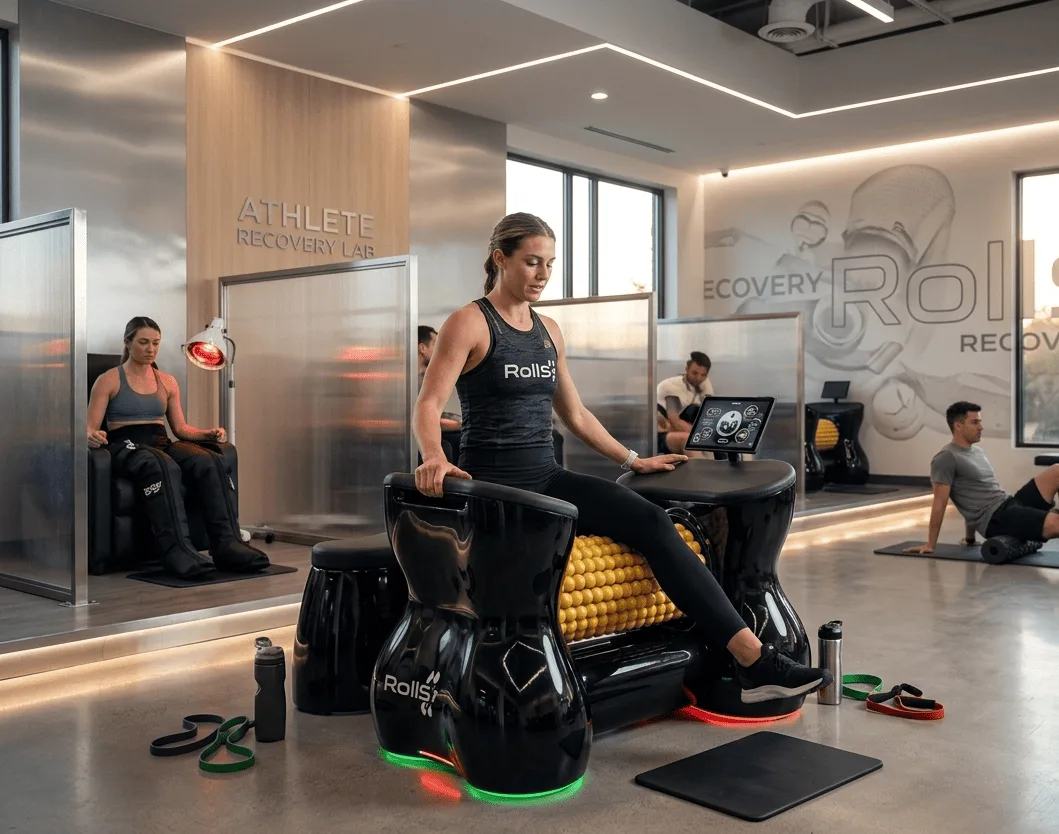
Cos'è una macchina a rulli (Roller Machine)?
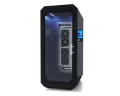
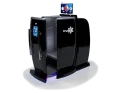
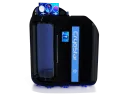
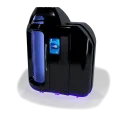
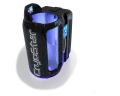
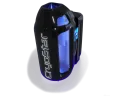
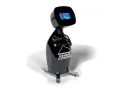
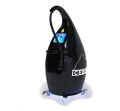
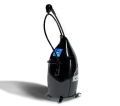
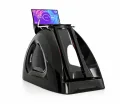
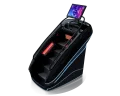
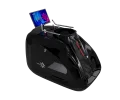
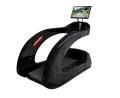
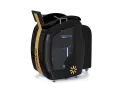
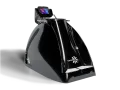
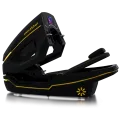
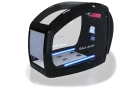
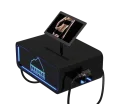
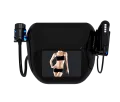
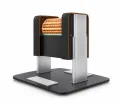
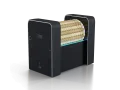
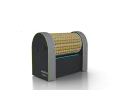
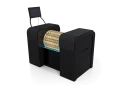
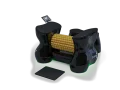
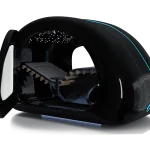
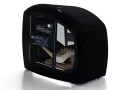
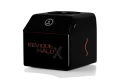
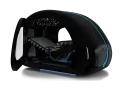
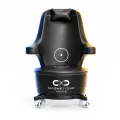
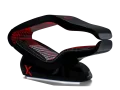
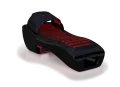
Una macchina per massaggi con rulli è un'attrezzatura professionale per il benessere dotata di rulli di legno motorizzati che entrano in contatto con il corpo del cliente per fornire un massaggio a pressione, drenaggio linfatico e rilascio miofasciale. Questo formato di macchina per massaggi con rulli di legno sostituisce lo sforzo manuale di rotolamento con un'azione meccanica costante su un protocollo di 15 posizioni. Le unità commerciali sono disponibili in tutto il mondo. Gamma di formatrici a rulli Vacuactivus.
In cosa si differenzia un rullo per il corpo da un rullo in schiuma?
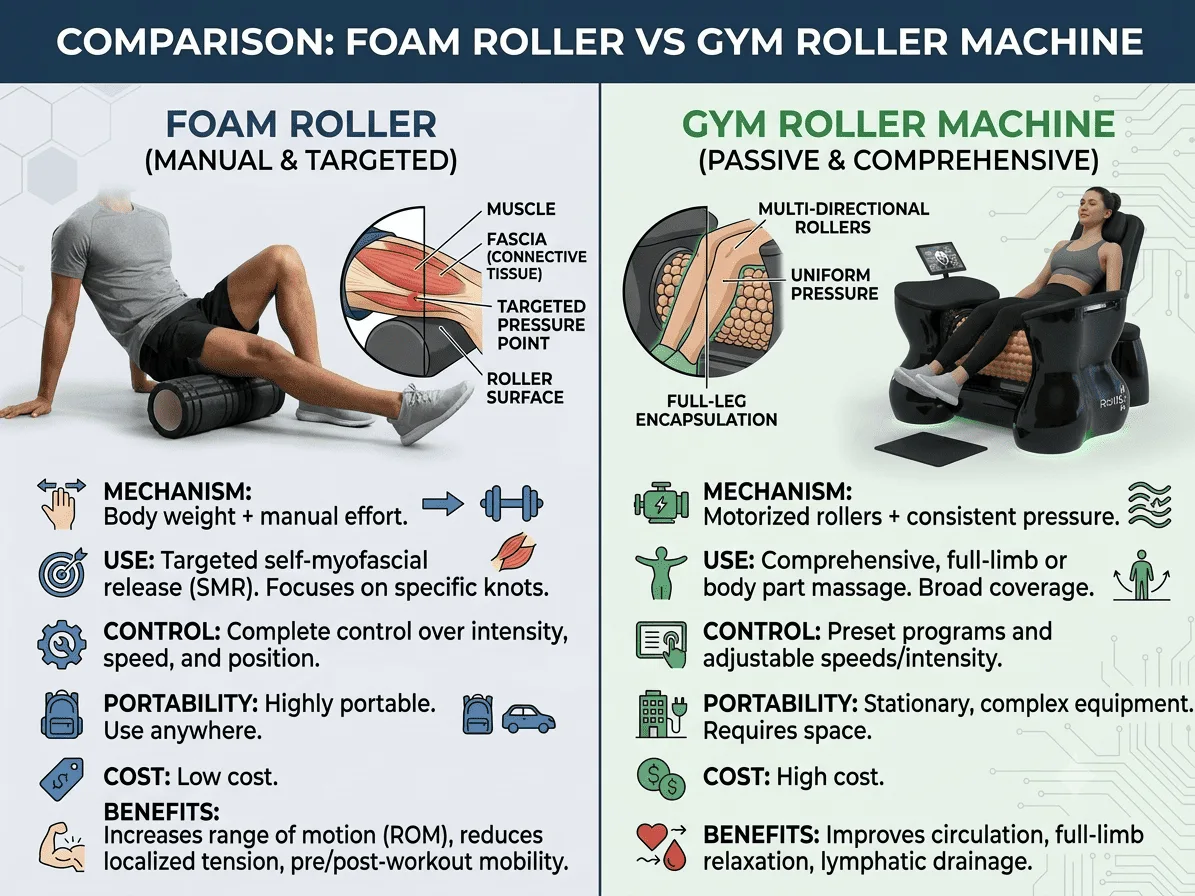
Un rullo di schiuma è un cilindro passivo che dipende dal peso corporeo e dal posizionamento dell'utente. Una macchina per rulli da palestra è un dispositivo attivo e motorizzato con rulli motorizzati, posizioni predefinite per il cliente e una pressione costante che non dipende dallo sforzo o dalla tecnica dell'utente.
Le differenze sono rilevanti a tre livelli operativi. Capacità: con un rullo in schiuma, da quattro a sei utenti della palestra possono utilizzare il rullo individualmente ogni ora su un'attrezzatura condivisa. Con una macchina per rulli, un solo cliente pagante per sessione riceve un trattamento guidato di 30-45 minuti. Uniformità: la pressione di un rullo in schiuma varia in base al peso corporeo e alla capacità di posizionamento. Una macchina per rulli applica la stessa pressione meccanica indipendentemente dal cliente. Formazione: l'utilizzo del rullo in schiuma richiede che l'utente sappia cosa sta facendo. Una macchina per rulli gestisce i cambi di posizione e la direzione della pressione tramite protocolli pre-programmati, quindi un corso di formazione di un giorno è sufficiente per utilizzare l'attrezzatura.
Il formato assomiglia più a un servizio di recupero che a un attrezzo da palestra self-service. Questa differenza spiega perché genera entrate tramite sessioni a pagamento anziché essere incluso in un abbonamento base.
Componenti chiave: rulli, sistema a tamburo, calore e luce
Una macchina professionale per il massaggio corporeo con rulli ha quattro componenti principali. Innanzitutto, i rulli stessi: in genere cilindri di legno montati su un tamburo bidirezionale, perché i rulli di legno trasferiscono meglio il calore e risultano più naturali sulla pelle rispetto alle alternative sintetiche. In secondo luogo, il sistema a tamburo ruota in senso orario e antiorario per adattarsi alla direzione del flusso linfatico del corpo durante il protocollo. In terzo luogo, elementi riscaldanti a infrarossi riscaldano i rulli per penetrare più in profondità nei tessuti. In quarto luogo, lampade a LED per il collagene o elementi cromatici per la cromoterapia sono presenti nelle unità premium come la rullo per il corpo a infrarossi per la risposta cutanea e gli effetti sulla circolazione.
Come funziona la macchina: dall'attivazione linfatica al recupero
Il dispositivo per massaggio corporeo a rulli agisce applicando una pressione motorizzata coordinata su 15 posizioni predefinite del cliente, durante una sessione di 30-45 minuti. Il cliente si sdraia sulla piattaforma piana, l'operatore seleziona il programma e i rulli iniziano a entrare in contatto con l'area da trattare a velocità e pressione controllate.
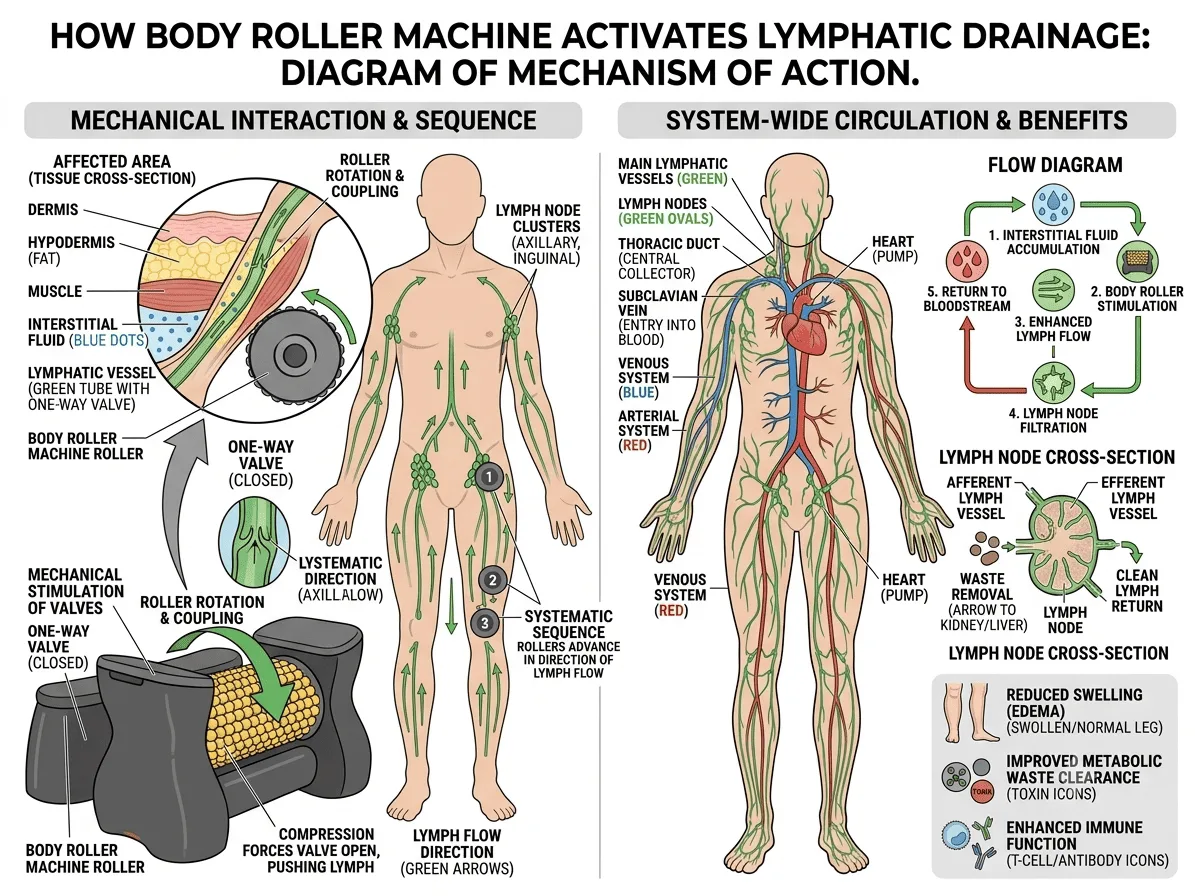
La pressione meccanica sui tessuti stimola tre risposte fisiologiche. In primo luogo, il drenaggio linfatico: i rulli che premono verso i gruppi di linfonodi attivano il movimento dei fluidi fuori dall'interstizio tissutale. In secondo luogo, il rilascio miofasciale: le aderenze fasciali tra gli strati muscolari si separano sotto una pressione meccanica prolungata, in modo simile all'obiettivo dell'auto-rilascio miofasciale (SMR) con un rullo di schiuma, ma a intensità costante. In terzo luogo, la circolazione sanguigna: il flusso sanguigno localizzato aumenta, portando sangue ossigenato al tessuto trattato e accelerando la rimozione dei prodotti di scarto del metabolismo.
L'aggiunta di calore a infrarossi aumenta la profondità di penetrazione. Ecco perché gli studi di recupero di alta qualità abbinano il massaggio con rullo a infrarossi anziché utilizzare il solo rullo, ed ecco perché le specifiche del rullo a infrarossi sono importanti al momento dell'acquisto. Per un'analisi più approfondita del meccanismo alla base delle sessioni focalizzate sul sistema linfatico, vedere Rullo massaggiante per il corpo per il drenaggio linfatico e la cellulite.
L'effetto del massaggio linfodrenante eseguito da un apparecchio è quello commercialmente più valido. Offre risultati simili al massaggio linfodrenante manuale, ma con una costanza e una portata che un singolo terapista qualificato non può eguagliare. Il drenaggio linfatico manuale richiede la certificazione del metodo Vodder o Foldi e una notevole resistenza fisica. Un apparecchio per massaggio a rulli applica automaticamente la stessa direzione di drenaggio in tutte le posizioni del cliente, sessione dopo sessione.
Macchina a rulli vs rullo in schiuma vs massaggio manuale: tabella comparativa
I tre formati offrono vantaggi sovrapposti a prezzi, velocità di elaborazione ed economie di scala molto diversi.
| Parametro | Macchina a rulli commerciale | Rullo in schiuma | Massaggiatore manuale |
|---|---|---|---|
| costo del capitale | Da $8.000 a $25.000 | $30 a $100 | Non applicabile (costo della manodopera) |
| Durata della sessione | Da 30 a 45 minuti | da 10 a 15 minuti | 60 minuti |
| consistenza della pressione | Meccanico, uniforme | Dipende dal peso corporeo | Dipendente dal terapeuta |
| Formazione degli operatori | Corso di 1 giorno | Nessuno (self-service) | Certificazione da 200 a 500 ore |
| Portata oraria | 1 cliente per sessione | Da 4 a 6 utenti che si arrotolano le sigarette | 1 cliente per sessione |
| Opzione infrarossi/riscaldamento | Sì (sulle unità premium) | NO | NO |
| effetto del drenaggio linfatico | Sì (meccanico) | Limitato | Sì (dipende dalla tecnica) |
| Migliore vestibilità | Servizio di recupero a pagamento | attrezzature aggiuntive per la palestra | Lavoro terapeutico di precisione |
Perché i centri di recupero sportivo e le palestre stanno aggiungendo le macchine a rulli
Tre fattori commerciali spiegano la curva di adozione negli ultimi cinque anni: fatturato per metro quadro, fidelizzazione degli abbonati e posizionamento dei servizi di recupero. Nessuno di questi fattori riguarda la tecnologia in sé, bensì il modello di business che la tecnologia supporta.
Ricavo per metro quadro: perché supera la maggior parte delle attrezzature cardio
Una macchina per massaggio a rulli per uso commerciale occupa circa 25-30 piedi quadrati di spazio. Con un utilizzo tipico di 60% (media del settore), da 12 a 16 clienti al giorno a $40-$80 per sessione, sei giorni a settimana, l'unità genera un fatturato mensile di $14.000-$28.000. Rispetto a una cyclette cardio (inclusa nell'abbonamento, nessun ricavo aggiuntivo) o a un rack per l'allenamento della forza (incluso nell'abbonamento, nessun costo aggiuntivo), una macchina per massaggio a rulli genera un fatturato di $480-$900 per piede quadrato al mese. Questo la colloca tra le categorie di attrezzature con il più alto fatturato per piede quadrato nel settore del benessere commerciale, insieme alle camere crioterapiche e alla terapia a luce rossa.
Fidelizzazione degli iscritti: come i servizi aggiuntivi per il recupero riducono l'abbandono
I servizi di recupero fidelizzano i clienti a una palestra in modo più forte rispetto alla sola attrezzatura fitness. Un cliente che prenota una sessione settimanale di body rolling in aggiunta all'abbonamento base in genere registra un tasso di abbandono mensile da due a tre volte inferiore rispetto a un cliente che utilizza solo l'attrezzatura fitness. Il meccanismo è tanto psicologico quanto fisico: il recupero a pagamento viene percepito come un investimento su se stessi, non come un obbligo o una spesa irrecuperabile. Le palestre che includono il body rolling nell'abbonamento di recupero registrano in genere un significativo aumento dei ricavi rispetto al prezzo dell'abbonamento base, secondo il feedback dei distributori Vacuactivus nelle installazioni commerciali.
Chi acquista le macchine per la rullatura (profili dei clienti)
Tre tipologie di studi guidano la maggior parte della domanda commerciale. Gli studi di recupero sono spazi dedicati che combinano crioterapia, massaggio con rullo, terapia a luce rossa e poltrone massaggianti a gravità zero. Installano un rullo per il corpo insieme ad altre modalità di recupero per creare un menu completo. Le cliniche di recupero sportivo si rivolgono ad atleti e frequentatori assidui di palestre e aggiungono un rullo per il recupero sportivo per offrire il recupero post-allenamento come servizio a pagamento anziché come servizio gratuito negli spogliatoi. I centri di bellezza e benessere posizionano l'attrezzatura più verso il drenaggio linfatico e il rimodellamento del corpo, spesso abbinandola a camere crioterapiche commerciali e la terapia con luce rossa in un percorso benessere a tre stazioni.
Le specifiche del rullo ad alte prestazioni (motore più robusto, commutazione più rapida della direzione della pressione) sono fondamentali per le cliniche di recupero sportivo, dove il volume delle sessioni è elevato.
Cosa considerare quando si acquista un rullo per carrozzeria professionale
Quattro specifiche distinguono le apparecchiature di livello professionale da quelle di dimensioni ridotte destinate al mercato consumer. La maggior parte delle differenze di prezzo tra i diversi produttori si riduce a queste quattro decisioni.
Materiale del rullo: Legno vs Sintetico
I rulli in legno massello trasferiscono il calore in modo efficiente, risultano naturali sulla pelle e durano dagli otto ai dieci anni in un utilizzo professionale. I rulli in plastica sintetica costano meno, ma producono una sensazione di plastica sulla pelle che i clienti notano già dopo la prima seduta. Il vantaggio dei rulli in legno è sensoriale. Per questo motivo, i centri estetici professionali di alta gamma li utilizzano universalmente.
Fonte di calore: infrarossi vs. standard
I rulli standard funzionano a temperatura ambiente. I rulli dotati di tecnologia a infrarossi si riscaldano a temperature comprese tra 35 e 50 °C e penetrano più in profondità nei tessuti. Per un'unità professionale ammortizzata in otto-dieci anni, il sovrapprezzo per i rulli a infrarossi è uno degli aggiornamenti più facili da giustificare al momento dell'acquisto. I clienti percepiscono immediatamente la differenza e prenotano più frequentemente. La differenza di prezzo raramente supera i 151 TP3T del costo totale dell'attrezzatura.
Programmi e controllo tramite touchscreen
I protocolli preprogrammati a 15 posizioni eliminano la necessità per gli operatori di regolare manualmente i rulli tra un cambio di posizione e l'altro del cliente. Un touchscreen consente all'operatore di caricare la sessione, confermare i parametri del cliente e avviare il protocollo. La macchina gestisce automaticamente la velocità dei rulli, la direzione della pressione e la temporizzazione. Questo è fondamentale per ottimizzare i tempi: una configurazione del protocollo di 30 secondi, rispetto a una regolazione manuale di 5 minuti per cliente, si traduce in un risparmio significativo su 15-16 sessioni giornaliere.
Garanzia e assistenza
La garanzia di una macchina formatrice a rulli professionale dovrebbe coprire almeno due anni per il motore e il sistema del tamburo e un anno per l'elettronica. Il tempo di risposta dell'assistenza è più importante della durata della garanzia: una macchina ferma per cinque giorni costa da 1.400 a 1.400 euro in termini di mancati ricavi per sessione, a seconda dell'utilizzo. La garanzia Vacuactivus include il supporto all'installazione e la diagnostica remota da una rete di assistenza in oltre nove paesi, un aspetto fondamentale per i mercati supportati dai distributori.
Vacuactivus RollShape e RollStar: progettati per l'uso commerciale.
Vacuactivus produce due unità di lavaggio del corpo per l'impiego commerciale. Rullo massaggiante linfatico Rollshaper Utilizza rulli cilindrici in legno con calore a infrarossi, lampade a LED per collagene, controllo touchscreen e un protocollo a 15 posizioni. È il modello che la maggior parte degli studi di recupero seleziona per il drenaggio linfatico generale e la programmazione del recupero. rullo linfatico è un'unità cilindrica di formato più ampio con una maggiore superficie di contatto, ideale per studi in cui il drenaggio linfatico e il rimodellamento del corpo sono le principali applicazioni. Entrambi i modelli sono prodotti dal 2009, distribuiti tramite i rivenditori Vacuactivus in oltre nove paesi e includono assistenza per l'installazione e diagnostica a distanza.
Domande frequenti
D1. L'allenamento in palestra con la macchina a rulli è davvero efficace?
Sì, per risultati specifici. Una sessione in palestra con il rullo massaggiante è efficace per il drenaggio linfatico, il recupero muscolare post-allenamento e la riduzione della ritenzione idrica. Non sostituisce l'allenamento cardio o di forza. La ricerca clinica sul rilascio miofasciale mostra miglioramenti misurabili nell'ampiezza di movimento e una riduzione del dolore muscolare quando utilizzato due o tre volte a settimana come parte di una routine di recupero più ampia.
D2. Con quale frequenza i clienti dovrebbero utilizzare un rullo massaggiante?
Per i nuovi clienti, due o tre sedute a settimana per le prime quattro-sei settimane servono a sviluppare la tolleranza dei tessuti e a ottenere risultati di drenaggio visibili. Successivamente, una o due sedute a settimana sono sufficienti per il mantenimento. Ogni seduta dura dai 30 ai 45 minuti e segue un protocollo di 15 posizioni. L'utilizzo quotidiano non è raccomandato perché il sistema linfatico ha bisogno di tempo per elaborare il drenaggio dei liquidi tra una seduta e l'altra.
D3. Qual è la differenza tra una macchina a rulli e un rullo in schiuma?
Un rullo di schiuma richiede al cliente di distribuire attivamente il proprio peso corporeo e di rotolare, il che si traduce in una pressione non uniforme e in una curva di apprendimento. Un rullo motorizzato, invece, applica una pressione meccanica costante tramite rulli motorizzati mentre il cliente si sdraia in 15 posizioni predefinite. La capacità oraria del rullo è di un solo cliente per sessione, contro i quattro-sei utenti che possono utilizzare i rulli di schiuma condivisi, il che cambia completamente la prospettiva economica.
D4. Quanto costa un rullo per allenamento professionale per una palestra?
Il costo dei rulli per massaggio professionale varia da 1.000 a 25.000 euro, a seconda delle caratteristiche. I modelli base sono dotati di rulli in legno e comandi manuali. I modelli professionali di fascia alta (come Vacuactivus RollShape) includono riscaldamento a infrarossi, cromoterapia, lampade a LED per la stimolazione del collagene e protocolli pre-programmati a 15 posizioni. Il costo totale di proprietà comprende anche una spesa annuale di circa 200-500 euro per la manutenzione ordinaria e i materiali di consumo. Per gli studi che confrontano i prezzi dei rulli per massaggio di diversi fornitori, è importante considerare, oltre al prezzo, anche la durata della garanzia e la rete di assistenza.
D5. Qual è il ritorno sull'investimento (ROI) di un rullo per un centro di recupero muscolare?
Una singola macchina a rulli può servire da 12 a 16 clienti al giorno, con un costo di $40-$80 per sessione. Con un tasso di utilizzo del 60% (media del settore), ciò genera un fatturato mensile per macchina compreso tra $14.000 e $28.000, utilizzando la stessa metodologia applicata nel testo principale ai dati relativi al fatturato per metro quadro. Il periodo di ammortamento per un'unità commerciale da $15.000 si attesta in genere tra i tre e i sette mesi negli studi di recupero già avviati. Questa è una delle categorie di attrezzature con il fatturato per metro quadro più elevato nel segmento del benessere commerciale.
D6. Le macchine per i rulli sono sicure per tutti i clienti?
I rulli massaggianti sono dispositivi non invasivi e sicuri per la maggior parte degli adulti sani. Le controindicazioni includono gravidanza, interventi chirurgici recenti, trombosi, trattamenti oncologici in corso, gravi patologie cardiache e ipertensione non controllata. Gli studi dovrebbero sottoporre i clienti a un questionario di anamnesi prima della prima prenotazione. La pressione meccanica è più delicata rispetto al massaggio manuale dei tessuti profondi, ma richiede comunque la stessa rigorosa valutazione medica di qualsiasi servizio di recupero a pagamento.
D7. Qual è la differenza tra un rullo massaggiante e un massaggio linfodrenante?
Il massaggio di drenaggio linfatico manuale viene eseguito da un terapista qualificato utilizzando tecniche manuali specifiche (metodi Vodder e Foldi). Un apparecchio per il massaggio di drenaggio linfatico applica una pressione meccanica tramite rulli motorizzati, spesso combinata con il calore a infrarossi. L'apparecchio offre uniformità, scalabilità e una produttività prevedibile, mentre il massaggio manuale offre precisione terapeutica. Molti centri di recupero offrono entrambi i servizi come complementari nello stesso listino prezzi, con fasce di prezzo differenti.
Conclusione
Una palestra con rulli massaggianti si rivolge a una nicchia commerciale specifica: studi di recupero, cliniche sportive e centri benessere che offrono servizi a pagamento per il recupero, come il drenaggio linfatico e il rilascio miofasciale. L'investimento è economicamente vantaggioso quando l'utilizzo è finalizzato al recupero a pagamento, non al semplice utilizzo come servizio aggiuntivo in palestra. Se le specifiche tecniche sono adatte a questo caso d'uso (riscaldamento a infrarossi, protocollo touchscreen a 15 posizioni, garanzia commerciale e rete di assistenza che copre il mercato di riferimento), una singola unità si ripaga in tre-sette mesi con un utilizzo tipico del settore.
Per macchine rullatrici per carrozzeria commerciali Progettata per l'utilizzo in studio, scopri la gamma di profilatrici a rullo Vacuactivus o richiedi un preventivo con una proiezione del ROI personalizzata per la tua specifica configurazione di studio. Per ulteriori informazioni, consulta la guida alla selezione del modello. Roll Star contro RollShape copre la decisione RollShape contro RollStar e Macchina a rullo per il drenaggio linfatico: come funziona approfondisce il meccanismo di drenaggio.


