




















Roller Machine Gym: Why Sports Recovery Studios Add Body Rolling
A roller machine gym is a powered cylinder-roller device that recovery studios, gyms, and wellness centers install to deliver lymphatic drainage, myofascial release, and post-workout recovery sessions at scale. Unlike foam rollers that depend on client technique and body weight, a commercial body roller machine applies consistent mechanical pressure through motorized wooden rollers while the client lies in 15 set positions for 30 to 45 minutes per session.
This B2B guide covers what the equipment does, how it compares to foam rolling and manual lymphatic drainage massage, why sports recovery studios are adding it to their service menu, what specifications matter when buying, and the ROI math that justifies the capital investment for commercial recovery operations.
The article reflects Vacuactivus commercial manufacturing experience since 2009 (Los Angeles, USA) and operating data from Vacuactivus body roller installations across nine-plus countries.
What Is a Roller Machine Gym Equipment?
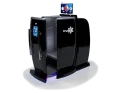
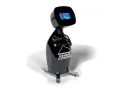
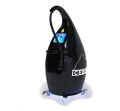
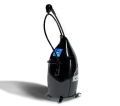
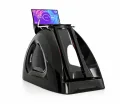
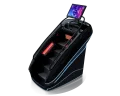
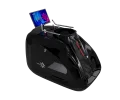
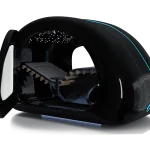
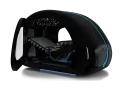
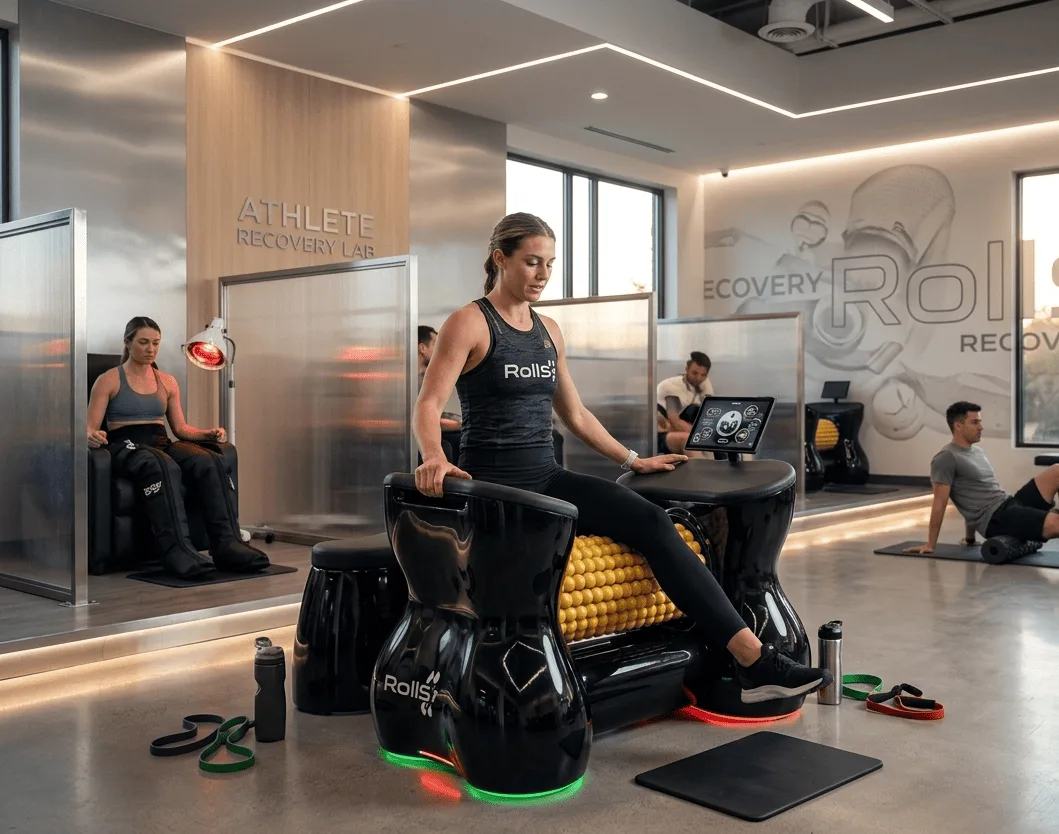
A roller machine gym is commercial wellness equipment featuring motorized wooden rollers that contact the client’s body to deliver pressure-based massage, lymphatic drainage, and myofascial release. This wooden roller massage machine format replaces manual rolling effort with consistent mechanical action over a 15-position protocol. Commercial units are available across the Vacuactivus roll-shaper range.
How a Body Roller Machine Differs from a Foam Roller
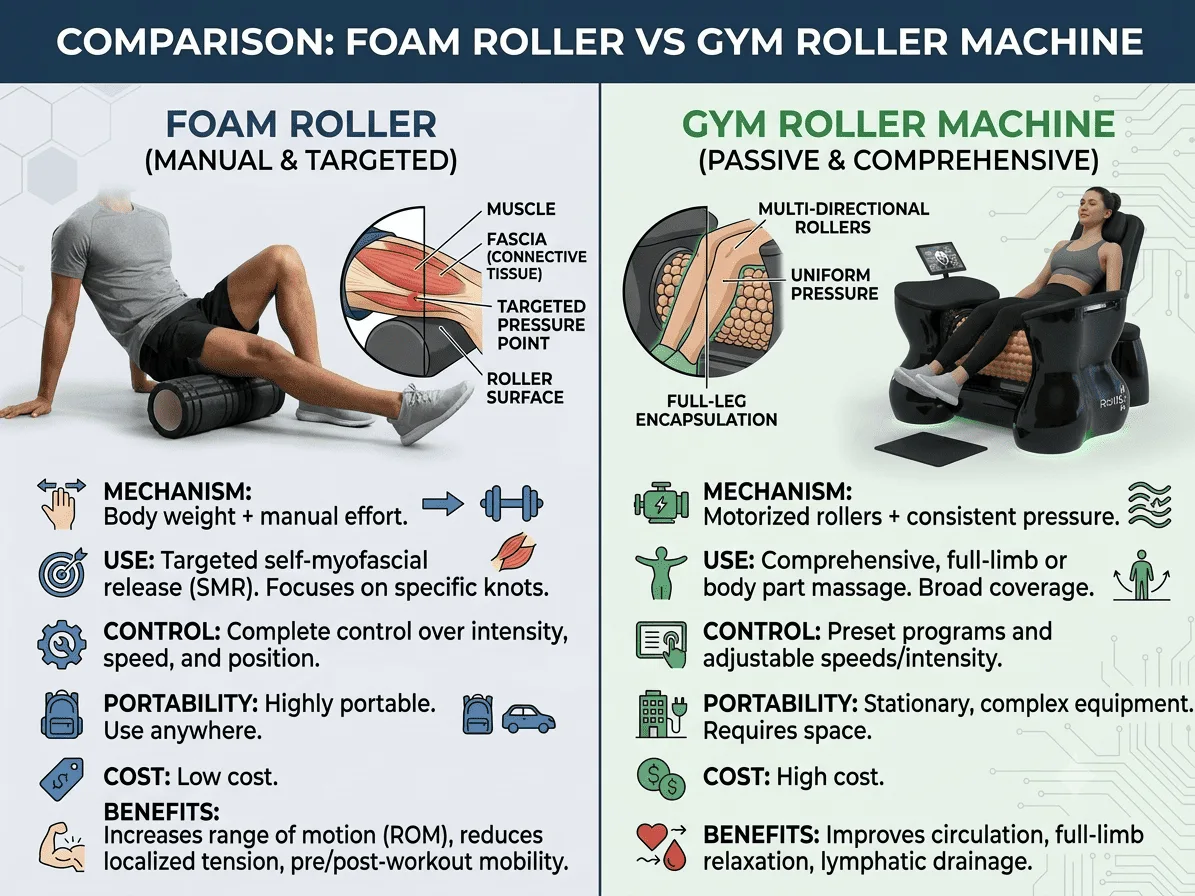
A foam roller is a passive cylinder that depends on body weight and self-positioning. A gym roller machine is an active, powered device with motorized rollers, set client positions, and consistent pressure that does not depend on client effort or technique.
The differences matter at three operational levels. Throughput: with a foam roller, four to six gym members can self-roll per hour on shared equipment. With a roller machine, one paying client per session receives a guided 30 to 45 minute treatment. Consistency: a foam roller’s pressure varies with body weight and positioning skill. A roller machine applies the same mechanical pressure regardless of client. Training: foam rolling requires the user to know what they are doing. A roller machine handles position changes and pressure direction through pre-programmed protocols, so a one-day operator course is enough to run the equipment.
The format is more like a recovery service than a self-service gym device. That distinction is why it generates paid session revenue rather than being part of a base membership.
Key Components: Rollers, Drum System, Heat and Light
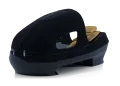
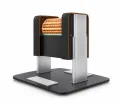
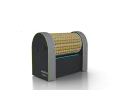
A commercial body roller machine has four core components. First, the rollers themselves: typically wooden cylinders mounted on a bi-directional drum, because wooden rollers transfer heat better and feel more natural on skin than synthetic alternatives. Second, the drum system rotates clockwise and counter-clockwise to match the body’s lymphatic flow direction during the protocol. Third, infrared heat elements warm the rollers to penetrate deeper into tissue. Fourth, LED collagen lamps or chromotherapy color elements appear on premium units like the infrared body roller machine for skin response and circulation effects.
How the Machine Works: From Lymph Activation to Recovery
The body roller machine works through coordinated motorized pressure applied across 15 set client positions over a 30 to 45 minute session. The client lies on the flat platform, the operator selects the program, and the rollers begin contact with the target area at a controlled speed and pressure level.
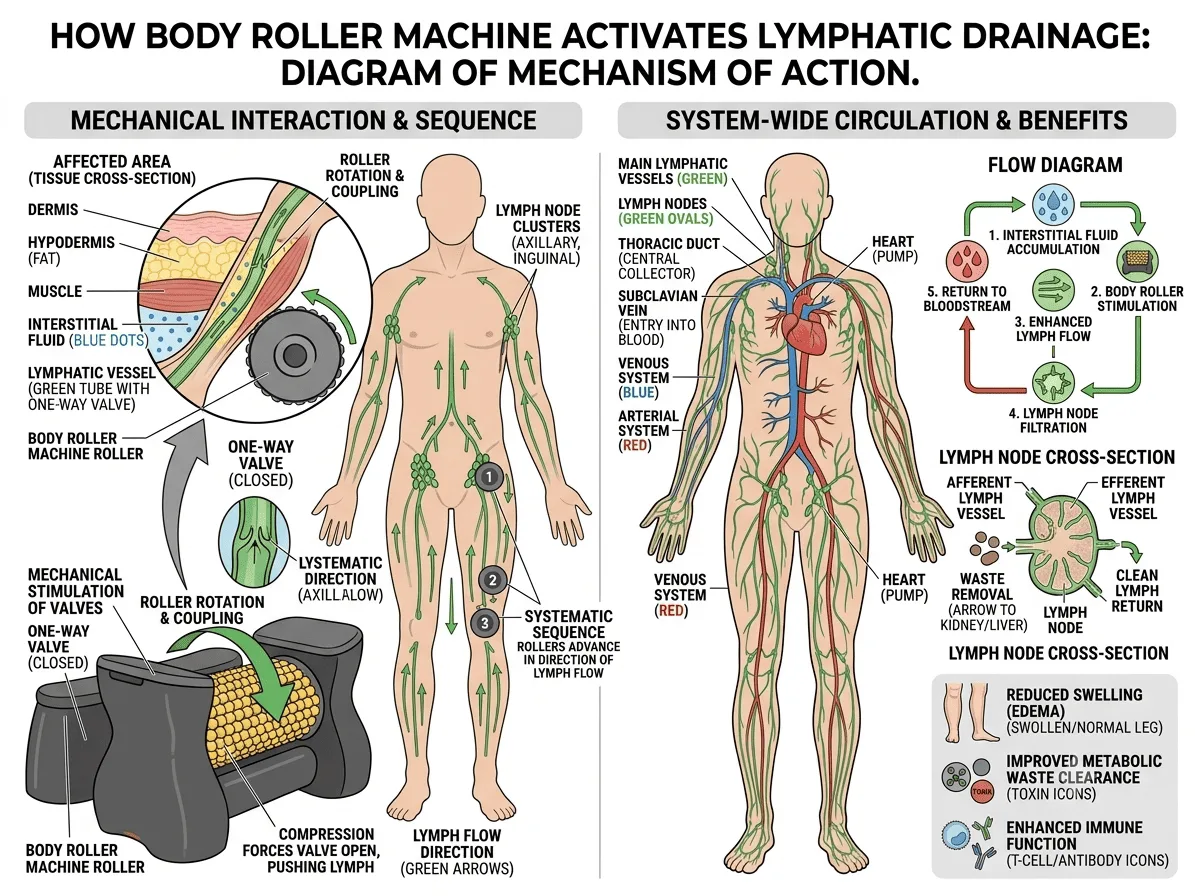
Mechanical pressure on tissue stimulates three physiological responses. First, lymphatic drainage: rollers pressing toward lymph node clusters activate fluid movement out of tissue interstitium. Second, myofascial release: fascial adhesions between muscle layers separate under sustained mechanical pressure, similar to the goal of self-myofascial release (SMR) with a foam roller but at consistent intensity. Third, blood circulation: localized blood flow increases, which brings oxygenated blood to worked tissue and accelerates removal of metabolic waste products.
Adding infrared heat increases the depth of penetration. That is why premium recovery studios pair body rolling with infrared rather than rolling alone, and why the infrared body roller specification matters at purchase. For a deeper look at the mechanism behind lymphatic-focused sessions, see body roller for lymphatic drainage and cellulite.
The lymphatic drainage massage machine effect is the most commercially valuable. It delivers an outcome similar to manual lymphatic drainage massage but with consistency and scale that a single trained therapist cannot match. Manual MLD requires Vodder or Foldi method certification and human stamina. A roller massage machine applies the same drainage direction across all client positions automatically, session after session.
Roller Machine vs Foam Roller vs Manual Massage: Comparison Table
Three formats deliver overlapping benefits at very different price points, throughput rates, and revenue economics.
| Parameter | Commercial Roller Machine | Foam Roller | Manual Massage Therapist |
|---|---|---|---|
| Capital cost | $8,000 to $25,000 | $30 to $100 | N/A (labor cost) |
| Session length | 30 to 45 min | 10 to 15 min | 60 min |
| Pressure consistency | Mechanical, uniform | Depends on body weight | Therapist-dependent |
| Operator training | 1-day course | None (self-service) | 200 to 500 hrs certification |
| Throughput per hour | 1 client per session | 4 to 6 self-rolling users | 1 client per session |
| Infrared / heat option | Yes (on premium units) | No | No |
| Lymphatic drainage effect | Yes (mechanical) | Limited | Yes (technique-dependent) |
| Best fit | Paid recovery service | Gym add-on equipment | Therapeutic precision work |
Why Sports Recovery Studios and Gyms Are Adding Roller Machines
Three commercial drivers explain the adoption curve over the last five years: revenue per square foot, membership retention, and recovery-services positioning. None of these drivers is about the technology itself. They are about the business that the technology supports.
Revenue per Square Foot: Why It Beats Most Cardio Equipment
A commercial roller machine occupies roughly 25 to 30 square feet of floor space. At typical 60% utilization (industry average), 12 to 16 clients per day at $40 to $80 per session, six days per week, the unit generates $14,000 to $28,000 in monthly revenue. Compared to a cardio bike (member-included, zero incremental revenue) or a strength rack (member-included, no add-on), a roller machine generates $480 to $900 per square foot per month. That places it among the highest revenue-per-square-foot equipment categories in commercial wellness, alongside cryotherapy chambers and red light therapy.
Membership Stickiness: How Recovery Add-Ons Reduce Churn
Recovery services attach members to a studio more strongly than fitness equipment alone. A member who books a weekly body rolling session in addition to their base membership typically shows two to three times lower monthly churn than a fitness-only member. The mechanism is psychological as much as physical: paid recovery feels like investment in self, not a chore or a sunk cost. Studios that bundle body rolling into a recovery membership add-on commonly see meaningful revenue uplift over base membership pricing, based on Vacuactivus distributor feedback across commercial installations.
Who Buys Roller Machines (Customer Personas)
Three studio types drive most commercial demand. Recovery studios are dedicated spaces blending cryotherapy, body rolling, red light therapy, and zero-gravity massage chairs. They install a body roller machine alongside other recovery modalities to build a full menu. Sports recovery clinics serve athletes and serious gym-goers and add a sports recovery roller to deliver post-training recovery as a paid service rather than a free locker-room amenity. Beauty and wellness centers position the equipment more toward lymphatic drainage and body contouring, often pairing it with commercial cryotherapy chambers and red light therapy in a three-station wellness flow.
The performance roller specification (heavier-duty motor, faster pressure-direction switching) matters most for sports recovery clinics where session volume runs at the upper end.
What to Look for When Buying a Commercial Body Roller
Four specifications separate commercial-grade equipment from undersized consumer units. Most pricing differences across competing manufacturers reduce to these four decisions.
Roller Material: Wooden vs Synthetic
Solid wooden rollers transfer heat efficiently, feel natural on skin, and last eight to ten years under commercial use. Synthetic plastic rollers cost less but produce a noticeable plastic-on-skin sensation that clients comment on after the first session. The wooden roller advantage is sensory. Premium commercial units use it universally for that reason.
Heat Source: Infrared vs Standard
Standard rollers operate at room temperature. Infrared-equipped rollers warm to 35 to 50°C and penetrate deeper into tissue. For a commercial unit depreciated over eight to ten years, paying the infrared body roller premium is among the easiest upgrades to justify at purchase. Clients feel the difference immediately and rebook more frequently. The price gap rarely exceeds 15% of total equipment cost.
Programs and Touchscreen Control
Pre-programmed 15-position protocols mean operators do not manually adjust rollers between client position changes. A touchscreen lets the operator load the session, confirm client parameters, and start the protocol. The machine handles roller speed, pressure direction, and timing. This matters for throughput economics: a 30-second protocol setup versus a 5-minute manual adjustment per client adds up across 15 to 16 daily sessions.
Warranty and Service
A commercial roll shaper machine warranty should cover at least two years on motor and drum system, one year on electronics. Service response time matters more than warranty length: a machine down for five days costs $3,500 to $7,000 in lost session revenue depending on utilization. The Vacuactivus warranty includes installation support and remote diagnostics from a nine-plus country service network, which matters for distributor-supported markets.
Vacuactivus RollShape and RollStar: Built for Commercial Use
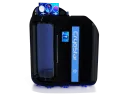
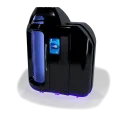
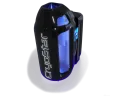
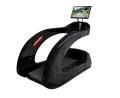
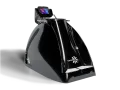
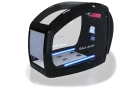
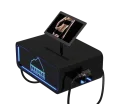
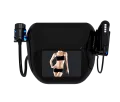
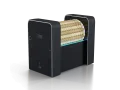
Vacuactivus manufactures two body rolling units for commercial deployment. The rollshaper lymphatic massage roller uses wooden cylinder rollers with infrared heat, LED collagen lamps, touchscreen control, and a 15-position protocol. It is the model most recovery studios select for general lymphatic drainage and recovery programming. The lymphatic roller machine is a wider-format barrel unit with greater contact area for studios where lymphatic drainage and body contouring are the main use cases. Both models are manufactured since 2009, ship through Vacuactivus distributors in nine-plus countries, and include installation support plus remote diagnostics.
Frequently Asked Questions
Q1. Is a roller machine gym workout actually effective?
Yes, for specific outcomes. A roller machine gym session is effective for lymphatic drainage, post-workout muscle recovery, and reducing fluid retention. It is not a replacement for cardio or strength training. Clinical research on myofascial release shows measurable improvements in range of motion and reduced soreness when used two to three times per week as part of a broader recovery routine.
Q2. How often should clients use a body roller machine?
For new clients, two to three sessions per week for the first four to six weeks builds tissue tolerance and produces visible drainage results. After that, one to two sessions per week serves maintenance. Each session lasts 30 to 45 minutes following a 15-position protocol. Daily use is not recommended because the lymphatic system needs time to process fluid release between sessions.
Q3. How is a roller machine gym different from foam rolling?
A foam roller requires the client to actively position their body weight and roll, which means inconsistent pressure and a learning curve. A powered roller machine applies consistent mechanical pressure through motorized rollers while the client lies in 15 set positions. Throughput per hour is one client per session for the machine versus four to six self-rolling users for shared foam rollers, which changes the revenue economics entirely.
Q4. How much does a commercial roller machine for a gym cost?
Commercial body roller machines range from $8,000 to $25,000 depending on features. Entry-level units have basic wooden rollers and manual control. Premium commercial units (like Vacuactivus RollShape) include infrared heat, color therapy, LED collagen lamps, and pre-programmed 15-position protocols. Total cost of ownership also includes roughly $200 to $500 per year for routine maintenance and consumables. For studios comparing a body roll machine for sale across vendors, factor in warranty length and service network alongside sticker price.
Q5. What is the ROI of a roller machine for a recovery studio?
A single roller machine can serve 12 to 16 clients per day at $40 to $80 per session. At 60% utilization (industry average), that generates $14,000 to $28,000 in monthly revenue per machine, using the same methodology the main text applies to revenue-per-square-foot figures. Payback period for a $15,000 commercial unit typically falls between three and seven months in established recovery studios. This is among the highest revenue-per-square-foot equipment categories in the commercial wellness segment.
Q6. Are roller machines safe for all clients?
Body roller machines are non-invasive and safe for most healthy adults. Contraindications include pregnancy, recent surgery, blood clots, active cancer treatment, severe heart conditions, and uncontrolled hypertension. Studios should screen clients with a pre-session intake form before the first booking. The mechanical pressure is gentler than deep-tissue manual massage but still requires the same medical screening discipline as any commercial recovery service.
Q7. What is the difference between a body roller machine and lymphatic drainage massage?
Manual lymphatic drainage massage is performed by a trained therapist using specific hand techniques (Vodder, Foldi methods). A lymphatic drainage massage machine applies mechanical pressure via motorized rollers, often combined with infrared heat. The machine offers consistency, scale, and predictable throughput, while manual massage offers therapeutic precision. Many recovery studios offer both as complementary services on the same menu, priced at different tiers.
Conclusion
A roller machine gym serves a specific commercial niche: recovery studios, sports clinics, and wellness centers building a paid recovery service menu around lymphatic drainage and myofascial release. The equipment economics work when the use case is paid recovery, not gym-amenity foam rolling. Match the specifications to that use case (infrared heat, touchscreen 15-position protocol, commercial warranty, and a service network that covers your market) and a single unit pays back in three to seven months at industry-typical utilization.
For commercial body roller machines built for studio deployment, explore the Vacuactivus roll-shaper range or request a quote with a custom ROI projection for your specific studio setup. For related decisions, the model-selection guide Roll Star vs RollShape covers the RollShape versus RollStar decision, and Body Roller Machine for Lymphatic Drainage: How It Works goes deeper into the drainage mechanism.


