










Як розпочати кріотерапевтичний бізнес: посібник зі створення у 2026 році
Запуск кріотерапевтичного бізнесу — одна з найрентабельніших можливостей у сфері відновлення та оздоровлення. Зі стартовим капіталом від 106 000 до 345 000 рупій (залежно від обраного обладнання та ринку) належним чином керована кріотерапевтична студія може досягти операційної беззбитковості протягом 4–6 місяців та повної окупності капіталу протягом 12–24 місяців. Цей посібник охоплює все необхідне для планування запуску: вибір обладнання, розподіл капіталу, вимоги до місця, цінову стратегію, математику рентабельності інвестицій та операційні помилки, які призводять до руйнування власників-початківців.
Чи буде бізнес з кріотерапії прибутковим у 2026 році?
Попит на холодну терапію вийшов далеко за межі елітної атлетики. Клієнтська база тепер включає спортсменів вихідного дня, біохакерів, клієнтів, які прагнуть схуднути, пацієнтів, які відновлюються після операцій, керівників, які прагнуть довголіття, та членів висококласних спортзалів, які очікують преміальних послуг з відновлення. Поєднання швидкого надання послуг (3-хвилинні сеанси), високої рентабельності за сеанс (60–80 відсотків валового доходу після витратних матеріалів) та високого рівня утримання членів робить кріотерапію однією з небагатьох категорій оздоровлення, де невеликі студії можуть стабільно отримувати шестизначний чистий дохід на одному обладнанні.
Три макротренди стимулюють попит: впровадження культури відновлення, бум довголіття та біохакінгу, а також зростання готовності споживачів платити абонентську плату за особисте оздоровлення. Жодна з цих тенденцій не сповільнюється у 2026 році, і більшість розвинених ринків все ще мають місце для додаткових студій.
Бізнес-моделі для студії кріотерапії
Перш ніж вибирати обладнання, визначтеся, яку бізнес-модель ви будуєте. Чотири основні шляхи вимагають різного капіталу, простору та операційної діяльності:
- Окрема студія кріотерапії — спеціалізований простір площею 600–1200 кв. футів, зосереджений на кріогенних матеріалах як основній послузі. Найвища чіткість бренду, простіший маркетинг, але повне навантаження на оренду та персонал.
- Додатковий додаток всередині існуючого бізнесу — кріотерапія, додана до тренажерного залу, медичного спа-центру, центру схуднення або клініки хіропрактики. Низькі витрати на залучення клієнтів, спільні накладні витрати, але обмежений простір та розмивання бренду.
- Преміум-люкс для відновлення та оздоровлення — кріотерапія плюс додаткові методи, такі як інфрачервоне, червоне світло, вакуумно-інфрачервоне кардіо та капсули довголіття. Вищий капітал, але преміальні ціни та довший термін дії членства.
- Багатолокаційний або франчайзинговий — масштабоване розгортання, як тільки одне місце розташування стане прибутковим. Вимагає операційних систем, стандартів бренду та більш жорсткої економіки підрозділів.
Більшість власників, які купують житло вперше, досягають успіху, маючи окрему студію або тісно інтегроване доповнення. Багатоквартирні та повноцінні преміум-студії найкраще підходять як розширення вже прибуткового окремого приміщення.
Необхідне обладнання: вибір кріотерапевтичних пристроїв
Обладнання – це найбільша стаття витрат і найважливіше бізнес-рішення. Ваше обладнання визначає максимальну місткість сеансів, структуру операційних витрат і те, як клієнти сприймають ваш бренд.
Кріосауна (часткова кріотерапія тіла)
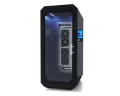
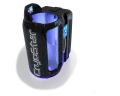
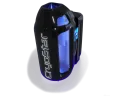
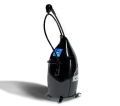
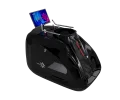
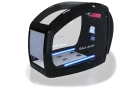
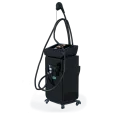
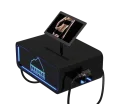
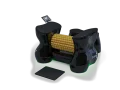
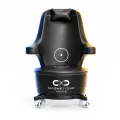
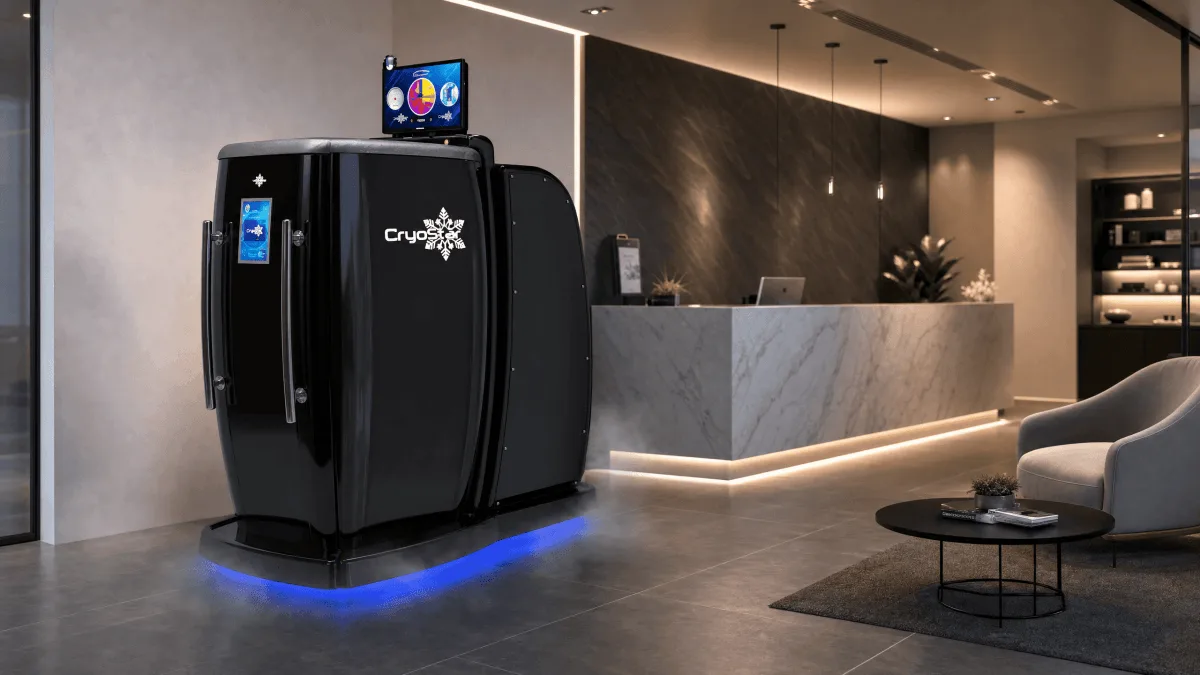
Кріосауна — найдоступніший варіант для кріосауни. Це камера з азотним охолодженням для однієї людини, голова клієнта якої знаходиться над краєм. Сеанси тривають від 1 до 3 хвилин при температурі від -110°C до -170°C. Вартість становить приблизно від $40 000 до $80 000, вона має компактні розміри, а пропускна здатність — найвища серед усіх кріотерапевтичних пристроїв. Вакуаактивус КріоСтар є репрезентативною кріосауною комерційного класу із сенсорним керуванням, електричною підйомною платформою та додатковим тепловізійним обладнанням.
Електрична кріокамера без піддону
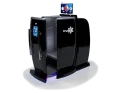
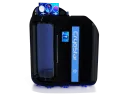
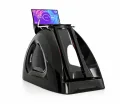
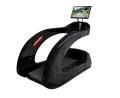
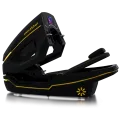
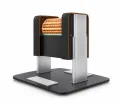
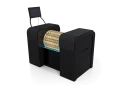
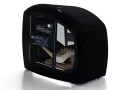
Електрична камера без підзарядки — це повністю закрита кабіна, в якій температура досягає від −85°C до −110°C, без витратних матеріалів для рідкого азоту. Клієнт входить усім тілом, включаючи голову. Вартість капіталу становить приблизно від $80 000 до $150 000, але поточні експлуатаційні витрати значно нижчі — не потрібно купувати LG2, не потрібен монітор кисню. Antarctica WBC Electric підтримує до трьох клієнтів за сеанс, що радикально покращує пропускну здатність преміум-студій за годину.
Кріокамера азоту без підзарядки
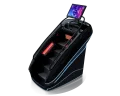
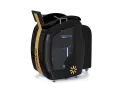
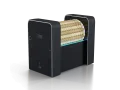
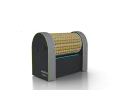
Азотна камера без піддону досягає найнижчих доступних температур (від -140°C до -180°C) завдяки повному зануренню тіла. Антарктичний WBC Азот призначений для студій, які бажають максимальної інтенсивності охолодження у форматі без попереднього запису. Capital знаходиться між кріосауною та електричною WBC; логістика азоту схожа на кріосауну, але з більшим обсягом споживання.
Додаткові засоби для локалізованої кріотерапії
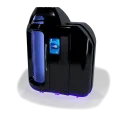
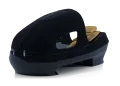
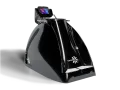
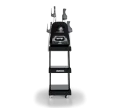
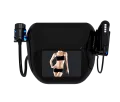
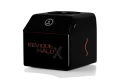
Локалізовані кріотерапевтичні пристрої спрямовані на певні ділянки тіла та є чудовими інструментами для продажу додаткових продуктів. Айсберг Електрик забезпечує цілеспрямований холодний вплив на коліна, плечі, поперек або обличчя протягом сеансів тривалістю від 5 до 15 хвилин. При ціні від 1 TP4T5 000 до 1 TP4T15 000 локалізований пристрій швидко окупається та забезпечує вам значний додатковий потік доходів поряд із сеансами для всього тіла.
Розбивка капітальних інвестицій
Більшість власників, які купують машину вперше, занижують бюджет на незначні витрати — доопрацювання, вентиляцію, маркетинг та оборотний капітал — і в результаті отримують гарну машину в порожній студії. Плануйте повну картину з першого дня:
| Категорія вартості | Діапазон — Низький | Діапазон — Високий |
|---|---|---|
| Основне кріотерапевтичне обладнання | $40,000 | $150,000 |
| Локалізовані кріогенні / додаткові пристрої | $5,000 | $15,000 |
| Добудова та реконструкція | $20,000 | $60,000 |
| Вентиляція, азотна інфраструктура | $5,000 | $15,000 |
| Програмне забезпечення (бронювання, POS, CRM) | $1,000/рік | $5 000/рік |
| Запуск маркетингу (90 днів) | $5,000 | $20,000 |
| Оборотний капітал (3–6 місяців операційних витрат) | $30,000 | $80,000 |
| ЗАГАЛЬНИЙ стартовий капітал | $106,000 | $345,000 |
Нижня межа передбачає одну кріосауну в компактному додатковому просторі; верхня межа охоплює повноцінний преміум-люкс з електричною камерою без під'їзду, локалізованою кріокамерою, спеціалізованим приміщенням для будівництва та агресивним маркетингом запуску. Більшість незалежних студій мають ціну в діапазоні від 130 000 до 200 000 фунтів стерлінгів.
Ціноутворення на ваші сесії та моделі членства
Кріотерапія – це бізнес за членством. Одноразові сеанси живлять воронку продажів; членство оплачує орендну плату. Наведені нижче моделі ціноутворення відображають типові діапазони ринків Північної Америки та ЄС у 2026 році:
| Модель ціноутворення | Типовий діапазон | Найкраще для |
|---|---|---|
| Один сеанс | $40 – $75 | Без попереднього запису, для новачків |
| Пакет з 5 сеансів | $175 – $300 | Зобов'язання щодо випробування |
| Пакет з 10 сеансів | $300 – $500 | Спортсмени, цикли відновлення |
| Щомісячний безліміт | $200 – $350 | Основний дохід, утримання персоналу |
| Річний членський взнос | $1,500 – $3,500 | Преміум-клієнти, грошовий потік |
Членство має становити від 60 до 75 відсотків від загального доходу на момент досягнення зрілості. Студії, які занадто сильно покладаються на окремі сесії, живуть і помирають завдяки відвідуваності; студії, які створюють міцну базу членів, мають передбачуваний грошовий потік і переживають сезонні спади.
Дві цінові тактики, які постійно перевершують очікування: поєднання кріотерапії всього тіла з принаймні одним локалізованим сеансом на візит (збільшує середню вартість квитка на 30-50 відсотків) та пропозиція 30-денного необмеженого вступного абонементу зі значною знижкою (стимулює пробну конверсію та забезпечує довгострокове членство).
Математика ROI: Коли ви вийдете на беззбитковість?
Ось реалістичний сценарій середнього рівня для студії з однією кріосауною на північноамериканському ринку другого рівня:
- Загальний стартовий капітал — $115 000 (обладнання + добудова + оборотний капітал)
- Сеансів на місяць після закінчення терміну — 400 (зріле зростання на 4–6 місяці)
- Середній дохід за сеанс — $50 змішаний
- Щомісячний валовий дохід — $20 000
- Щомісячні експлуатаційні витрати — $12 000–$13 000 (оренда, LN2, персонал, програмне забезпечення, комунальні послуги, маркетинг, страхування)
- Щомісячний чистий дохід — $7 000–$8 000
- Операційна беззбитковість — з 4 по 6 місяць (позитивний грошовий потік)
- Повна окупність капіталу — від 14 до 18 місяців з моменту запуску
Студії з безкоштовними електрокамерами зазвичай збільшують середній чек до $65–$85 та досягають $30 000+ щомісячного валового доходу, з окупністю від 18 до 30 місяців, незважаючи на більший капітал. Такий компроміс є вигідним для преміальних брендів на ринках з вищим рівнем доходу.
Два фактори найбільше визначають, чи досягне студія цих показників: якість розташування (видимість, відвідуваність, демографічна відповідність) та коефіцієнт конверсії членства (цільовий показник – від 35 до 50 відсотків пробних періодів переходити на платні членства протягом 30 днів). Якщо будь-який з цих факторів не спрацьовує, модель не спрацьовує.
Вимоги до місця розташування та експлуатаційні міркування
Кріотерапевтичне обладнання має реальні вимоги до встановлення, які впливають на ваші умови оренди та будівництва. Якщо їх зробити неправильно, то ви додасте тижні та десятки тисяч на запуск.
- Площа підлоги — кріосауна потребує ~50 кв. футів процедурної кімнати; електрична камера з безкоштовним доступом потребує ~80–120 кв. футів. Додайте рецепцію, роздягальню, туалет та задню частину приміщення — загальна площа студії зазвичай 600–1200 кв. футів.
- Висота стелі — для кріосауни потрібно щонайменше 2,4 м; для камер з безкоштовним доступом може знадобитися 2,6 м.
- Електрика — Однофазне або трифазне (залежно від моделі) живлення 208 В або 220 В, виділені кола.
- Вентиляція для азотного обладнання — витяжна вентиляція та монітор кисню в процедурній кімнаті — як для кріосаун, так і для азотних лейкоцитозних камер.
- Перевага електричного лейкоцитарного балансу — повна відсутність азоту означає простіше будівництво, відсутність поставок зрідженого азоту (LG2) та відсутність щомісячних витрат на витратні матеріали.
- Персонал — на момент запуску зазвичай достатньо двох працівників рецепції та чергових на сеансах, які працюють неповний робочий день; один навчений власник-оператор може самостійно виконувати ранкові зміни.
- Страхування та відмови від відповідальності — загальна відповідальність плюс покриття, пов’язане з обладнанням; чіткий список відмови від відповідальності та контрольний список протипоказань перед сеансом є обов’язковим.
- Технічне обслуговування — сервісні контракти з виробником, щоквартальні перевірки та навчання операторів — Vacuactivus забезпечує встановлення на місці, навчання та дистанційну підтримку.
Можливості перехресних продажів: більше, ніж кріотерапія
Багато найприбутковіших студій кріотерапії працюють за мультимодальною моделлю. Суміжні послуги підвищують цінність для клієнтів протягом усього терміну служби, оптимізують використання денного часу та відрізняють їх від конкуруючих студій, що пропонують лише кріотерапію. Варто врахувати три категорії:
- Вакуумно-інфрачервоний кардіотренажер (BodyShape) — сеанси схуднення та контурування тіла на таких пристроях, як
Бігова доріжка VacuStar залучити різну клієнтську базу (схуднення, корекція фігури) та природно поєднати з членством у кріотерапевтичних програмах.
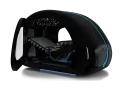
- Капсули довголіття — преміальні цінові сеанси тривалістю від 30 до 60 хвилин у мультимодальній капсулі, такій як
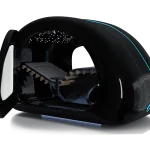
Ревік ХалоХ позиціонуйте свою студію у сегменті високорентабельних послуг з довголіття та біохакінгу.
- Локалізовані кріогенні та відновлювальні доповнення — Додаткові опції $15–$25 збільшують середню тривалість квитка без додавання часу сеансу.
Поширені помилки, які руйнують власників-початківців
- Недофінансування оборотного капіталу — найпоширенішою причиною невдачі є вичерпання коштів за 3-й місяць до настання терміну дії членської бази. Резервуйте операційні витрати на 3–6 місяців.
- Неправильне обладнання для ринку — купівля преміальної кріосауни без піддону для бюджетного приміського ринку або окремої кріосауни для елітного міського району коштує вам вигідно в обидва боки.
- Пропуск формування членства — студії, які не перетворюють пробні періоди на членство протягом перших 90 днів, ніколи не досягають фінансової зрілості.
- Вибір обладнання виключно за ціною — дешевий імпорт часто не має належного контролю безпеки, сертифікатів та ремонтопридатних деталей, що зрештою призводить до збільшення витрат на простої та заміну.
- Ігнорування правил будівництва — вентиляція, витяжка, електрообладнання та затвердження зонування займають більше часу, ніж очікувалося. Почніть отримувати дозволи, перш ніж підписувати замовлення на обладнання.
- Сольний маркетинг — покладаючись лише на постійних клієнтів та рекомендації з уст в уста. Виділіть реальний бюджет на маркетинг запуску — локальне SEO, платна реклама в соціальних мережах, партнерські рекомендації та 30-денна вступна рекламна кампанія.
Часті запитання
Скільки грошей мені потрібно, щоб розпочати бізнес з кріотерапії?
Плануйте загальний стартовий капітал від 106 000 до 345 000 фунтів стерлінгів залежно від обраного обладнання та ринку. Найпоширеніший діапазон для незалежної студії становить від 130 000 до 200 000 фунтів стерлінгів, включаючи обладнання, будівництво, маркетинг та 3–6 місяців обігового капіталу.
Скільки часу потрібно, щоб окупити інвестиції?
З операційної точки зору, добре керовані студії досягають беззбитковості грошового потоку за 4-6 місяців. Повна окупність капіталу зазвичай відбувається протягом 14-24 місяців, залежно від ринку, ціноутворення та коефіцієнта конверсії членства.
Чи потрібна мені медична ліцензія чи ліцензія на охорону здоров'я?
У більшості штатів США та країн ЄС кріотерапія позиціонується як послуга спортивного відновлення та оздоровлення, а не медична послуга, і не вимагає ліцензії на охорону здоров'я. Вам все одно знадобиться стандартна ліцензія на ведення бізнесу, страхування відповідальності за обладнання та чіткі відмови від відповідальності клієнтів. Завжди уточнюйте це у місцевого юрисконсульта перед запуском.
Чи варто купувати електричне чи азотне обладнання?
Електричне обладнання для визначення лейкоцитів, таке як Antarctica WBC Electric має вищі капітальні витрати, але не має витратного рідкого азоту (LG2), нижчі експлуатаційні витрати та значно простіше встановлення. Азотне обладнання (кріосауни та азотні WBC) має нижчі капітальні витрати, але потребує періодичних витрат на рідкий азот та вентиляції. Для об'єктів з великою кількістю робіт електричне обладнання зазвичай є економічно вигіднішим у довгостроковій перспективі.
Скільки клієнтів мені потрібно на день, щоб отримувати прибуток?
Одна студія кріосауни виходить з нуля приблизно за 12-15 платних сеансів на день за типовою ціною. Студії з кількома апаратами або камерами без підзарядки масштабуються й далі. Більшим важелем є не обсяг, а кількість членів та середній дохід за відвідування.
Чи можу я вести кріотерапевтичний бізнес у своєму існуючому тренажерному залі або спа-центрі?
Так — додавання кріотерапії до існуючого тренажерного залу, медичного спа-центру чи клініки для схуднення — один із найшвидших шляхів до позитивної рентабельності інвестицій. Ви використовуєте існуючих клієнтів та накладні витрати, а капітальні витрати приблизно на 30-50 відсотків нижчі, ніж у окремої студії. Одна кріосауна або компактна електрична камера зазвичай вписується в існуючу площу.
Висновок: Збудуй правильно, збудуй один раз
Кріотерапевтичний бізнес винагороджує власників, які ретельно планують, обирають обладнання, що відповідає їхньому ринку, та з першого дня дисципліновано здійснюють маркетинг за рахунок членства. Капітал є значним, але таким, що підлягає поверненню; операційна рентабельність є однією з найкращих у сфері велнесу; а тенденції попиту вказують у правильному напрямку протягом решти десятиліття.
Компанія Vacuactivus обладнала понад дві тисячі студій кріотерапії, медичних спа-центрів, спортивних команд та клінік довголіття по всьому світу. Наша лінійка обладнання охоплює всі бізнес-моделі — від окремої кріосауни в тренажерному залі до повністю інтегрованого комплексу для довголіття — з встановленням на місці, навчанням операторів та постійною сервісною підтримкою.
Готові спланувати свою студію? → Порівняйте кріотерапевтичне обладнання на vacuactivus.com


