



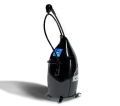

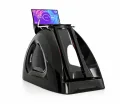
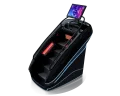







Терапия с червена светлина за цялото тяло: възвръщаемост на инвестициите за студиа за възстановяване и уелнес центрове
Терапията с червена светлина за цялото тяло обикновено осигурява възвръщаемост на инвестициите в рамките на 3-6 месеца за уелнес център, като се изплащат разходите след приблизително 150-300 сесии, в зависимост от нивото на оборудване и местните цени на сесиите. Това е заглавието от анализите на възвръщаемостта на инвестициите от страна на операторите в уелнес индустрията през 2025-2026 г. и тази статия разглежда математиката зад това с прозрачни подробности, така че операторите да могат да проверят предположението спрямо собствения си пазар, вместо да го приемат като маркетингово твърдение.
Vacuactivus произвежда търговско оборудване за терапия с червена светлина, използвано в уелнес центрове, студиа за възстановяване, хиропрактически клиники и първокласни спа среди от 2009 г. (над 15 години). Числата по-долу са извлечени от отчетени в индустрията диапазони (цени на сесии, показатели за използване) и посочени публични източници (списъци на Bizquest за реална икономика на студиата), като опитът на оператора оформя рамката. Това не е реклама: целта е да се даде на оператора достатъчно прозрачна математика, за да проведе свой собствен сценарий, включително недостатъците.
Целевата аудитория на това ръководство са собственици и управители на студия за възстановяване, уелнес центрове, хиропрактически клиники, бутикови фитнес зали, които разглеждат RLT като допълнителна услуга, и B2B купувачи, които извършват разпределение на капитал. Формулировката е пазарът в САЩ към средата на 2026 г., въпреки че механиката е обобщаваща. Икономиката на отделните студия варира значително в зависимост от местоположението, клиентелата, ценообразуването, условията на наема, модела на персонал и оперативното изпълнение.
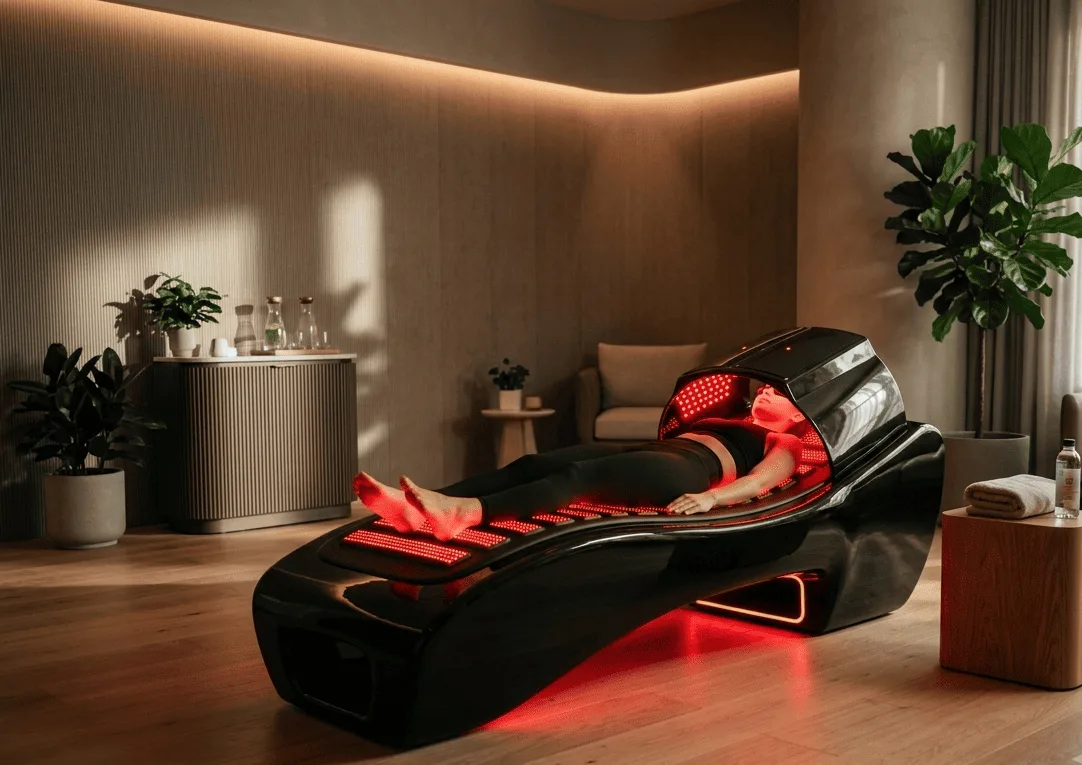
Защо терапията с червена светлина за цялото тяло е подходяща за студиа за възстановяване и уелнес центрове
Тази методология запълва специфична празнина в обслужването, която други уелнес предложения не предлагат. Сесиите са с продължителност 12-20 минути, осигуряват видим комфорт на клиента с минимална сложност, не изискват консумативи на сесия (за разлика от пълненето на азот при криотерапия или смяната на водата в резервоара за флотация) и се съчетават естествено със съществуващите структури на членство. За студиа, които вече предлагат услуги, свързани с възстановяването, добавянето на тези системи обикновено повишава средните приходи на посещение, вместо да канибализира съществуващите сесии. Случаят с криотерапията е разгледан отделно в Терапия с червена светлина, комбинирана с криотерапия: Предимства на подреден протокол за оператори, които обмислят изграждането на мултимодални транспортни средства.
Макро траекторията на уелнес-технологиите подсилва този момент. Данните на Global Growth Insights от април 2026 г. за по-широката категория търговско уелнес оборудване (използвайки пазара на търговски масажни столове като насочен макро индикатор) прогнозират, че сегментът на уелнес оборудването ще се увеличи от 1 милиарда рупии (14 рупии) през 2025 г. до 1 милиарда рупии (14 рупии) до 6,76 милиарда рупии до 2035 г. при 8,981 рупии (3 рупии) годишно. За да бъдем ясни: конкретната цифра за пазара на търговски масажни столове НЕ Е прогноза за пазара на терапия с червена светлина и трябва да се тълкува само като насочена съседност, а не като прогноза за пазара на RLT (радио-лабораторна терапия). Това, което сигнализира, е готовността на купувачите да харчат за търговско уелнес оборудване, която продължава да нараства, което е контекстът от страна на търсенето, в който се намират RLT услугите, а не прогноза за размера на пазара за самата модалност.
Колко струва търговското оборудване за терапия с червена светлина?
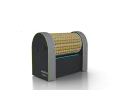
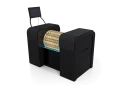
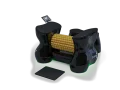
Оборудването е разделено на четири практични нива по форм-фактор и ценова категория. Таблицата по-долу отразява наблюдаваните в индустрията диапазони за 2026 г. от каталози на производители в уелнес индустрията и списъци на оператори, сведени до нива, а не по цени по марки (които се променят на тримесечие).
| Ниво на оборудване | Типична инвестиция | Капацитет на сесията | Най-добро прилягане |
|---|---|---|---|
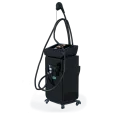
| Панелна решетка (стенна или свободностояща) | $3 000 – $15 000 | Изисква 15-25 минути на сесия, по един клиент наведнъж | Съществуващи клиники, добавящи като допълнителна услуга, хиропрактически кабинети, RLT услуга на начално ниво |
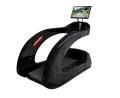
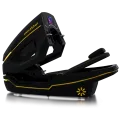
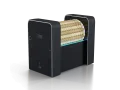
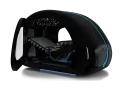
| Хоризонтално легло (работеща конска конструкция) | $15 000 – $50 000 | 20-40 сесии на ден по 12-20 минути на сесия | Стандартни уелнес студиа, центрове за възстановяване, медицински спа центрове – стандартният търговски RLT формат |
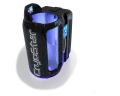
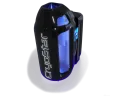
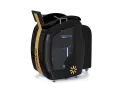
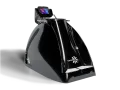
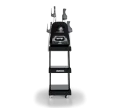
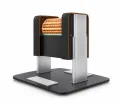
| Вертикален модул / изправен модул | $30 000 – $80 000 | 15-25 сесии на ден (обикновено по-кратки сесии) | Премиум уелнес центрове, бутикови фитнес зали, градски студиа с ограничено пространство |
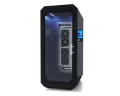
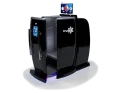
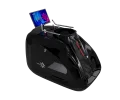
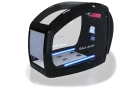
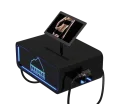
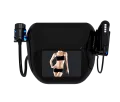
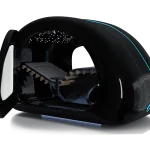
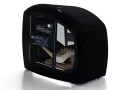
| Мултимодална кабина с достъп без предварително записване (клас Revique HaloX) | $50 000 – $120 000+ | По-дълги сесии, по-малко на ден, но по-високи цени на билетите | Премиум клиники за дълголетие, уелнес центрове, позициониращи мултимодално преживяване с еднократно посещение, купувачи с висока средна цена на билетите |
За оператора, решението за ниво е по-малко свързано със спецификацията и повече с модела на обслужване. Панелният масив работи като допълнение към съществуваща услуга (например хиропрактическа корекция плюс 15-минутна панелна сесия). Хоризонталното легло е самостоятелната услуга, около която повечето масови уелнес студия изграждат абонамент. Вертикалният капсул е подходящ за градски студия с ограничено пространство, където площта на пода е от значение. Мултимодална кабина, като тази на Revique HaloX, предлага първокласно позициониране за дълготрайност, където еднократното посещение, комбиниращо няколко вида услуги, е само по себе си услугата.
Ценообразуване на сесиите: Какво всъщност таксуват уелнес центровете
Ценовите показатели за сесии в САЩ за 2026 г. са между $25 и $75 за една сесия, като първокласните градски пазари (Лос Анджелис, Ню Йорк, Сан Франциско) постоянно доминират в горния клас, а вторичните пазари се установяват на $35-$50. Продължителността на сесията е 12-20 минути за различните форм-фактори, а цените се определят за сесия или за пакет, а не за минута. Пакетите от 10 обикновено се продават с отстъпка от 15-20% в сравнение с цената за единична сесия; месечните неограничени членства (разгледани в следващия раздел) са $99-$249, като $149-$199 са най-често срещаното ниво в данните за пазара в САЩ от средата на 2026 г.
Въпросът за ценообразуването за конкретен оператор не е националният диапазон, а местният: каква е цената на най-близките уелнес услуги за съседни процедури. Ако конкурентна хиропрактическа клиника таксува $80 за 30-минутно лечение, 15-минутна RLT сесия на $45 се счита за достъпна; ако местният пазар има Planet Fitness, който включва Total Body Enhancement в пакет Black Card на цена $24.99, сесията без предварително записване на пациента на цена $45 се конкурира с тази референтна цена. Местният бенчмаркинг е практическото ценообразуване; отрасловите диапазони са контекстуални.
Математика за възвръщаемост на инвестициите: Кога оборудването се изплаща?
Анализите на възвръщаемостта на инвестициите от страна на операторите от източници в уелнес индустрията за периода 2025-2026 г. установиха стандартния за индустрията 3-6-месечен прозорец за възвръщаемост на инвестициите с точка на рентабилност от 150-300 сесии за масово търговско легло за регенериране на мазнини (RLT). Действителният график зависи от използването, ценообразуването и ценовия модел; диапазонът е това, което виждат повечето оператори, а не това, което един оператор би трябвало да предположи.
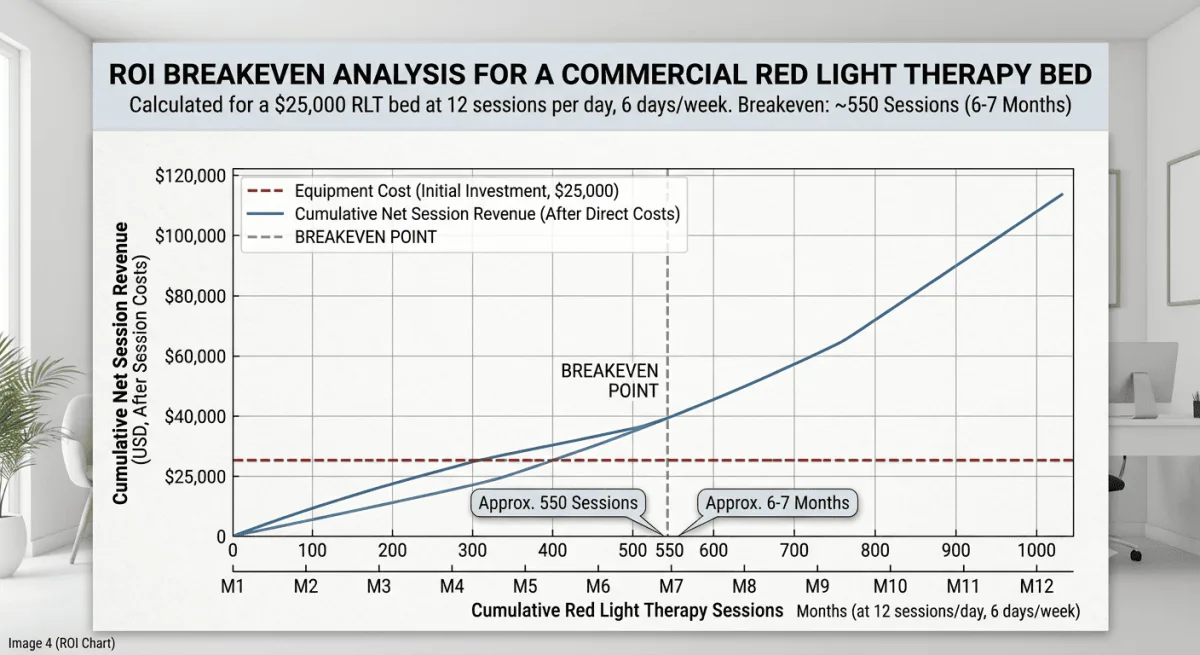
Да разгледаме легло за масова търговска RLT с цена на придобиване от приблизително $25 000. Средната цена на един сеанс е $45 в средностатистически район. Капацитетът на сесиите е 12 сеанса на ден в рамките на 22 работни дни на месец при натоварване 60%, което се равнява на 158 завършени сеанса на месец. Приходи: 158 × $45 = $7 110 на месец бруто. Оперативни разходи: електроенергия приблизително $150-$300 на месец (легло, консумиращо 3-6 kWh на сеанс при $0,15/kWh при това натоварване), разпределение на персонала на рецепцията на непълен работен ден приблизително $1 500 на месец, разпределение на наем приблизително $800-$1 500 на месец за кабинета за лечение, застраховка, маркетинг и други режийни разходи, като се добавят приблизително $500-$800. Общи месечни оперативни разходи приблизително 14T2 950-14T4 100. Нетна месечна вноска: приблизително 14T3 000-14T4 500.
Изчисляване на възвръщаемостта: Цената на оборудването от 25 000 долара в рамките на 1 TP4T, разделена на средния нетен месечен принос от 3 750 долара в рамките на 1 TP4T, се равнява на приблизително 6,7 месеца до пълна възвръщаемост. По-високото използване (751 TP3T+ спрямо 601 TP3T) или ценообразуването на членството, което повишава ефективния среден приход на сесия, свива този прозорец до 4-5 месеца. По-ниското използване (401 TP3T или по-малко) или агресивното отстъпване го удължават до 10-12 месеца. Индустриалният бенчмарк от 3-6 месеца приема средния до горния край на този диапазон на използване; студио с използване на 401 TP3T трябва да моделира възвръщаемост по-близо до 10-12 месеца и да бюджетира съответно.
Модели на членство: Където повтарящите се приходи печелят
Многомодалните уелнес студия с червена светлина, които са достигнали значителен мащаб, споделят общ модел: приходи, базирани на членство. Листване на Bizquest за 2026 г. на уелнес студио, готово за работа, открои бизнес, подкрепен от солиден поток от над 2000 потенциални клиенти, което илюстрира, че клиентската база, а не оборудването, често е истинският бизнес актив. Франчайз концепции, включително Red Light Method (стартиране в Рено, Невада, април 2025 г.) и по-големи вериги за възстановяване, като Restore Hyper Wellness, са изградили своята икономика на базата на неограничени месечни цени за членство в диапазона от $99-$199 на месец. Тази промяна е важна за бизнес планирането на терапията с червена светлина: моделите на приходи от единични сесии работят, но оставят на масата предвидимостта, задържането на клиенти и LTV (съотношението цена/живот).
Предимствата на членството се състоят от: предвидим паричен поток (от съществено значение за планирането на лизинга и персонала), по-висока стойност на живота (LTV) на придобит клиент, по-ниска цена на придобиване на клиент (CAC) на проведена сесия и разширени възможности за допълнителни услуги в търговията на дребно (членовете купуват аксесоари, добавки, облекло). Недостатъците са честни за признаване: първоначалното привличане на клиенти е по-трудно за членство, отколкото за еднократна сесия, а ценовият натиск от отстъпки ерозира част от приходите, които иначе биха се реализирали при цени за еднократна сесия. Най-добрата практика за новите оператори на RLT студиа е хибриден модел, който води до ценообразуване за еднократна сесия, за да привлече клиенти и да превърне потребителите с висока честота в месечно членство в рамките на 3-5 сесии.
Пример за реални приходи: Уелнес студио с площ от 1678 кв. фута
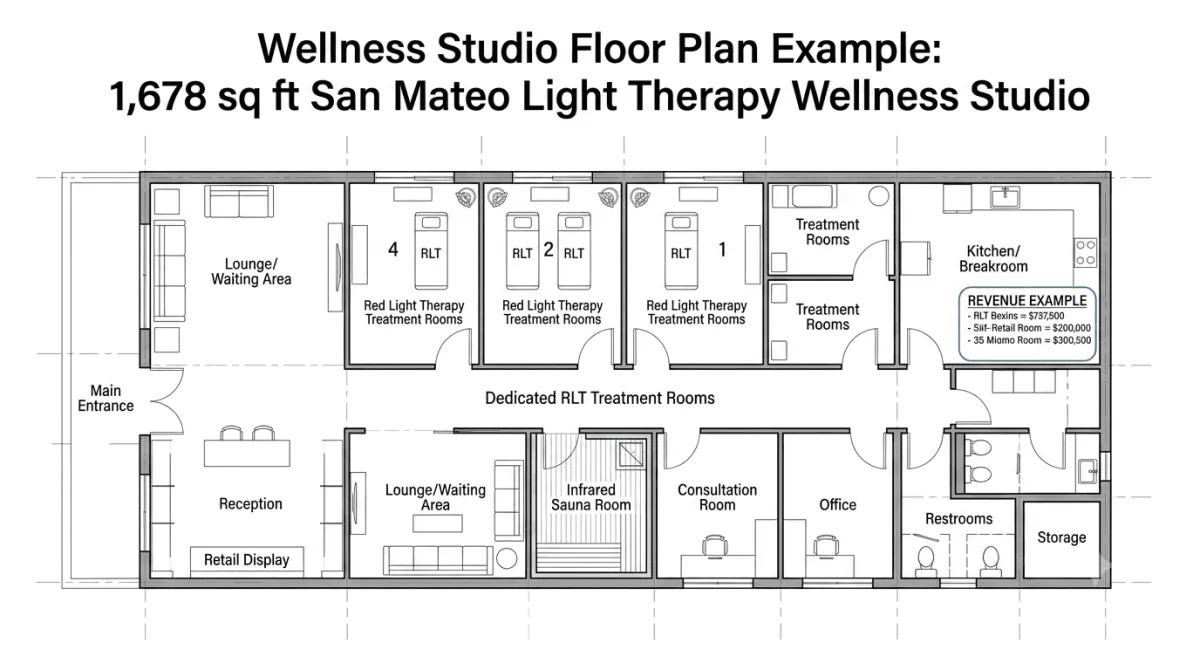
Списък на бизнес с Bizquest от 2026 г. предоставя прозрачни данни за работеща търговска дейност за терапия с червена светлина. Студиото за уелнес с лека терапия в Сан Матео, Калифорния, е студио с площ от 1678 квадратни фута, което е отворило врати през август 2025 г., обявено за цена от 14 680 000 щатски долара срещу 14 480 000 щатски долара годишен приход. Студиото разполага със специални стаи за терапия с червена светлина, както и с инфрачервена сауна и магазини за търговия на дребно. Тези данни отразяват данни, обявени от продавача, от публична обява на Bizquest, а не одитиран отчет за приходите и разходите, така че ги третирайте като илюстративна икономика на единица, а не като валидиран бенчмарк.
Икономиката на жилището работи при тези числа. Годишен приход от 1480 000 паунда ($480) означава средномесечен приход от 1440 000 паунда ($4000) за цялото студио. FF&E (мебели, осветителни тела и оборудване), амортизирани за 5-7 години живот на оборудването, разпределят приблизително 6000-8000 паунда ($4800) на месец за амортизация на оборудването в целия етаж с множество услуги. Търговските цени на наем в San Mateo се оценяват на 8000-12000 паунда ($4800) на месец за 1678 квадратни фута (1678 квадратни фута). Персоналът на рецепцията на непълен работен ден плюс планираните техници се оценяват на 8000-12000 паунда (1TP4800) на месец. Нетният месечен принос преди обезщетение за собственика е в диапазона 12000-18000 паунда ($48000) - достатъчно, за да се поддържа притокът на собственика, като същевременно се продължи финансирането за обслужване на оборудването. Спецификата е по-малко важна от формата: добре управлявано мултимодално студио на силен метрополитен пазар с приходи, силно свързани с членство, демонстрира модела, а формата е това, което оператор на различен пазар може да адаптира. За предимствата на самостоятелния RLT, които са в основата на търсенето от страна на клиентите, вижте Ползите от терапията с червена светлина са подкрепени от проучвания, а не от реклама който разглежда базата от доказателства, която клиентите търсят.
Допълнителни услуги, които умножават приходите от RLT
Самостоятелната терапия с червена светлина за цялото тяло работи, но приходите се умножават значително, когато се комбинират със съседни услуги за възстановяване и продукти за търговия на дребно. Бързо развиващите се уелнес студия в базата данни Bizquest 2026 последователно съчетават метода с инфрачервена сауна, криотерапия, компресионна терапия, солена терапия и търговия на дребно (локална грижа за кожата, свързана с LED, препродажба на панели у дома). За задълбочено проучване на спецификациите на панелите, което отговаря на въпросите на клиентите относно избора на дължина на вълната, вижте Панел за терапия с червена светлина: Как дължините на вълните 660nm + 850nm лекуват тъканите.
Хиропрактическите клиники, които добавят тази модалност, обикновено увеличават средния брой билети на посещение с $30-$60 чрез добавената услуга. Центровете за спортно възстановяване позиционират RLT като първокласно подобрение над базовия масаж или достъп с фоам валяк. Съседно оборудване за възстановяване, като например Стол с нулева гравитация De-Stress Lounge се съчетава естествено като съпътстваща станция за възстановяване по време на едно и също посещение. За гледна точка на препродажба от купувач на жилище (клиенти, които стават купувачи на панелни имоти), вижте Най-добрата домашна терапия с червена светлина: Защо професионалистите избират професионално оборудване което обяснява разликата в спецификациите, която превръща доволните клиенти на студиото в купувачи на професионално оборудване.
Оперативни режийни разходи извън разходите за оборудване
Капиталовата инвестиция в оборудване е най-големият единичен разход, но текущите месечни режийни разходи се увеличават значително през 5-7-годишния живот на оборудването. Честно разпределение на повтарящите се разходи: електричеството на търговско легло струва $150-$300 месечно при типично използване, наемът за разпределението на кабинета за лечение обикновено е $800-$1500 в зависимост от пазара, застраховка $150-$400 месечно за покритие на гражданска отговорност, почистващи препарати и консумативи за очила $50-$100 месечно, поддръжка на оборудването и резерв за подмяна на LED диоди $100-$200 месечно, осреднено за целия живот на оборудването.
Персоналът на рецепцията (рецепция на непълен работен ден, а не терапевт на сесия) разпределя приблизително 1500-2500 рупии месечно. Разходите за маркетинг варират драстично в зависимост от плътността на пазара: 500-1000 рупии месечно за канали с преобладаващ органичен трафик, до 2000-3000 рупии месечно, ако се управлява платено привличане на клиенти в голям мащаб. Обработка на плащания и софтуер (резервации, членства, ПОС) 200-400 рупии месечно. Общите повтарящи се оперативни разходи за RLT система с една стая са в диапазона 3000-5500 рупии месечно – число, което трябва да се моделира честно преди закупуването на оборудване, а не да се открива през четвъртия месец, когато членската база все още не се е увеличила. Разгледайте нашите търговски панели за терапия с червена светлина за пълния диапазон от спецификации, ако оценката на оператора е на етап избор на ниво.
Често задавани въпроси
Въпрос 1. Колко струва един търговски апарат за терапия с червена светлина за цялото тяло?
Търговското оборудване варира от около $3 000 за панелни модули от начално ниво до $80 000+ за луксозни капсули за цялото тяло и $50 000-$120 000 за мултимодални кабини с вход. Стандартно легло RLT (работният кон на повечето уелнес студия) струва $15 000-$50 000. Панелните модули ($3 000-$15 000) работят добре като добавки към съществуващи клинични практики. Вертикалните модули ($30 000-$80 000) са подходящи за градски студия с ограничено пространство. Изборът зависи повече от модела на услугата, отколкото от спецификацията – хоризонтално легло е закрепване на самостоятелна услуга за членство; панелният модул добавя модалност към съществуваща услуга; мултимодалната кабина служи за първокласно позициониране на дълготрайност. Проверявайте текущите цени директно с доставчиците, тъй като цените на оборудването се променят на тримесечие.
В2. Каква е възвръщаемостта на инвестициите (ROI) от терапия с червена светлина за уелнес център?
Анализите на възвръщаемостта на инвестициите от страна на операторите от източници в уелнес индустрията за 2025-2026 г. определят типичния прозорец за възвръщаемост на инвестициите на 3-6 месеца за масово използвано търговско легло за регенерация на енергия (RLT), като оборудването достига точка на рентабилност след приблизително 150-300 сесии. Действителният срок зависи от използването (60%+ свива прозореца; sub-40% го удължава до 10-12 месеца), ценовия модел (базата от членове свива изплащането в сравнение със само на място) и пазарната позиция (градските пазари на премиум услуги поддържат по-високи цени на сесиите). Легло от $25 000 при средна цена на сесиите от $45, използване на 60% и честно управление на оперативните разходи обикновено се изплаща за приблизително 6,7 месеца. По-високото използване или силно изразеният микс от приходи от членство свива инвестицията до 4-5 месеца.
В3. Колко можете да поискате за сеанс с терапия с червена светлина?
Ценовите показатели за сесиите в САЩ за 2026 г. са между $25 и $75 за единична сесия, като първокласните градски пазари (Лос Анджелис, Ню Йорк, Сан Франциско) заемат горния диапазон. Пакетите от 10 броя обикновено се продават с отстъпка от 15 до 201 TP3T спрямо цените за единична сесия. Месечните неограничени членства варират от $99 до $249, като $149 до $199 са най-често срещаното ниво според данните за пазара в САЩ от средата на 2026 г. Правилната цена за конкретен оператор е местната котва – това, което най-близките уелнес услуги таксуват за съседни процедури – а не националният диапазон.
Въпрос 4. Колко сеанса са необходими, за да се постигне рентабилност на легло с червена светлина?
За масово търговско легло за релаксираща рехабилитация (RLT) на цена от около 1 TP4T 25 000, точката на рентабилност обикновено се достига между 150 и 300 сесии на базата на ценообразуване на сесия, въз основа на данни за оператори в уелнес индустрията от 2026 г. При натоварване от 601 TP3T (приблизително 158 сесии на месец при 12 сесии на ден в рамките на 22 работни дни), това означава 1-2 месеца за преминаване на границата между приходите и разходите за оборудване, ако игнорирате оперативните режийни разходи, или приблизително 6-7 месеца до пълната възвръщаемост, включително реалистичните оперативни разходи. По-ниското натоварване или по-големите отстъпки удължават сроковете; ценообразуването на членството, което увеличава ефективните приходи на сесия, го свива.
В5. Легло за терапия с червена светлина за цялото тяло срещу панел срещу капсула – кое е най-добро за уелнес студио?
Зависи от бизнес модела. Леглата ($15K-$50K) са работната сила – хоризонтални, сесии от 12-20 минути, капацитет от 20-40 сесии на ден, най-подходящи за масови студия, изграждащи самостоятелно членство. Панелните масиви ($3K-$15K) са подходящи за клиники, които добавят RLT към съществуващи услуги, а не като самостоятелно предложение. Капсулите ($30K-$80K) са подходящи за първокласни градски студия, където вертикалното разположение и естетиката на капсулите изискват по-високи цени на сесиите. Мултимодалните кабини ($50K-$120K, клас Revique HaloX) обслужват първокласно позициониране за дълготрайност, където мултимодалността е услугата с едно посещение. Съобразете форм-фактора с бизнес модела на оператора, а не обратното.
В6. Каква е средната цена на членството в студиа за терапия с червена светлина?
Месечните неограничени членства обикновено варират от $99 до $249 според пазарните данни на САЩ за 2026 г., като $149-$199 е най-често срещаното ниво. Американските франчайз концепции за уелнес работят в същия диапазон $99-$199. Многостепенните структури работят добре: основно ниво на $99 за ограничени сесии, средно ниво на $149-$199 за неограничен RLT, премиум на $249+ за мултимодални пакети, включително достъп до инфрачервена сауна или криотерапия. Миксът от приходи, силно свързан с членството, е това, което компресира възвръщаемостта и стабилизира паричния поток спрямо волатилните приходи от единични сесии.
Въпрос 7. Колко електричество използва едно търговско легло за терапия с червена светлина?
Търговско легло RLT за цялото тяло обикновено консумира 3-6 kWh на сесия, което се равнява на приблизително $150-$300 месечно при средни цени на електроенергията в САЩ от $0.15/kWh с нормално използване. Това са реални оперативни разходи, които трябва да бъдат включени в модела за възвръщаемост на инвестициите, но не са доминиращият разход – разходите за персонал, разпределение на наем и маркетинг обикновено надвишават разходите за електроенергия с коефициент 3-8. Проверете действителната консумация на енергия със спецификацията на конкретното устройство, тъй като консумацията варира значително в зависимост от броя на светодиодите и спецификацията на излъчването.
В8. Добър бизнес ли е терапията с червена светлина да се добави към съществуващ уелнес център?
За хиропрактически клиники, центрове за спортно възстановяване, спа центрове и бутикови фитнес студия със съществуващи членове, добавянето на RLT обикновено увеличава средните приходи на посещение с $30-$60 чрез добавената услуга, а фиксираните месечни режийни разходи се разпределят върху съществуващата клиентска база, вместо да изискват самостоятелно придобиване. Математиката работи най-добре, когато съществуващата операция вече има позициониране, съседно на възстановяване, и клиентска база с разполагаем доход за разходи за уелнес. Тя работи по-малко добре като самостоятелна услуга на пазар без съществуваща инфраструктура за търсене на уелнес, от която да се черпи. Моделирайте числата на конкретното студио преди разпределението на капитала, вместо да приемате, че отрасловите бенчмаркове се прилагат директно.
Заключение
Терапията с червена светлина за цялото тяло е работеща инвестиция в търговско оборудване за студиа за възстановяване и уелнес центрове, когато икономиката на звената отговаря на местния пазар. Възвръщаемостта на инвестициите обикновено се достига в рамките на 3-6 месеца за масови легла от $25 000 при натоварване от 60% и средна цена на сесиите от $45, достигайки нула след 150-300 сесии. По-високото натоварване или силно изразената комбинация от приходи от членство свива изплащането до 4-5 месеца; натоварването под 40% или агресивното отстъпване я удължават до 10-12 месеца. Математиката е прозрачна, защото трябва да бъде – операторите, оценяващи разпределението на капитала, заслужават честни данни, а не маркетингови рамки, които прикриват оперативните разходи.
Пътят към реална възвръщаемост на инвестициите минава през коефициент на използване над 55-60%, хибриден модел на ценообразуване с една сесия плюс членство, честно управление на оперативните разходи (електричество, персонал, застраховка, маркетинг) и интеграция със съседни услуги за възстановяване, а не самостоятелно позициониране на пазар без инфраструктура за търсене на възстановяване. За специфичното ниво, което отговаря на бизнес модела на конкретното студио, разгледайте търговски панели за терапия с червена светлина за пълната гама от спецификации или Капсула за дълголетие Revique HaloX за мултимодалния еднокабинен клас, обслужващ премиум позициониране за дълготрайност. Приложете горната математика за възвръщаемост на инвестициите към специфичния спецификационен лист на доставчика, преди да ангажирате капитал – доставчик, който не може да предостави прозрачни данни за оперативните разходи при поискване, ви казва нещо.


