




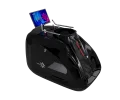
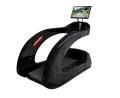
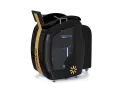
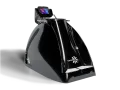










전신 적색광 치료: 회복 스튜디오 및 웰니스 센터의 투자 수익률(ROI)
전신 적색광 테라피는 일반적으로 웰니스 센터 운영자에게 3~6개월 이내에 투자 수익(ROI)을 제공하며, 장비 등급 및 지역별 세션 가격에 따라 약 150~300회 세션 후 손익분기점에 도달합니다. 이는 2025~2026년 웰니스 업계 전반에 걸친 운영자 측 ROI 분석의 핵심 내용이며, 이 글에서는 운영자들이 이를 단순한 마케팅 문구로 받아들이기보다는 자사 시장에 적용하여 검증할 수 있도록 그 계산 과정을 투명하게 분석합니다.
Vacuactivus는 2009년부터 (15년 이상) 웰니스 센터, 재활 스튜디오, 카이로프랙틱 클리닉 및 고급 스파에서 사용되는 상업용 적외선 치료 장비를 제조해 왔습니다. 아래 수치는 업계에서 보고된 범위(세션 가격, 활용도 기준)와 공개된 자료(Bizquest의 실제 스튜디오 경제성 목록)를 기반으로 하며, 운영 경험을 반영하여 작성되었습니다. 이는 제품 홍보가 아니라, 운영자가 자체 시나리오를 분석하고 단점까지 고려할 수 있도록 충분히 투명한 정보를 제공하는 데 목적이 있습니다.
이 가이드는 재활 스튜디오, 웰니스 센터, 카이로프랙틱 클리닉, 부티크 피트니스 센터 운영자 및 관리자(RLT를 서비스 추가 옵션으로 고려하는 경우), 그리고 자본 배분을 계획하는 B2B 구매자를 대상으로 합니다. 본 가이드는 2026년 중반 기준 미국 시장을 배경으로 하지만, 세부적인 내용은 일반화될 수 있습니다. 개별 스튜디오의 경제성은 위치, 고객층, 가격, 임대 조건, 직원 구성 모델, 운영 방식 등 여러 요인에 따라 크게 달라질 수 있습니다.
전신 적색광 치료가 회복 스튜디오 및 웰니스 센터에 적합한 이유
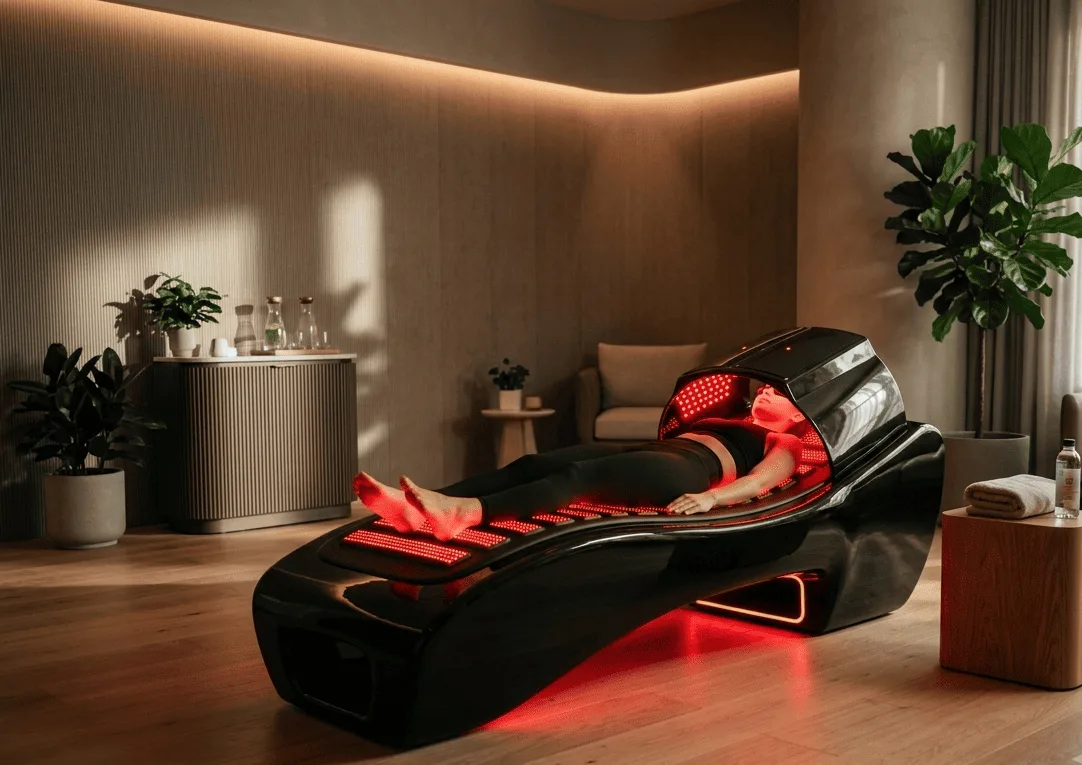
이 시술 방식은 다른 웰니스 서비스에서 제공하지 못하는 특정 서비스 공백을 메웁니다. 세션은 12~20분 정도 소요되며, 최소한의 복잡성으로 고객에게 눈에 띄는 편안함을 제공하고, 세션당 소모품이 필요하지 않습니다(냉동 요법의 질소 리필이나 플로테이션 탱크 물 교체와는 다름). 또한 기존 회원제와 자연스럽게 연계됩니다. 이미 회복 관련 서비스를 제공하는 스튜디오의 경우, 이러한 시스템을 추가하면 기존 세션 매출을 잠식하는 것이 아니라 방문당 평균 매출이 증가하는 경우가 많습니다. 냉동 요법과의 시너지 효과는 별도로 다룹니다. 적외선 치료와 냉동 요법의 병용: 시너지 효과를 내는 프로토콜 다중 모드 구축을 고려하는 운영자를 위한 정보입니다.
웰니스 기술의 거시적 성장 추세는 이러한 시점을 뒷받침합니다. 글로벌 성장 인사이트(Global Growth Insights)의 2026년 4월 자료에 따르면, 광범위한 상업용 웰니스 장비 시장(상업용 마사지 의자 시장을 거시적 지표로 사용)은 2025년 1,400억 달러에서 2035년 1,400억 달러에서 67억 6천만 달러로 연평균 89억 8,100만 달러의 성장률을 보일 것으로 예상됩니다. 명확히 말씀드리자면, 상업용 마사지 의자 시장 수치는 적외선 치료(RLT) 시장 전망이 아니며, 단지 추세적 유사성을 나타내는 것으로 해석해야 합니다. 이는 구매자들이 상업용 웰니스 장비에 지속적으로 지출하려는 의지가 증가하고 있음을 보여주는 것이며, RLT 서비스가 속한 수요 측면의 맥락이지, RLT 자체의 시장 규모를 예측하는 것은 아닙니다.
상업용 적색광 치료 장비는 얼마 정도 하나요?
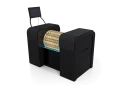
장비는 형태와 가격대에 따라 크게 네 가지 등급으로 나뉩니다. 아래 표는 웰니스 산업 제조업체 카탈로그와 운영업체 목록에서 수집한 2026년 업계 평균 가격 범위를 브랜드별 가격(분기별 변동)이 아닌 등급별로 정리한 것입니다.
| 장비 등급 | 일반적인 투자 | 세션 용량 | 최적의 선택 |
|---|---|---|---|
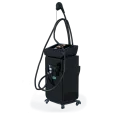
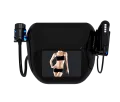
| 패널 배열(벽면형 또는 독립형) | $3,000 – $15,000 | 한 번에 한 명의 고객만 응대하며, 회당 15~25분이 소요됩니다. | 기존 클리닉에서 추가 서비스로 제공하는 입문자용 RLT 서비스 (카이로프랙틱 진료소) |
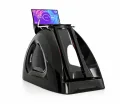
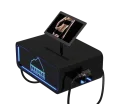
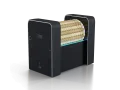
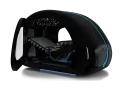
| 수평형 베드(주력 상업용 포맷) | $15,000 – $50,000 | 하루 20~40회, 회당 12~20분씩 진행합니다. | 일반적인 웰니스 스튜디오, 재활 센터, 메디컬 스파 – 표준적인 상업용 RLT 형식 |
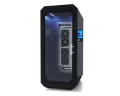
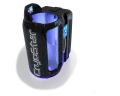
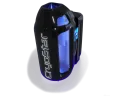
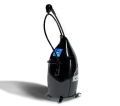
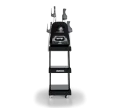
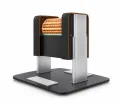
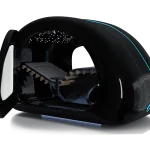
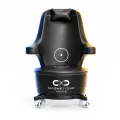
| 수직형 포드/스탠드업 유닛 | $30,000 – $80,000 | 하루 15~25회 세션 (일반적으로 짧은 세션이 많음) | 프리미엄 웰니스 센터, 부티크 피트니스 센터, 공간이 제한된 도심형 스튜디오 |
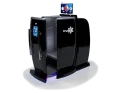
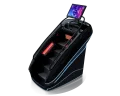
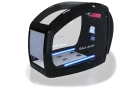
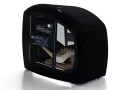
| 워크인 멀티모달리티 캐빈(레비크 할로엑스 클래스) | $50,000 – $120,000+ | 수업 시간은 더 길어지고, 하루 수업 횟수는 줄어들지만 티켓 가격은 더 높아집니다. | 프리미엄 장수 클리닉 및 웰니스 센터는 다양한 서비스를 한 번 방문으로 제공하는 것을 목표로 하며, 평균 구매액이 높은 고객을 대상으로 합니다. |
운영자에게 있어 등급 결정은 사양표보다는 서비스 모델에 더 중점을 둡니다. 패널 어레이는 기존 서비스에 추가되는 부가 서비스로 활용될 수 있습니다(예: 척추 교정 치료와 15분 패널 세션). 수평형 베드는 대부분의 주류 웰니스 스튜디오에서 멤버십 상품의 핵심 서비스로 자리 잡은 독립형 서비스입니다. 수직형 포드는 공간 제약이 있는 도심형 스튜디오에 적합합니다. Revique HaloX 클래스와 같은 멀티 모달리티 캐빈은 여러 모달리티를 결합한 단일 방문 경험 자체가 서비스가 되는 프리미엄 장수 케어 솔루션입니다.
세션 가격: 웰니스 센터의 실제 요금
2026년 미국 세션 가격 기준은 단일 세션당 $25~$75이며, 주요 도시 시장(로스앤젤레스, 뉴욕, 샌프란시스코)이 꾸준히 높은 가격대를 형성하고, 중소 시장은 $35~$50에 안착했습니다. 세션 시간은 모든 폼팩터에서 12~20분이며, 가격은 분당이 아닌 세션당 또는 패키지 단위로 책정됩니다. 10회 패키지는 일반적으로 단일 세션 가격보다 15~20% 할인된 가격으로 판매됩니다. 월간 무제한 멤버십(다음 섹션에서 자세히 설명)은 $99~$249이며, 2026년 중반 미국 시장 데이터에서 가장 일반적인 등급은 $149~$199입니다.
특정 업체가 가격을 책정할 때 고려해야 할 사항은 전국적인 가격 범위가 아니라 지역적인 기준점입니다. 즉, 가장 가까운 웰니스 서비스 업체들이 유사한 시술에 대해 얼마를 청구하는지 살펴보는 것입니다. 예를 들어, 경쟁 카이로프랙틱 클리닉에서 30분 치료에 $80을 청구한다면, 15분 RLT 세션을 $45에 제공하는 것은 접근 가능한 가격으로 보일 수 있습니다. 반대로, 지역 시장에서 플래닛 피트니스가 전신 강화 프로그램을 $24.99 블랙 카드 회원권에 포함시켜 제공한다면, 일반 고객의 $45 세션은 해당 가격과 경쟁하게 됩니다. 지역별 벤치마킹은 실질적인 가격 책정 방법이며, 업계 평균 가격 범위는 맥락을 제공하는 것입니다.
투자수익률(ROI) 계산법: 장비는 언제 투자 비용을 회수할 수 있을까요?
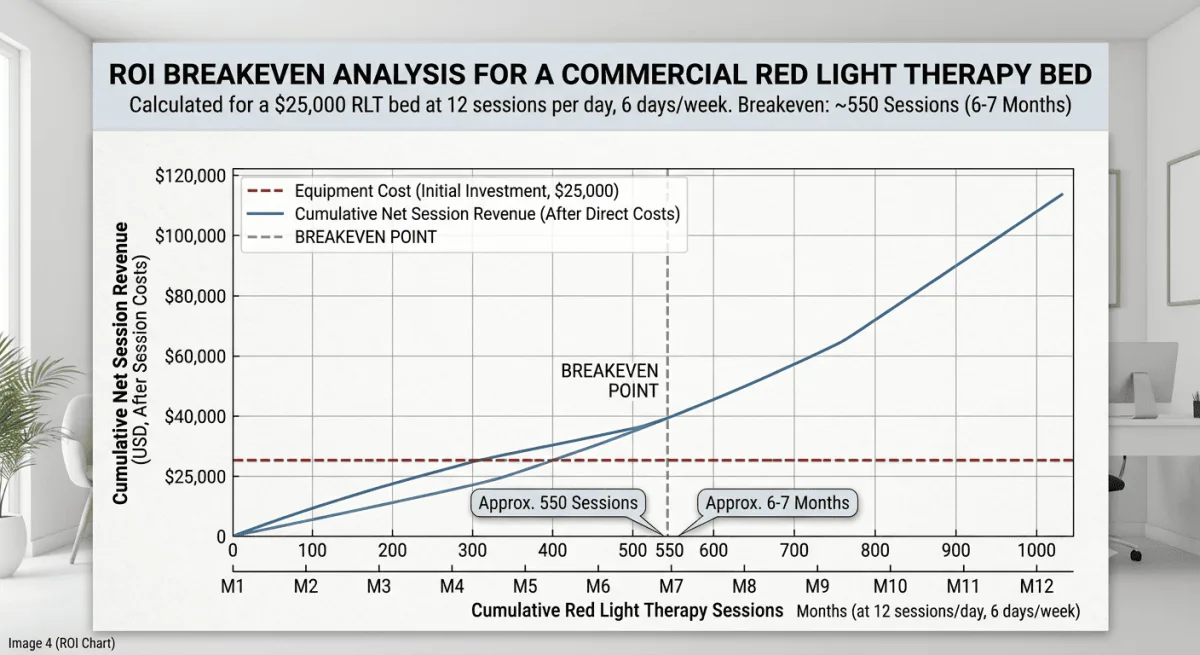
웰니스 업계 관계자들의 2025~2026년 ROI 분석 결과에 따르면, 일반적인 상업용 RLT 침대의 경우 3~6개월 이내에 ROI가 발생하며, 150~300회 세션에서 손익분기점에 도달하는 것이 업계 표준으로 자리 잡았습니다. 실제 소요 기간은 이용률, 가격 및 가격 모델에 따라 달라지며, 제시된 범위는 대부분의 운영자가 경험하는 기간을 나타내는 것이지 특정 운영자가 가정해야 할 사항은 아닙니다.
일반적인 상업용 RLT 병상 1대의 구입 비용이 약 1,400달러라고 가정해 보겠습니다. 중간 규모 시장에서 1회 세션당 평균 가격은 1,400달러입니다. 월 22일 운영, 하루 12회 세션, 이용률 601달러로 계산하면 월 총 세션 수는 158회입니다. 월 총 수익은 158 × 1,400달러 = 7,110달러입니다. 운영 비용은 다음과 같습니다. 전기료는 월 약 150~300달러(병상당 세션당 3~6kWh를 소비하며, 이용률 기준 kWh당 0.15달러), 파트타임 프런트 데스크 직원 인건비는 월 약 1,500달러, 치료실 임대료는 월 약 800~1,500달러, 보험료, 마케팅 및 기타 간접비는 월 약 500~800달러입니다. 월간 총 운영 비용은 약 $2,950~$4,100입니다. 월간 순수익은 약 $3,000~$4,500입니다.
투자 회수 기간 계산: 장비 비용 $25,000을 월평균 순수익 $3,750으로 나누면 약 6.7개월 안에 투자금을 완전히 회수할 수 있습니다. 활용률이 높거나(60% 대비 75% 이상) 회원제 도입으로 세션당 평균 수익이 증가하면 회수 기간은 4~5개월로 단축됩니다. 활용률이 낮거나(40% 이하) 공격적인 할인 정책을 시행하면 회수 기간은 10~12개월까지 늘어날 수 있습니다. 업계 표준인 3~6개월은 해당 활용률 범위의 중간에서 상위 수준을 가정한 것이므로, 40% 활용률의 스튜디오는 투자 회수 기간을 10~12개월로 예상하고 그에 맞춰 예산을 책정해야 합니다.
멤버십 모델: 지속적인 수익 창출이 승리하는 곳
규모를 크게 키운 다양한 치료법을 제공하는 적외선 웰니스 스튜디오들은 공통적으로 멤버십 기반 수익 모델을 가지고 있습니다. 2026년 비즈퀘스트(Bizquest)의 완공된 웰니스 스튜디오 매물 목록에는 2,000명 이상의 잠재 고객으로 구성된 탄탄한 파이프라인을 보유한 사업체가 소개되었는데, 이는 장비보다는 고객 기반이 사업의 진정한 자산이라는 것을 보여줍니다. 레드 라이트 메소드(Red Light Method, 네바다주 리노, 2025년 4월 오픈)와 같은 프랜차이즈와 리스토어 하이퍼 웰니스(Restore Hyper Wellness)와 같은 대형 회복 치료 체인들은 월 1,499~1,4199달러 범위의 무제한 월간 멤버십 가격 책정을 통해 사업 경제성을 구축했습니다. 이러한 변화는 적외선 치료 사업 계획에 중요한 의미를 갖습니다. 단일 세션 수익 모델도 가능하지만, 예측 가능성, 고객 유지율, 고객 생애 가치(LTV) 측면에서 한계가 있습니다.
멤버십의 장점은 여러 가지가 있습니다. 예측 가능한 현금 흐름(임대료 및 직원 계획에 필수적), 확보한 고객당 높은 고객 생애 가치(LTV), 세션당 고객 확보 비용(CAC) 절감, 그리고 소매 판매 기회 확대(멤버들이 액세서리, 보충제, 의류 등을 구매함) 등이 있습니다. 단점도 분명히 존재합니다. 멤버십 모델은 단일 세션 모델보다 초기 고객 확보가 어렵고, 할인으로 인한 가격 경쟁으로 인해 단일 세션 가격으로 얻을 수 있었던 수익이 일부 감소합니다. 새로운 RLT 스튜디오 운영자에게 가장 좋은 방법은 단일 세션 가격으로 고객을 확보하고, 이용 빈도가 높은 고객을 3~5회 세션 내에 월간 멤버십으로 전환하는 하이브리드 모델을 사용하는 것입니다.
실제 수익 사례: 1,678제곱피트 규모의 웰니스 스튜디오
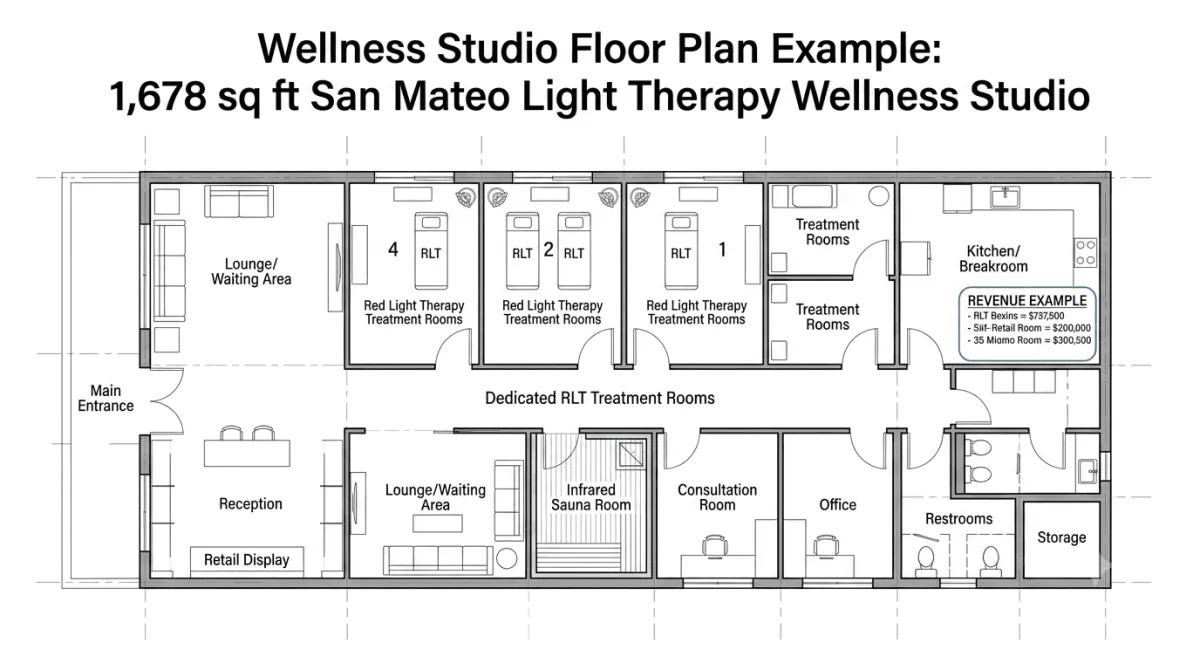
2026년 비즈퀘스트(Bizquest) 비즈니스 목록은 운영 중인 상업용 적외선 치료 시설의 투명한 재무 정보를 제공합니다. 캘리포니아주 샌마테오에 위치한 라이트 테라피 웰니스 스튜디오(Light Therapy Wellness Studio)는 1,678제곱피트 규모로 2025년 8월에 개업했으며, 매물 가격은 1,440만 달러, 연간 매출은 1,440만 달러로 책정되었습니다. 이 스튜디오는 적외선 치료실, 적외선 사우나, 그리고 소매점을 운영하고 있습니다. 이 수치는 감사된 손익계산서가 아닌, 판매자가 비즈퀘스트 공개 목록에서 제시한 데이터이므로, 검증된 기준치가 아닌 예시적인 경제성 지표로 간주해야 합니다.
이러한 수치를 바탕으로 사업 경제성을 분석했습니다. 연간 매출 48만 달러(TP4T)는 스튜디오 전체 월평균 4만 달러(TP4T)의 수익을 의미합니다. FF&E(가구, 비품 및 장비)는 5~7년의 장비 수명을 가정하여 감가상각하며, 다양한 서비스를 제공하는 스튜디오 전체에 걸쳐 월평균 6천 달러에서 8천 달러(TP4T)의 감가상각비가 발생합니다. 샌마테오 상업용 임대료 기준으로 1,678제곱피트(약 157제곱미터) 면적의 임대료는 월 8천 달러에서 1만 2천 달러(TP4T)로 추산됩니다. 파트타임 프런트 데스크 직원과 상시 근무하는 기술자의 인건비는 8천 달러에서 1만 2천 달러(TP4T)로 추산됩니다. 소유주 보상 전 순 월 수익은 1만 2천 달러에서 1만 8천 달러(TP4T) 범위로, 소유주 인출금을 충당하고 장비 금융 비용을 상환하기에 충분합니다. 세부 사항보다는 형태가 더 중요합니다. 강력한 대도시 시장에서 회원 중심의 수익 구조를 가진 잘 운영되는 복합 모달리티 스튜디오는 모델의 성공 사례를 보여주며, 그 형태는 다른 시장의 운영자가 적용할 수 있는 부분입니다. 고객 수요의 근간이 되는 독립형 RLT(Residential Living Technology)의 이점에 대해서는 다음을 참조하십시오. 적외선 치료의 효능은 과장 광고가 아닌 연구 결과로 입증되었습니다. 이는 고객이 찾는 증거 기반을 단계별로 설명하는 것입니다.
RLT 수익을 증대시키는 부가 서비스
전신 적색광 테라피는 단독으로도 효과적이지만, 관련 회복 서비스 및 소매 제품과 결합할 경우 수익이 크게 증가합니다. Bizquest 2026 데이터 세트에 따르면 고성장 웰니스 스튜디오는 적색광 테라피를 적외선 사우나, 냉동 요법, 압축 요법, 소금 요법 및 소매 제품(국소 LED 관련 스킨케어, 가정용 패널 재판매)과 일관되게 결합하고 있습니다. 파장 선택에 대한 고객 문의를 지원하는 패널 사양에 대한 자세한 내용은 다음을 참조하십시오. 적색광 치료 패널: 660nm + 850nm 파장이 조직을 치유하는 방법.
카이로프랙틱 클리닉에서 RLT(원격 레이저 치료)를 도입하면 일반적으로 추가 서비스로 인해 방문당 평균 진료비가 1,430~1,460달러 증가합니다. 스포츠 재활 센터에서는 RLT를 기본 마사지나 폼롤링보다 한 단계 높은 프리미엄 서비스로 제공합니다. RLT와 같은 관련 재활 장비도 함께 활용됩니다. 스트레스 해소 라운지 무중력 의자 같은 방문 시 회복 스테이션과 자연스럽게 연계됩니다. 주택 구매자의 재판매 관점(패널 구매자가 되는 고객)에 대해서는 다음을 참조하십시오. 가정용 적외선 치료기 중 최고: 전문가들이 전문 장비를 선택하는 이유 이는 만족한 스튜디오 고객들이 전문 장비 구매자로 변모하게 만드는 사양 격차를 설명해 줍니다.
장비 비용 외 운영 간접비
장비 초기 투자 비용이 가장 큰 비중을 차지하지만, 5~7년의 장비 수명 동안 매달 발생하는 운영비는 상당한 금액으로 누적됩니다. 반복적인 비용 측면을 자세히 살펴보면 다음과 같습니다. 일반적인 사용량 기준으로 상업용 침대의 전기료는 월 150~300파운드, 치료실 임대료는 시장 상황에 따라 월 800~1,500파운드, 책임 보험료는 월 150~400파운드, 청소 용품 및 안경 소모품은 월 50~100파운드, 장비 유지 보수 및 LED 교체 적립금은 장비 수명 기간 동안 평균 월 100~200파운드입니다.
프런트 데스크 직원(파트타임 접수원, 세션별 치료사가 아님) 인건비는 월 약 1,500~2,500 TP4T입니다. 마케팅 비용은 시장 밀도에 따라 크게 달라집니다. 자연 유입 채널 비중이 높은 경우 월 500~1,000 TP4T이지만, 유료 광고를 대규모로 운영하는 경우 월 2,000~3,000 TP4T까지 올라갈 수 있습니다. 결제 처리 및 소프트웨어(예약, 멤버십, POS) 비용은 월 200~400 TP4T입니다. 단일 룸 RLT 운영에 필요한 총 운영 비용은 월 3,000~5,500 TP4T 범위입니다. 이 수치는 회원 기반이 아직 충분히 확보되지 않은 4개월 차에 발견하기보다는 장비 구매 전에 정확하게 예측해야 합니다. 자세히 알아보기 당사의 상업용 적색광 치료 패널 운영자 평가가 등급 선택 단계에 있는 경우 전체 사양 범위에 대해.
자주 묻는 질문
Q1. 시중에서 판매되는 전신 적외선 치료기는 가격이 얼마인가요?
상업용 장비는 보급형 패널 어레이의 경우 약 1,000~1,000달러에서 고급형 전신 마사지 포드의 경우 80,000달러 이상, 워크인 멀티모달리티 캐빈의 경우 50,000~120,000달러까지 다양합니다. 대부분의 웰니스 스튜디오에서 핵심 장비로 사용되는 일반적인 RLT 침대는 15,000~50,000달러입니다. 패널 어레이(3,000~15,000달러)는 기존 임상 서비스에 추가 장비로 활용하기에 적합합니다. 수직형 포드(30,000~80,000달러)는 공간이 제한된 도심 스튜디오에 적합합니다. 장비 선택은 사양표보다는 서비스 모델에 따라 달라집니다. 수평형 침대는 독립적인 회원제 서비스의 핵심 장비로, 패널 어레이는 기존 서비스에 새로운 기능을 추가하는 용도로, 멀티모달리티 캐빈은 프리미엄 장수 서비스에 적합합니다. 장비 가격은 분기별로 변동되므로 현재 가격은 공급업체에 직접 확인하십시오.
Q2. 웰니스 센터에서 적외선 치료의 투자 수익률(ROI)은 얼마입니까?
웰니스 업계 자료에 따르면 2025~2026년 기준 운영자 측 ROI 분석에서 일반적인 상업용 RLT 침대의 투자 회수 기간은 3~6개월이며, 장비는 약 150~300회 세션 후 손익분기점에 도달하는 것으로 나타났습니다. 실제 회수 기간은 사용률(60% 이상일 경우 회수 기간이 단축되고, 40% 미만일 경우 10~12개월로 연장됨), 가격 모델(회원제일 경우 일반 고객 대비 회수 기간 단축), 시장 위치(도시 프리미엄 시장은 높은 세션 가격을 수용할 수 있음)에 따라 달라집니다. 평균 세션 가격이 $45달러이고 사용률이 60%이며 운영 비용을 효율적으로 관리하는 경우, $25,000 침대는 일반적으로 약 6.7개월 만에 투자금을 회수할 수 있습니다. 사용률이 높거나 회원제 비중이 높은 수익 구조일 경우 회수 기간은 4~5개월로 단축됩니다.
질문 3. 적외선 치료 세션에 얼마를 청구할 수 있나요?
2026년 미국 내 세션 가격 기준은 1회 세션당 $25에서 $75 사이이며, LA, NY, SF와 같은 주요 도시 시장에서 더 높은 가격대를 형성하고 있습니다. 10회 패키지는 일반적으로 1회 세션 가격보다 15~20% 할인된 가격에 판매됩니다. 월간 무제한 멤버십은 $99에서 $249 사이이며, 2026년 중반 미국 시장 데이터에서 가장 일반적인 요금제는 $149에서 $199입니다. 특정 업체에 적합한 가격은 전국 평균 가격 범위가 아니라, 인근 웰니스 서비스 업체에서 유사한 시술에 대해 부과하는 가격, 즉 지역 기준 가격을 기준으로 삼아야 합니다.
질문 4. 적외선 치료 침대를 구입하고 본전을 뽑으려면 몇 회 시술이 필요합니까?
일반적인 상업용 RLT 침대(약 1,400달러~25,000달러)의 경우, 2026년 웰니스 업계 운영자 데이터에 따르면 회당 가격 기준으로 150~300회 세션 사이에 손익분기점이 발생합니다. 월평균 601회 세션(하루 12회, 22일 운영 기준 약 158회 세션)을 사용한다고 가정하면, 운영 간접비를 제외할 경우 장비 비용을 회수하는 데 1~2개월이 소요되며, 실제 운영 비용을 포함할 경우 투자금 전액 회수에는 약 6~7개월이 걸립니다. 사용률이 낮거나 할인율이 높을 경우 회수 기간이 길어지고, 회당 실질 수익을 높이는 멤버십 가격 책정 방식은 회수 기간을 단축시킵니다.
Q5. 전신 적외선 치료 침대, 패널, 포드 중 웰니스 스튜디오에 가장 적합한 것은 무엇입니까?
비즈니스 모델에 따라 다릅니다. 베드형($15K-$50K)은 12~20분 세션, 하루 20~40회 세션 수용이 가능한 수평형으로, 일반적인 스튜디오에서 멤버십 프로그램을 구축하는 데 가장 적합합니다. 패널 어레이형($3K-$15K)은 독립적인 서비스보다는 기존 서비스에 RLT를 추가하는 클리닉에 적합합니다. 포드형($30K-$80K)은 수직적인 공간 활용과 포드형 디자인을 통해 더 높은 세션 가격을 책정할 수 있는 프리미엄 도심형 스튜디오에 적합합니다. 멀티모달리티 캐빈형($50K-$120K, Revique HaloX 클래스)은 1회 방문으로 여러 모달리티 서비스를 제공하는 프리미엄 장기 고객층에 적합합니다. 운영자의 비즈니스 모델에 맞춰 장비 형태를 선택해야 하며, 그 반대가 되어서는 안 됩니다.
Q6. 적외선 치료 스튜디오의 평균 회원권 가격은 얼마인가요?
2026년 미국 시장 데이터에 따르면 월 무제한 멤버십 가격은 일반적으로 $99에서 $249 사이이며, $149~$199가 가장 일반적인 등급입니다. 미국 프랜차이즈 웰니스 브랜드들도 이와 유사한 $99~$199 가격대에서 운영됩니다. 등급별 구조가 효과적인데, 기본 등급($99)은 제한된 세션 이용, 중간 등급($149~$199)은 무제한 RLT 이용, 프리미엄 등급($249 이상)은 적외선 사우나 또는 냉동 요법 이용을 포함한 다양한 서비스를 제공하는 방식입니다. 멤버십 중심의 수익 구조는 변동성이 큰 단일 세션 방문 수익보다 투자 회수 기간을 단축하고 현금 흐름을 안정화하는 데 도움이 됩니다.
Q7. 시중에서 판매되는 적색광 치료 침대는 전기를 얼마나 소비합니까?
일반적인 상업용 전신 RLT 침대는 세션당 3~6kWh의 전력을 소비하며, 이는 미국 평균 전기 요금인 kWh당 0.15달러를 기준으로 일반적인 사용량에 따라 월 약 150~300달러에 해당합니다. 이는 투자 수익률(ROI) 모델에 포함되어야 하는 실제 운영 비용이지만, 가장 큰 비중을 차지하는 비용은 아닙니다. 인건비, 임대료, 마케팅 비용은 일반적으로 전기료보다 3~8배 더 높습니다. LED 개수 및 조사량 사양에 따라 소비 전력이 크게 달라지므로, 실제 소비 전력은 제품 사양서를 통해 확인해야 합니다.
Q8. 적색광 테라피는 기존 웰니스 센터에 추가하기에 좋은 사업 아이템일까요?
기존 회원 기반을 보유한 카이로프랙틱 클리닉, 스포츠 재활 센터, 스파, 부티크 피트니스 스튜디오의 경우, RLT(Recovery Learning Technology)를 추가하면 일반적으로 서비스 제공으로 인해 방문당 평균 매출이 $30~$60 정도 증가합니다. 또한 고정 월별 운영비는 별도의 고객 확보 없이 기존 고객층에 분산됩니다. 이러한 방식은 기존 사업체가 이미 재활 관련 사업을 운영하고 있고, 웰빙 관련 지출에 대한 가처분 소득이 있는 고객층을 확보하고 있을 때 가장 효과적입니다. 웰빙 수요 기반이 부족한 시장에서 RLT를 별도의 서비스로 도입하는 것은 효과적이지 않을 수 있습니다. 업계 벤치마크를 그대로 적용하기보다는 자본 투자 전에 각 스튜디오의 구체적인 실적을 분석하는 것이 중요합니다.
결론
전신 적외선 치료는 지역 시장 상황에 맞는 수익성을 확보한다면 재활 스튜디오 및 웰니스 센터에 효과적인 상업용 장비 투자입니다. 일반적인 $25,000 병상 규모에 60% 병상 이용률, 평균 세션 가격 $45를 기준으로 투자 수익률(ROI)은 보통 3~6개월 내에 달성되며, 150~300회 세션 후 손익분기점에 도달합니다. 이용률이 높거나 회원 중심의 매출 구조를 가진 경우 투자 회수 기간은 4~5개월로 단축될 수 있으며, 이용률이 40% 미만이거나 공격적인 할인 전략을 사용하는 경우에는 10~12개월까지 늘어날 수 있습니다. 투자 비용 계산 방식은 투명하게 공개되어야 합니다. 자본 배분을 고려하는 운영자들은 운영 비용을 숨기는 마케팅 문구가 아닌 정직한 정보를 받을 자격이 있습니다.
실질적인 투자 수익률(ROI)을 달성하는 길은 55~60% 이상의 활용률, 단일 세션과 멤버십을 결합한 하이브리드 가격 모델, 투명한 운영 비용 관리(전기, 인건비, 보험, 마케팅), 그리고 회복 수요 인프라가 부족한 시장에서 독립적으로 포지셔닝하는 대신 인접 회복 서비스와의 통합을 통해 이루어집니다. 특정 스튜디오의 비즈니스 모델에 맞는 구체적인 요금제를 찾으려면 다음을 살펴보세요. 상업용 적색광 치료 패널 전체 사양 범위를 보려면 또는 Revique HaloX 장수 캡슐 프리미엄 장기 투숙 시장을 겨냥한 복합 운송 단일 객실 항공편의 경우, 투자하기 전에 위의 ROI 계산법을 공급업체의 특정 사양서에 적용하십시오. 요청 시 투명한 운영 비용 데이터를 제공하지 못하는 공급업체는 무언가를 암시하는 것입니다.


