




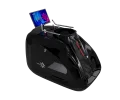
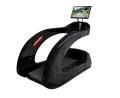
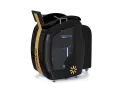
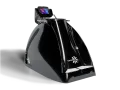








Terapia com luz vermelha para o corpo todo: retorno do investimento para estúdios de recuperação e centros de bem-estar.
A terapia com luz vermelha para o corpo todo geralmente proporciona retorno sobre o investimento (ROI) em 3 a 6 meses para um centro de bem-estar, atingindo o ponto de equilíbrio após aproximadamente 150 a 300 sessões, dependendo do nível do equipamento e dos preços praticados localmente. Essa é a principal conclusão das análises de ROI realizadas por operadores do setor de bem-estar em 2025-2026, e este artigo detalha os cálculos por trás dessa conclusão de forma transparente, para que os operadores possam testar essa premissa em seu próprio mercado, em vez de aceitá-la como mera propaganda.
A Vacuactivus fabrica equipamentos comerciais de terapia com luz vermelha utilizados em centros de bem-estar, estúdios de recuperação, clínicas de quiropraxia e spas de alto padrão desde 2009 (há mais de 15 anos). Os números abaixo foram extraídos de faixas de preço divulgadas pelo setor (preços por sessão, índices de utilização) e de fontes públicas (listagens da Bizquest para dados reais de economia de unidade de estúdios), com a experiência do operador influenciando a análise. Este não é um anúncio: o objetivo é fornecer ao operador dados matemáticos suficientes e transparentes para que ele possa simular seu próprio cenário, incluindo as possíveis desvantagens.
O público-alvo deste guia são proprietários e gerentes de estúdios de recuperação, centros de bem-estar, clínicas de quiropraxia, academias boutique que consideram a Terapia de Relaxamento e Ligação (RLT) como um serviço adicional e compradores B2B que estejam alocando capital. O contexto é o mercado americano em meados de 2026, embora os princípios sejam generalizáveis. A situação financeira de cada estúdio varia substancialmente de acordo com a localização, clientela, preços, condições de locação, modelo de equipe e execução operacional.
Por que a terapia com luz vermelha para o corpo todo é adequada para clínicas de recuperação e centros de bem-estar?
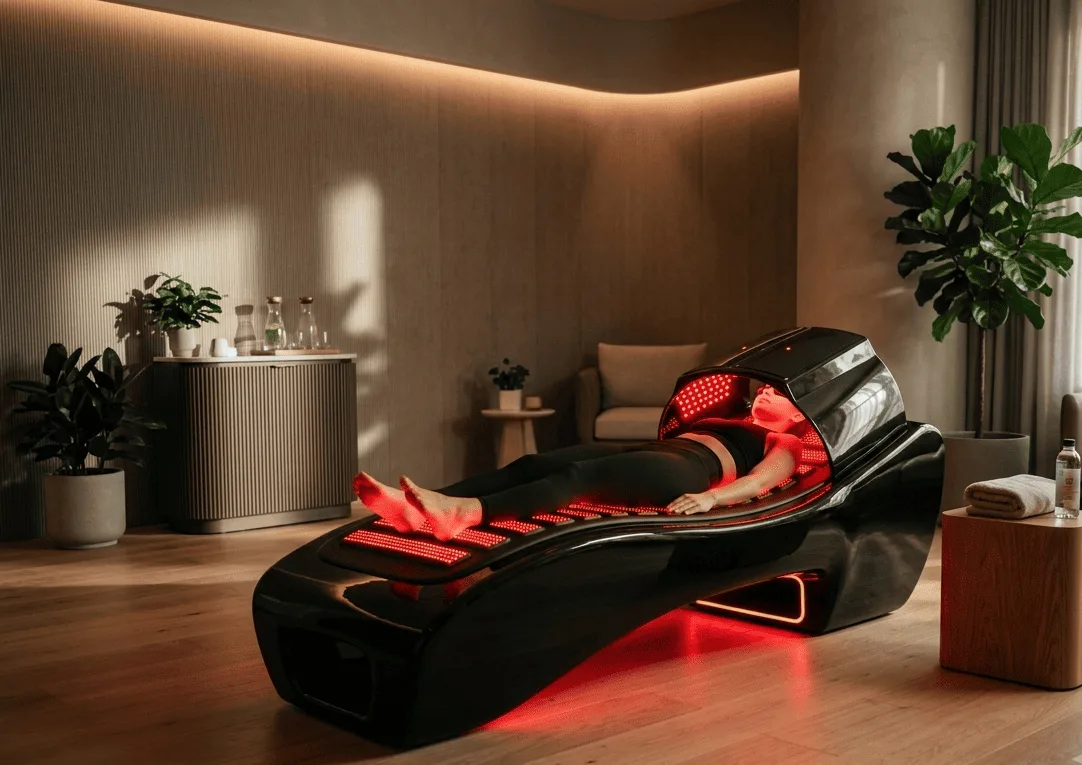
Essa modalidade preenche uma lacuna específica de serviço que outras ofertas de bem-estar não atendem. As sessões duram de 12 a 20 minutos, proporcionam conforto visível ao cliente com complexidade mínima, não exigem consumíveis por sessão (ao contrário das recargas de nitrogênio da crioterapia ou das trocas de água da câmara de flutuação) e se integram naturalmente às estruturas de assinatura existentes. Para estúdios que já oferecem serviços relacionados à recuperação, a adição desses sistemas geralmente aumenta a receita média por visita, em vez de canibalizar as sessões existentes. A combinação com a crioterapia é abordada separadamente em [referência]. Terapia com luz vermelha combinada com crioterapia: benefícios do protocolo combinado Para operadores que consideram construções multimodais.
A trajetória macroeconômica da tecnologia de bem-estar reforça o momento oportuno. Os dados da Global Growth Insights de abril de 2026 sobre a categoria mais ampla de equipamentos comerciais de bem-estar (usando o mercado de cadeiras de massagem comerciais como um indicador macro direcional) projetaram o segmento de equipamentos de bem-estar de US$ 2,86 bilhões em 2025 para US$ 6,76 bilhões em 2035, com uma taxa de crescimento anual composta (CAGR) de 8,98%. Para sermos explícitos: o valor específico do mercado de cadeiras de massagem comerciais NÃO é uma previsão para o mercado de terapia com luz vermelha e deve ser interpretado apenas como uma indicação direcional, não como uma projeção do mercado de terapia com luz vermelha. O que ele sinaliza é a disposição dos compradores em gastar em equipamentos comerciais de bem-estar, que continua a aumentar, o que está inserido no contexto da demanda por serviços de terapia com luz vermelha, e não uma projeção do tamanho do mercado para a modalidade em si.
Qual o custo de um equipamento comercial de terapia com luz vermelha?
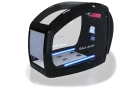
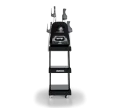
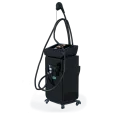
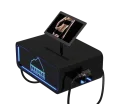
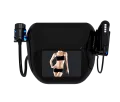
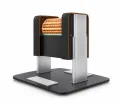
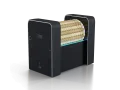
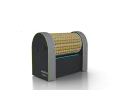
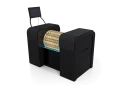
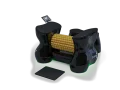
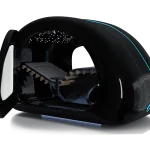
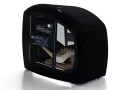
Os equipamentos são divididos em quatro categorias práticas por formato e faixa de preço. A tabela abaixo reflete as faixas de preço observadas no setor em 2026, com base em catálogos de fabricantes e listas de operadores da indústria de bem-estar, categorizadas em níveis em vez de preços por marca (que mudam trimestralmente).
| Nível de equipamento | Investimento típico | Capacidade da sessão | Melhor ajuste |
|---|---|---|---|
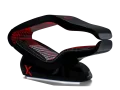
| Conjunto de painéis (de parede ou independentes) | $3.000 – $15.000 | Cada sessão tem duração de 15 a 25 minutos, com um cliente por vez. | Clínicas existentes que adicionam esse serviço como complemento, consultórios de quiropraxia, serviço RLT de nível básico |
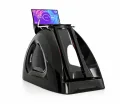
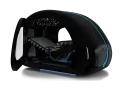
| Cama horizontal (formato comercial padrão) | $15.000 – $50.000 | 20 a 40 sessões por dia, com duração de 12 a 20 minutos cada. | Estúdios de bem-estar convencionais, centros de recuperação, spas médicos – o formato comercial padrão de terapia de relaxamento. |
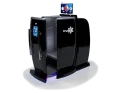
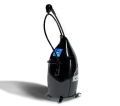
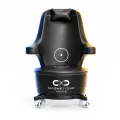
| Unidade vertical / unidade de pé | $30.000 – $80.000 | 15 a 25 sessões por dia (sessões mais curtas são comuns) | Centros de bem-estar premium, academias boutique, estúdios urbanos com espaço limitado. |
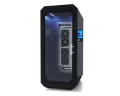
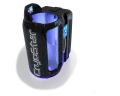
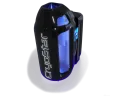
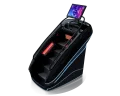
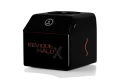
| Cabine multimodal walk-in (classe Revique HaloX) | $50.000 – $120.000+ | Sessões mais longas, em menor número por dia, mas com preços de ingressos mais altos. | Clínicas de longevidade premium, centros de bem-estar que oferecem uma experiência multimodal em uma única visita, para clientes com alto poder aquisitivo. |
Para um operador, a decisão sobre o nível de serviço não se baseia tanto nas especificações técnicas, mas sim no modelo de serviço. Um conjunto de painéis funciona como um complemento a um serviço já existente (por exemplo, um ajuste quiroprático mais uma sessão de 15 minutos com os painéis). Uma cama horizontal é o serviço independente mais utilizado pela maioria dos estúdios de bem-estar tradicionais, que estruturam seus planos de assinatura. Uma cabine vertical é ideal para estúdios urbanos com espaço limitado, onde a área disponível é importante. Uma cabine multimodal, como a Revique HaloX, oferece um posicionamento premium de longo prazo, onde a experiência em uma única visita, que combina diversas modalidades, é o próprio serviço.
Preços das sessões: quanto os centros de bem-estar realmente cobram
Nos EUA, os preços de referência para sessões em 2026 variam entre $25 e $75 por sessão, com os principais mercados urbanos (Los Angeles, Nova York, São Francisco) consistentemente apresentando os preços mais altos e os mercados secundários entre $35 e $50. A duração da sessão varia de 12 a 20 minutos, independentemente do formato, e o preço é definido por sessão ou por pacote, e não por minuto. Pacotes com 10 sessões geralmente são vendidos com um desconto de 15 a 20% em relação ao preço da sessão individual; as assinaturas mensais ilimitadas (abordadas na próxima seção) custam entre $99 e $249, sendo o pacote mais comum entre $149 e $199, de acordo com os dados do mercado americano de meados de 2026.
A questão de preços para um operador específico não é a faixa de preços nacional, mas sim a referência local: quanto os serviços de bem-estar mais próximos cobram por modalidades semelhantes. Se uma clínica de quiropraxia concorrente cobra £80 por um tratamento de 30 minutos, uma sessão de RLT de 15 minutos a £45 parece acessível; se o mercado local tem uma academia Planet Fitness que inclui o Total Body Enhancement em um pacote Black Card de £24,99, uma sessão avulsa de £45 compete com essa referência. A comparação com o mercado local é o exercício prático de precificação; as faixas de preços do setor são apenas o contexto.
A matemática do ROI: quando o equipamento se paga?
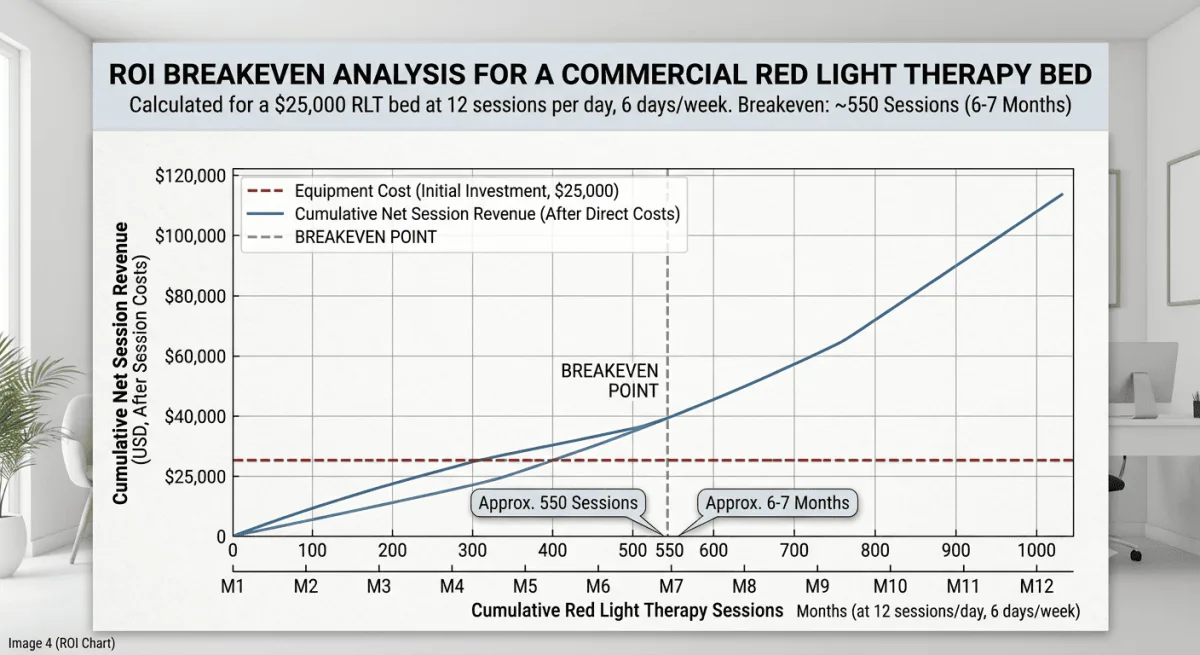
Análises de ROI (retorno sobre o investimento) do lado do operador, provenientes de fontes da indústria de bem-estar, para o período de 2025-2026, estabeleceram o padrão da indústria para um período de ROI de 3 a 6 meses, com o ponto de equilíbrio entre 150 e 300 sessões para uma cama de terapia de relaxamento muscular convencional. O cronograma real depende da utilização, do preço e do modelo de precificação; a faixa apresentada representa o que a maioria dos operadores observa, e não o que um operador específico deva assumir.
Considere uma cama de terapia de relaxamento (RLT) comercial convencional com um custo de aquisição aproximado de $25.000. O preço médio por sessão é de $45 em uma localização de mercado intermediário. A capacidade de sessões é de 12 por dia, em 22 dias úteis por mês, com uma taxa de utilização de 60%, o que equivale a 158 sessões concluídas por mês. Receita: 158 × $45 = $7.110 por mês (bruto). Despesas operacionais: eletricidade aproximadamente entre $150 e $300 por mês (uma cama consome de 3 a 6 kWh por sessão a $0,15/kWh com essa taxa de utilização), alocação de pessoal de meio período para a recepção aproximadamente $1.500 por mês, aluguel da sala de tratamento aproximadamente entre $800 e $1.500 por mês, seguro, marketing e outras despesas gerais, totalizando aproximadamente entre $500 e $800. Custo operacional mensal total: aproximadamente $2.950-$4.100. Contribuição líquida mensal: aproximadamente $3.000-$4.500.
Cálculo do retorno do investimento: o custo do equipamento de $25.000 dividido pela contribuição líquida mensal média de $3.750 resulta em aproximadamente 6,7 meses para o retorno total do investimento. Uma utilização mais alta (75% ou mais, contra 60%) ou preços de assinatura que elevem a receita média efetiva por sessão reduzem esse período para 4 a 5 meses. Uma utilização mais baixa (40% ou menos) ou descontos agressivos estendem o período para 10 a 12 meses. O índice de referência do setor de 3 a 6 meses pressupõe a faixa média a superior dessa utilização; um estúdio com utilização de 40% deve modelar o retorno do investimento mais próximo de 10 a 12 meses e orçar de acordo.
Modelos de associação: onde a receita recorrente se destaca
Estúdios de bem-estar com luz vermelha multimodal que atingiram uma escala significativa compartilham um padrão comum: receita baseada em assinaturas. Um estudo de 2026 da Bizquest sobre estúdios de bem-estar prontos para uso destacou um negócio sustentado por uma sólida carteira de mais de 2.000 clientes em potencial, ilustrando que a base de clientes, e não os equipamentos, é muitas vezes o verdadeiro ativo do negócio. Conceitos de franquia, incluindo o Red Light Method (Reno, Nevada, lançamento em abril de 2025) e grandes redes de modalidades de recuperação, como o Restore Hyper Wellness, construíram sua economia de escala com base em preços de assinatura mensal ilimitada na faixa de US$ 1.999 a US$ 1.999 por mês. Essa mudança é importante para o planejamento de negócios de terapia com luz vermelha: modelos de receita por sessão única funcionam, mas deixam de lado a previsibilidade, a retenção e o valor vitalício do cliente (LTV).
As vantagens da assinatura são cumulativas: fluxo de caixa previsível (essencial para o planejamento de aluguel e equipe), maior valor vitalício do cliente (LTV) por cliente adquirido, menor custo de aquisição de clientes (CAC) por sessão realizada e maiores oportunidades de vendas adicionais (membros compram acessórios, suplementos e roupas). As desvantagens, porém, são inegáveis: a aquisição inicial de clientes é mais difícil para assinaturas do que para sessões avulsas, e a pressão sobre os preços devido a descontos reduz parte da receita que seria obtida com as sessões avulsas. A melhor prática para novos estúdios de terapia de relaxamento é um modelo híbrido que prioriza a aquisição de clientes por sessão avulsa e converte usuários frequentes em assinantes mensais em 3 a 5 sessões.
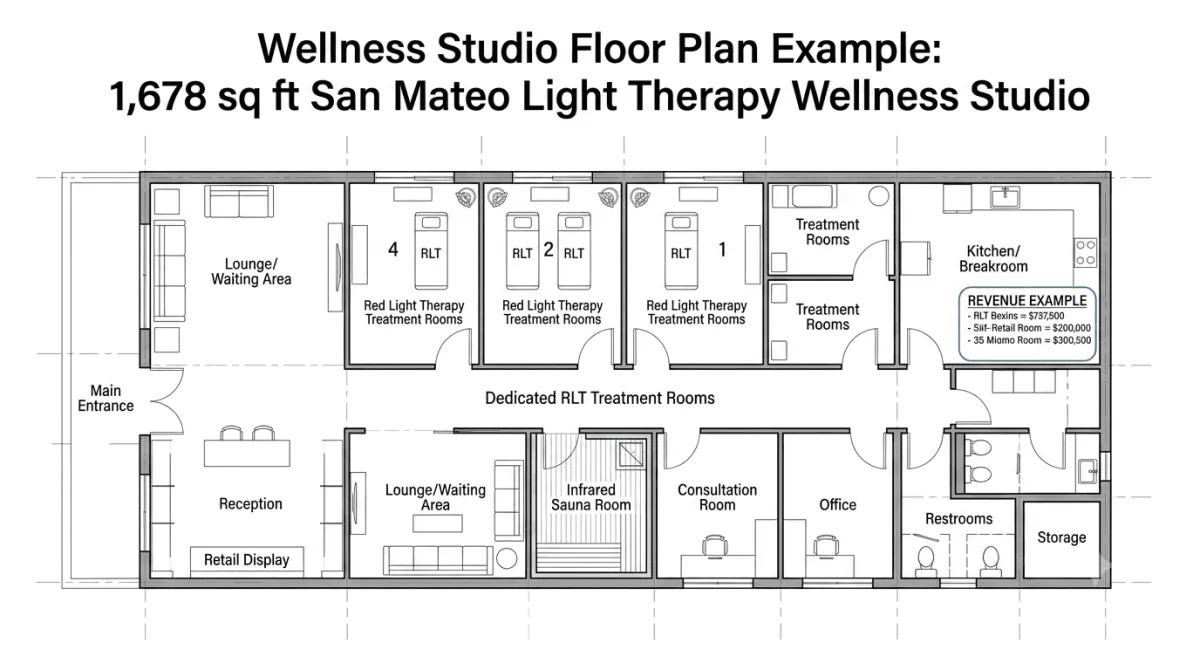
Exemplo de receita real: um estúdio de bem-estar de 156 metros quadrados (1.678 pés quadrados).
Um anúncio comercial da Bizquest de 2026 fornece números transparentes para uma operação comercial de terapia com luz vermelha em funcionamento. O Light Therapy Wellness Studio, em San Mateo, Califórnia, é um estúdio de 156 metros quadrados (1.678 pés quadrados) inaugurado em agosto de 2025, com preço de venda de US$ $680.000 e receita anual de US$ $480.000. O estúdio oferece salas dedicadas a tratamentos com luz vermelha, além de sauna infravermelha e loja. Esses números refletem dados fornecidos pelo vendedor em um anúncio público da Bizquest, e não uma demonstração de resultados auditada. Portanto, considere-os como uma estimativa da viabilidade econômica da unidade, e não como um parâmetro validado.
A economia da unidade funciona com esses números. Uma receita anual de £480.000 implica uma média mensal de £40.000 para todo o estúdio. O valor do mobiliário, equipamentos e acessórios (FF&E), amortizado ao longo de uma vida útil de 5 a 7 anos, aloca aproximadamente £6.000 a £8.000 por mês em depreciação de equipamentos para o espaço multifuncional. O aluguel, com base nas taxas comerciais de San Mateo, é estimado em £8.000 a £12.000 por mês para os 156 metros quadrados (1.678 pés quadrados). A equipe de atendimento na recepção em tempo parcial, além dos técnicos agendados, é estimada em £8.000 a £12.000. A contribuição líquida mensal, antes da remuneração do proprietário, fica na faixa de £12.000 a £18.000 – o suficiente para cobrir os custos de retirada do proprietário e continuar pagando o financiamento dos equipamentos. Os detalhes importam menos do que o formato: um estúdio multimodal bem administrado em um mercado metropolitano forte, com uma receita proveniente principalmente de assinaturas, demonstra o modelo, e o formato é o que um operador em um mercado diferente pode adaptar. Para os benefícios independentes do RLT que sustentam a demanda do cliente, veja Benefícios da terapia com luz vermelha comprovados por estudos, não por exageros. que descreve detalhadamente a base de evidências que os clientes procuram.
Serviços adicionais que multiplicam a receita da RLT
A terapia com luz vermelha para o corpo todo funciona de forma independente, mas a receita se multiplica significativamente quando combinada com serviços de recuperação e produtos de varejo adjacentes. Os estúdios de bem-estar de alto crescimento no conjunto de dados Bizquest 2026 combinam consistentemente a modalidade com sauna infravermelha, crioterapia, terapia de compressão, terapia com sal e varejo (cuidados tópicos com a pele relacionados a LED, revenda de painéis para uso doméstico). Para uma análise detalhada das especificações do painel que responde às perguntas dos clientes sobre a seleção do comprimento de onda, consulte Painel de Terapia com Luz Vermelha: Como os Comprimentos de Onda de 660nm + 850nm Curam o Tecido.
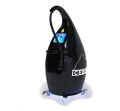
Clínicas de quiropraxia que adicionam essa modalidade geralmente aumentam o valor médio por consulta em £30 a £60 devido ao serviço adicional. Centros de recuperação esportiva posicionam a Terapia de Liberação Miofascial (RLT) como um serviço premium, superior à massagem básica ou ao uso de rolo de espuma. Equipamentos de recuperação adjacentes, como... Cadeira de gravidade zero De-Stress Lounge Combina naturalmente como um local de recuperação complementar na mesma visita. Para uma perspectiva de revenda de imóveis (clientes que se tornam compradores do painel), veja Melhor terapia com luz vermelha para uso doméstico: por que os profissionais escolhem equipamentos profissionais O que explica a lacuna de especificações que transforma clientes de estúdio satisfeitos em compradores de equipamentos profissionais.
Custos operacionais indiretos além do custo do equipamento
O investimento inicial em equipamentos é o maior custo individual, mas as despesas gerais mensais recorrentes acumulam-se significativamente ao longo da vida útil do equipamento, que varia de 5 a 7 anos. Uma análise detalhada dos custos recorrentes: a eletricidade de uma maca comercial custa entre $150 e $300 por mês, considerando uma utilização típica; o aluguel da sala de tratamento varia normalmente entre $800 e $1.500, dependendo do mercado; o seguro custa entre $150 e $400 por mês para cobertura de responsabilidade civil; os materiais de limpeza e consumíveis para óculos de proteção custam entre $50 e $100 por mês; e a reserva para manutenção de equipamentos e substituição de LEDs custa entre $100 e $200 por mês, em média, ao longo da vida útil do equipamento.
A equipe da recepção (recepcionistas em tempo parcial, não um terapeuta por sessão) aloca aproximadamente de £1.500 a £2.500 por mês. Os gastos com marketing variam drasticamente de acordo com a densidade do mercado: de £500 a £1.000 por mês para canais com forte presença orgânica, podendo chegar a £2.000 a £3.000 por mês se a aquisição paga for realizada em larga escala. Processamento de pagamentos e software (reservas, cadastros, PDV) custam de £200 a £400 por mês. O custo operacional recorrente total para uma clínica de terapia ocupacional com uma única sala fica na faixa de £3.000 a £5.500 por mês – um valor que deve ser estimado honestamente antes da compra do equipamento, em vez de ser descoberto no quarto mês, quando a base de membros ainda não cresceu. Explore nossos painéis comerciais de terapia com luz vermelha para toda a gama de especificações, caso a avaliação do operador esteja na fase de seleção de nível.
Perguntas frequentes
Q1. Qual o preço de um aparelho comercial de terapia com luz vermelha para o corpo todo?
Os equipamentos comerciais variam de cerca de £3.000 para conjuntos de painéis básicos a mais de £80.000 para cápsulas de corpo inteiro de luxo e de £50.000 a £120.000 para cabines multimodais. Uma cama RLT convencional (o equipamento principal da maioria dos estúdios de bem-estar) custa entre £15.000 e £50.000. Os conjuntos de painéis (£3.000 a £15.000) funcionam bem como complementos para práticas clínicas existentes. As cápsulas verticais (£30.000 a £80.000) são adequadas para estúdios urbanos com espaço limitado. A escolha depende mais do modelo de serviço do que da ficha técnica – uma cama horizontal é a base de um serviço de assinatura independente; um conjunto de painéis adiciona uma modalidade a um serviço existente; uma cabine multimodal serve para um posicionamento premium de longa duração. Verifique os preços atuais diretamente com os fornecedores, pois os preços dos equipamentos variam trimestralmente.
Q2. Qual é o retorno sobre o investimento (ROI) da terapia com luz vermelha para um centro de bem-estar?
Análises de ROI (retorno sobre o investimento) do lado do operador, provenientes de fontes da indústria de bem-estar, para o período de 2025-2026, indicam que o retorno típico do investimento para uma cama de terapia de relaxamento muscular (RLT) comercial convencional ocorre entre 3 e 6 meses, com o equipamento atingindo o ponto de equilíbrio após aproximadamente 150 a 300 sessões. O prazo real depende da utilização (taxas de utilização acima de 60% reduzem o período de retorno; taxas abaixo de 40% o estendem para 10 a 12 meses), do modelo de precificação (base de membros reduz o retorno em comparação com clientes que utilizam apenas o serviço avulso) e do posicionamento de mercado (mercados urbanos premium suportam preços de sessão mais altos). Uma cama com $25.000 leitos, com preço médio de sessão de $45, taxa de utilização de 60% e gestão transparente dos custos operacionais, geralmente se paga em aproximadamente 6,7 meses. Taxas de utilização mais altas ou uma composição de receita com foco em membros reduzem esse período para 4 a 5 meses.
P3. Qual o valor que você cobra por uma sessão de terapia com luz vermelha?
Nos EUA, os preços de referência para sessões individuais em 2026 variam entre £25 e £75, com os mercados urbanos premium (Los Angeles, Nova York, São Francisco) apresentando os valores mais altos. Pacotes de 10 sessões geralmente são vendidos com um desconto de 15 a £3 em relação ao preço da sessão individual. As assinaturas mensais ilimitadas custam entre £99 e £249, sendo a faixa de £149 a £199 a mais comum, de acordo com os dados de mercado dos EUA de meados de 2026. O preço ideal para um operador específico é o preço de referência local – o valor cobrado pelos serviços de bem-estar mais próximos por modalidades semelhantes – e não a média nacional.
Q4. Quantas sessões são necessárias para recuperar o investimento em uma cama de terapia com luz vermelha?
Para uma cama de terapia de relaxamento de raiz (RLT) comercial convencional, com custo aproximado de £1.400.000, o ponto de equilíbrio geralmente ocorre entre 150 e 300 sessões, considerando o preço por sessão, com base em dados de operadores do setor de bem-estar de 2026. Com uma taxa de utilização de £60 (aproximadamente 158 sessões por mês, com 12 sessões por dia em 22 dias de funcionamento), isso significa de 1 a 2 meses para que a receita cubra o custo do equipamento, desconsiderando as despesas operacionais, ou aproximadamente de 6 a 7 meses para o retorno total do investimento, incluindo custos operacionais realistas. Uma taxa de utilização menor ou descontos maiores prolongam esse prazo; já os planos de assinatura, que aumentam a receita efetiva por sessão, o reduzem.
Q5. Cama de terapia com luz vermelha para o corpo todo, painel ou cápsula – qual é a melhor opção para um estúdio de bem-estar?
Depende do modelo de negócio. As camas ($15K-$50K) são a opção mais comum – horizontais, com sessões de 12 a 20 minutos e capacidade para 20 a 40 sessões por dia, ideais para estúdios tradicionais que buscam um modelo de assinatura independente. Os painéis modulares ($3K-$15K) são adequados para clínicas que adicionam a Terapia de Luz Radical (RLT) aos seus serviços existentes, em vez de oferecê-la como um serviço independente. As cabines modulares ($30K-$80K) são ideais para estúdios urbanos premium, onde o formato vertical e a estética da cabine justificam preços mais altos por sessão. As cabines multimodais ($50K-$120K, classe Revique HaloX) atendem a um posicionamento premium de longo prazo, onde o serviço oferece múltiplas modalidades em uma única visita. A escolha do formato deve estar alinhada ao modelo de negócio do operador, e não o contrário.
Q6. Qual é o preço médio da adesão a estúdios de terapia com luz vermelha?
As mensalidades ilimitadas geralmente variam de $99 a $249, de acordo com dados do mercado americano de 2026, sendo a faixa de $149 a $199 a mais comum. Franquias de bem-estar nos EUA operam nessa mesma faixa de $99 a $199. Estruturas por níveis funcionam bem: nível básico a $99 para sessões limitadas, nível intermediário de $149 a $199 para terapia de luz vermelha ilimitada e nível premium a partir de $249 para pacotes com múltiplas modalidades, incluindo acesso à sauna infravermelha ou crioterapia. A receita proveniente principalmente de assinaturas é o que acelera o retorno do investimento e estabiliza o fluxo de caixa em comparação com a receita volátil de sessões avulsas.
Q7. Quanta eletricidade consome uma cama de terapia com luz vermelha comercial?
Uma cama de terapia de luz reativa (RLT) comercial para o corpo inteiro consome tipicamente de 3 a 6 kWh por sessão, o que se traduz em aproximadamente £150 a £300 mensais, considerando as tarifas médias de eletricidade nos EUA de £0,15/kWh e utilização normal. Este é um custo operacional real que deve ser incluído no modelo de retorno sobre o investimento (ROI), mas não é o custo dominante – os custos com pessoal, aluguel e marketing geralmente excedem o custo da eletricidade em um fator de 3 a 8 vezes. Verifique o consumo real de energia na ficha técnica da unidade específica, uma vez que o consumo varia substancialmente de acordo com a quantidade de LEDs e a especificação de irradiância.
Q8. A terapia com luz vermelha é um bom negócio para adicionar a um centro de bem-estar já existente?
Para clínicas de quiropraxia, centros de recuperação esportiva, spas e estúdios de fitness boutique com base de membros já estabelecida, a adição de terapia de relaxamento geralmente aumenta a receita média por visita em $30 a $60 por meio do serviço adicional, e os custos fixos mensais são distribuídos entre a base de clientes existente, em vez de exigir a aquisição de novos clientes. O modelo funciona melhor quando a operação existente já possui um posicionamento relacionado à recuperação e uma base de clientes com renda disponível para gastos com bem-estar. Funciona menos bem como um serviço independente em um mercado sem infraestrutura de demanda por bem-estar existente. Modele os números específicos do estúdio antes da alocação de capital, em vez de presumir que os benchmarks do setor se aplicam diretamente.
Conclusão
A terapia com luz vermelha para o corpo todo é um investimento viável em equipamentos comerciais para estúdios de recuperação e centros de bem-estar, quando a viabilidade econômica da unidade se adequa ao mercado local. O retorno sobre o investimento (ROI) geralmente ocorre entre 3 e 6 meses em um equipamento convencional de 1.000 leitos ($25.000), com uma taxa de utilização de 601.000 leitos (601.000 leitos) e um preço médio por sessão de 45.000 leitos ($45), atingindo o ponto de equilíbrio após 150 a 300 sessões. Uma taxa de utilização mais alta ou uma receita proveniente principalmente de planos de assinatura reduzem o retorno para 4 a 5 meses; uma taxa de utilização inferior a 401.000 leitos (401.000 leitos) ou descontos agressivos estendem o retorno para 10 a 12 meses. Os cálculos são transparentes porque devem ser – os operadores que avaliam a alocação de capital merecem informações honestas, em vez de estratégias de marketing que escondem os custos operacionais.
O caminho para um ROI real passa pela utilização acima de 55-60%, um modelo de preços híbrido com sessão única e assinatura, gestão honesta dos custos operacionais (eletricidade, pessoal, seguros, marketing) e integração com serviços de recuperação adjacentes, em vez de posicionamento isolado em um mercado sem infraestrutura de demanda por recuperação. Para o nível específico que se encaixa no modelo de negócios de um determinado estúdio, explore painéis comerciais de terapia com luz vermelha para a gama completa de especificações, ou o Cápsula de longevidade Revique HaloX Para a classe de cabine única multimodal que atende ao posicionamento premium de longa duração. Aplique o cálculo de ROI acima à ficha técnica específica do fornecedor antes de investir capital – um fornecedor que não consegue fornecer dados transparentes de custos operacionais mediante solicitação está lhe dizendo algo.


