










Red Light Therapy Benefits: What Clinical Studies Actually Show
Red light therapy benefits attract major attention online, often with claims that outpace the science. This guide reviews what peer-reviewed clinical research and major medical authorities actually support. Cleveland Clinic, UCLA Health, WebMD, NPR, Scientific American, and Stanford Medicine ScopeBlog form the citation backbone. Where evidence is strong, we say so. Where it is insufficient or absent, we say that too.
The article does not promote red light therapy. It reviews the current evidence base honestly. Studios and consumers looking for an anti-hype reference for buying decisions, session expectations, and FDA-cleared uses should find what they need below.
Evidence Quality at a Glance
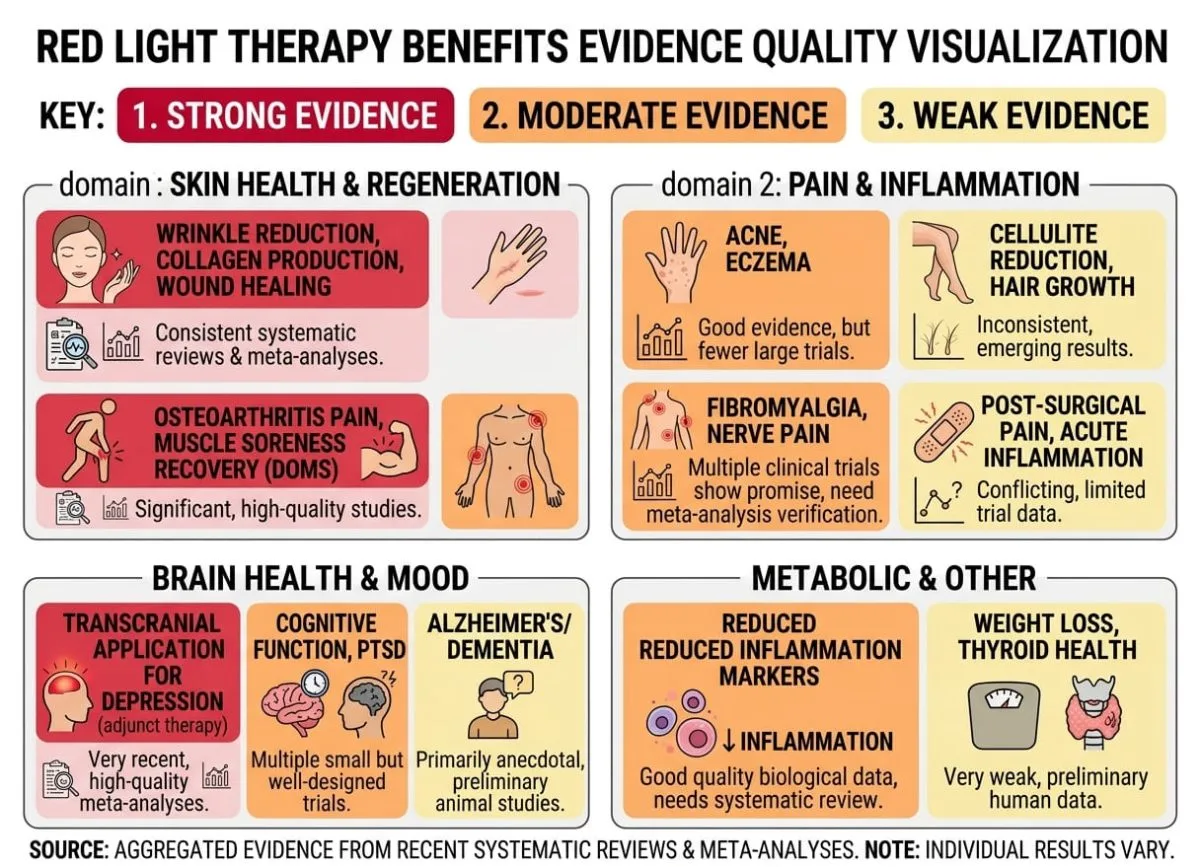
Before benefits-by-application detail, here is the structured evidence summary across the major claimed benefits. Ratings reflect the strength of peer-reviewed clinical research based on published reviews and major medical-institution guidance.
| Benefit Category | Evidence Base | Rating |
|---|---|---|
| Skin (anti-aging, wrinkles, texture) | Multiple peer-reviewed studies; UCLA Health and WebMD reviews | STRONG |
| Acne treatment | Multiple trials; FDA-cleared LED masks | STRONG |
| Wound healing and scar reduction | Multiple studies; BSW Health and Cleveland Clinic reviews | STRONG |
| Androgenic alopecia (hair regrowth) | Recent consensus reviews; FDA-cleared devices since 2007 onward | STRONG |
| Joint pain, osteoarthritis | Multi-trial systematic reviews (WebMD); Scientific American coverage | MODERATE |
| Fibromyalgia pain | Small-to-medium trials, mixed but positive | MODERATE |
| Tendinopathy (pain, function) | Systematic review, low-to-moderate quality | MODERATE |
| Muscle recovery (athletes, DOMS) | Multiple clinical trials, consistent modest effect | MODERATE |
| Cognitive decline / dementia | Small studies, emerging evidence | WEAK / EMERGING |
| Depression, seasonal affective disorder | Small trials, mixed results | WEAK |
| Weight loss / fat reduction | No robust trials despite frequent claims | INSUFFICIENT |
| Longevity / lifespan extension | Theoretical only, no human trials | INSUFFICIENT |
| Sleep improvement | Few small inconclusive trials | INSUFFICIENT |
| ‘Detox’ / immunity boost | No clinical evidence; term lacks medical meaning here | INSUFFICIENT |
STRONG = multiple peer-reviewed studies including reviews and meta-analyses, FDA clearance for specific devices. MODERATE = several positive trials, generally accepted with caveats. WEAK / EMERGING = small studies, mixed results, premature to claim clinical effect. INSUFFICIENT = no robust trials despite widespread marketing claims. Specific study counts noted in the reviews above should be verified against original sources before being requoted downstream.
How Does Red Light Therapy Actually Work?
Red light therapy works through photobiomodulation: specific wavelengths of red and near-infrared light penetrate skin and interact with cellular mitochondria, boosting ATP energy production. The cellular mechanism is real and measurable in laboratory studies. The clinical-scale effect on the whole human body is modest, not transformational.
The Mitochondrial Mechanism
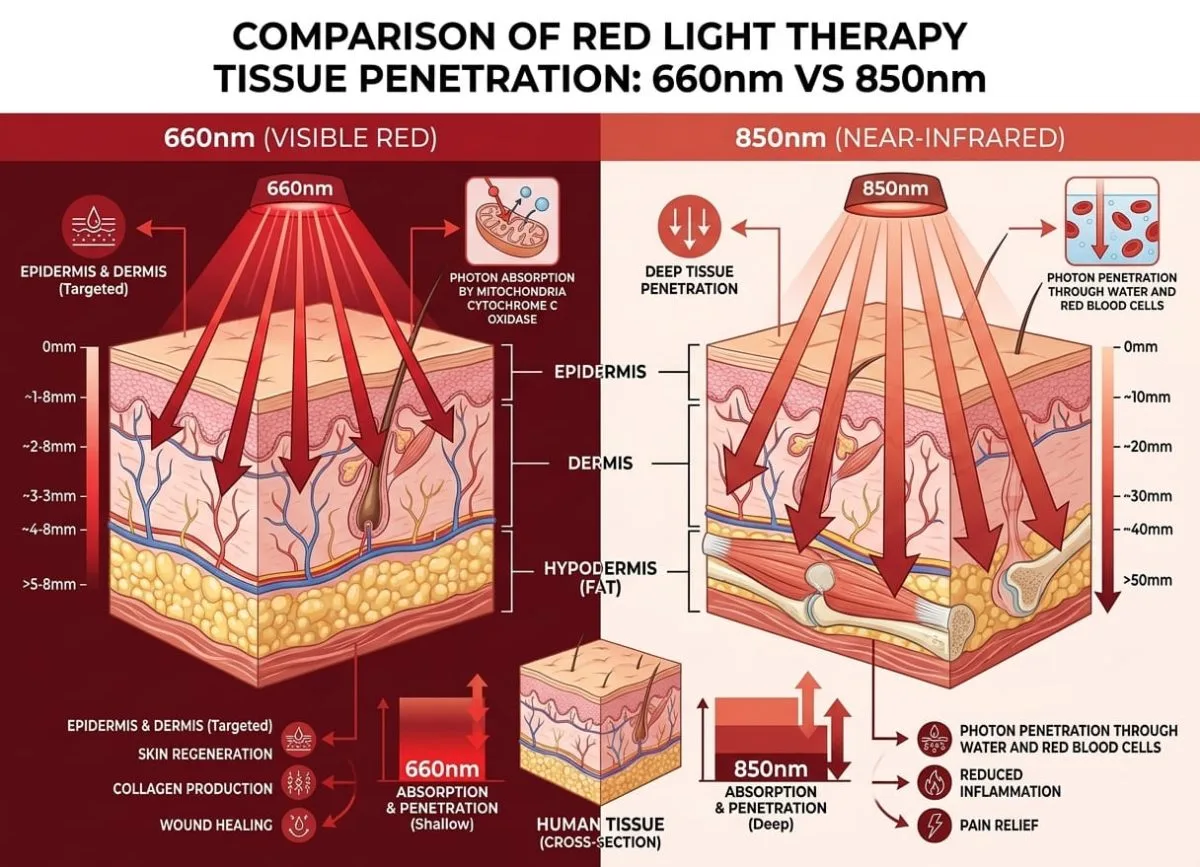
Light in the 630-700nm red band and 760-1400nm near-infrared band is absorbed by cytochrome c oxidase, an enzyme in the mitochondrial respiratory chain. This boosts cellular ATP production, reduces oxidative stress, and triggers downstream effects including collagen stimulation and increased local blood flow. Cleveland Clinic and recent Scientific American reporting cite this same mechanism. Research continues into exactly how strong the cellular signal translates to whole-organism outcomes – this is the gap that drives the modest framing throughout this guide.
Wavelengths That Matter: 660nm and 850nm
Two wavelengths dominate clinical research. 660nm red light targets surface effects on skin. 850nm near-infrared therapy penetrates deeper to reach joints and muscles. Many professional panels combine both. Outside these bands, evidence is much weaker. Red light therapy wavelength precision matters more than wavelength count: cheap LEDs at approximate wavelengths do not deliver clinical doses, even if the visible color appears similar.
Red Light Therapy Benefits: What Studies Actually Support
Studies support specific benefits of red light therapy with varying strength. Skin and hair show STRONG evidence. Pain and muscle recovery show MODERATE evidence. Cognitive and mood effects show WEAK or emerging evidence. Weight loss, longevity, and detoxification show INSUFFICIENT evidence despite widespread claims.
STRONG Evidence: Red Light Therapy for Skin (Anti-Aging, Wound Healing, Acne)
Multiple peer-reviewed studies, UCLA Health, WebMD, and Baylor Scott and White Health report measurable improvements in skin texture, fine line reduction, and acne treatment. UCLA Health cites LED-mask trial evidence for visible improvement in skin texture and wrinkle appearance. WebMD cites trial reviews showing wound healing speed improvement. FDA cleared LED panel devices for aging skin from 2017 onward. Red light therapy for skin is the most evidence-supported benefit category. Effects are modest and require consistent use over 8-12 weeks; one session produces no lasting change.
STRONG Evidence: Red Light Therapy for Hair Growth (Androgenic Alopecia)
Recent consensus reviews (referenced by NPR science reporting) found strong evidence for red light therapy for hair growth in androgenic alopecia. The FDA cleared red light therapy caps, combs, and helmets at various dates beginning with the HairMax laser comb in 2007 and expanding through helmet-style devices in subsequent years. UCLA Health cites hereditary alopecia studies showing meaningful improvement over 6 months of consistent use. Patience is required: 6 months minimum before assessing results.
MODERATE Evidence: Red Light Therapy for Pain (Joints, Osteoarthritis, Fibromyalgia)
A WebMD-cited systematic review found red light therapy for pain produces meaningful relief in osteoarthritis. Recent Scientific American coverage references fibromyalgia trials with positive but modest outcomes. Systematic reviews of tendinopathy trials report low-to-moderate quality evidence for pain and function improvement. Red light therapy for inflammation appears in some trials with positive signals but inconsistent designs. Study protocols typically use 10-20 minute sessions, 3-5 times per week, over 8-12 weeks.
MODERATE Evidence: Red Light Therapy for Recovery (Athletes, Muscle Soreness)
Clinical trials report improved recovery from delayed-onset muscle soreness and faster strength return after intense training. Red light therapy for recovery applications typically use 850nm near-infrared for deeper muscle tissue penetration. Effects are modest but consistent across multiple trials in athletic populations. Recovery context is one where the modest effect size still produces meaningful client-perceived value, which is why commercial recovery studios often install RLT alongside cryotherapy and body rolling.
WEAK or EMERGING Evidence: Cognition, Mood, Inflammation Markers
A small-scale review of trials on cognitive function in dementia found emerging but not yet established evidence. Trials in depression and seasonal affective disorder report mixed results across study designs. Inflammation marker reduction shows in some trials but with significant variation. None of these uses are FDA-cleared, and all require more robust evidence before clinical recommendation.
INSUFFICIENT Evidence: Weight Loss, Longevity, Sleep, ‘Detox’
Despite frequent social-media claims, red light therapy is NOT clinically validated for: weight loss (no robust trials, despite the popularity of these claims – our related deep-dive red light therapy for weight loss covers the honest evidence and where the claims come from), longevity extension (theoretical only, zero human longevity trials), sleep improvement (a few small inconclusive trials), or detoxification (the term has no medical meaning for light therapy). Stanford Medicine ScopeBlog explicitly notes wilder claims have no scientifically validated results. These belong in the INSUFFICIENT row of the evidence table for a reason.
FDA-Cleared Uses for Red Light Therapy
The FDA has cleared specific red light therapy devices for specific uses. It has NOT approved red light therapy as a broad medical treatment. The distinction matters: a manufacturer can claim FDA clearance only for the exact device-use combination on the 510(k) approval, not for related applications by extension. Clearance dates below reflect the earliest published clearances in each category and should be verified against the FDA 510(k) database before any specific clinical claim.
| Application | Device Type | First FDA Clearance |
|---|---|---|
| Aging skin (wrinkle reduction) | LED panels and masks | 2017 onward – verify in 510(k) DB |
| Pattern hair loss (androgenic alopecia) | Laser combs (e.g., HairMax) | 2007 (historically verified) |
| Pattern hair loss (advanced) | Caps and helmets | 2011 onward – verify |
| Wound healing (adjunct use) | Various LED devices | Multiple dates – verify |
| Acne treatment | LED masks and panels | 2018 onward – verify |
Red light therapy is NOT FDA-approved for weight loss, longevity, cancer treatment, COVID, autoimmune conditions, or detoxification. Device clearance status should be verified directly with FDA databases before any clinical claim.
What Red Light Therapy Cannot Do (Honest Limits)
Red light therapy does not work for many conditions where it is marketed. Cleveland Clinic, Stanford Medicine ScopeBlog, and recent Scientific American coverage all flag the gap between marketing claims and validated evidence.
Red light therapy is NOT scientifically validated for: weight loss (no robust clinical trials despite frequent online claims), dramatic anti-aging effects (improvements are modest, not transformational), curing autoimmune conditions, cancer treatment, COVID treatment, or any clinically demonstrated immunity boost. Stanford Medicine ScopeBlog notes wilder claims have no scientifically validated results. Long-term safety from years of daily consumer device use has not been established. Effects on cognitive decline in dementia are emerging but premature to call established. These are the honest limits.
Red Light Therapy Side Effects and Safety
Red light therapy appears safe for short-term use as directed. Mild side effects can include temporary skin redness, eye strain, and occasional headache. Long-term safety from years of regular daily home device use has not been established.
Eye protection is critical. Never look directly at high-irradiance LED panels: permanent retinal damage is possible from prolonged direct gaze. Professional studios provide protective goggles. Common minor red light therapy side effects: temporary skin redness or warmth (resolves within hours), mild headache after sessions, eye fatigue if eye protection is inadequate. Avoid use if pregnant, taking photosensitizing medications (some antibiotics, retinoids, certain antidepressants), or with photosensitive skin conditions, without medical advice. Long-term effects from daily home device use over multiple years remain unstudied.
At-Home vs Professional Red Light Therapy Equipment
Professional and at-home devices differ on power output, wavelength precision, treatment area, and results timeline. The right choice depends on use case: occasional self-care versus clinical-grade studio results.
| Parameter | At-Home Device | Professional Panel (Vacuactivus) |
|---|---|---|
| Power output (irradiance) | 20-50 mW/cm-sq typical | 80-150 mW/cm-sq (vendor-verify) |
| Wavelength precision | Often imprecise LEDs | Calibrated 660nm + 850nm |
| Treatment area | Small (mask, handheld) | Full-body panel |
| Session time for similar dose | 20-30 min (smaller zone) | 10-20 min (whole body) |
| Typical cost | $200-2,500 consumer | $5,000-25,000 commercial (vendor-verify) |
| Time to visible results | 8-12 weeks consistent use | 4-8 weeks consistent use |
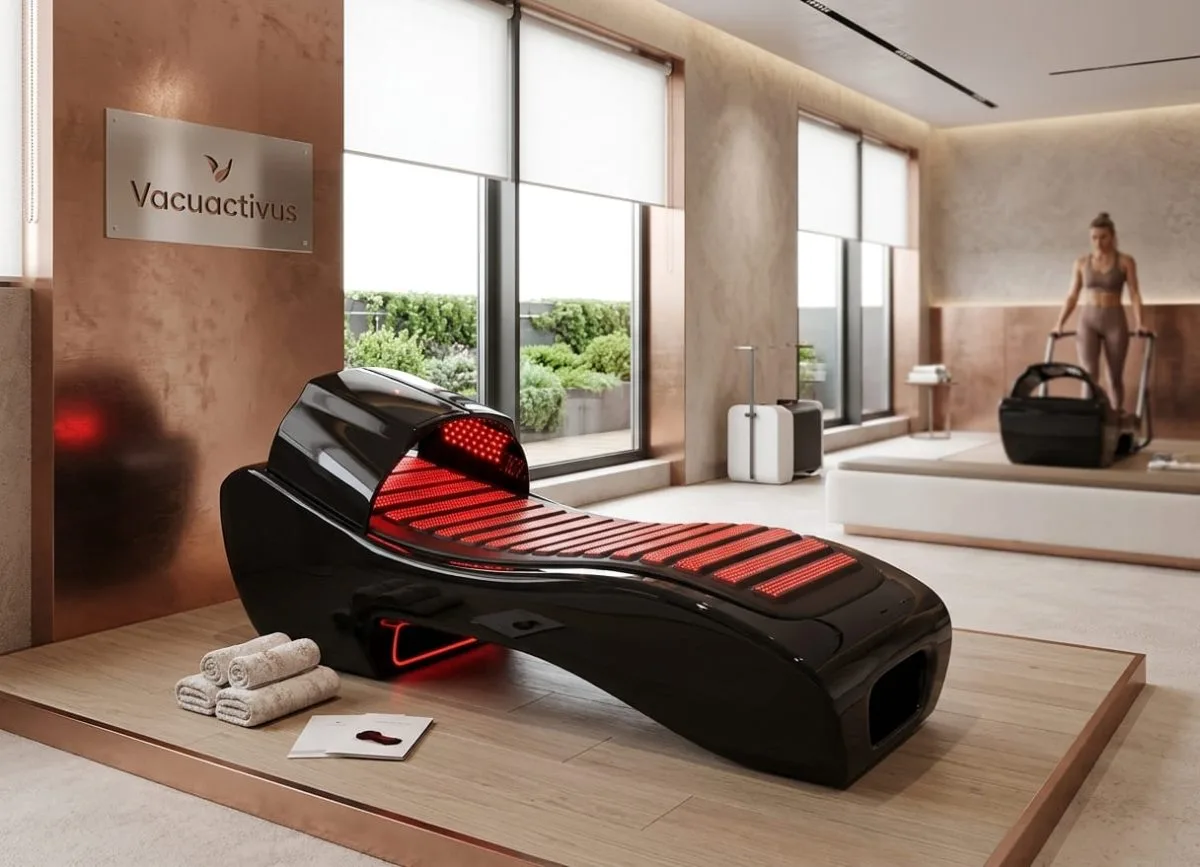
Professional red light therapy panels deliver clinical-grade dosing across a larger treatment area, which is why clinical research protocols use professional equipment. Academic medical centers recommend clinical-setting devices for research-grade outcomes. For studios building a recovery menu, commercial red light therapy panels deliver faster client results and support paid per-session economics. For home users, consistency over months matters more than peak irradiance, and at-home devices can produce modest cumulative effects if used 3-5 times weekly.
Frequently Asked Questions
Q1. Does red light therapy actually work?
For specific conditions, yes, with modest evidence-based results. Cleveland Clinic and the FDA recognize red light therapy for treating aging skin, androgenic alopecia, and certain inflammatory conditions. Recent consensus reviews found strong evidence for pattern hair loss, ulcers, peripheral neuropathy, and acute radiation dermatitis. For most other claimed uses (weight loss, longevity, sleep), evidence remains insufficient. Results take weeks to months of consistent use; this is not a same-day intervention.
Q2. What are the proven benefits of red light therapy?
The most evidence-supported benefits of red light therapy are: skin appearance (reduced wrinkles, improved texture, acne); hair regrowth in androgenic alopecia; pain reduction in osteoarthritis, fibromyalgia, and tendinopathy; muscle recovery in athletes; and wound healing. UCLA Health, WebMD, and Scientific American all cite peer-reviewed reviews backing these specific uses. Improvements are typically modest, not dramatic.
Q3. How does red light therapy work?
Red light therapy uses specific wavelengths (630-700nm red and 760-1400nm near-infrared) to penetrate skin and reach cellular mitochondria. Light is absorbed by cytochrome c oxidase, an enzyme in the mitochondrial respiratory chain, which boosts ATP production and triggers downstream effects: reduced oxidative stress, collagen stimulation, increased blood flow. This process is called photobiomodulation. Research continues into exactly how strong this cellular effect translates clinically.
Q4. Is red light therapy FDA approved?
The FDA has cleared specific red light therapy devices for specific uses, not red light therapy as a broad medical treatment. FDA-cleared uses include aging skin treatment (from 2017 onward), hair regrowth (caps, combs, helmets from 2007 onward), wound healing applications, and acne treatment. Cleared device classifications are typically Class II. Red light therapy is NOT FDA-approved for weight loss, longevity, cancer treatment, COVID, or detoxification. FDA clearance is not the same as FDA approval; clearance dates should be verified against the FDA 510(k) database.
Q5. What does red light therapy NOT do?
Despite social-media claims, red light therapy is NOT scientifically validated for weight loss, dramatic anti-aging effects (modest only), curing autoimmune conditions, cancer treatment, COVID, detoxification, or significantly extending lifespan. Stanford Medicine and Cleveland Clinic both note more research is needed for most claimed uses. Effects on cognitive function in dementia are emerging but not yet established as clinical practice.
Q6. What wavelengths are best for red light therapy?
Two wavelength ranges have the most clinical evidence: 660nm (red light) for surface effects on skin and 850nm (near-infrared) for deeper tissue including joints and muscles. Many professional panels combine both. Outside these specific ranges, evidence is much weaker. Red light therapy wavelength precision matters: not all red-looking LEDs deliver therapeutic doses at the right frequencies.
Q7. How often should you do red light therapy?
Most clinical study protocols use 3 to 5 sessions per week, 10 to 20 minutes each, typically over 8 to 12 weeks before meaningful results are assessed. Skin improvements often visible after 4 to 12 weeks of consistent use. Hair regrowth typically requires 6 months. Daily use is not necessary and may not improve results: studies suggest a biological sweet spot beyond which more is not better.
Q8. What are the red light therapy side effects?
Red light therapy appears safe when used short-term as directed. Mild red light therapy side effects include temporary skin redness or irritation, eye strain (always use eye protection), and occasional headache. Serious side effects are rare. Long-term safety from years of regular use has not been fully established. Avoid use if pregnant, photosensitive, or taking photosensitizing medications without medical advice.
Conclusion
Red light therapy benefits are real for specific conditions backed by clinical evidence: skin appearance, hair regrowth, pain relief, and muscle recovery sit in the STRONG to MODERATE evidence bands. Effects are modest, cumulative, and require consistent use over weeks to months. Claims of weight loss, longevity extension, detoxification, and cure-all properties are not supported by current research. The honest summary: a useful tool for specific outcomes when used at clinical dosages, not a cure-all therapy.
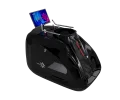
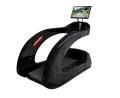
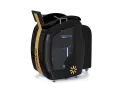
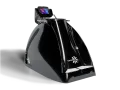
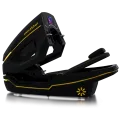
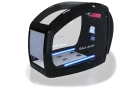
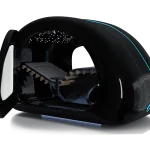
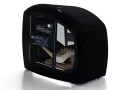
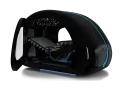
For studios evaluating commercial red light therapy equipment, full body red light therapy panels deliver clinical-grade irradiance across calibrated 660nm and 850nm wavelengths. For multi-modality biohacking installations, the red light longevity capsule combines red light with aromatherapy in a single pod. For deeper dives, see our guides on Red Light Therapy Panel: How 660nm + 850nm Wavelengths Heal Tissue, Red Light Therapy for Hair Growth, Red Light Therapy for Pain Relief, and Whole Body Red Light Therapy ROI.


