




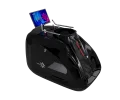
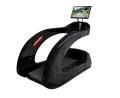
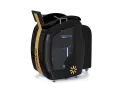
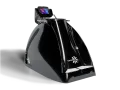







Tüm Vücut Kırmızı Işık Terapisi: İyileşme Stüdyoları ve Sağlıklı Yaşam Merkezleri için Yatırım Getirisi
Tüm vücut kırmızı ışık terapisi, bir sağlık merkezi için genellikle 3-6 ay içinde yatırım getirisini (ROI) sağlar ve ekipman seviyesine ve yerel seans fiyatlandırmasına bağlı olarak yaklaşık 150-300 seans sonra başa baş noktasına ulaşır. Bu, 2025-2026 yıllarında sağlık sektöründeki işletmecilerin yatırım getirisi analizlerinin ana başlığıdır ve bu makale, işletmecilerin bunu bir pazarlama iddiası olarak kabul etmek yerine kendi pazarlarına karşı test edebilmeleri için bunun ardındaki matematiği şeffaf bir şekilde ayrıntılı olarak ele almaktadır.
Vacuactivus, 2009 yılından (15 yılı aşkın süredir) beri sağlıklı yaşam merkezleri, rehabilitasyon stüdyoları, kiropraktik klinikleri ve üst düzey spa ortamlarında kullanılan ticari kırmızı ışık terapi ekipmanları üretmektedir. Aşağıdaki rakamlar, sektör tarafından bildirilen aralıklardan (seans fiyatlandırması, kullanım kıyaslamaları) ve adı geçen kamu kaynaklarından (gerçek stüdyo birim ekonomisi için Bizquest listeleri) alınmıştır ve operatör deneyimi çerçeveyi şekillendirmiştir. Bu bir satış konuşması değildir: Amaç, operatöre kendi senaryosunu, olumsuz yönleri de dahil olmak üzere, yönetebilmesi için yeterli şeffaf matematiksel veri sağlamaktır.
Bu kılavuzun hedef kitlesi, rehabilitasyon stüdyoları, sağlıklı yaşam merkezleri, kiropraktik klinikleri, RLT'yi ek bir hizmet olarak düşünen butik fitness işletmeleri sahipleri ve yöneticileri ile sermaye tahsisi yapan B2B alıcılarıdır. Çerçeve, 2026 ortası itibariyle ABD pazarıdır, ancak mekanizmalar genelleştirilebilir. Bireysel stüdyo ekonomisi, konum, müşteri kitlesi, fiyatlandırma, kira koşulları, personel modeli ve operasyonel uygulama açısından önemli ölçüde farklılık gösterir.
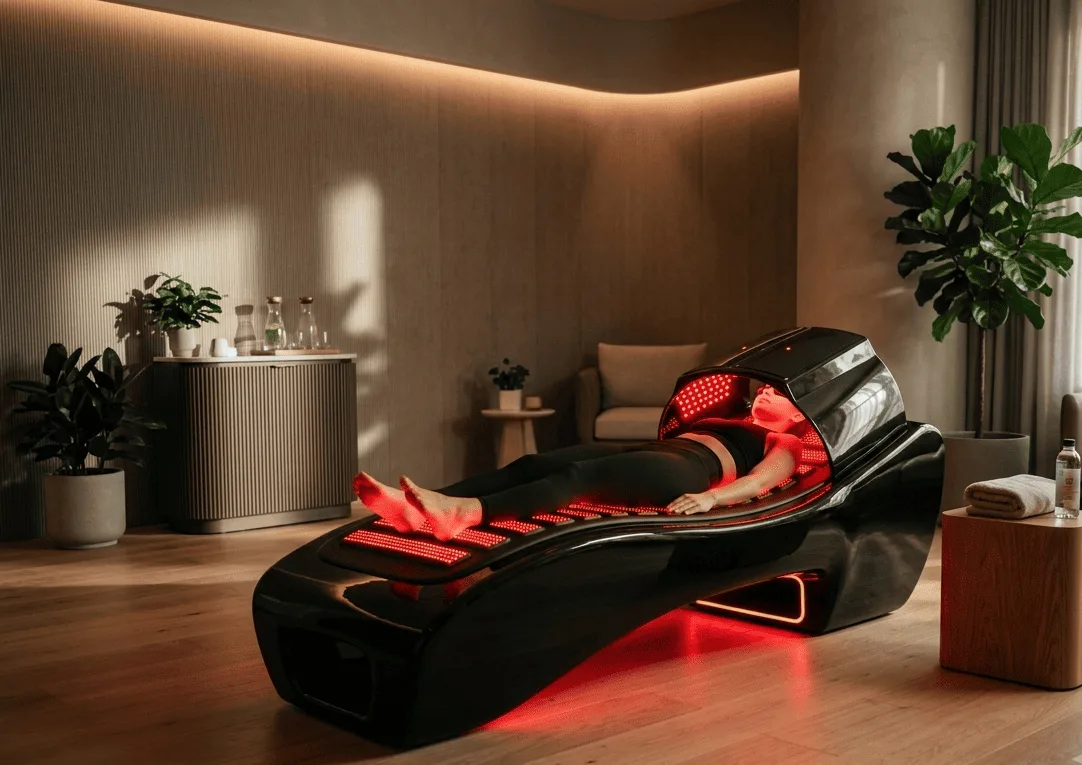
Tüm Vücut Kırmızı Işık Terapisi, İyileşme Stüdyoları ve Sağlıklı Yaşam Merkezleri İçin Neden Uygundur?
Bu yöntem, diğer sağlıklı yaşam hizmetlerinin karşılamadığı belirli bir hizmet açığını doldurmaktadır. Seanslar 12-20 dakika sürer, minimum karmaşıklıkla gözle görülür bir müşteri rahatlığı sağlar, seans başına sarf malzemesi gerektirmez (kriyoterapi nitrojen dolumu veya yüzme havuzu su değişimi gibi) ve mevcut üyelik yapılarıyla doğal olarak uyum sağlar. Zaten iyileşmeye yönelik hizmetler sunan stüdyolar için, bu sistemlerin eklenmesi genellikle mevcut seansları azaltmak yerine ziyaret başına ortalama geliri artırır. Kriyoterapi ile birleştirme durumu ayrı olarak ele alınmıştır. Kırmızı Işık Terapisi ve Kriyoterapi Kombinasyonu: Kapsamlı Protokolün Faydaları Çok modlu yapılar kurmayı düşünen operatörler için.
Sağlık teknolojisi makro gidişatı, zamanlamayı güçlendiriyor. Global Growth Insights'ın Nisan 2026 verilerine göre, daha geniş ticari sağlık ekipmanı kategorisi (yönlendirici bir makro gösterge olarak ticari masaj koltuğu pazarını kullanarak), sağlık ekipmanı segmentinin 2025'te 2,86 milyar dolardan 2035'te 6,76 milyar dolara ulaşacağını ve yıllık bileşik büyüme oranının (CAGR) %8,981 olacağını öngörüyor. Açık olmak gerekirse: belirli ticari masaj koltuğu pazarı rakamı, kırmızı ışık terapisi (RLT) pazarı tahmini DEĞİLDİR ve yalnızca yönlendirici bir yakınlık olarak okunmalıdır, RLT pazarı projeksiyonu olarak değil. Bu, alıcıların ticari sağlık ekipmanına harcama yapma isteğinin artmaya devam ettiğini gösteriyor; bu da RLT hizmetlerinin içinde bulunduğu talep tarafı bağlamıdır, yöntemin kendisi için bir pazar büyüklüğü projeksiyonu değil.
Ticari Kırmızı Işık Terapi Ekipmanlarının Maliyeti Ne Kadar?
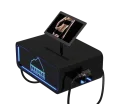
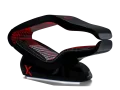
Ekipman, form faktörü ve fiyat noktasına göre dört pratik kategoriye ayrılıyor. Aşağıdaki tablo, sağlık ve zindelik sektöründeki üretici kataloglarından ve operatör listelerinden elde edilen, marka bazında fiyatlandırma yerine kategorilere ayrılmış 2026 yılına ait sektör gözlemlerini yansıtıyor (fiyatlandırma üç ayda bir değişiyor).
| Ekipman Seviyesi | Tipik Yatırım | Oturum Kapasitesi | En Uygun Olan |
|---|---|---|---|
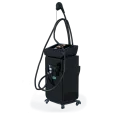
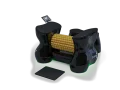
| Panel dizisi (duvara monte veya bağımsız) | $3.000 – $15.000 | Seans başına 15-25 dakika sürer, her seferinde yalnızca bir müşteriyle çalışılır. | Mevcut kliniklere ek hizmet olarak sunulan hizmetler: kiropraktik muayenehaneleri, giriş seviyesi RLT hizmeti. |
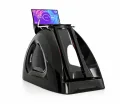
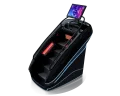
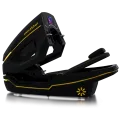
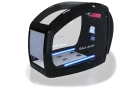
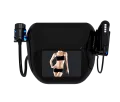
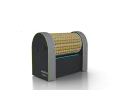
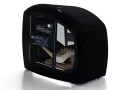
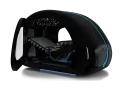
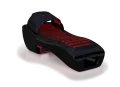
| Yatay kasa (işlevsel amaçlı, en çok kullanılan format) | $15.000 – $50.000 | Günde 20-40 seans, her seans 12-20 dakika sürecek. | Ana akım sağlıklı yaşam stüdyoları, rehabilitasyon merkezleri, tıbbi spa merkezleri – standart ticari RLT formatı |
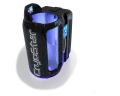
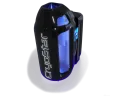
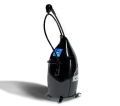
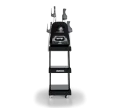
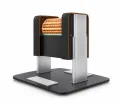
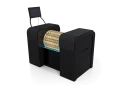
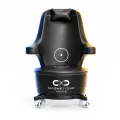
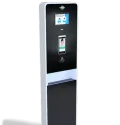
| Dikey kabin / ayakta duran ünite | $30.000 – $80.000 | Günde 15-25 seans (genellikle daha kısa seanslar) | Lüks sağlıklı yaşam merkezleri, butik fitness salonları, alan kısıtlamaları olan şehir içi stüdyolar |
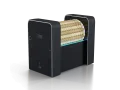
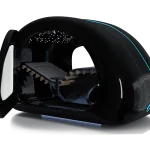
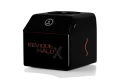
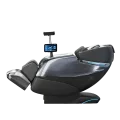
| Çok amaçlı kabin (Revique HaloX sınıfı) | $50.000 – $120.000+ | Daha uzun seanslar, günde daha az sayıda seans ancak daha yüksek bilet fiyatları. | Yüksek kaliteli uzun ömür klinikleri, çok yönlü tek seanslık deneyim sunan, yüksek ortalama harcama yapan müşterilere hizmet veren sağlıklı yaşam merkezleri. |
Bir işletmeci için, kademe kararı teknik özellikler sayfasından ziyade hizmet modeliyle ilgilidir. Panel dizisi, mevcut bir hizmetin içine ek bir unsur olarak çalışır (örneğin, kiropraktik ayarlama artı 15 dakikalık panel seansı). Yatay yatak, çoğu ana akım sağlıklı yaşam stüdyosunun üyeliklerini oluşturduğu, bağımsız ve işlevsel bir hizmettir. Dikey bir kabin, zemin alanının önemli olduğu, alan kısıtlaması olan kentsel stüdyolara uygundur. Revique HaloX sınıfı gibi çok modlu bir kabin, tek seansta birkaç modu birleştiren deneyimin kendisinin hizmet olduğu, uzun ömürlülük odaklı premium bir konumlandırmaya hizmet eder.
Seans Ücretlendirmesi: Sağlık Merkezleri Gerçekte Ne Kadar Ücret Alıyor?
2026 yılı için ABD seans fiyatlandırma kıyaslamaları, tek bir seans için $25 ile $75 arasında değişmektedir; üst segmentteki premium şehir pazarları (Los Angeles, New York, San Francisco) sürekli olarak en yüksek fiyatı belirlerken, ikincil pazarlar $35-$50 aralığında yer almaktadır. Seans süresi, cihaz türüne bağlı olarak 12-20 dakika arasında değişmekte olup, fiyatlandırma dakika başına değil, seans başına veya paket başına belirlenmektedir. 10'lu paketler genellikle tek seans fiyatına göre 15-20% indirimle satılmaktadır; aylık sınırsız üyelikler (bir sonraki bölümde ele alınmıştır) $99-$249 arasında değişmekte olup, 2026 ortası ABD pazar verilerinde en yaygın kademe $149-$199'dur.
Belirli bir işletme için fiyatlandırma sorusu, ulusal aralık değil, yerel referans noktasıdır: En yakın sağlık hizmetleri benzer hizmetler için ne kadar ücret alıyor? Rakip bir kiropraktik kliniği 30 dakikalık bir tedavi için $80 ücret alıyorsa, 15 dakikalık bir RLT seansı $45'e erişilebilir görünür; yerel pazarda Planet Fitness, Total Body Enhancement'ı $24.99 Black Card kategorisine dahil ediyorsa, randevusuz $45 seansı bu referansla rekabet eder. Yerel kıyaslama, pratik fiyatlandırma çalışmasıdır; sektör aralıkları ise bağlamdır.
Yatırım Getirisi Matematiği: Ekipman Ne Zaman Kendini Amorti Eder?
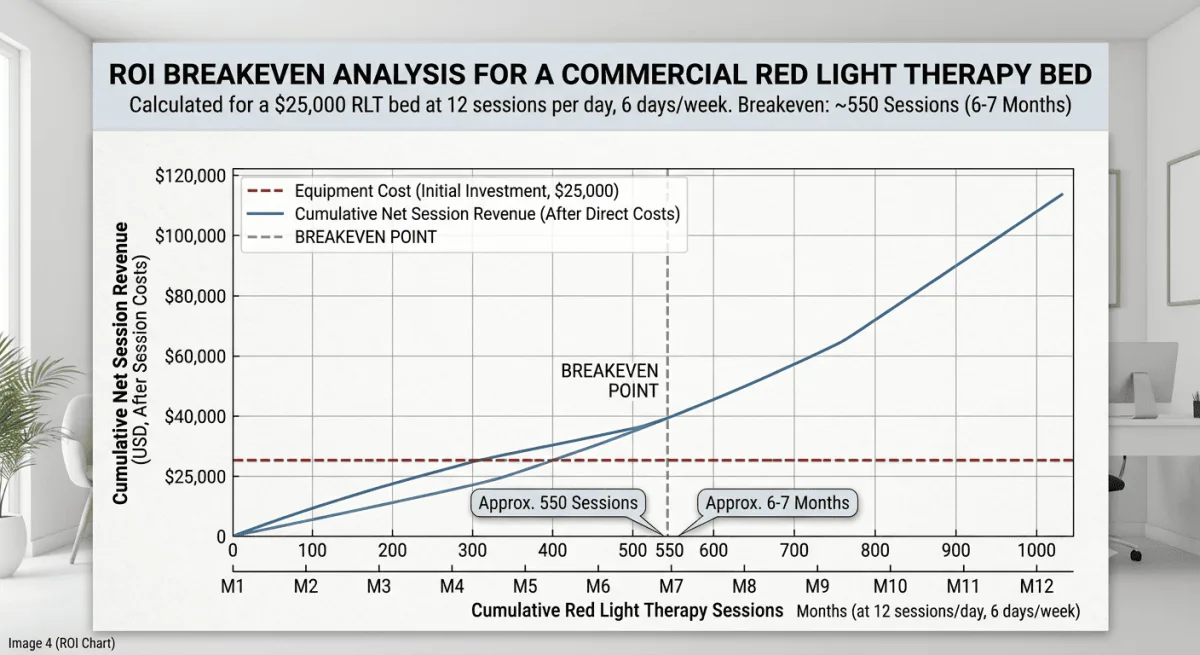
2025-2026 yılları arasında sağlık sektörü kaynaklarından elde edilen operatör tarafı yatırım getirisi (ROI) analizleri, ana akım ticari RLT yatağı için 150-300 seansta başabaş noktasıyla 3-6 aylık endüstri standardı yatırım getirisi süresini ortaya koymuştur. Gerçek zaman çizelgesi kullanım oranına, fiyatlandırmaya ve fiyatlandırma modeline bağlıdır; bu aralık, çoğu operatörün gördüğü aralığı kapsar, herhangi bir operatörün varsayması gereken bir aralık değildir.
Yaklaşık 25.000 TL satın alma maliyetine sahip, ana akım ticari bir RLT yatağını ele alalım. Orta pazarda ortalama tek seans fiyatı 45 TL olsun. Ayda 22 işletme gününde günde 12 seans kapasitesi ve kullanım oranıyla ayda 158 tamamlanmış seans elde edilir. Gelir: 158 × 45 TL = 7.110 TL aylık brüt. İşletme giderleri: Elektrik yaklaşık 150-300 TL/ay (bu kullanım oranında seans başına 3-6 kWh çeken bir yatak, kWh başına 0,15 TL), yarı zamanlı resepsiyon personeli tahsisi yaklaşık 1.500 TL/ay, tedavi odası kirası yaklaşık 800-1.500 TL/ay, sigorta, pazarlama ve diğer genel giderler yaklaşık 500-800 TL daha eklenir. Toplam aylık işletme maliyeti yaklaşık 2.950-4.100 TL. Net aylık katkı payı: yaklaşık 3.000-4.500 TL.
Geri ödeme hesaplaması: $25.000 ekipman maliyetinin $3.750 ortalama aylık net katkıya bölünmesi, tam geri ödeme için yaklaşık 6,7 ay süreyi verir. Daha yüksek kullanım (60%'ye karşı 75%+) veya seans başına ortalama geliri artıran üyelik fiyatlandırması bu süreyi 4-5 aya indirir. Daha düşük kullanım (40% veya altı) veya agresif indirimler ise bu süreyi 10-12 aya uzatır. 3-6 aylık sektör kıyaslaması, bu kullanım aralığının orta ila üst ucunu varsayar; 40% kullanım oranına sahip bir stüdyo, geri ödemeyi 10-12 aya daha yakın olarak modellemeli ve buna göre bütçe ayırmalıdır.
Üyelik Modelleri: Tekrarlayan Gelirin Kazandığı Noktalar
Anlamlı bir ölçeğe ulaşmış çok yönlü kırmızı ışık terapisi stüdyolarının ortak bir modeli var: üyelik tabanlı gelir. 2026 Bizquest anahtar teslimi sağlık stüdyosu listesi, 2.000'den fazla potansiyel müşteriden oluşan güçlü bir müşteri portföyüyle desteklenen bir işletmeyi vurgulayarak, ekipmandan ziyade müşteri tabanının genellikle gerçek iş varlığı olduğunu gösterdi. Red Light Method (Reno NV, Nisan 2025 lansmanı) gibi franchise konseptleri ve Restore Hyper Wellness gibi daha büyük iyileşme odaklı zincirler, birim ekonomilerini aylık 1.400-1.400 dolar aralığında sınırsız üyelik fiyatlandırması üzerine kurmuşlardır. Bu değişim, kırmızı ışık terapisi iş planlaması için önemlidir: tek seanslık gelir modelleri işe yarar ancak öngörülebilirlik, müşteri sadakati ve yaşam boyu değer (LTV) açısından yetersiz kalır.
Üyelik avantajları birikiyor: öngörülebilir nakit akışı (kira ve personel planlaması için gerekli), edinilen müşteri başına daha yüksek LTV (Müşteri Yaşam Boyu Değeri), sunulan seans başına daha düşük müşteri edinme maliyeti (CAC) ve genişletilmiş perakende ek ürün fırsatı (üyeler aksesuar, takviye, giyim ürünleri satın alıyor). Dezavantajları da dürüstçe kabul etmek gerekiyor: ilk müşteri edinimi, tek seanslık üyeliklere göre daha zor ve indirimlerden kaynaklanan fiyat baskısı, aksi takdirde tek seanslık fiyatlarla elde edilecek gelirin bir kısmını aşındırıyor. Yeni RLT stüdyo işletmecileri için en iyi uygulama, müşteri edinmek için tek seanslık fiyatlandırmayla başlayan ve yüksek sıklıkta kullananları 3-5 seans içinde aylık üyeliğe dönüştüren hibrit bir modeldir.
Gerçek Gelir Örneği: 1.678 metrekarelik bir Sağlıklı Yaşam Stüdyosu
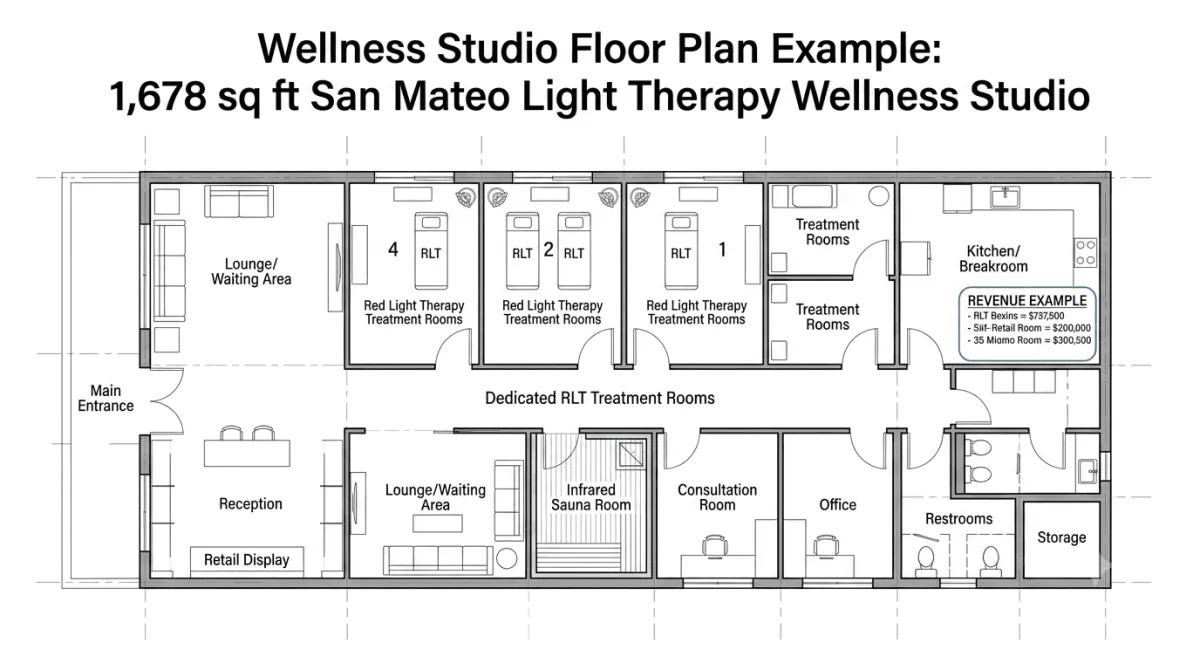
2026 yılına ait bir Bizquest işletme kaydı, faal bir ticari kırmızı ışık terapi işletmesi için şeffaf rakamlar sunuyor. Kaliforniya, San Mateo'da bulunan Light Therapy Wellness Studio, Ağustos 2025'te açılan 1.678 metrekarelik bir stüdyo olup, 1.500.000 ABD doları satış fiyatıyla 680.000 ABD doları yıllık gelire karşılık listelenmiştir. Stüdyoda özel kırmızı ışık tedavi odaları, kızılötesi sauna ve perakende satış alanı bulunmaktadır. Bu rakamlar, denetlenmiş bir kar ve zarar tablosundan ziyade, kamuya açık bir Bizquest kaydından satıcı tarafından belirtilen verileri yansıtmaktadır; bu nedenle, bunları doğrulanmış bir kıyaslama ölçütü olarak değil, örnek birim ekonomisi olarak değerlendirin.
Bu rakamlarla birim ekonomisi işe yarıyor. Yıllık 480.000 TL gelir, stüdyo genelinde aylık ortalama 40.000 TL anlamına geliyor. 5-7 yıllık ekipman ömrü üzerinden amortize edilen FF&E (mobilya, demirbaş ve ekipman), çok hizmetli kat planı genelinde aylık yaklaşık 6.000-8.000 TL ekipman amortismanı sağlıyor. San Mateo ticari oranlarında kira, 1.678 metrekare için aylık 8.000-12.000 TL olarak tahmin ediliyor. Yarı zamanlı resepsiyon görevlisi ve planlı teknisyenlerin personel giderleri 8.000-12.000 TL olarak tahmin ediliyor. Sahip tazminatı öncesi net aylık katkı, 12.000-18.000 TL aralığında olup, ekipman finansmanına hizmet vermeye devam ederken sahibin gelirini desteklemek için yeterlidir. Ayrıntılar şekilden daha az önemlidir: güçlü bir metropol pazarında, üyelik ağırlıklı gelir karışımına sahip, iyi yönetilen çok modlu bir stüdyo modeli gösterir ve şekil, farklı bir pazardaki bir işletmecinin uyarlayabileceği şeydir. Müşteri talebinin altında yatan bağımsız RLT faydaları için bakınız. Kırmızı Işık Terapisinin Faydaları Araştırmalarla Destekleniyor, Abartı Değil Bu, müşterilerin aradığı kanıt tabanını adım adım inceler.
RLT Gelirlerini Katlayan Ek Hizmetler
Tek başına tüm vücut kırmızı ışık terapisi işe yarar, ancak bitişik iyileştirme hizmetleri ve perakende ürünleriyle birleştirildiğinde gelir önemli ölçüde artar. Bizquest 2026 veri setindeki yüksek büyüme gösteren sağlıklı yaşam stüdyoları, bu yöntemi sürekli olarak kızılötesi sauna, kriyoterapi, kompresyon terapisi, tuz terapisi ve perakende (topikal LED ile ilgili cilt bakımı, evde panel satışı) ile birleştiriyor. Dalga boyu seçimiyle ilgili müşteri sorularını destekleyen panel özelliklerine ilişkin ayrıntılı bilgi için bkz. Kırmızı Işık Terapisi Paneli: 660nm + 850nm Dalga Boyları Doku İyileştirmede Nasıl Etkili Oluyor?.
Bu yöntemi ekleyen kiropraktik klinikleri, eklenen hizmet sayesinde genellikle ziyaret başına ortalama ücreti $30-$60 oranında artırmaktadır. Spor rehabilitasyon merkezleri, RLT'yi temel masaj veya köpük rulo erişiminin üzerinde, üst düzey bir yükseltme olarak konumlandırmaktadır. Yanında bulunan rehabilitasyon ekipmanları gibi... De-Stress Lounge sıfır yerçekimi koltuğu Aynı ziyaret içinde doğal olarak tamamlayıcı bir iyileşme istasyonu olarak eşleşir. Ev alıcısı yeniden satış açısı için (panel alıcısı olan müşteriler), bkz. Evde Kullanılabilecek En İyi Kırmızı Işık Terapisi: Profesyoneller Neden Profesyonel Ekipmanları Tercih Ediyor? Bu da, memnun stüdyo müşterilerini profesyonel ekipman alıcılarına dönüştüren özellik farkını açıklıyor.
Ekipman Maliyetinin Ötesindeki Operasyonel Giderler
Ekipman sermaye yatırımı en büyük tek maliyet kalemidir, ancak devam eden aylık genel giderler, ekipmanın 5-7 yıllık kullanım ömrü boyunca önemli ölçüde artar. Tekrarlayan maliyet tarafının dürüst bir dökümü: ticari bir yatakta elektrik, tipik kullanımda aylık 150-300 TL, tedavi odası tahsisinin kirası piyasaya bağlı olarak genellikle 800-1500 TL, sorumluluk sigortası aylık 150-400 TL, temizlik malzemeleri ve gözlük sarf malzemeleri aylık 50-100 TL, ekipman bakımı ve LED değiştirme rezervi ise ekipman kullanım ömrü boyunca ortalama aylık 100-200 TL'dir.
Ön büro personeli (yarı zamanlı resepsiyonist, seans başına ücret alan terapist değil) aylık yaklaşık 1.500-2.500 TL tutarındadır. Pazarlama harcamaları pazar yoğunluğuna göre önemli ölçüde değişir: Organik ağırlıklı kanallar için aylık 500-1.000 TL, büyük ölçekte ücretli edinim yapılıyorsa aylık 2.000-3.000 TL'ye kadar çıkabilir. Ödeme işlemleri ve yazılım (rezervasyon, üyelikler, POS) aylık 200-400 TL'dir. Tek odalı bir RLT kurulumu için toplam yinelenen işletme maliyeti aylık 3.000-5.500 TL aralığındadır – bu rakam, üyelik tabanı henüz artmamışken dördüncü ayda keşfedilmek yerine, ekipman satın almadan önce dürüst bir şekilde modellenmelidir. Daha fazla bilgi için inceleyin. ticari kırmızı ışık terapi panellerimiz Operatör değerlendirmesi kademe seçimi aşamasındaysa, tüm özellik yelpazesi için geçerlidir.
Sıkça Sorulan Sorular
S1. Ticari olarak kullanılan tüm vücut kırmızı ışık terapi cihazının fiyatı ne kadar?
Ticari ekipman fiyatları, giriş seviyesi panel dizileri için yaklaşık 3.000 TL'den, lüks tam vücut kabinleri için 80.000 TL ve üzeri fiyatlara ve çok modlu kabinler için 50.000-120.000 TL'ye kadar değişmektedir. Çoğu wellness stüdyosunun temel ekipmanı olan ana akım bir RLT yatağı 15.000-50.000 TL'ye mal olmaktadır. Panel dizileri (3.000-15.000 TL), mevcut klinik uygulamalara ek olarak iyi sonuç vermektedir. Dikey kabinler (30.000-80.000 TL), alan kısıtlaması olan kentsel stüdyolar için uygundur. Seçim, teknik özellikler sayfasından ziyade hizmet modeline bağlıdır – yatay bir yatak, bağımsız bir üyelik hizmetinin temelini oluştururken; bir panel dizisi mevcut bir hizmete bir mod ekler; Çok modlu kabin, uzun ömürlülük açısından üstün bir konumlandırma sunmaktadır. Ekipman fiyatları üç ayda bir değiştiğinden, güncel fiyatları doğrudan tedarikçilerden teyit edin.
S2. Bir sağlık merkezi için kırmızı ışık terapisi yatırım getirisi (ROI) nedir?
2025-2026 yılları arasında wellness sektörü kaynaklarından elde edilen operatör tarafı yatırım getirisi (ROI) analizleri, ana akım ticari RLT yatağı için tipik yatırım getirisi süresini 3-6 ay olarak belirlerken, ekipmanın yaklaşık 150-300 seans sonra amorti ettiğini göstermektedir. Gerçek zaman çizelgesi, kullanım oranına (60%+ kullanım oranı süreyi kısaltır; 40% altı kullanım oranı ise 10-12 aya uzatır), fiyatlandırma modeline (üyelik tabanı, sadece gelen müşterilere kıyasla geri ödemeyi kısaltır) ve pazar konumuna (şehirdeki premium pazarlar daha yüksek seans fiyatlandırmasını destekler) bağlıdır. $25.000 yataklı, $45 ortalama seans fiyatlandırması, 60% kullanım oranı ve dürüst işletme maliyeti yönetimi ile genellikle yaklaşık 6,7 ayda geri ödeme yapılır. Daha yüksek kullanım oranı veya üyelik ağırlıklı gelir karışımı bu süreyi 4-5 aya indirir.
S3. Kırmızı ışık terapisi seansı için ne kadar ücret talep edebilirsiniz?
2026 yılı için ABD'deki seans fiyatlandırma kıyaslamaları, tek seans için $25 ile $75 arasında değişmekte olup, üst fiyat aralığını premium kentsel pazarlar (LA, NYC, SF) oluşturmaktadır. 10'lu paketler genellikle tek seans fiyatına göre 15-20% indirimle satılmaktadır. Aylık sınırsız üyelikler $99-$249 arasında değişmekte olup, 2026 ortası ABD pazar verilerinde en yaygın kademe $149-$199'dur. Belirli bir operatör için doğru fiyat, ulusal aralıktan ziyade, en yakın sağlık hizmetlerinin benzer hizmetler için talep ettiği yerel fiyattır.
S4. Kırmızı ışık terapi yatağında amortisman sağlamak için kaç seans gerekir?
Yaklaşık 1.442.250.000 TL'ye mal olan, piyasada yaygın olarak kullanılan bir RLT yatağı için, 2026 yılı wellness sektörü operatör verilerine göre, seans başına fiyatlandırma esasına göre başabaş noktası genellikle 150 ila 300 seans arasında gerçekleşir. 1.343'lük bir kullanım oranında (yaklaşık olarak ayda 158 seans, günde 12 seans ve 22 işletme günü), işletme giderlerini göz ardı ederseniz, gelirlerin ekipman maliyetini karşılaması için 1-2 ay, gerçekçi işletme maliyetleri dahil olmak üzere tam geri ödeme için ise yaklaşık 6-7 ay gerekir. Daha düşük kullanım oranları veya daha yüksek indirimler bu süreyi uzatır; seans başına etkili geliri artıran üyelik fiyatlandırması ise süreyi kısaltır.
S5. Tüm vücut kırmızı ışık terapisi yatağı, panel veya kapsül – bir wellness stüdyosu için hangisi en iyisi?
Bu, iş modeline bağlıdır. Yataklar ($15K-$50K) en çok kullanılanlardır – yatay, 12-20 dakikalık seanslar, günde 20-40 seans kapasitesi, bağımsız üyelik sistemi kuran ana akım stüdyolar için en uygunudur. Panel dizileri ($3K-$15K), bağımsız bir hizmet olarak değil, mevcut hizmetlerine RLT ekleyen klinikler için uygundur. Kapsüller ($30K-$80K), dikey yerleşim ve kapsül estetiğinin daha yüksek seans fiyatlandırmasını gerektirdiği premium şehir stüdyolarına uygundur. Çok modlu kabinler ($50K-$120K, Revique HaloX sınıfı), tek ziyaretlik çok modlu hizmetin sunulduğu premium uzun süreli konumlandırmaya hizmet eder. İşletmecinin iş modeline uygun form faktörünü seçin, tersini değil.
S6. Kırmızı ışık terapi stüdyolarının ortalama üyelik fiyatı nedir?
2026 ABD pazar verilerine göre, aylık sınırsız üyelikler genellikle $99 ile $249 arasında değişmekte olup, en yaygın kademe $149-$199'dur. ABD'deki franchise sağlık konseptleri de aynı $99-$199 aralığında faaliyet göstermektedir. Kademeli yapılar iyi sonuç vermektedir: sınırlı seanslar için $99'luk temel kademe, sınırsız RLT için $149-$199'luk orta kademe, kızılötesi sauna veya kriyoterapi erişimi de dahil olmak üzere çoklu modalite paketleri için $249+'lık premium kademe. Üyelik ağırlıklı gelir karışımı, geri ödemeyi kısaltır ve değişken tek seanslık giriş gelirine kıyasla nakit akışını istikrara kavuşturur.
S7. Ticari bir kırmızı ışık terapi yatağı ne kadar elektrik tüketir?
Ticari amaçlı tam vücut RLT yatağı, seans başına tipik olarak 3-6 kWh enerji tüketir; bu da normal kullanımda ABD'deki ortalama elektrik fiyatları olan 0,15$/kWh üzerinden aylık yaklaşık 150-300$'a denk gelir. Bu, yatırım getirisi modeline dahil edilmesi gereken gerçek bir işletme maliyetidir, ancak baskın maliyet kalemi değildir; personel giderleri, kira tahsisi ve pazarlama giderleri genellikle elektrik maliyetini 3-8 kat aşmaktadır. LED sayısı ve ışınım özelliklerine göre enerji tüketimi önemli ölçüde değiştiğinden, gerçek güç tüketimini ilgili ünitenin teknik özellikler sayfasından doğrulayın.
S8. Kırmızı ışık terapisi, mevcut bir sağlıklı yaşam merkezine eklenebilecek iyi bir iş kolu mudur?
Mevcut üyelik tabanına sahip kiropraktik klinikleri, spor rehabilitasyon merkezleri, spa merkezleri ve butik fitness stüdyoları için, RLT'nin eklenmesi, genellikle eklenen hizmet sayesinde ziyaret başına ortalama geliri 1.400 - 1.400 TL artırır ve sabit aylık genel giderler, bağımsız bir satın alma gerektirmek yerine mevcut müşteri tabanına yayılır. Bu hesaplama, mevcut işletmenin zaten rehabilitasyona yakın bir konumlandırmaya ve sağlık harcamaları için harcanabilir gelire sahip bir müşteri tabanına sahip olması durumunda en iyi sonucu verir. Mevcut sağlık talebi altyapısının olmadığı bir pazarda bağımsız bir hizmet olarak daha az başarılıdır. Sektör kıyaslamalarının doğrudan uygulanacağını varsaymak yerine, sermaye tahsisinden önce belirli stüdyonun rakamlarını modelleyin.
Çözüm
Tüm vücut kırmızı ışık terapisi, yerel pazarın ekonomik koşullarına uygun olduğunda, rehabilitasyon stüdyoları ve sağlıklı yaşam merkezleri için ticari bir ekipman yatırımı olarak işe yarar. Yatırımın geri dönüş süresi, genellikle 60% kullanım oranı ve $45 ortalama seans fiyatlandırmasıyla, ana akım $25.000 yataklı bir sistemde 3-6 ay aralığında gerçekleşir ve 150-300 seans sonra başa baş noktasına ulaşılır. Daha yüksek kullanım oranı veya üyelik ağırlıklı gelir karışımı, geri ödeme süresini 4-5 aya indirir; 40%'nin altında kullanım oranı veya agresif indirimler ise 10-12 aya uzatır. Hesaplamalar şeffaftır çünkü öyle olmalıdır – sermaye tahsisini değerlendiren işletmeciler, işletme maliyetini gizleyen pazarlama çerçevelemesi yerine dürüst girdileri hak etmektedir.
Gerçek yatırım getirisinin (ROI) yolu, 55-60%'nin üzerinde kullanım, hibrit tek seans artı üyelik fiyatlandırma modeli, dürüst işletme maliyet yönetimi (elektrik, personel, sigorta, pazarlama) ve kurtarma talebi altyapısı olmayan bir pazarda bağımsız konumlandırma yerine bitişik kurtarma hizmetleriyle entegrasyondan geçer. Belirli bir stüdyonun iş modeline uyan özel kademe için, daha fazla bilgi edinin. ticari kırmızı ışık terapisi panelleri tüm özellik yelpazesi için veya Revique HaloX uzun ömür kapsülü Çok modlu tek kabinli üst düzey konaklama birimi için, uzun ömürlülük odaklı konumlandırma söz konusudur. Sermaye yatırmadan önce yukarıdaki yatırım getirisi (ROI) hesaplamasını tedarikçinin özel teknik özellikler sayfasına uygulayın – talep üzerine şeffaf işletme maliyeti verileri sağlayamayan bir tedarikçi size bir şeyler anlatıyor demektir.


