













Terapia de luz roja de cuerpo entero: retorno de la inversión para estudios de recuperación y centros de bienestar.
La terapia de luz roja de cuerpo entero suele generar un retorno de la inversión (ROI) en un plazo de 3 a 6 meses para un centro de bienestar, alcanzando el punto de equilibrio tras aproximadamente 150 a 300 sesiones, dependiendo del tipo de equipo y el precio de las sesiones en cada localidad. Esta es la conclusión principal de los análisis de ROI realizados por operadores en el sector del bienestar durante el periodo 2025-2026, y este artículo explica los cálculos con total transparencia para que los operadores puedan poner a prueba esta hipótesis en su propio mercado, en lugar de aceptarla como una simple afirmación publicitaria.
Vacuactivus fabrica equipos comerciales de terapia de luz roja utilizados en centros de bienestar, estudios de rehabilitación, clínicas quiroprácticas y spas de alta gama desde 2009 (más de 15 años). Las cifras que se muestran a continuación provienen de rangos reportados por la industria (precios por sesión, parámetros de utilización) y fuentes públicas identificadas (listados de Bizquest para la economía real de las unidades de estudio), con la experiencia del operador como base para su presentación. Esto no es una estrategia de marketing: el objetivo es brindar al operador datos transparentes suficientes para que pueda analizar su propio escenario, incluyendo las posibles desventajas.
Esta guía está dirigida a propietarios y gerentes de estudios de recuperación, centros de bienestar, clínicas quiroprácticas, gimnasios boutique que consideran la terapia de rehabilitación como un servicio adicional, y compradores B2B que realizan asignaciones de capital. El enfoque se centra en el mercado estadounidense a mediados de 2026, aunque los principios son generales. La rentabilidad de cada estudio varía considerablemente según la ubicación, la clientela, los precios, las condiciones del contrato de arrendamiento, el modelo de personal y la gestión operativa.
¿Por qué la terapia de luz roja de cuerpo entero es ideal para estudios de recuperación y centros de bienestar?
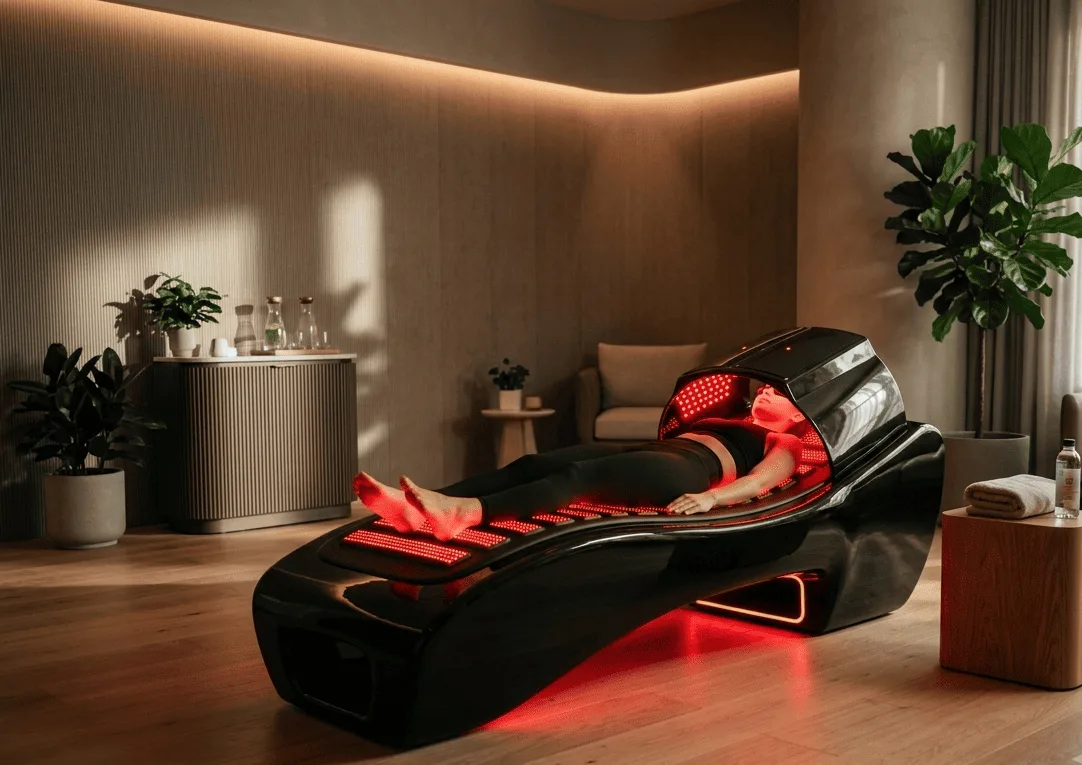
Esta modalidad cubre una necesidad específica que otras ofertas de bienestar no satisfacen. Las sesiones duran entre 12 y 20 minutos, generan una comodidad visible para el cliente con una complejidad mínima, no requieren consumibles por sesión (a diferencia de las recargas de nitrógeno en crioterapia o los cambios de agua en tanques de flotación) y se integran de forma natural con las estructuras de membresía existentes. Para los estudios que ya ofrecen servicios relacionados con la recuperación, la incorporación de estos sistemas suele aumentar los ingresos promedio por visita en lugar de canibalizar las sesiones existentes. El caso de la combinación con la crioterapia se trata por separado en Terapia de luz roja combinada con crioterapia: beneficios de un protocolo combinado. Para operadores que estén considerando configuraciones multimodales.
La trayectoria macroeconómica de la tecnología del bienestar refuerza la sincronización. Los datos de Global Growth Insights de abril de 2026 sobre la categoría más amplia de equipos de bienestar comerciales (utilizando el mercado de sillones de masaje comerciales como indicador macro direccional) proyectaron el segmento de equipos de bienestar de $2.86 mil millones en 2025 a $6.76 mil millones para 2035 con una CAGR de 8.98%. Para ser claros: la cifra específica del mercado de sillones de masaje comerciales NO es una previsión del mercado de terapia de luz roja y debe interpretarse únicamente como una adyacencia direccional, no como una proyección del mercado de RLT. Lo que indica es que la disposición de los compradores a gastar en equipos de bienestar comerciales continúa aumentando, que es el contexto de la demanda en el que se sitúan los servicios de RLT, más que una proyección del tamaño del mercado para la modalidad en sí.
¿Cuánto cuestan los equipos comerciales de terapia con luz roja?
El equipo se divide en cuatro niveles prácticos según su formato y precio. La tabla a continuación refleja los rangos observados en la industria en 2026, según los catálogos de fabricantes y operadores del sector del bienestar, organizados por niveles en lugar de mostrar los precios por marca (que varían trimestralmente).
| Nivel de equipamiento | Inversión típica | Capacidad de la sesión | Mejor ajuste |
|---|---|---|---|
| Conjunto de paneles (de pared o independientes) | $3.000 – $15.000 | Requiere de 15 a 25 minutos por sesión, con un cliente a la vez. | Clínicas existentes que añaden un servicio adicional, consultorios quiroprácticos, servicio RLT de nivel básico |
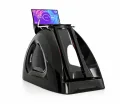
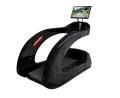
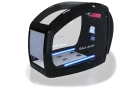
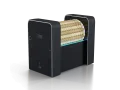
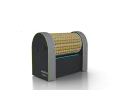
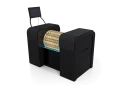
| Cama horizontal (formato comercial básico) | $15.000 – $50.000 | De 20 a 40 sesiones al día, de 12 a 20 minutos cada una. | Estudios de bienestar convencionales, centros de recuperación, spas médicos: el formato RLT comercial estándar. |
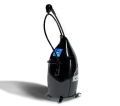
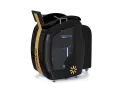
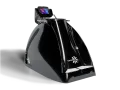
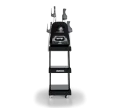
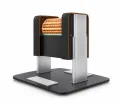
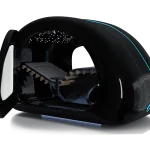
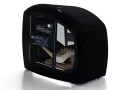
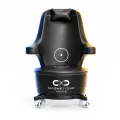
| Módulo vertical / unidad de pie | $30.000 – $80.000 | Entre 15 y 25 sesiones al día (normalmente son sesiones más cortas). | Centros de bienestar de alta gama, gimnasios boutique, estudios urbanos con espacio limitado. |
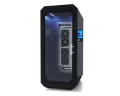
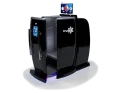
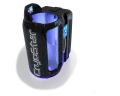
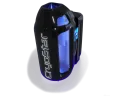
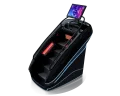
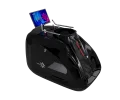
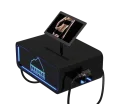
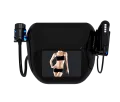
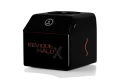
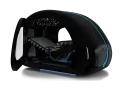
| Cabina multimodal de fácil acceso (clase Revique HaloX) | $50.000 – $120.000+ | Sesiones más largas, menos sesiones al día pero precios más elevados. | Clínicas de longevidad de alta gama, centros de bienestar que ofrecen una experiencia multimodal en una sola visita, dirigidos a compradores con un alto poder adquisitivo. |
Para un operador, la decisión sobre el nivel de servicio depende menos de las especificaciones técnicas y más del modelo de servicio. Un panel de instrumentos funciona como un complemento dentro de un servicio existente (por ejemplo, un ajuste quiropráctico más una sesión de panel de 15 minutos). Una camilla horizontal es el servicio independiente por excelencia, en torno al cual la mayoría de los estudios de bienestar convencionales basan sus programas de membresía. Una cabina vertical es ideal para estudios urbanos con espacio limitado, donde el espacio ocupado es crucial. Una cabina multimodal como la Revique HaloX ofrece un posicionamiento premium para el bienestar a largo plazo, donde la experiencia de una sola visita que combina varias modalidades constituye el servicio en sí.
Precios de las sesiones: lo que realmente cobran los centros de bienestar.
Los precios de referencia de las sesiones en EE. UU. para 2026 se sitúan entre $25 y $75 para una sola sesión, con los mercados urbanos premium (Los Ángeles, Nueva York, San Francisco) dominando consistentemente el extremo superior y los mercados secundarios estabilizándose entre $35 y $50. La duración de la sesión es de 12 a 20 minutos en todos los formatos, y el precio se establece por sesión o por paquete en lugar de por minuto. Los paquetes de 10 se venden normalmente con un descuento de 15 a 20% en comparación con la tarifa de una sola sesión; las membresías mensuales ilimitadas (que se tratan en la siguiente sección) tienen precios entre $99 y $249, siendo $149 y $199 el nivel más común en los datos del mercado estadounidense de mediados de 2026.
La cuestión del precio para un operador específico no radica en el rango nacional, sino en el referente local: ¿cuánto cobran los servicios de bienestar más cercanos por modalidades similares? Si una clínica quiropráctica de la competencia cobra $80 por un tratamiento de 30 minutos, una sesión de RLT de 15 minutos a $45 se percibe como accesible; si el mercado local cuenta con un gimnasio Planet Fitness que incluye el programa Total Body Enhancement en el nivel Black Card de $24.99, una sesión sin cita previa a $45 compite con ese precio de referencia. La comparación local es el ejercicio práctico de fijación de precios; los rangos del sector son el contexto.
El cálculo del retorno de la inversión: ¿Cuándo se amortiza la inversión en un equipo?
Los análisis de retorno de la inversión (ROI) realizados por operadores de fuentes de la industria del bienestar entre 2025 y 2026 establecieron el plazo estándar de 3 a 6 meses para el ROI, con un punto de equilibrio entre 150 y 300 sesiones para una camilla de terapia de luz roja (RLT) comercial convencional. El plazo real depende de la utilización, el precio y el modelo de precios; este rango abarca lo que la mayoría de los operadores observan, no lo que un operador en particular debería asumir.
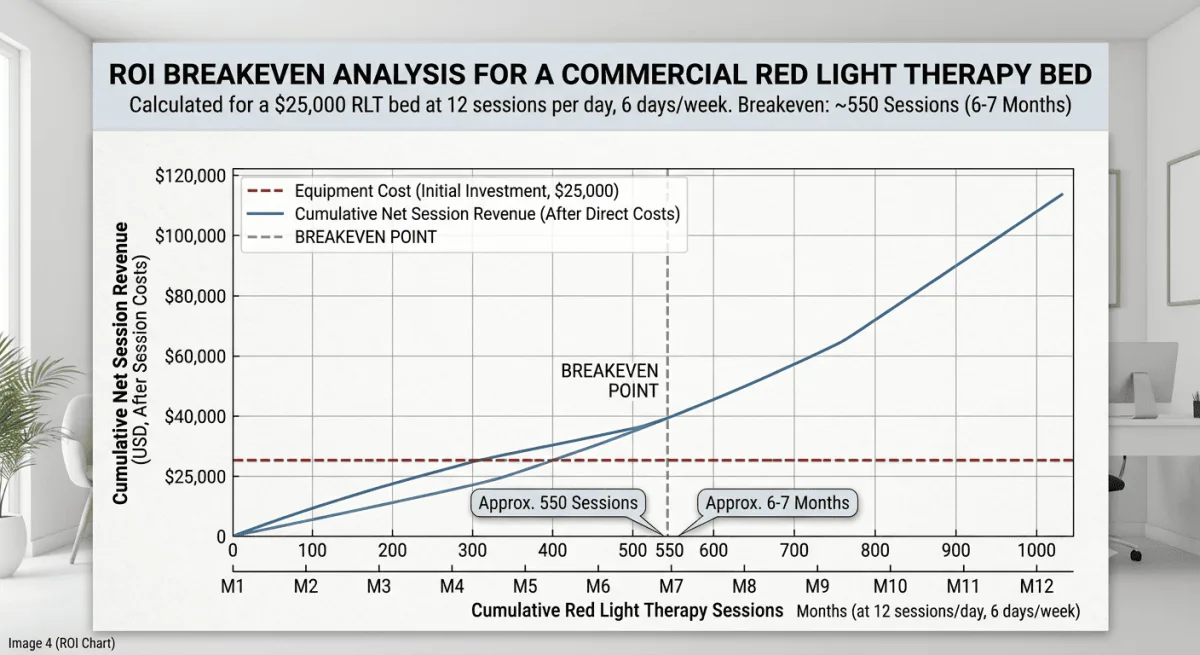
Consideremos una cama RLT comercial convencional con un costo de adquisición aproximado de $25,000. Precio promedio por sesión de $45 en una ubicación de mercado medio. Capacidad de sesión de 12 sesiones por día durante 22 días operativos por mes con una utilización de 60% equivale a 158 sesiones completadas por mes. Ingresos: 158 × $45 = $7,110 por mes brutos. Gastos operativos: electricidad aproximadamente $150-$300 por mes (una cama consume 3-6 kWh por sesión a $0.15/kWh con esta utilización), asignación de personal de recepción a tiempo parcial aproximadamente $1,500 por mes, asignación de alquiler aproximadamente $800-$1,500 por mes para la sala de tratamiento, seguro, marketing y otros gastos generales que suman aproximadamente $500-$800. Costo operativo mensual total aproximado: $2,950-$4,100. Contribución mensual neta: aproximadamente $3,000-$4,500.
Cálculo del período de recuperación: El costo del equipo ($25,000) dividido por la contribución mensual neta promedio ($3,750) equivale aproximadamente a 6.7 meses para la recuperación total. Una mayor utilización (75%+ frente a 60%) o precios de membresía que aumentan el ingreso promedio efectivo por sesión reducen ese período a 4-5 meses. Una menor utilización (40% o menos) o descuentos agresivos lo extienden a 10-12 meses. El punto de referencia de la industria de 3-6 meses asume el extremo medio a alto de ese rango de utilización; un estudio con una utilización de 40% debería modelar un período de recuperación más cercano a 10-12 meses y presupuestar en consecuencia.
Modelos de membresía: donde los ingresos recurrentes son la clave del éxito
Los estudios de bienestar con terapia de luz roja multimodal que han alcanzado una escala significativa comparten un patrón común: ingresos basados en membresías. Un listado de estudios de bienestar llave en mano de Bizquest de 2026 destacó un negocio respaldado por una sólida cartera de más de 2000 clientes potenciales, lo que ilustra que la base de clientes, más que el equipo, suele ser el verdadero activo del negocio. Conceptos de franquicia como Red Light Method (Reno, NV, lanzamiento en abril de 2025) y cadenas más grandes de modalidades de recuperación como Restore Hyper Wellness han basado su economía unitaria en precios de membresía mensual ilimitada en el rango de $99-$199 por mes. Este cambio es importante para la planificación de negocios de terapia de luz roja: los modelos de ingresos por sesión individual funcionan, pero dejan de lado la previsibilidad, la retención y el LTV (valor de vida del cliente).
Las ventajas de la membresía se multiplican: flujo de caja predecible (esencial para la planificación de arrendamientos y personal), mayor LTV por cliente adquirido, menor costo de adquisición de clientes (CAC) por sesión impartida y mayores oportunidades de venta minorista (los miembros compran accesorios, suplementos y ropa). Es honesto reconocer las desventajas: la adquisición inicial de clientes es más difícil para la membresía que para las sesiones individuales, y la presión de los precios debido a los descuentos reduce parte de los ingresos que de otro modo se generarían con las tarifas de las sesiones individuales. La mejor práctica para los nuevos operadores de estudios RLT es un modelo híbrido que comienza con precios de sesión individual para adquirir clientes y convierte a los usuarios frecuentes en miembros mensuales en un plazo de 3 a 5 sesiones.
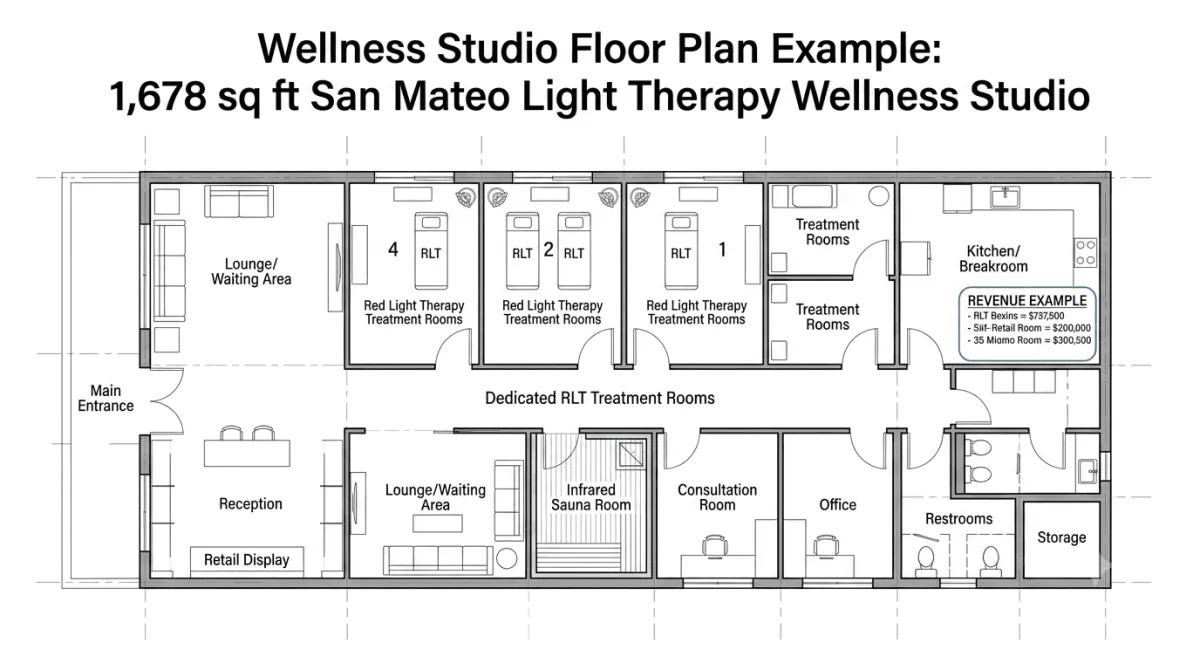
Ejemplo de ingresos reales: Un estudio de bienestar de 155 metros cuadrados (1678 pies cuadrados).
Un anuncio de Bizquest de 2026 proporciona datos transparentes sobre un centro de terapia de luz roja en funcionamiento. El Light Therapy Wellness Studio, ubicado en San Mateo, California, es un estudio de 155 metros cuadrados (1678 pies cuadrados) que abrió sus puertas en agosto de 2025. Su precio de venta es de 680 000 TW, con unos ingresos anuales de 480 000 TW. El estudio cuenta con salas dedicadas al tratamiento con luz roja, además de una sauna de infrarrojos y una tienda. Estas cifras reflejan los datos proporcionados por el vendedor en un anuncio público de Bizquest, en lugar de un estado de resultados auditado; por lo tanto, deben considerarse datos económicos ilustrativos y no un referente validado.
La economía de la unidad funciona con estas cifras. $480,000 de ingresos anuales implica un promedio mensual de $40,000 en todo el estudio. FF&E (mobiliario, accesorios y equipos) amortizado durante una vida útil del equipo de 5 a 7 años asigna aproximadamente $6,000-$8,000 por mes en depreciación de equipo en el plano de planta multiservicio. El arrendamiento a tarifas comerciales de San Mateo se estima en $8,000-$12,000 por mes para los 1,678 pies cuadrados. El personal de recepción a tiempo parcial más los técnicos programados se estima en $8,000-$12,000. La contribución mensual neta antes de la compensación del propietario se sitúa en el rango de $12,000-$18,000, suficiente para respaldar el retiro del propietario mientras continúa el servicio de financiamiento del equipo. Los detalles importan menos que la forma: un estudio multimodal bien gestionado en un mercado metropolitano fuerte con una combinación de ingresos basada principalmente en membresías demuestra el modelo, y la forma es lo que un operador en un mercado diferente puede adaptar. Para conocer los beneficios independientes de RLT que subyacen a la demanda del cliente, consulte Los beneficios de la terapia con luz roja están respaldados por estudios, no por exageraciones. que analiza la base de evidencia que buscan los clientes.
Servicios complementarios que multiplican los ingresos de RLT
La terapia de luz roja de cuerpo entero independiente funciona, pero los ingresos se multiplican significativamente cuando se combina con servicios de recuperación y productos minoristas adyacentes. Los estudios de bienestar de alto crecimiento en el conjunto de datos Bizquest 2026 combinan consistentemente esta modalidad con sauna de infrarrojos, crioterapia, terapia de compresión, terapia de sal y venta minorista (cuidado de la piel tópico relacionado con LED, reventa de paneles para el hogar). Para obtener información detallada sobre las especificaciones del panel que respalda las preguntas de los clientes sobre la selección de longitud de onda, consulte Panel sobre terapia con luz roja: Cómo las longitudes de onda de 660 nm y 850 nm curan los tejidos..
Las clínicas quiroprácticas que incorporan esta modalidad suelen aumentar el ticket promedio por visita en $30-$60 gracias al servicio adicional. Los centros de recuperación deportiva posicionan la terapia de recuperación de radiofrecuencia (RLT) como una mejora de nivel superior al masaje básico o al acceso al rodillo de espuma. El equipo de recuperación adyacente, como el Silla de gravedad cero De-Stress Lounge Se combina naturalmente como una estación de recuperación complementaria en la misma visita. Para un enfoque de reventa de vivienda para compradores (clientes que se convierten en compradores del panel), consulte La mejor terapia de luz roja para usar en casa: por qué los profesionales eligen equipos profesionales. lo que explica la brecha en las especificaciones que convierte a los clientes satisfechos de los estudios en compradores de equipos profesionales.
Gastos generales operativos más allá del costo del equipo.
La inversión de capital en equipos es el mayor costo individual, pero los gastos generales mensuales continuos se acumulan significativamente durante la vida útil del equipo de 5 a 7 años. Desglose honesto del lado de los costos recurrentes: la electricidad en una cama comercial funciona $150-$300 mensuales con una utilización típica, el alquiler de la asignación de la sala de tratamiento generalmente $800-$1,500 dependiendo del mercado, el seguro $150-$400 mensuales para cobertura de responsabilidad civil, suministros de limpieza y consumibles de gafas $50-$100 mensuales, reserva de mantenimiento de equipos y reemplazo de LED $100-$200 mensuales en promedio durante la vida útil del equipo.
El personal de recepción (recepcionista a tiempo parcial, no un terapeuta por sesión) destina aproximadamente entre 1.500 y 2.500 TP4T mensuales. El gasto en marketing varía drásticamente según la densidad del mercado: entre 500 y 1.000 TP4T mensuales para canales con predominio orgánico, y hasta entre 2.000 y 3.000 TP4T mensuales si se realiza una adquisición de pago a gran escala. El procesamiento de pagos y el software (reservas, membresías, TPV) cuestan entre 200 y 400 TP4T mensuales. El coste operativo recurrente total para una configuración de RLT de una sola sala se sitúa en el rango de 3.000 a 5.500 TP4T mensuales, una cifra que debería modelarse honestamente antes de la compra del equipo, en lugar de descubrirse durante el cuarto mes, cuando la base de miembros aún no ha aumentado. Explorar Nuestros paneles comerciales de terapia de luz roja para la gama completa de especificaciones si la evaluación del operador se encuentra en la etapa de selección de nivel.
Preguntas frecuentes
P1. ¿Cuánto cuesta una máquina comercial de terapia de luz roja de cuerpo entero?
El equipamiento comercial varía desde aproximadamente $3,000 para paneles básicos hasta más de $80,000 para cabinas de lujo de cuerpo completo y $50,000-$120,000 para cabinas multimodales de fácil acceso. Una cama RLT convencional (el elemento principal de la mayoría de los estudios de bienestar) cuesta entre $15,000 y $50,000. Los paneles ($3,000-$15,000) funcionan bien como complementos para prácticas clínicas existentes. Las cabinas verticales ($30,000-$80,000) son adecuadas para estudios urbanos con espacio limitado. La elección depende más del modelo de servicio que de la hoja de especificaciones: una cama horizontal sirve como base para un servicio de membresía independiente; un panel agrega una modalidad a un servicio existente; una cabina multimodal ofrece un posicionamiento premium para la longevidad. Verifique los precios actuales directamente con los proveedores, ya que los precios de los equipos varían trimestralmente.
P2. ¿Cuál es el retorno de la inversión (ROI) de la terapia con luz roja para un centro de bienestar?
Los análisis de ROI del lado del operador de fuentes de la industria del bienestar para 2025-2026 sitúan el período típico de ROI en 3-6 meses para una cama RLT comercial convencional, con el equipo alcanzando el punto de equilibrio después de aproximadamente 150-300 sesiones. El plazo real depende de la utilización (60%+ comprime el período; menos de 40% lo extiende a 10-12 meses), el modelo de precios (la base de miembros comprime el retorno de la inversión en comparación con solo visitas sin cita previa) y la posición en el mercado (los mercados premium urbanos permiten precios de sesión más altos). Una cama $25,000 con un precio promedio de sesión de $45, una utilización de 60% y una gestión honesta de los costos operativos generalmente se recupera en aproximadamente 6.7 meses. Una mayor utilización o una combinación de ingresos con mayor proporción de miembros comprime el período a 4-5 meses.
P3. ¿Cuánto se puede cobrar por una sesión de terapia de luz roja?
Los precios de referencia para sesiones en EE. UU. en 2026 oscilan entre $25 y $75 por sesión individual, con los mercados urbanos de alta gama (Los Ángeles, Nueva York, San Francisco) dominando el rango superior. Los paquetes de 10 sesiones suelen venderse con un descuento de 15-20% sobre el precio de una sola sesión. Las membresías mensuales ilimitadas tienen precios entre $99 y $249, siendo $149-$199 el nivel más común en los datos del mercado estadounidense de mediados de 2026. El precio adecuado para un operador específico es el precio de referencia local (lo que cobran los servicios de bienestar más cercanos por modalidades similares) en lugar del rango nacional.
P4. ¿Cuántas sesiones se necesitan para amortizar una camilla de terapia de luz roja?
Para una cama de terapia de luz roja comercial convencional con un costo aproximado de $25,000, el punto de equilibrio generalmente se alcanza entre 150 y 300 sesiones, según el precio por sesión, de acuerdo con datos de operadores de la industria del bienestar de 2026. Con una utilización de 60% (aproximadamente 158 sesiones por mes a 12 sesiones por día durante 22 días de operación), esto significa que se necesitan de 1 a 2 meses para cubrir el costo del equipo si se ignoran los gastos operativos, o aproximadamente de 6 a 7 meses para recuperar la inversión total, incluyendo los costos operativos reales. Una menor utilización o mayores descuentos extienden el plazo; los precios de membresía que aumentan los ingresos efectivos por sesión lo acortan.
P5. ¿Camilla de terapia de luz roja de cuerpo entero, panel o cápsula? ¿Cuál es la mejor opción para un estudio de bienestar?
Depende del modelo de negocio. Las camas ($15K-$50K) son la opción más común: horizontales, sesiones de 12 a 20 minutos, capacidad de 20 a 40 sesiones diarias, ideales para estudios convencionales que buscan una membresía independiente. Los paneles ($3K-$15K) son adecuados para clínicas que incorporan la terapia de luz roja (RLT) a sus servicios existentes, en lugar de ofrecerla como un servicio independiente. Las cabinas ($30K-$80K) son ideales para estudios urbanos de alta gama, donde su diseño vertical y estética permiten fijar precios más elevados por sesión. Las cabinas multimodales ($50K-$120K, clase Revique HaloX) ofrecen un posicionamiento premium para tratamientos de longevidad, donde el servicio principal es la multimodalidad en una sola visita. Adapte el formato al modelo de negocio del operador, no al revés.
P6. ¿Cuál es el precio promedio de la membresía para los estudios de terapia de luz roja?
Las membresías mensuales ilimitadas suelen oscilar entre $99 y $249 en los datos del mercado estadounidense de 2026, siendo el rango más común el de $149-$199. Los conceptos de bienestar de franquicia en EE. UU. operan en este mismo rango de $99-$199. Las estructuras por niveles funcionan bien: nivel básico a $99 para sesiones limitadas, nivel medio a $149-$199 para RLT ilimitado, y premium a partir de $249 para paquetes multimodales que incluyen acceso a sauna de infrarrojos o crioterapia. La combinación de ingresos con alta proporción de membresías es lo que acelera la recuperación de la inversión y estabiliza el flujo de caja frente a los ingresos volátiles de las sesiones individuales.
P7. ¿Cuánta electricidad consume una camilla de terapia de luz roja de uso comercial?
Una cama de terapia de luz roja de cuerpo completo comercial suele consumir entre 3 y 6 kWh por sesión, lo que equivale aproximadamente a entre 150 y 300 TPM mensuales con una tarifa eléctrica promedio en EE. UU. de 0,15 TPM/kWh y un uso normal. Este es un costo operativo real que debe incluirse en el modelo de retorno de la inversión (ROI), pero no es el principal gasto: la contratación de personal, el alquiler y el marketing suelen superar el costo de la electricidad entre 3 y 8 veces. Verifique el consumo real de energía con la hoja de especificaciones de la unidad, ya que este varía considerablemente según la cantidad de LED y la irradiancia.
P8. ¿Es la terapia con luz roja un buen negocio para añadir a un centro de bienestar ya existente?
Para clínicas quiroprácticas, centros de recuperación deportiva, spas y estudios de fitness boutique con bases de miembros existentes, agregar RLT generalmente aumenta el ingreso promedio por visita entre $30 y $60 gracias al servicio adicional, y los gastos fijos mensuales se distribuyen entre la base de clientes existente en lugar de requerir una adquisición independiente. El cálculo funciona mejor cuando la operación existente ya tiene un posicionamiento relacionado con la recuperación y una base de clientes con ingresos disponibles para gastos de bienestar. Funciona menos bien como un servicio independiente en un mercado sin una infraestructura de demanda de bienestar existente de la cual aprovechar. Modele las cifras específicas del estudio antes de la asignación de capital en lugar de asumir que los parámetros de referencia de la industria se aplican directamente.
Conclusión
La terapia de luz roja de cuerpo entero es una inversión comercial viable para estudios de recuperación y centros de bienestar cuando la rentabilidad se ajusta al mercado local. El retorno de la inversión (ROI) suele alcanzarse entre 3 y 6 meses en una cama convencional de $25,000 con una utilización de 60% y un precio promedio por sesión de $45, logrando el punto de equilibrio tras 150-300 sesiones. Una mayor utilización o una combinación de ingresos basada principalmente en membresías reduce el período de recuperación a 4-5 meses; una utilización inferior a 40% o descuentos agresivos lo extienden a 10-12 meses. Los cálculos son transparentes porque así debe ser: los operadores que evalúan la asignación de capital merecen información honesta en lugar de estrategias de marketing que oculten los costos operativos.
El camino hacia un ROI real pasa por la utilización por encima de 55-60%, un modelo de precios híbrido de sesión única más membresía, una gestión honesta de los costos operativos (electricidad, personal, seguros, marketing) y la integración con servicios de recuperación adyacentes en lugar de un posicionamiento independiente en un mercado sin infraestructura de demanda de recuperación. Para el nivel específico que se ajuste al modelo de negocio de un estudio en particular, explore paneles comerciales de terapia de luz roja para la gama completa de especificaciones, o el Cápsula de longevidad Revique HaloX Para el segmento multimodal de cabina única que busca un posicionamiento premium de larga duración. Aplique el cálculo del retorno de la inversión anterior a la hoja de especificaciones de un proveedor antes de comprometer capital: un proveedor que no puede proporcionar datos transparentes sobre los costos operativos cuando se le solicitan le está indicando algo.


