




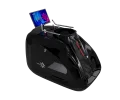
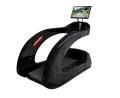
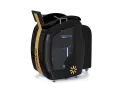
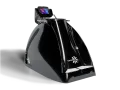






Терапия красным светом для стимуляции роста волос: механизм, доказательства, оборудование.
Способствует ли терапия красным светом росту волос? Да, при облысении по мужскому типу. Многочисленные рандомизированные контролируемые исследования (РКИ) сообщают о значительном улучшении густоты волос по сравнению с плацебо-устройствами у мужчин и женщин с андрогенетической алопецией. Сообщаемые диапазоны обычно составляют около 15-35% прироста густоты в разных исследованиях, хотя индивидуальные результаты существенно различаются в зависимости от характеристик устройства, длины волны, дозы, соблюдения режима сеансов и причины выпадения волос. Доказательная база сильнее, чем для большинства немедикаментозных методов лечения выпадения волос, но терапия красным светом для роста волос эффективна только для определенных типов выпадения волос, и необходимость соблюдения режима в течение нескольких месяцев является обязательной. Это обзор механизма действия, доказательств и оборудования, проведенный медицинской консультативной и инженерной группой Vacuactivus по состоянию на июнь 2026 года.
В рецензируемых обзорах 2025-2026 годов, посвященных применению терапии красным светом в дерматологии, рост волос указан как одна из основных областей применения с наиболее убедительной доказательной базой. Недавние консенсусные обзоры подтвердили наличие самого высокого уровня доказательности для фотобиомодуляции при облысении по мужскому типу. Диапазон длин волн 630-670 нм (основной терапевтический диапазон для стимуляции волосяных фолликулов) проникает в кожу головы достаточно глубоко, чтобы достичь дермального сосочка у основания фолликула, где митохондрии поглощают свет и стимулируют выработку клеточной энергии – механизм, подробно описанный ниже. Многие устройства для низкоуровневой лазерной терапии (НЛЛТ) одобрены FDA специально для лечения андрогенетической алопеции (одобрены FDA, а не утверждены FDA; это разные регуляторные статусы).
Это руководство предназначено для двух аудиторий: для людей, изучающих терапию красным светом для стимуляции роста волос в качестве личного метода лечения, и для операторов клиник, оценивающих оборудование для терапии красным светом в рамках профессиональных услуг. В основе руководства — научные данные: что работает, что не работает и чего ожидать в течение нескольких недель и месяцев. Если ваша цель — быстрое подтверждение того, что устройство $300 восстановит полностью облысевшую кожу головы за шесть недель, это руководство вас разочарует. Если же вам нужны достоверные данные и реалистичные ожидания, продолжайте читать. Более подробную информацию о роли терапии красным светом, направленной на рост волос, в оптимизации здоровья можно найти в разделе «Биохакинг и оптимизация здоровья». Что такое биохакинг? Полное руководство по оптимизации производительности который охватывает концепцию оздоровительного комплекса на уровне отдельных направлений.
Действительно ли терапия красным светом способствует росту волос?
Да, для лечения облысения по мужскому типу. Доказательная база рандомизированных контролируемых исследований достаточно согласуется с данными, поэтому в рецензируемых дерматологических обзорах и многочисленных обзорах отрасли за 2025-2026 годы стимуляция роста волос с помощью терапии красным светом рассматривается как научно обоснованное вмешательство, а не как экспериментальная тенденция. Измеренные улучшения плотности волос по сравнению с плацебо-устройствами, о которых сообщается в различных исследованиях, являются реальными, статистически значимыми эффектами (диапазон заявленных результатов варьируется в зависимости от устройства, длины волны, дозы и соблюдения режима сеансов).
Историческое происхождение этого метода связано со случайным открытием Эндре Местера в 1967 году, когда он заметил, что у мышей, подвергшихся воздействию низкоинтенсивного лазерного излучения, волосы росли быстрее, чем у контрольной группы. Это случайное открытие положило начало десятилетиям исследований фотобиомодуляции, и регенерация волос остается одним из наиболее эффективных методов клинического применения. Недавние обзоры, основанные на результатах многочисленных рандомизированных контролируемых исследований, подтверждают, что облысение по мужскому типу (андрогенетическая алопеция у мужчин, андрогенетическая алопеция у женщин) заметно реагирует на терапию красным светом, применяемую регулярно в течение 16-26 недель. Сравните эту научно обоснованную информацию с более широким руководством «Преимущества терапии красным светом, подтвержденные исследованиями, а не рекламой», охватывающим множество применений, помимо лечения волос.
Механизм: как красный свет стимулирует фолликулы
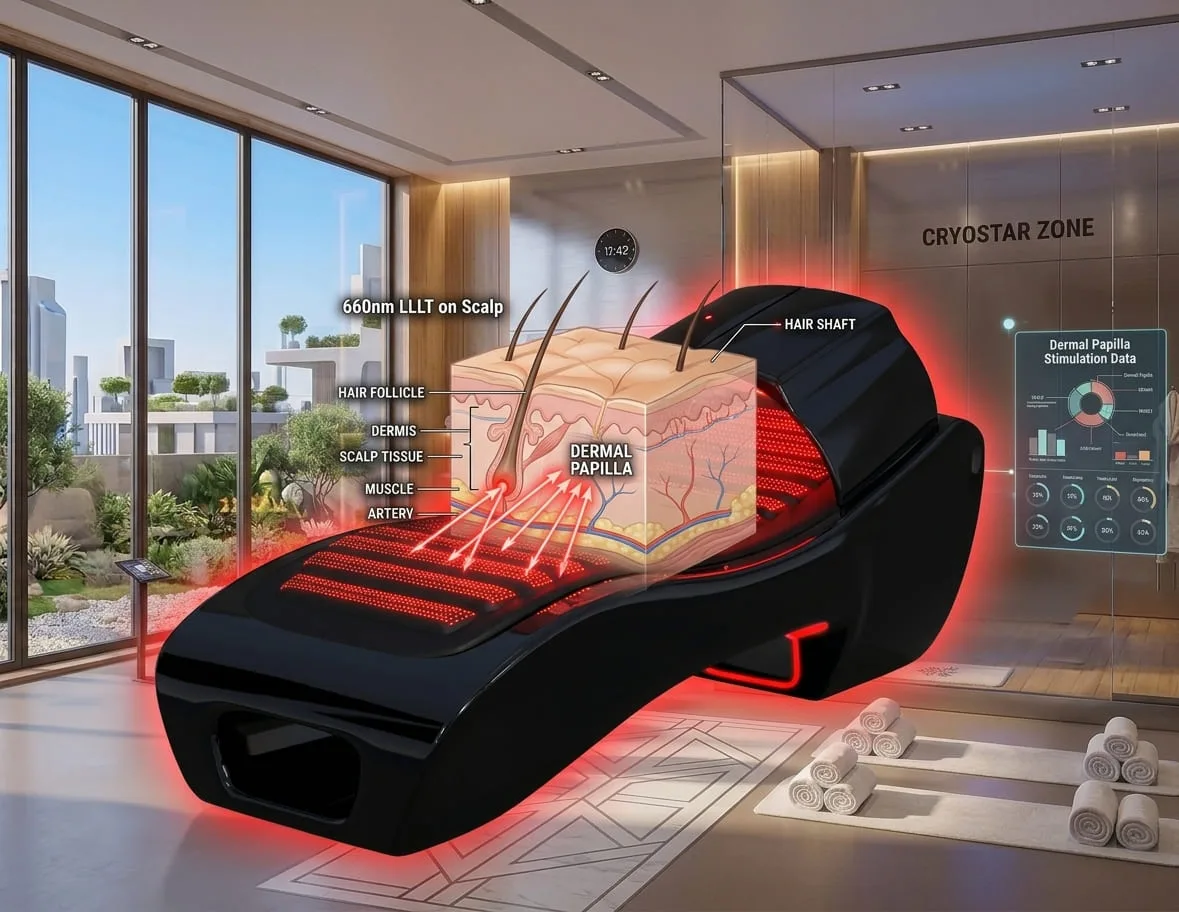
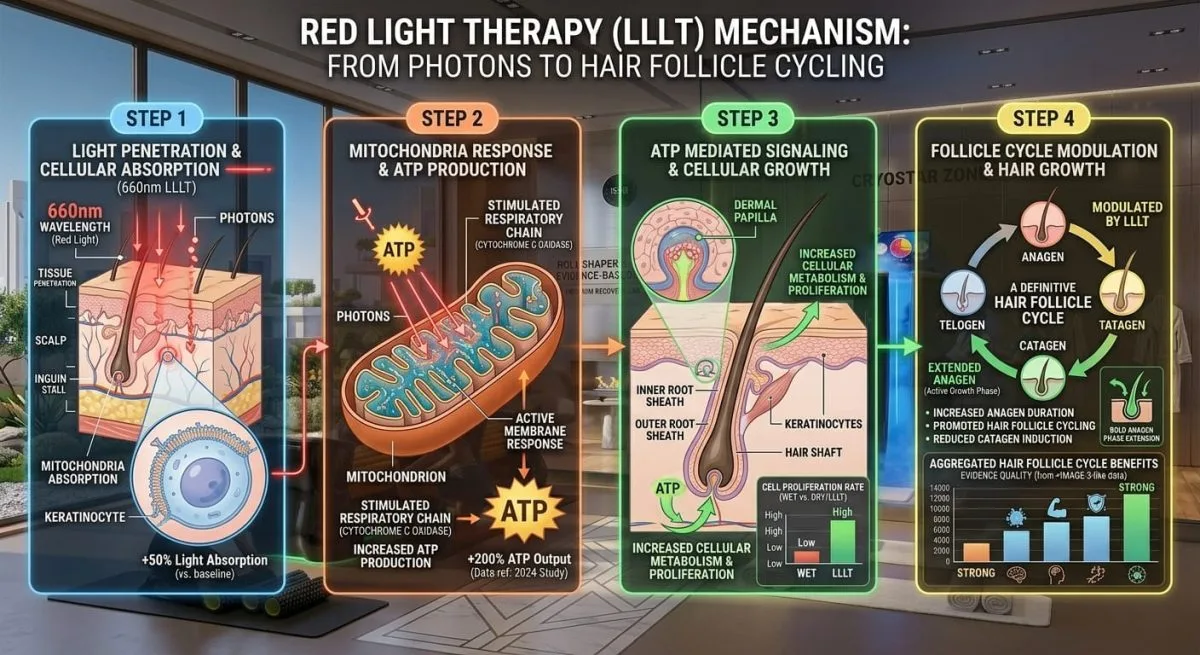
Механизм хорошо изучен. Красный свет в диапазоне 630-670 нм (основной терапевтический диапазон для волосяных фолликулов) проникает в кожу головы на глубину нескольких миллиметров, достигая клеток дермального сосочка у основания волосяного фолликула. Митохондрии в этих клетках содержат цитохром-с-оксидазу, фермент, поглощающий красный свет в этом диапазоне длин волн. Когда фермент поглощает свет, он ускоряет цепь переноса электронов, производя больше АТФ (клеточной энергетической валюты), чем в норме.
Увеличение доступности АТФ стимулирует более быстрое размножение клеток дермального сосочка. Два последующих эффекта преобразуют этот прилив клеточной энергии в видимый рост волос. Во-первых, воздействие света высвобождает оксид азота (NO) из цитохром-с-оксидазы; оксид азота — это сигнальная молекула, улучшающая местный кровоток к фолликулу. Во-вторых, повышенная клеточная энергия активирует компоненты сигнального пути Wnt, в частности WNT3 и WNT10B, согласно исследованию РНК-секвенирования фолликулов кожи головы человека 2021 года. Сигнальный путь Wnt возвращает спящие (телогенные) фолликулы в активную (анагенную) фазу роста. В результате: больше фолликулов одновременно выращивают волосы, производя более толстые терминальные волосы, а не миниатюрные пушковые волосы, характерные для облысения по мужскому типу.
Для читателей, желающих глубже изучить науку о длинах волн в различных областях применения, Панель терапии красным светом: как волны 660 нм + 850 нм способствуют заживлению тканей. В статье рассматривается механизм с более высоким разрешением, включая взаимодействие между видимым красным светом (630-670 нм, основная мишень — волосяной фолликул) и ближним инфракрасным светом (830-850 нм, более глубокое проникновение в ткани для воздействия на мышцы и суставы, а не только на волосяные фолликулы). Аналогичное применение того же диапазона длин волн 630-670 нм, подтвержденное убедительными доказательствами, можно найти в статье «Терапия красным светом для облегчения боли», где используется тот же механизм цитохром-с-оксидазы, что и при лечении заболеваний опорно-двигательного аппарата.
Что показывают клинические данные
Данные рандомизированных контролированных исследований (РКИ), проведенных в ходе многочисленных испытаний продолжительностью 16-26 недель, показывают статистически значимое улучшение плотности по сравнению с плацебо-устройствами. В таблице ниже приведено краткое описание качества доказательств по репрезентативным типам источников и исследованиям, при этом диапазоны увеличения плотности намеренно представлены как иллюстративные примеры того, что было сообщено, а не как универсальные эффекты лечения.
| Тип исследования / Источник | Длина волны | Увеличение плотности по сравнению с контрольной группой (диапазон заявленных значений) | Продолжительность | Население |
|---|---|---|---|---|
| Краткие обзоры рандомизированных контролированных исследований (рецензируемые обзоры 2025-2026 гг.) | 630-670 нм | Значительное улучшение плотности (диапазоны показателей варьируются в зависимости от устройства и соблюдения рекомендаций). | 16-26 недель | Мужчины и женщины с АГА |
| Одобренные FDA испытания низкоинтенсивной лазерной терапии (с использованием нескольких устройств) | Диапазон 630-670 нм (основной терапевтический диапазон) | Статистически значимое улучшение показателей количества терминальных волос | 16-26 недель | Облысение по мужскому и женскому типу |
| Протоколы низкоинтенсивной лазерной терапии (НИЛТ) зарегистрированы на ClinicalTrials.gov для лечения андрогенетической алопеции (АГА). | 630-680 нм (типичное значение) | Статистически значимые различия по сравнению с контрольной группой по зарегистрированным показателям результатов (проверьте текущие зарегистрированные протоколы непосредственно на сайте clinicaltrials.gov) | Обычно от 16 до 24 недель. | Участники AGA |
| Секвенирование РНК волосяных фолликулов кожи головы человека (2021) | 650 нм | Индукция анагена подтверждена на уровне экспрессии генов. | Исследование in vitro | Культивированные человеческие фолликулы |
| Комбинированное исследование (RLT + миноксидил, 6 месяцев) | 660 нм в диапазоне 630-670 нм + миноксидил | Устойчивый рост после достижения плато при применении только миноксидила. | 6 месяцев | Участники AGA |
| Обзоры консенсуса 2025 года (многочисленные) | первичный 630-670 нм | Подтверждено наличие максимально возможного уровня доказательности для применения фотобиомодуляции в контексте андрогенетической алопеции. | Многофакторный синтез исследований | Когорты AGA в различных исследованиях |
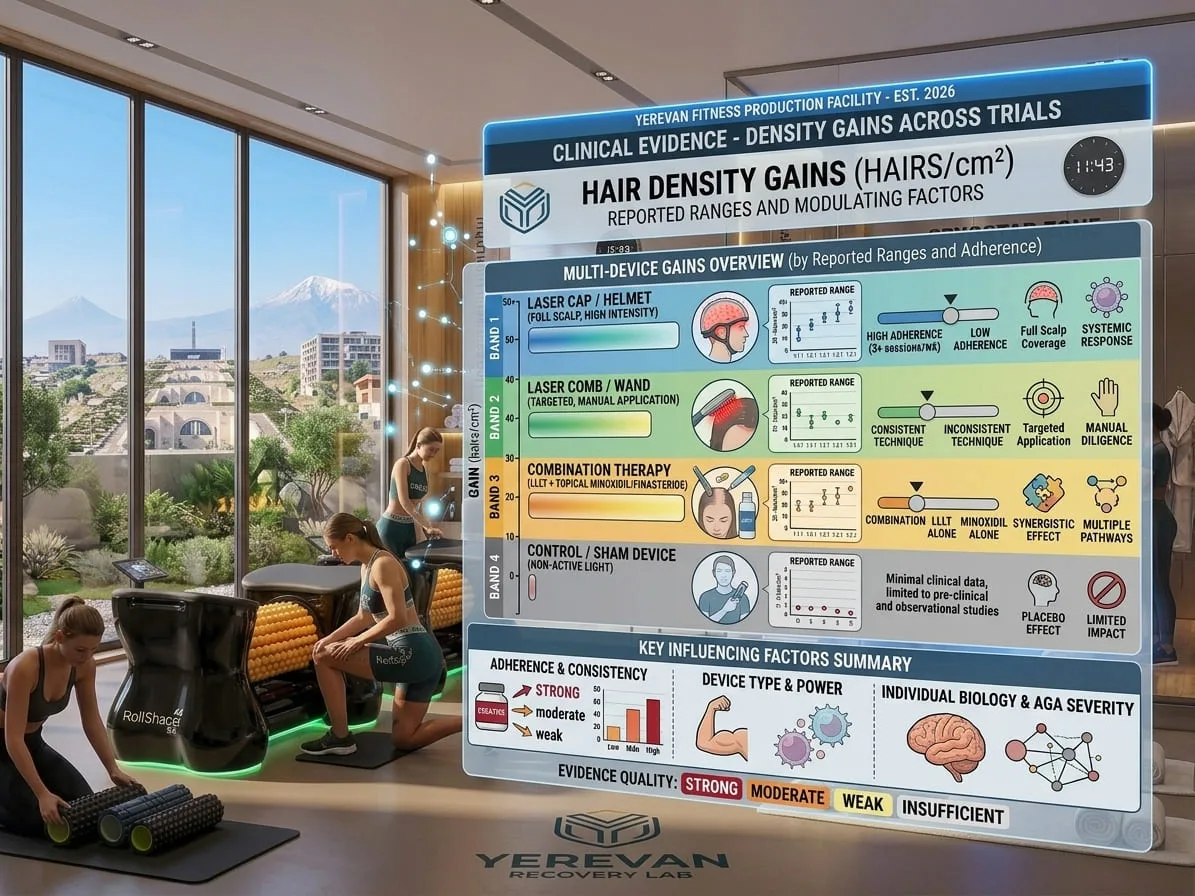
В некоторых исследованиях наиболее значимые улучшения наблюдались примерно через два месяца, но эти ранние изменения обычно отмечались в группах, получавших комбинированную терапию (например, красный свет плюс миноксидил). Для достижения видимого улучшения плотности волос при использовании только красного света обычно требуется от трех до шести месяцев постоянного применения. Постоянство является документально подтвержденным фактором в клинических данных – протоколы с пропущенными сеансами или частичным соблюдением показывают более слабый или нулевой эффект. FDA одобрило несколько устройств низкоинтенсивной лазерной терапии (НИЛТ) специально для лечения андрогенетической алопеции на основе этой доказательной базы; одобрение распространяется на конкретные устройства, а не на терапию красным светом как общую категорию. Диапазоны увеличения плотности волос, часто упоминаемые в отраслевой литературе (часто около 15-351 ТлТ в исследованиях для устройств НИЛТ в популяциях с андрогенетической алопецией), следует рассматривать как иллюстрацию распределения величины эффекта, а не как гарантированные индивидуальные результаты; результаты существенно различаются в зависимости от причины выпадения волос, характеристик устройства, соблюдения режима сеансов, длины волны, дозы и продолжительности.
Кому эффективна (и кому неэффективна) терапия красным светом
Честная сегментация целевой аудитории имеет важное значение, поскольку терапия красным светом не всегда эффективна. Представленные ниже профили кандидатов отражают наиболее и наименее выраженные модели реакции, задокументированные в клинических исследованиях. Лицам с выпадением волос следует проконсультироваться с квалифицированным дерматологом для профессиональной диагностики, прежде чем выбирать подход к лечению, поскольку основная причина существенно влияет на то, какие методы лечения будут подходящими.
Наилучшие кандидаты: андрогенетическая алопеция на ранней и средней стадии у мужчин и женщин. Истончение волос в местах миниатюризации фолликулов, но не полная их потеря. Активный цикл роста волос сохраняется. Пациенты, готовые к 16-26 неделям непрерывного использования перед оценкой результатов. Предсказуемые респонденты на основе демографических данных исследования: взрослые 20-60 лет с генетически обусловленным облысением по типу андрогенетической алопеции, потеря густоты волос в диапазоне 15-40% от исходного уровня (шкала Норвуда II-IV у мужчин, шкала Людвига I-II у женщин).
Менее предсказуемые или неподходящие кандидаты: запущенная стадия облысения по типу «норвуд V+» у мужчин, когда миниатюризация прогрессирует до потери фолликулов; рубцовая алопеция (рубцовая), при которой фолликул разрушается, а не переходит в спящее состояние; выпадение волос, вызванное заболеваниями (щитовидная железа, дефицит железа, побочные эффекты лекарств), а не генетической предрасположенностью; очаговая алопеция (аутоиммунная), где механизм иной. Терапия красным светом НЕ восстановит полностью облысевшую кожу головы, поскольку она стимулирует существующие фолликулы, а не создает новые. В случаях запущенной стадии облысения по типу «норвуд» обычно лучше подходит медикаментозное лечение (финастерид, дутастерид) или хирургическое вмешательство (трансплантация волос) в качестве основного лечения. Красный свет может дополнять эти подходы, но не заменять их в запущенных случаях. Перед началом любого лечения проконсультируйтесь с квалифицированным дерматологом или другим медицинским работником.
Какая длина волны и доза являются оптимальными?
Диапазон красного света 630-670 нм является основным терапевтическим диапазоном для стимуляции кожи головы и волосяных фолликулов. Эта длина волны эффективно поглощается цитохром-с-оксидазой в митохондриях, проникая достаточно глубоко, чтобы достичь дермального сосочка у основания фолликула. Длины волн короче 600 нм (желтый, зеленый) не проникают достаточно глубоко. Длины волн в ближнем инфракрасном диапазоне (800-900 нм) проникают глубже, но менее эффективно поглощаются специфическим митохондриальным ферментом, наиболее важным для роста волос; ближний инфракрасный диапазон больше подходит для применения в опорно-двигательной системе и более глубоких тканях, чем для воздействия на волосяные фолликулы.
Интенсивность излучения (измеряемая в мВт/см²) имеет значение и значительно варьируется в зависимости от категории устройств. Профессиональные устройства, используемые в клиниках, обычно обеспечивают интенсивность 30-100+ мВт/см² на поверхности кожи головы, что позволяет достичь эффективной дозы за 10-20-минутные сеансы. Лазерные шапочки для домашнего использования обычно обеспечивают интенсивность 5-15 мВт/см², что требует более длительных сеансов (20-30 минут) для достижения эквивалентной дозы. Домашние панели с красным светом обеспечивают сильно варьирующуюся интенсивность излучения в зависимости от положения и расстояния – чем ближе, тем интенсивнее излучение, но тем меньше охват кожи головы. В успешных клинических испытаниях частота сеансов составляла через день или несколько раз в неделю, продолжительностью 15-30 минут. Постоянство важнее интенсивности: пропуск сеансов существенно ухудшает результаты, согласно клиническим данным.
Оборудование: лазерные шапочки, панели и внутриклинические устройства.
На рынке терапии красным светом для стимуляции роста волос доминируют три категории оборудования. Каждая из них имеет свои компромиссы в отношении интенсивности излучения, зоны покрытия, удобства и стоимости.
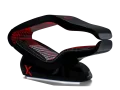
Лазерные кепки и шлемы
Лазерные шапочки — наиболее удобная категория для домашнего использования, разработанная специально для обработки кожи головы. Существует множество вариантов, одобренных FDA (iRestore, Capillus, HairMax, Theradome — известные примеры). Форма шапочки обеспечивает равномерное покрытие кожи головы без необходимости держать или располагать устройство. Интенсивность излучения обычно ниже, чем у профессионального оборудования (5-15 мВт/см²), что компенсируется более длительным временем сеанса (20-30 минут) и удобством использования без помощи рук во время других занятий. Стоимость: от $300 до $3000 в зависимости от количества диодов и площади покрытия. Наилучший вариант: для домашних пользователей с ранней и средней стадией андрогенетической алопеции, которые ценят удобство и готовы к 16-26 неделям регулярного использования. Перед покупкой уточните текущее разрешение FDA для конкретного устройства непосредственно у производителя; разрешение выдается для конкретного устройства, а не для всей категории.
Панели с красными световыми сигналами
Панели красного света имеют множество применений, помимо лечения волос (кожа, восстановление мышц, общая фотобиомодуляция), и часто обеспечивают более высокую интенсивность излучения, чем лазерные шапочки, при аналогичной или более низкой стоимости. Компромисс заключается в позиционировании: пользователи должны держать панель на постоянном расстоянии от кожи головы, а зона покрытия варьируется в зависимости от размера и ориентации панели. Наилучший вариант: пользователи, уже использующие терапию красным светом для других целей (кожа, восстановление), которые хотят добавить лечение волос в качестве дополнительного варианта применения. Лучшая домашняя терапия красным светом в 2026 году: почему профессионалы выбирают профессиональное оборудование В статье, подробно рассматривающей категорию домашних панелей, проводится сравнение технических характеристик ведущих вариантов.
Профессиональные медицинские приборы для использования в клинике
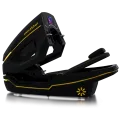
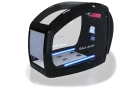
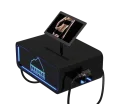
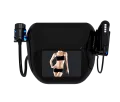
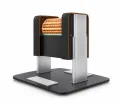
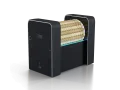
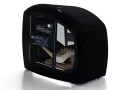
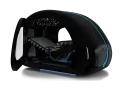
Аппараты, используемые в клиниках, обеспечивают максимальную интенсивность излучения (30-100+ мВт/см² на коже головы), что позволяет проводить более короткие сеансы (10-20 минут) с предсказуемой дозировкой. Компания Vacuactivus производит панели и кровати для терапии красным светом коммерческого класса, используемые в дерматологических клиниках, оздоровительных центрах и специализированных центрах по лечению выпадения волос. Оборудование поддерживает как протоколы, ориентированные на волосы (специализированная обработка кожи головы), так и многопрофильные услуги, где волосы являются одним из нескольких применений терапии красным светом. Наилучшее применение: клиники, предлагающие услуги терапии красным светом для волос в рамках более широкой практики восстановления, дерматологии или оздоровления. Подробнее панели для терапии красным светом Для ознакомления с вариантами коммерческого класса и техническими характеристиками для развертывания в клиниках. Для клиник, сочетающих протоколы красной светотерапии и криотерапии в рамках одной программы восстановления, см. раздел «Комбинированная терапия красным светом и криотерапия», где рассматривается экономическая целесообразность комбинированных методов восстановления.
Терапия красным светом против миноксидила и других методов лечения
Терапию красным светом лучше рассматривать как дополнение к медикаментозному лечению, а не как самостоятельную замену в большинстве случаев облысения по мужскому типу. Миноксидил (для местного применения, без рецепта) продлевает фазу роста фолликула в фазе анагена и является наиболее изученным безрецептурным средством от выпадения волос. Финастерид и дутастерид (системно, по рецепту) уменьшают миниатюризацию фолликулов, вызванную ДГТ. Терапия красным светом действует совершенно по другому механизму (производство энергии митохондриями и активация сигнального пути Wnt), что делает комбинированные протоколы синергичными с точки зрения механизма действия.
В ходе шестимесячного комбинированного исследования было установлено, что эффект от применения одного только миноксидила начинает стабилизироваться примерно через шесть месяцев, в то время как в группе, получавшей комбинированное лечение (миноксидил плюс терапия красным светом), темпы роста волос сохранялись дольше. Комбинация хорошо переносится (оба препарата не оказывают системного воздействия), и дерматологи все чаще рекомендуют комбинированные протоколы для случаев облысения по мужскому типу, когда пациент хочет комплексного подхода. Красный свет сам по себе может заменить миноксидил в случаях, когда пациенты не переносят местные лекарственные средства (раздражение кожи головы является распространенным побочным эффектом миноксидила), но доказательная база для комбинированных протоколов сильнее, чем для лечения только красным светом. Перед сочетанием методов лечения проконсультируйтесь с квалифицированным дерматологом или другим медицинским работником, особенно если вы принимаете рецептурные препараты.
Часто задаваемые вопросы
В1. Способствует ли терапия красным светом росту волос?
Да, при облысении по мужскому типу. Многочисленные рандомизированные контролируемые исследования показывают, что низкоинтенсивная светотерапия (НИЛТ) приводит к значительному улучшению густоты волос по сравнению с плацебо-устройствами, при этом сообщаемые диапазоны увеличения густоты обычно составляют около 15-351 Тл/3 Тл в различных исследованиях (индивидуальные результаты существенно различаются в зависимости от устройства, длины волны, дозы и соблюдения режима сеансов). Эффект наблюдается как у мужчин, так и у женщин с андрогенетической алопецией. Доказательства более убедительны, чем для большинства немедикаментозных методов лечения выпадения волос. Наилучшие результаты достигаются при ранней и умеренной стадии выпадения волос, и лечение не приводит к полному облысению. Перед выбором метода лечения проконсультируйтесь с квалифицированным дерматологом для профессиональной диагностики.
Вопрос 2. Сколько времени требуется для роста волос после терапии красным светом?
Большинство клинических испытаний длятся 16-26 недель, и видимое улучшение при использовании только красного света обычно наступает через три-шесть месяцев постоянного применения. В некоторых испытаниях самые ранние статистически значимые изменения появлялись примерно через два месяца, но обычно только в группах, получавших комбинированную терапию. Волосы растут медленно, поэтому терпение и постоянство крайне важны; пропуск недель не отражается в клинических данных.
Вопрос 3. Какая длина волны красного света лучше всего подходит для роста волос?
Красный свет в диапазоне 630-670 нм является основным терапевтическим диапазоном для стимуляции роста волос, поскольку он проникает в кожу головы достаточно глубоко, чтобы достичь дермального сосочка у основания фолликула. Эта длина волны поглощается митохондриями (цитохром-с-оксидазой), что приводит к увеличению выработки АТФ и стимулирует пролиферацию клеток фолликула. Большинство одобренных FDA устройств для низкоинтенсивной лазерной терапии (НИЛТ) работают в этом красном диапазоне. Ближние инфракрасные волны (800-900 нм) проникают глубже, но менее эффективно поглощаются специфическим ферментом, наиболее важным для стимуляции волосяных фолликулов, поэтому они больше подходят для применения в опорно-двигательной системе, чем для целенаправленного лечения волос.
Вопрос 4. Одобрена ли FDA терапия красным светом для лечения выпадения волос?
Да, FDA одобрило несколько устройств для низкоинтенсивной лазерной терапии (НЛЛТ), специально предназначенных для лечения андрогенетической алопеции (облысения по мужскому и женскому типу). Одобрение FDA означает, что устройство продемонстрировало разумную безопасность и эффективность для данного применения. Обратите внимание, что одобрение распространяется на конкретные устройства, а не на терапию красным светом как на общую категорию, и «одобрено FDA» отличается от «одобрено FDA». Перед покупкой уточните текущее разрешение FDA для конкретного устройства непосредственно у производителя.
Вопрос 5. Помогает ли терапия красным светом при облысении?
Это может помочь, если выпадение волос вызвано андрогенетической алопецией, и фолликулы все еще активны (миниатюризированы, но не исчезли). Терапия красным светом стимулирует спящие фолликулы к возвращению в фазу роста, но она не может создать новые фолликулы там, где они были полностью утрачены. Результаты наиболее предсказуемы при ранней и умеренной степени выпадения волос; запущенные или рубцовые участки плохо поддаются лечению. Проконсультируйтесь с дерматологом для получения индивидуальных рекомендаций.
Вопрос 6. Как часто следует использовать терапию красным светом для волос?
В успешных клинических испытаниях устройства использовались через день или несколько раз в неделю, продолжительность сеансов составляла около 15-30 минут. Ключевым фактором является регулярность; клинические результаты были получены при регулярном использовании в течение нескольких месяцев, а не при спорадических сеансах. Более частое использование, выходящее за рамки изученных протоколов, не показало ускорения результатов и может быть излишним.
Вопрос 7. Красная светотерапия лучше для волос, чем миноксидил?
Они действуют по-разному и часто лучше всего работают вместе. Миноксидил — это местный препарат, который продлевает фазу роста; терапия красным светом — это немедикаментозное лечение, которое стимулирует выработку энергии фолликулами. Шестимесячное исследование показало, что рост волос при использовании только миноксидила начинал стабилизироваться примерно через шесть месяцев, в то время как в группе, получавшей комбинированное лечение, темпы роста сохранялись дольше. Красный свет лучше рассматривать как дополнение, а не как гарантированную самостоятельную замену.
Вопрос 8. Может ли терапия красным светом способствовать росту облысевшего участка?
В целом, нет, если участок полностью облысевший и без активных фолликулов. Терапия красным светом стимулирует существующие, спящие или миниатюризированные фолликулы; она не может восстановить фолликулы, которые были полностью утрачены. Для участков, где сохранились некоторые фолликулы (ранняя стадия истончения, а не полное облысение), она может улучшить густоту волос. При полном облысении более подходящими являются другие варианты, такие как трансплантация волос.
Заключение
Терапия красным светом для стимуляции роста волос — это легитимный, научно обоснованный метод лечения облысения по мужскому типу у подходящих кандидатов. Механизм действия хорошо изучен (свет с длиной волны 630-670 нм достигает митохондрий дермальных сосочков, повышает уровень АТФ, активирует сигнальный путь Wnt, переводит фолликулы из телогена в анаген). Данные рандомизированных контролируемых исследований показывают значительное улучшение плотности волос по сравнению с плацебо-устройствами в течение 16-26 недель, при этом сообщаемые диапазоны увеличения плотности обычно составляют около 15-351 Тл для устройств низкоинтенсивной лазерной терапии у пациентов с андрогенетической алопецией (индивидуальные результаты варьируются в зависимости от устройства, длины волны, дозы и соблюдения режима лечения). Наиболее убедительные данные подтверждают эффективность при ранней и умеренной андрогенетической алопеции. Честные ограничения: терапия не восстановит полностью лысую кожу головы, результаты проявляются как минимум через три-шесть месяцев, а стабильность результатов является документально подтвержденным фактором в исходах исследований.
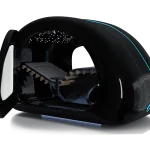
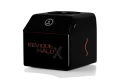
Для домашних пользователей с ранней и средней стадией андрогенетической алопеции (АГА) разумным вложением средств является лазерная шапочка, одобренная FDA, или качественная панель красного света, если их использовать в течение 16-26 недель. Для клиник, рассматривающих терапию красным светом как услугу, профессиональное оборудование обеспечивает более высокую интенсивность излучения и предсказуемую дозировку для более широкой клиентской базы. В статье «Терапия красным светом для лица: наука об омоложении и восстановлении кожи» рассматривается применение терапии красным светом для кожи с тем же научно обоснованным подходом. Для многокомпонентных оздоровительных программ, сочетающих красный свет с другими методами восстановления, см. Капсула долголетия Revique HaloX, Этот метод сочетает красный свет с инфракрасным излучением и ароматерапией и предназначен для коммерческих оздоровительных центров. Перед началом любого лечения выпадения волос всегда консультируйтесь с квалифицированным дерматологом или другим медицинским работником.


