










العلاج بالضوء الأحمر لنمو الشعر: الآلية، الأدلة، المعدات
هل يُحفز العلاج بالضوء الأحمر نمو الشعر؟ نعم، لعلاج تساقط الشعر النمطي. تُشير العديد من التجارب السريرية العشوائية المضبوطة إلى تحسن ملحوظ في كثافة الشعر مقارنةً بالأجهزة الوهمية لدى الرجال والنساء المصابين بالثعلبة الأندروجينية. تتراوح الزيادة المُبلغ عنها عادةً بين 15 و351 نقطة في كثافة الشعر في مختلف الدراسات، مع العلم أن النتائج الفردية تختلف اختلافًا كبيرًا باختلاف مواصفات الجهاز، والطول الموجي، والجرعة، والالتزام بالجلسات، وسبب تساقط الشعر. تُعد الأدلة الداعمة لهذا العلاج أقوى من معظم علاجات تساقط الشعر غير الدوائية، إلا أن العلاج بالضوء الأحمر لنمو الشعر لا يُجدي نفعًا إلا مع أنواع مُحددة من تساقط الشعر، كما أن استمرار النتائج على مدى أشهر أمرٌ لا غنى عنه. هذا تقرير من فريق الاستشارات الطبية والهندسية في شركة Vacuactivus حول آلية عمل هذا العلاج، والأدلة الداعمة له، ومعداته، اعتبارًا من يونيو 2026.
أشارت مراجعاتٌ خضعت لمراجعة الأقران في عامي 2025 و2026، والتي تناولت تطبيقات العلاج بالضوء الأحمر في طب الأمراض الجلدية، إلى أن نمو الشعر يُعدّ أحد المجالات الرئيسية التي تحظى بأقوى قاعدة أدلة. وقد أكدت مراجعاتٌ توافقية حديثة فعالية العلاج بالضوء الأحمر في علاج تساقط الشعر النمطي، وذلك استنادًا إلى أعلى مستوى من الأدلة المتاحة لتطبيقات التعديل الحيوي الضوئي. يخترق نطاق الطول الموجي 630-670 نانومتر (النطاق العلاجي الأساسي لتحفيز بصيلات الشعر) فروة الرأس بعمقٍ كافٍ للوصول إلى الحليمة الجلدية في قاعدة البصيلة، حيث تمتص الميتوكوندريا الضوء وتعزز إنتاج الطاقة الخلوية - وهي الآلية الموضحة بالتفصيل أدناه. وقد حصلت العديد من أجهزة العلاج بالليزر منخفض المستوى (LLLT) على موافقة إدارة الغذاء والدواء الأمريكية (FDA) لعلاج الصلع الوراثي تحديدًا (موافقة إدارة الغذاء والدواء، وليس اعتمادها؛ فهذه حالات تنظيمية مختلفة).
هذا الدليل موجه لفئتين: الأفراد الذين يبحثون عن العلاج بالضوء الأحمر لتحفيز نمو الشعر كخيار علاجي شخصي، وأصحاب العيادات الذين يقيّمون أجهزة الضوء الأحمر لتقديم خدماتهم الاحترافية. يُركز الدليل على الأدلة العلمية أولاً: ما يُجدي نفعاً، وما لا يُجدي، وما يُمكن توقعه خلال الأسابيع والأشهر. إذا كان هدفك هو الحصول على تأكيد سريع بأن جهاز $300 سيُعيد إنبات فروة رأس صلعاء تماماً في ستة أسابيع، فسيخيب ظنك بهذا الدليل. أما إذا كنت تبحث عن أدلة موثوقة وتوقعات واقعية، فتابع القراءة. للاطلاع على سياق أوسع في مجال تحسين الصحة، وتحديداً مكانة العلاج بالضوء الأحمر المُخصص للشعر ضمن فئة تحسين الصحة العامة، انظر ما هو الاختراق البيولوجي؟ دليل شامل لتحسين الأداء والذي يغطي إطار مجموعة الصحة والعافية على مستوى الأعمدة.
هل العلاج بالضوء الأحمر يساعد فعلاً على نمو الشعر؟
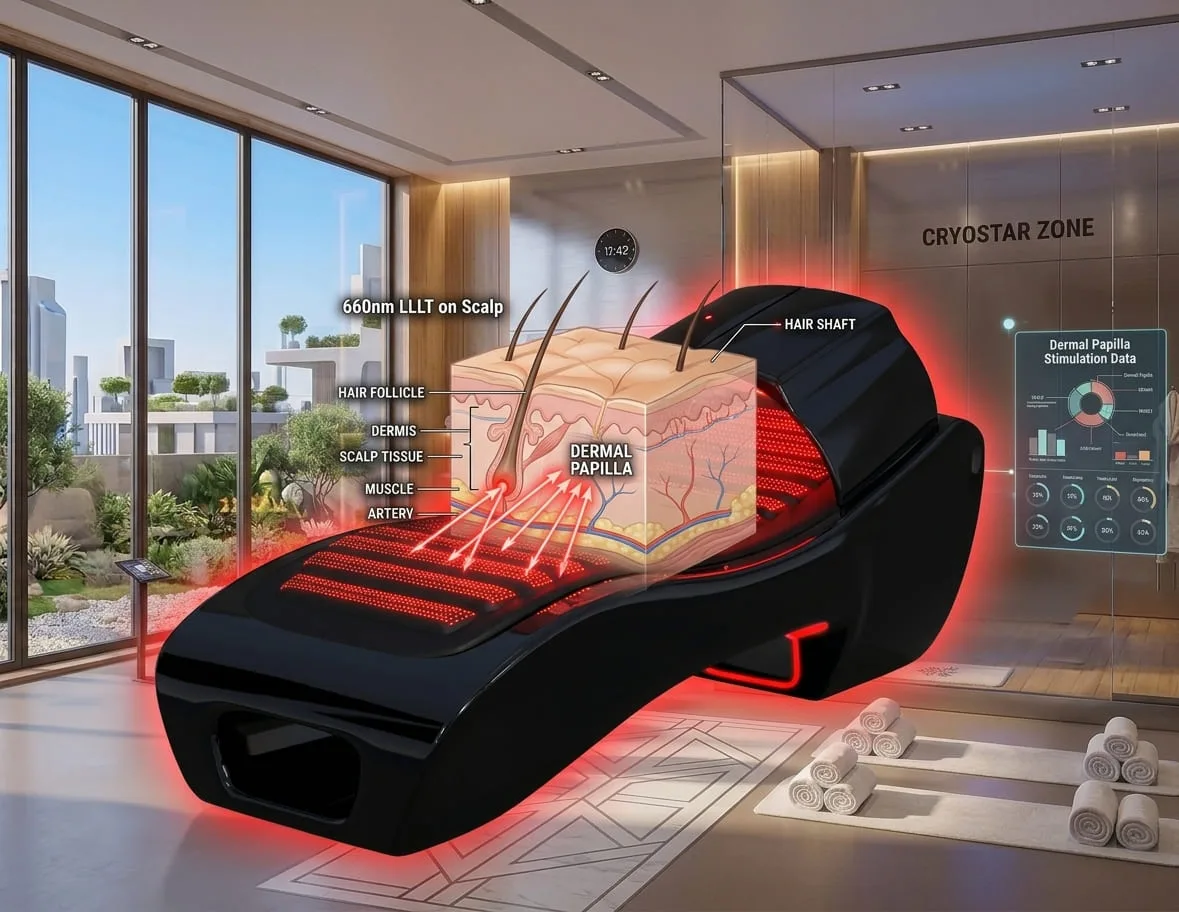
نعم، لعلاج تساقط الشعر النمطي. الأدلة المستمدة من التجارب السريرية العشوائية متسقة بما يكفي بحيث تُصنّف مراجعات أطباء الجلد المُحكّمة والعديد من المراجعات الصناعية لعامي 2025-2026 نمو الشعر الناتج عن العلاج بالضوء الأحمر كتدخل مدعوم بالأدلة وليس مجرد اتجاه تجريبي. إن التحسينات الملحوظة في كثافة الشعر مقارنةً بالأجهزة الوهمية، والتي تم الإبلاغ عنها في الدراسات، هي تأثيرات حقيقية ذات دلالة إحصائية (مع اختلاف نطاقات الزيادة المُبلغ عنها باختلاف الجهاز والطول الموجي والجرعة والالتزام بالجلسات).
يعود الأصل التاريخي لهذا التطبيق إلى اكتشاف إندري ميستر العرضي عام ١٩٦٧، عندما لاحظ أن الفئران المعرضة لإشعاع ليزر منخفض المستوى ينمو شعرها أسرع من الفئران الضابطة. وقد أدى هذا الاكتشاف الموفق إلى إطلاق عقود من أبحاث التعديل الحيوي الضوئي، ولا يزال تجديد الشعر من بين أكثر التطبيقات السريرية فعالية. وتؤكد مراجعات توافقية حديثة، جُمعت من تجارب سريرية عشوائية متعددة، أن تساقط الشعر النمطي (الصلع الوراثي عند الذكور والإناث) يستجيب بشكل ملحوظ للعلاج بالضوء الأحمر عند تطبيقه باستمرار لمدة ١٦-٢٦ أسبوعًا. قارن هذا الإطار القائم على الأدلة مع دليل "فوائد العلاج بالضوء الأحمر المدعومة بالدراسات، لا بالدعاية" الذي يغطي تطبيقات متعددة تتجاوز الشعر.
الآلية: كيف يحفز الضوء الأحمر بصيلات الشعر
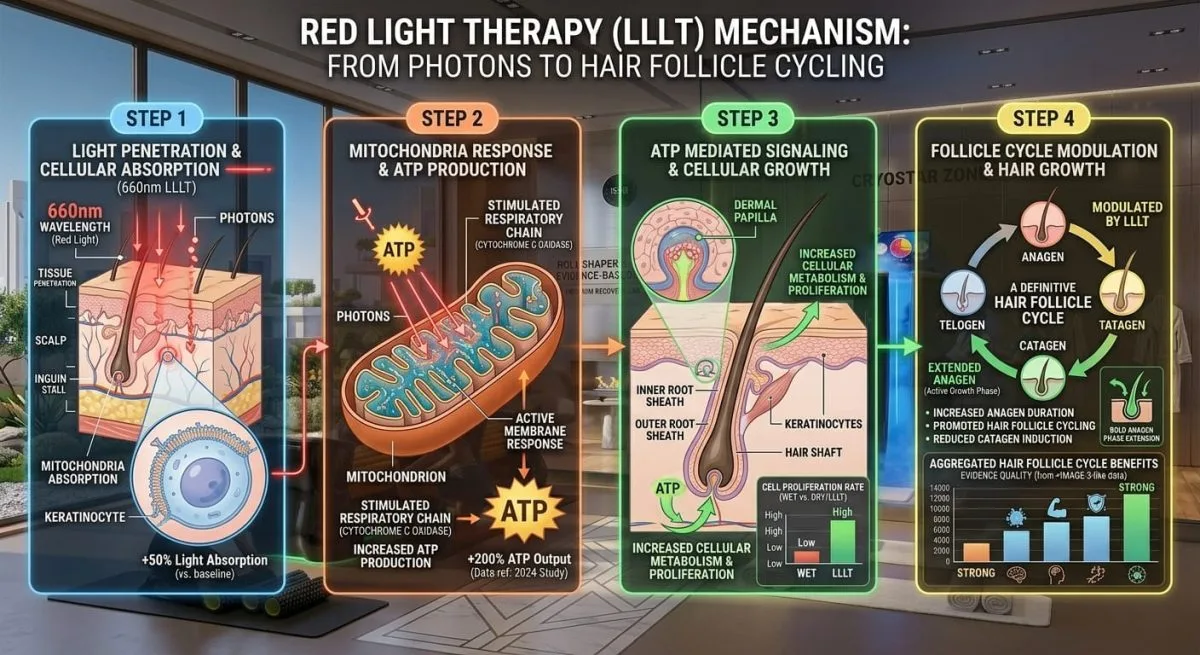
الآلية معروفة جيدًا. يخترق الضوء الأحمر في نطاق 630-670 نانومتر (النطاق العلاجي الأساسي لبصيلات الشعر) فروة الرأس إلى عمق عدة ملليمترات، ليصل إلى خلايا الحليمة الجلدية في قاعدة بصيلة الشعر. تحتوي الميتوكوندريا داخل هذه الخلايا على إنزيم سيتوكروم سي أوكسيداز، وهو إنزيم يمتص الضوء الأحمر في هذا النطاق الموجي. عندما يمتص الإنزيم الضوء، فإنه يُسرّع سلسلة نقل الإلكترون، مما يُنتج كمية أكبر من الأدينوسين ثلاثي الفوسفات (ATP)، وهو عملة الطاقة الخلوية، مقارنةً بالمستوى الطبيعي.
يؤدي ازدياد توافر الأدينوسين ثلاثي الفوسفات (ATP) إلى تحفيز خلايا الحليمة الجلدية على التكاثر بوتيرة أسرع. وينتج عن ذلك تأثيران لاحقان يحولان هذه الزيادة في طاقة الخلايا إلى نمو ملحوظ للشعر. أولًا، يُطلق التعرض للضوء أكسيد النيتريك (NO) من إنزيم سيتوكروم سي أوكسيداز؛ وهو جزيء إشاري يُحسّن تدفق الدم الموضعي إلى البصيلة. ثانيًا، تُنشّط الطاقة الخلوية المتزايدة مكونات مسار إشارات Wnt، وتحديدًا WNT3 وWNT10B، وفقًا لدراسة تسلسل الحمض النووي الريبوزي (RNA Seq) لبصيلات فروة الرأس البشرية لعام 2021. تُعيد إشارات Wnt البصيلات الخاملة (مرحلة التيلوجين) إلى مرحلة النمو النشطة (مرحلة الأناجين). والنتيجة النهائية: نمو عدد أكبر من البصيلات في وقت واحد، مما يُنتج شعرًا نهائيًا أكثر كثافة بدلًا من الشعر الزغبي المصغر الذي يميز تساقط الشعر النمطي.
للقراء الراغبين في التعمق أكثر في علم الأطوال الموجية عبر التطبيقات المختلفة،, لوحة العلاج بالضوء الأحمر: كيف تعمل أطوال الموجات 660 نانومتر و850 نانومتر على شفاء الأنسجة يُغطي هذا البحث الآلية بدقة أعلى، بما في ذلك التفاعل بين الضوء الأحمر المرئي (630-670 نانومتر، وهو الهدف الرئيسي لبصيلات الشعر) والأشعة تحت الحمراء القريبة (830-850 نانومتر، والتي تخترق الأنسجة بشكل أعمق لتطبيقات العضلات والمفاصل بدلاً من استهداف بصيلات الشعر تحديدًا). للاطلاع على تطبيق مماثل لنفس نطاق الطول الموجي 630-670 نانومتر مدعوم بأدلة قوية، يُرجى مراجعة "العلاج بالضوء الأحمر لتخفيف الألم"، والذي يشترك في نفس آلية سيتوكروم سي أوكسيداز المطبقة على أهداف الجهاز العضلي الهيكلي.
ما تُظهره الأدلة السريرية
تُظهر بيانات التجارب المعشاة ذات الشواهد، التي أُجريت على مدى عدة تجارب استمرت من 16 إلى 26 أسبوعًا، تحسنًا ذا دلالة إحصائية في كثافة الشعر مقارنةً بالأجهزة الوهمية (البلاسيبو). يلخص الجدول أدناه جودة الأدلة من خلال أنواع المصادر والدراسات التمثيلية، مع تحديد نطاقات زيادة الكثافة عمدًا لتوضيح ما تم الإبلاغ عنه وليس كآثار علاجية شاملة.
| نوع الدراسة / المصدر | الطول الموجي | زيادة الكثافة مقابل الزرع الوهمي (النطاق المُبلغ عنه) | مدة | سكان |
|---|---|---|---|---|
| ملخصات التجارب المعشاة ذات الشواهد (مراجعات تمت مراجعتها من قبل النظراء 2025-2026) | 630-670 نانومتر | تحسن ملحوظ في الكثافة (تختلف النطاقات المبلغ عنها حسب الجهاز ومدى الالتزام) | 16-26 أسبوعًا | الرجال والنساء المصابون بالصلع الوراثي |
| تجارب العلاج بالليزر منخفض المستوى المعتمدة من إدارة الغذاء والدواء الأمريكية (أجهزة متعددة) | نطاق 630-670 نانومتر (النطاق العلاجي الأساسي) | تحسينات ذات دلالة إحصائية في عدد الشعر النهائي | 16-26 أسبوعًا | تساقط الشعر النمطي عند الرجال والنساء |
| بروتوكولات العلاج بالليزر منخفض المستوى مسجلة على موقع ClinicalTrials.gov لعلاج داء الثعلبة الأندروجينية. | نموذجي 630-680 نانومتر | مقارنة ذات دلالة إحصائية مع العلاج الوهمي وفقًا لمقاييس النتائج المسجلة (تحقق من البروتوكولات المسجلة الحالية مباشرة على موقع clinicaltrials.gov) | عادةً ما تتراوح فترة الحمل بين 16 و 24 أسبوعًا | مشاركين في جمعية الزراعة الأمريكية |
| تسلسل الحمض النووي الريبوزي (RNA Seq) لبصيلات فروة الرأس البشرية (2021) | 650 نانومتر | تم تأكيد تحفيز طور النمو على مستوى التعبير الجيني | دراسة مخبرية | بصيلات بشرية مستنبتة |
| تجربة علاجية مركبة (علاج بالضوء الأحمر + مينوكسيديل، لمدة 6 أشهر) | 660 نانومتر ضمن نطاق 630-670 نانومتر + مينوكسيديل | استمرار النمو بعد مرحلة الثبات الناتجة عن استخدام المينوكسيديل وحده | ستة أشهر | مشاركين في جمعية الزراعة الأمريكية |
| مراجعات توافق الآراء لعام 2025 (متعددة) | 630-670 نانومتر أساسي | تم تأكيد تساقط الشعر النمطي بأعلى مستوى من الأدلة المتاحة لتطبيقات التعديل الحيوي الضوئي | توليف متعدد الدراسات | مجموعات مرضى الصلع الوراثي عبر التجارب |
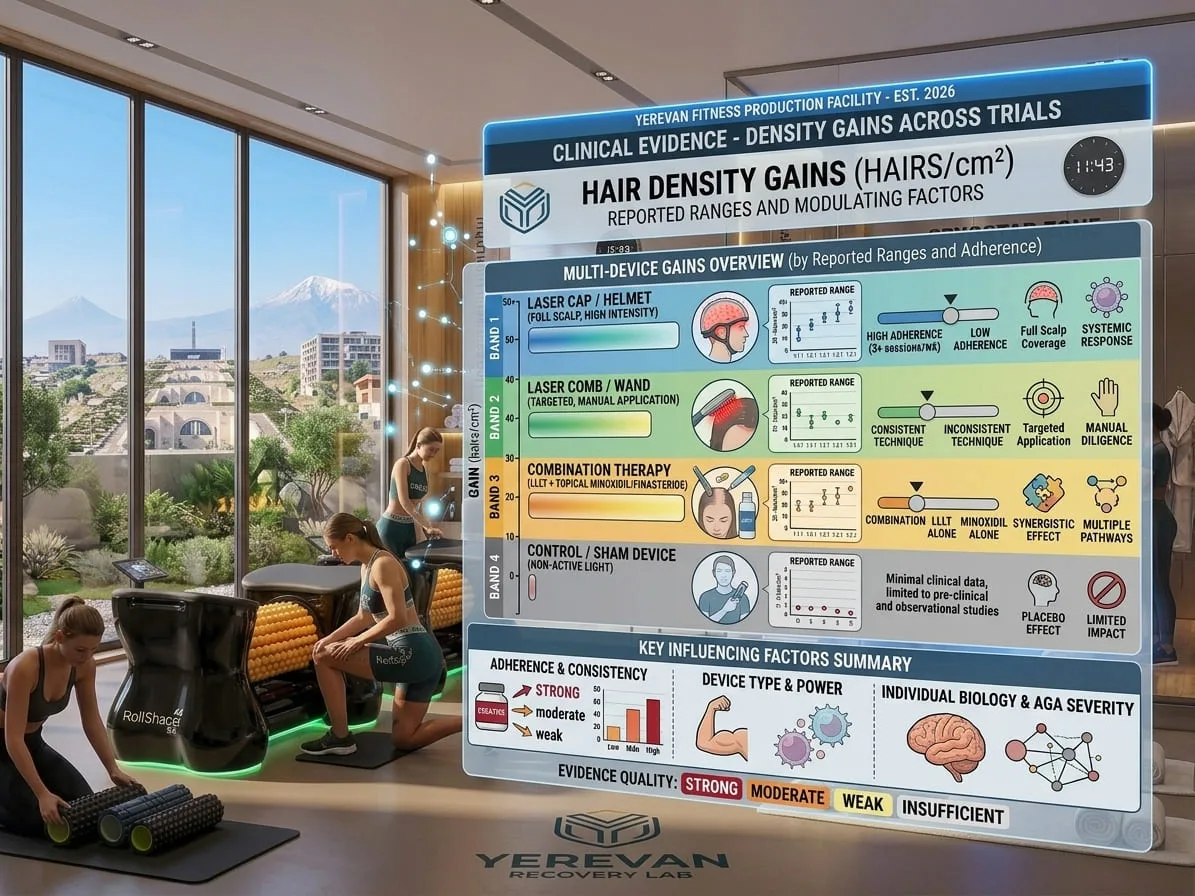
ظهرت أولى التحسينات ذات الدلالة الإحصائية في بعض التجارب بعد حوالي شهرين، ولكن هذه التغييرات المبكرة عادةً ما كانت ناتجة عن مجموعات العلاج المركب (الضوء الأحمر مع مينوكسيديل، على سبيل المثال). يتطلب العلاج بالضوء الأحمر وحده عادةً من ثلاثة إلى ستة أشهر من الاستخدام المنتظم قبل ظهور تحسن ملحوظ في كثافة الشعر. يُعد الانتظام عاملاً موثقاً في البيانات السريرية، حيث تُظهر البروتوكولات التي تتضمن جلسات متقطعة أو التزاماً جزئياً تأثيرات أضعف أو معدومة. وقد أجازت إدارة الغذاء والدواء الأمريكية (FDA) العديد من أجهزة العلاج بالليزر منخفض المستوى (LLLT) خصيصاً لعلاج تساقط الشعر الوراثي بناءً على هذه الأدلة؛ وينطبق هذا الإجازة على أجهزة محددة، وليس على العلاج بالضوء الأحمر كفئة عامة. ينبغي التعامل مع نطاقات زيادة الكثافة الشائعة في الأدبيات الصناعية (والتي غالباً ما يتم الإبلاغ عنها بحوالي 15-35% عبر الدراسات لأجهزة LLLT في مجموعات مرضى تساقط الشعر الوراثي) على أنها توضح توزيع حجم التأثير المُبلغ عنه، وليست نتائج فردية مضمونة؛ إذ تختلف النتائج اختلافاً كبيراً باختلاف سبب تساقط الشعر، ومواصفات الجهاز، والالتزام بالجلسات، والطول الموجي، والجرعة، والمدة.
لمن يُناسب العلاج بالضوء الأحمر (ولمن لا يُناسب)
يُعدّ تقسيم الجمهور المستهدف بدقة أمرًا بالغ الأهمية، لأنّ العلاج بالضوء الأحمر ليس فعالًا للجميع. تعكس خصائص المرشحين أدناه أقوى وأضعف أنماط الاستجابة الموثقة في التجارب السريرية. ينبغي على الأفراد الذين يعانون من تساقط الشعر استشارة طبيب جلدية مؤهل لتشخيص حالتهم بدقة قبل اختيار طريقة العلاج، إذ يؤثر السبب الكامن بشكل كبير على التدخلات المناسبة.
أفضل المرشحين: المصابون بالثعلبة الأندروجينية المبكرة إلى المتوسطة لدى الرجال والنساء. ترقق الشعر حيث تقلصت بصيلات الشعر ولكنها لم تُفقد بالكامل بعد. دورة نمو الشعر النشطة لا تزال قائمة. المرضى الراغبون في الالتزام باستخدام منتظم لمدة 16-26 أسبوعًا قبل تقييم النتائج. المستجيبون المتوقعون بناءً على بيانات الدراسة: البالغون من 20 إلى 60 عامًا المصابون بتساقط الشعر النمطي ذي المنشأ الوراثي، وفقدان كثافة الشعر في نطاق 15-40% عن خط الأساس (مقياس نوروود من الثاني إلى الرابع لدى الرجال، ومقياس لودفيج من الأول إلى الثاني لدى النساء).
الحالات الأقل قابلية للتنبؤ أو غير المناسبة للعلاج: تساقط الشعر النمطي المتقدم (مرحلة نوروود الخامسة وما فوق لدى الرجال) حيث يصل تصغير بصيلات الشعر إلى حد فقدانها؛ داء الثعلبة الندبي (الندبي) حيث تُدمر البصيلة بدلاً من أن تبقى خاملة؛ تساقط الشعر الناتج عن حالات طبية (مثل خلل الغدة الدرقية، نقص الحديد، الآثار الجانبية للأدوية) وليس عن عوامل وراثية؛ داء الثعلبة البقعية (المناعي الذاتي) حيث تختلف الآلية. لن يُعيد العلاج بالضوء الأحمر إنبات فروة رأس صلعاء تمامًا لأنه يُحفز البصيلات الموجودة بدلاً من إنشاء بصيلات جديدة. عادةً ما تكون حالات تساقط الشعر النمطي المتقدم مرشحة بشكل أفضل للتدخل الطبي (مثل فيناسترايد أو دوتاسترايد) أو التدخل الجراحي (زراعة الشعر) كعلاج أولي. يُمكن أن يُكمل الضوء الأحمر هذه الأساليب ولكنه لا يُغني عنها في الحالات المتقدمة. استشر طبيب جلدية مؤهلًا أو مقدم رعاية صحية قبل البدء بأي بروتوكول علاجي.
ما هو الطول الموجي والجرعة الأمثل؟
يُعدّ نطاق الضوء الأحمر ذو الطول الموجي 630-670 نانومتر النطاق العلاجي الأساسي لتحفيز فروة الرأس وبصيلات الشعر. يمتص هذا الطول الموجي بكفاءة عالية بواسطة إنزيم سيتوكروم سي أوكسيداز في الميتوكوندريا، ويخترق بعمق كافٍ للوصول إلى الحليمة الجلدية في قاعدة البصيلة. أما الأطوال الموجية الأقصر من 600 نانومتر (الأصفر والأخضر) فلا تخترق بعمق كافٍ. بينما تخترق الأطوال الموجية في نطاق الأشعة تحت الحمراء القريبة (800-900 نانومتر) بعمق أكبر، إلا أنها تُمتص بكفاءة أقل بواسطة إنزيم الميتوكوندريا المحدد الأكثر أهمية لنمو الشعر؛ لذا تُعدّ الأشعة تحت الحمراء القريبة أكثر ملاءمة لتطبيقات الجهاز العضلي الهيكلي والأنسجة العميقة من استهداف بصيلات الشعر.
تُعدّ شدة الإشعاع (المقاسة بوحدة ملي واط/سم²) عاملاً مهماً، وتختلف اختلافاً كبيراً بين فئات الأجهزة. تُصدر الأجهزة الاحترافية المستخدمة في العيادات عادةً ما بين 30 و100 ملي واط/سم² أو أكثر على سطح فروة الرأس، مما يسمح بجرعات فعّالة في جلسات تتراوح مدتها بين 10 و20 دقيقة. أما قبعات الليزر المنزلية، فتُصدر عادةً ما بين 5 و15 ملي واط/سم²، مما يتطلب جلسات أطول (20-30 دقيقة) لتحقيق جرعة مكافئة. وتُصدر ألواح الضوء الأحمر المنزلية إشعاعاً متغيراً للغاية اعتماداً على الوضعية والمسافة - فالقرب يعني شدة إشعاع أعلى ولكن تغطية أقل لفروة الرأس. وقد أُجريت الجلسات في التجارب السريرية الناجحة كل يومين أو عدة مرات في الأسبوع، لمدة تتراوح بين 15 و30 دقيقة. ويُعدّ الانتظام أهم من شدة الإشعاع: فالجلسات الفائتة تُضعف النتائج بشكل كبير وفقاً للبيانات السريرية.
المعدات: أغطية الليزر، والألواح، والأجهزة المستخدمة في العيادات
تهيمن ثلاث فئات من المعدات على سوق العلاج بالضوء الأحمر لنمو الشعر. ولكل فئة منها مزايا وعيوب مختلفة فيما يتعلق بشدة الإشعاع، والتغطية، وسهولة الاستخدام، والتكلفة.
قبعات وخوذات الليزر
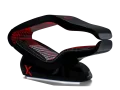
تُعدّ أغطية الليزر الخيار الأمثل للاستخدام المنزلي، فهي مصممة خصيصًا لتغطية فروة الرأس. تتوفر خيارات متعددة معتمدة من إدارة الغذاء والدواء الأمريكية (من أبرزها iRestore وCapillus وHairMax وTheradome). يضمن تصميم القبعة تغطية متساوية لفروة الرأس دون الحاجة إلى حمل الجهاز أو تثبيته. عادةً ما تكون شدة الإشعاع أقل من الأجهزة الاحترافية (5-15 ميلي واط/سم²)، وهو ما يُعوَّض بمدة جلسات أطول (20-30 دقيقة) وسهولة الاستخدام دون الحاجة إلى استخدام اليدين أثناء القيام بأنشطة أخرى. التكلفة: من $300 إلى $3000 حسب عدد الثنائيات ومنطقة التغطية. الأنسب: للمستخدمين المنزليين الذين يعانون من تساقط الشعر الوراثي المبكر إلى المتوسط والذين يُعطون الأولوية للراحة وملتزمون بالاستخدام المنتظم لمدة 16-26 أسبوعًا. يُرجى التحقق من اعتماد إدارة الغذاء والدواء الأمريكية للجهاز مباشرةً من الشركة المصنعة قبل الشراء؛ حيث أن الاعتماد خاص بالجهاز وليس شاملًا للفئة.
لوحات الإضاءة الحمراء
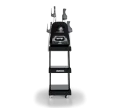
تُستخدم ألواح الضوء الأحمر في تطبيقات متعددة تتجاوز علاج الشعر (كالبشرة، واستشفاء العضلات، والتعديل الحيوي الضوئي العام)، وغالبًا ما تُنتج إشعاعًا أعلى من قبعات الليزر بتكلفة مماثلة أو أقل. لكن يكمن التحدي في وضعية الجهاز: إذ يجب على المستخدمين تثبيت اللوح على مسافة ثابتة من فروة الرأس، وتختلف التغطية باختلاف حجم اللوح واتجاهه. يُعد هذا الجهاز الخيار الأمثل للمستخدمين الذين يستخدمون بالفعل العلاج بالضوء الأحمر لتطبيقات أخرى (كالبشرة، والاستشفاء) ويرغبون في إضافة علاج الشعر كاستخدام ثانوي. أفضل علاج بالضوء الأحمر للاستخدام المنزلي في عام 2026: لماذا يختار المحترفون المعدات الاحترافية تتناول المقالة المشار إليها فئة الألواح المنزلية بالتفصيل، وتقارن المواصفات عبر الخيارات الرائدة.
الأجهزة الطبية الاحترافية داخل العيادة
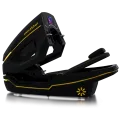
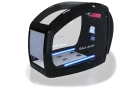
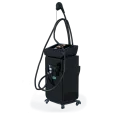
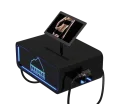
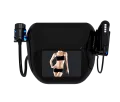
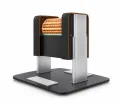
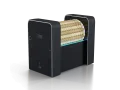
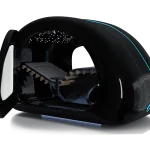
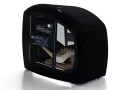
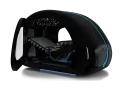
توفر الأجهزة المستخدمة في العيادات أعلى مستويات الإشعاع (30-100+ ميلي واط/سم² على فروة الرأس)، مما يتيح جلسات أقصر (10-20 دقيقة) بجرعات محددة. تُصنّع شركة Vacuactivus ألواحًا وأسرّةً للعلاج بالضوء الأحمر ذات جودة تجارية، تُستخدم في عيادات الأمراض الجلدية ومراكز العافية وعيادات علاج تساقط الشعر المتخصصة. يدعم هذا الجهاز بروتوكولات علاج الشعر (علاج مخصص لفروة الرأس) وعروض الخدمات متعددة الوسائط، حيث يُعدّ الشعر أحد تطبيقات العلاج بالضوء الأحمر. يُناسب هذا الجهاز العيادات التي تُقدّم خدمات علاج الشعر بالضوء الأحمر كجزء من برنامج شامل للتعافي أو الأمراض الجلدية أو العافية. اكتشف المزيد ألواح العلاج بالضوء الأحمر للاطلاع على الخيارات التجارية ذات المواصفات المناسبة للاستخدام في العيادات. أما بالنسبة للعيادات التي تجمع بين العلاج بالضوء الأحمر والعلاج بالتبريد في خدمة تعافي واحدة، فيُرجى مراجعة قسم "العلاج بالضوء الأحمر والعلاج بالتبريد" الذي يتناول اقتصاديات التعافي باستخدام أساليب علاجية متعددة.
العلاج بالضوء الأحمر مقابل المينوكسيديل والعلاجات الأخرى
يُفضّل اعتبار العلاج بالضوء الأحمر علاجًا مكملاً للعلاجات الطبية، وليس بديلاً عنها، في معظم حالات تساقط الشعر النمطي. يُطيل المينوكسيديل (الموضعي، يُصرف بدون وصفة طبية) مرحلة نمو الشعر (طور التنامي) في دورة بصيلات الشعر، وهو العلاج الأكثر دراسةً لتساقط الشعر الذي يُصرف بدون وصفة طبية. أما الفيناسترايد والدوتاسترايد (الجهازيان، يُصرفان بوصفة طبية) فيُقللان من تصغير بصيلات الشعر الناتج عن هرمون ديهيدروتستوستيرون. يعمل العلاج بالضوء الأحمر عبر آلية مختلفة تمامًا (إنتاج الطاقة في الميتوكوندريا وتفعيل إشارات Wnt)، مما يجعل بروتوكولات العلاج المُدمجة ذات تأثير تآزري من الناحية الآلية.
أظهرت تجربة سريرية استمرت ستة أشهر أن فعالية المينوكسيديل وحده بدأت تستقر بعد ستة أشهر تقريبًا، بينما حافظت المجموعة التي تلقت العلاج المركب (المينوكسيديل مع العلاج بالضوء الأحمر) على معدل نمو الشعر لفترة أطول. يتميز هذا العلاج المركب بتحمله الجيد (كلاهما لا يؤثر على الجسم بشكل عام)، ويوصي أطباء الجلدية بشكل متزايد ببروتوكولات العلاج المركب لحالات تساقط الشعر النمطي التي يرغب فيها المريض باتباع نهج شامل. يمكن استخدام الضوء الأحمر وحده كبديل للمينوكسيديل في الحالات التي لا يتحمل فيها المستخدمون الأدوية الموضعية (يُعد تهيج فروة الرأس أحد الآثار الجانبية الشائعة للمينوكسيديل)، ولكن الأدلة العلمية تدعم بروتوكولات العلاج المركب بشكل أقوى من تلك التي تدعم العلاج بالضوء الأحمر وحده. استشر طبيب جلدية مؤهلًا أو مقدم رعاية صحية قبل الجمع بين العلاجات، خاصةً إذا كنت تتناول أدوية بوصفة طبية.
الأسئلة الشائعة
س1. هل العلاج بالضوء الأحمر يساعد على نمو الشعر؟
نعم، لعلاج تساقط الشعر النمطي. تُظهر العديد من التجارب السريرية العشوائية المضبوطة أن العلاج بالضوء منخفض المستوى (LLLT) يُحسّن كثافة الشعر بشكل ملحوظ مقارنةً بالأجهزة الوهمية، حيث تتراوح الزيادة المُبلغ عنها في الكثافة عادةً بين 15 و351 ضعفًا في المتوسط في الدراسات المختلفة (تختلف النتائج الفردية بشكل كبير حسب الجهاز والطول الموجي والجرعة والالتزام بالجلسات). ويكون التأثير ثابتًا لدى كل من الرجال والنساء المصابين بالثعلبة الأندروجينية. وتُعد الأدلة أقوى من معظم علاجات تساقط الشعر غير الدوائية. ويُعطي هذا العلاج أفضل النتائج في حالات تساقط الشعر المبكرة إلى المتوسطة، ولن يُعيد إنبات الشعر في فروة رأس صلعاء تمامًا. يُنصح باستشارة طبيب جلدية مؤهل لتشخيص الحالة بدقة قبل اختيار طريقة العلاج.
س2. كم من الوقت يستغرق العلاج بالضوء الأحمر لنمو الشعر؟
تستغرق معظم التجارب السريرية من 16 إلى 26 أسبوعًا، ويستغرق التحسن الملحوظ الناتج عن العلاج بالضوء الأحمر وحده عادةً من ثلاثة إلى ستة أشهر من الاستخدام المنتظم. ظهرت أولى التغيرات ذات الدلالة الإحصائية في بعض التجارب بعد حوالي شهرين، ولكن عادةً فقط في مجموعات العلاج المركب. ينمو الشعر ببطء بطبيعته، لذا فإن الصبر والمواظبة أمران أساسيان؛ ولا ينعكس تفويت أسابيع من العلاج في البيانات السريرية.
س3. ما هو الطول الموجي للضوء الأحمر الأفضل لنمو الشعر؟
يُعدّ الضوء الأحمر في نطاق 630-670 نانومتر النطاق العلاجي الأساسي لنمو الشعر، لأنه يخترق فروة الرأس بعمق كافٍ للوصول إلى الحليمة الجلدية في قاعدة البصيلة. تمتص الميتوكوندريا (سيتوكروم سي أوكسيداز) هذا الطول الموجي، مما يحفز زيادة إنتاج الأدينوسين ثلاثي الفوسفات (ATP) الذي يدفع خلايا البصيلة إلى التكاثر. تعمل معظم أجهزة العلاج بالليزر منخفض المستوى (LLLT) المعتمدة من إدارة الغذاء والدواء الأمريكية ضمن هذا النطاق الأحمر. أما أطوال موجات الأشعة تحت الحمراء القريبة (800-900 نانومتر) فتخترق بشكل أعمق، ولكن امتصاصها من قِبل الإنزيم المحدد الأكثر أهمية لتحفيز بصيلات الشعر أقل كفاءة، لذا فهي أنسب لتطبيقات الجهاز العضلي الهيكلي من علاج الشعر تحديدًا.
س4. هل العلاج بالضوء الأحمر معتمد من إدارة الغذاء والدواء الأمريكية لعلاج تساقط الشعر؟
نعم، لقد أجازت إدارة الغذاء والدواء الأمريكية (FDA) العديد من أجهزة العلاج بالليزر منخفض المستوى (LLLT) لعلاج الصلع الوراثي (تساقط الشعر النمطي عند الرجال والنساء). ويعني إجازة إدارة الغذاء والدواء أن الجهاز قد أثبت سلامة وفعالية معقولة لهذا الاستخدام. يُرجى ملاحظة أن الإجازة تنطبق على أجهزة محددة، وليس على العلاج بالضوء الأحمر كفئة عامة، كما أن إجازة إدارة الغذاء والدواء تختلف عن موافقة إدارة الغذاء والدواء. تحقق من إجازة إدارة الغذاء والدواء الحالية للجهاز المحدد مباشرةً مع الشركة المصنعة قبل الشراء.
س5. هل العلاج بالضوء الأحمر فعال في علاج انحسار خط الشعر؟
قد يكون العلاج بالضوء الأحمر مفيدًا إذا كان انحسار خط الشعر ناتجًا عن الصلع الوراثي وكانت بصيلات الشعر لا تزال نشطة (مصغرة ولكنها لم تختفِ). يحفز هذا العلاج البصيلات الخاملة على العودة إلى مرحلة النمو، ولكنه لا يستطيع إنشاء بصيلات جديدة في المناطق التي فقدت بصيلات الشعر تمامًا. تكون النتائج أكثر قابلية للتنبؤ في حالات انحسار خط الشعر المبكرة إلى المتوسطة؛ أما المناطق المتقدمة أو التي بها ندوب، فتكون استجابتها ضعيفة. استشر طبيب جلدية للحصول على إرشادات فردية.
س6. كم مرة يجب أن أستخدم العلاج بالضوء الأحمر للشعر؟
استخدمت التجارب السريرية الناجحة الأجهزة يومًا بعد يوم أو عدة مرات في الأسبوع، واستغرقت الجلسات ما بين 15 و30 دقيقة. يُعدّ الانتظام العامل الأساسي؛ فقد تحققت النتائج السريرية من خلال الاستخدام المنتظم على مدى أشهر، وليس من خلال جلسات متقطعة. لم يُثبت أن الاستخدام المتكرر خارج نطاق البروتوكولات المدروسة يُسرّع النتائج، بل قد يكون غير ضروري.
س7. هل العلاج بالضوء الأحمر أفضل من المينوكسيديل للشعر؟
تختلف آليات عملهما، وغالبًا ما يكون الجمع بينهما أكثر فعالية. المينوكسيديل دواء موضعي يُطيل مرحلة نمو الشعر، بينما العلاج بالضوء الأحمر علاج غير دوائي يُحفز إنتاج الطاقة في بصيلات الشعر. أظهرت تجربة استمرت ستة أشهر أن نمو الشعر الناتج عن استخدام المينوكسيديل وحده بدأ يستقر بعد ستة أشهر تقريبًا، بينما حافظت المجموعة التي تلقت العلاج المزدوج على معدل نموها لفترة أطول. يُنصح بالنظر إلى العلاج بالضوء الأحمر كعلاج مُكمّل وليس بديلاً مضمونًا للعلاجات الأخرى.
س8. هل يمكن للعلاج بالضوء الأحمر أن يعيد نمو الشعر في بقعة صلعاء؟
عمومًا، لا، إذا كانت المنطقة صلعاء تمامًا بدون أي بصيلات شعر نشطة. يُحفز العلاج بالضوء الأحمر البصيلات الموجودة، سواءً كانت خاملة أو متضائلة؛ ولكنه لا يستطيع تجديد البصيلات التي فُقدت بالكامل. أما في المناطق التي لا تزال تحتوي على بعض البصيلات (مثل مرحلة ترقق الشعر المبكرة وليس الصلع الكامل)، فيمكنه تحسين كثافة الشعر. في حالة فروة الرأس الصلعاء تمامًا، تُعد الخيارات الأخرى، مثل زراعة الشعر، أكثر ملاءمة.
خاتمة
يُعدّ العلاج بالضوء الأحمر لتحفيز نمو الشعر تدخلاً فعالاً ومدعوماً بالأدلة لعلاج تساقط الشعر النمطي لدى الأشخاص المناسبين. آلية عمله معروفة جيداً (يصل الضوء بطول موجي 630-670 نانومتر إلى ميتوكوندريا الحليمة الجلدية، مما يزيد من إنتاج الأدينوسين ثلاثي الفوسفات (ATP)، وينشط مسار إشارات Wnt، وينقل بصيلات الشعر من مرحلة الراحة (Telogen) إلى مرحلة النمو (Anagen)). تُظهر الأدلة المستقاة من التجارب السريرية العشوائية تحسناً ملحوظاً في كثافة الشعر مقارنةً بالأجهزة الوهمية خلال تجارب استمرت من 16 إلى 26 أسبوعاً، حيث تتراوح الزيادة المُبلغ عنها في الكثافة عادةً بين 15 و351 ضعفاً (TP3T) لأجهزة العلاج بالليزر منخفض المستوى (LLLT) لدى المصابين بالصلع الوراثي (تختلف النتائج الفردية باختلاف الجهاز والطول الموجي والجرعة والالتزام بالعلاج). تدعم أقوى البيانات فعالية هذا العلاج في حالات الصلع الوراثي المبكر إلى المتوسط. أما عيوبه، فهي أنه لا يُعيد إنبات الشعر في فروة رأس صلعاء تماماً، وتستغرق النتائج من ثلاثة إلى ستة أشهر على الأقل، كما أن الانتظام في العلاج عاملٌ مؤثر في نتائج التجارب.
بالنسبة للمستخدمين المنزليين الذين يعانون من تساقط الشعر الوراثي المبكر إلى المتوسط، يُعدّ اقتناء قبعة ليزر معتمدة من إدارة الغذاء والدواء الأمريكية أو لوحة ضوء أحمر عالية الجودة استثمارًا مناسبًا عند الالتزام بفترة علاج تتراوح بين 16 و26 أسبوعًا. أما بالنسبة للعيادات التي تُقيّم العلاج بالضوء الأحمر كخدمة، فإنّ المعدات الاحترافية تُوفّر إشعاعًا أعلى وجرعات قابلة للتنبؤ بها لشريحة أوسع من العملاء. للاطلاع على مقال "العلاج بالضوء الأحمر للوجه: علم مكافحة الشيخوخة وإصلاح البشرة"، يُمكنكم قراءة مقال مُصاحب يتناول العلاج بالضوء الأحمر لتطبيقات البشرة بنفس المنهجية القائمة على الأدلة. للاطلاع على تطبيقات العافية متعددة الوسائط التي تجمع بين الضوء الأحمر وطرائق التعافي الأخرى، يُرجى مراجعة كبسولة ريفيك هالوكس لإطالة العمر, يجمع هذا الجهاز بين الضوء الأحمر والأشعة تحت الحمراء والعلاج العطري، وهو مُصمم خصيصًا لمراكز العافية التجارية. يُنصح دائمًا باستشارة طبيب جلدية مؤهل أو مقدم رعاية صحية قبل البدء بأي علاج لتساقط الشعر.


