

















Rotlichttherapie zur Förderung des Haarwachstums: Wirkungsweise, wissenschaftliche Belege, Ausrüstung
Führt Rotlichttherapie zu Haarwachstum? Ja, bei erblich bedingtem Haarausfall. Mehrere randomisierte, kontrollierte Studien (RCTs) berichten von signifikanten Verbesserungen der Haardichte im Vergleich zu Placebo-Geräten bei Männern und Frauen mit androgenetischer Alopezie. Die berichteten Ergebnisse liegen in den meisten Studien zwischen 15 und 351 TP3T, wobei die individuellen Ergebnisse je nach Gerätespezifikationen, Wellenlänge, Dosis, Therapietreue und Ursache des Haarausfalls erheblich variieren. Die Evidenzbasis ist stärker als bei den meisten nicht-medikamentösen Behandlungen gegen Haarausfall, jedoch wirkt die Rotlichttherapie zur Förderung des Haarwachstums nur bei bestimmten Formen von Haarausfall, und eine regelmäßige Anwendung über Monate ist unerlässlich. Dies ist eine Bewertung des Wirkmechanismus, der Evidenz und der Geräte durch das medizinische Beratungs- und Entwicklungsteam von Vacuactivus (Stand: Juni 2026).
Peer-Review-Studien aus den Jahren 2025–2026 zu dermatologischen Anwendungen der Rotlichttherapie führen Haarwachstum als eines der wichtigsten Anwendungsgebiete mit der stärksten Evidenzbasis auf. Aktuelle Konsensstudien bestätigen die Wirksamkeit der Photobiomodulation bei erblich bedingtem Haarausfall auf höchstem Evidenzniveau. Der Wellenlängenbereich von 630–670 nm (das primäre therapeutische Band zur Stimulation der Haarfollikel) dringt tief genug in die Kopfhaut ein, um die dermale Papille an der Follikelbasis zu erreichen. Dort absorbieren die Mitochondrien das Licht und steigern die zelluläre Energieproduktion – der Mechanismus wird weiter unten detailliert erläutert. Mehrere Geräte für die Low-Level-Lasertherapie (LLLT) sind von der FDA speziell für androgenetische Alopezie zugelassen (FDA-Zulassung, nicht FDA-Approval; dies sind unterschiedliche regulatorische Status).
Dieser Leitfaden richtet sich an zwei Zielgruppen: Personen, die sich über Rotlichttherapie zur Förderung des Haarwachstums als persönliche Behandlungsoption informieren möchten, und Klinikbetreiber, die Rotlichtgeräte für ihre professionellen Dienstleistungen evaluieren. Der Fokus liegt auf Fakten: Was funktioniert, was nicht und was ist in Wochen und Monaten zu erwarten? Wenn Sie sich die Gewissheit erhoffen, dass ein $300-Gerät Ihre komplett kahle Kopfhaut innerhalb von sechs Wochen regeneriert, wird Sie dieser Leitfaden enttäuschen. Wenn Sie jedoch ehrliche Fakten und realistische Erwartungen wünschen, lesen Sie weiter. Einen umfassenderen Kontext zum Thema Biohacking und dessen Einordnung in die Kategorie der haarspezifischen Rotlichttherapie im Rahmen der Wellness-Optimierung finden Sie hier: Was ist Biohacking? Vollständiger Leitfaden zur Leistungsoptimierung die die Wellness-Stack-Struktur auf Säulenebene abdeckt.
Führt Rotlichttherapie tatsächlich zu Haarwachstum?
Ja, bei erblich bedingtem Haarausfall. Die Evidenzbasis randomisierter kontrollierter Studien (RCTs) ist so konsistent, dass dermatologische Fachzeitschriften und mehrere Branchenberichte aus den Jahren 2025–2026 die Rotlichttherapie zur Förderung des Haarwachstums als evidenzbasierte Intervention und nicht als experimentellen Trend einstufen. Die in Studien berichteten Verbesserungen der Haardichte im Vergleich zu Placebo-Geräten sind real und statistisch signifikant (wobei die berichteten Zuwächse je nach Gerät, Wellenlänge, Dosis und Therapietreue variieren).
Der historische Ursprung dieser Anwendung liegt in der zufälligen Entdeckung von Endre Mester im Jahr 1967. Er beobachtete, dass Mäuse, die einer Laserbestrahlung niedriger Intensität ausgesetzt waren, schneller Haare nachwachsen ließen als die Kontrollgruppe. Dieser zufällige Befund gab den Anstoß für jahrzehntelange Forschung zur Photobiomodulation, und die Haarregeneration zählt bis heute zu den wirksamsten klinischen Anwendungen. Aktuelle Konsensberichte, die mehrere randomisierte, kontrollierte Studien (RCTs) zusammenfassen, bestätigen, dass androgenetische Alopezie (AGA) bei Männern und Frauen messbar auf eine konsequente Rotlichttherapie über 16–26 Wochen anspricht. Vergleichen Sie diese evidenzbasierte Darstellung mit dem umfassenderen Leitfaden „Rotlichttherapie: Studienbelegt, nicht Hype“, der zahlreiche Anwendungsgebiete jenseits der Haartherapie aufzeigt.
Der Mechanismus: Wie rotes Licht die Follikel stimuliert
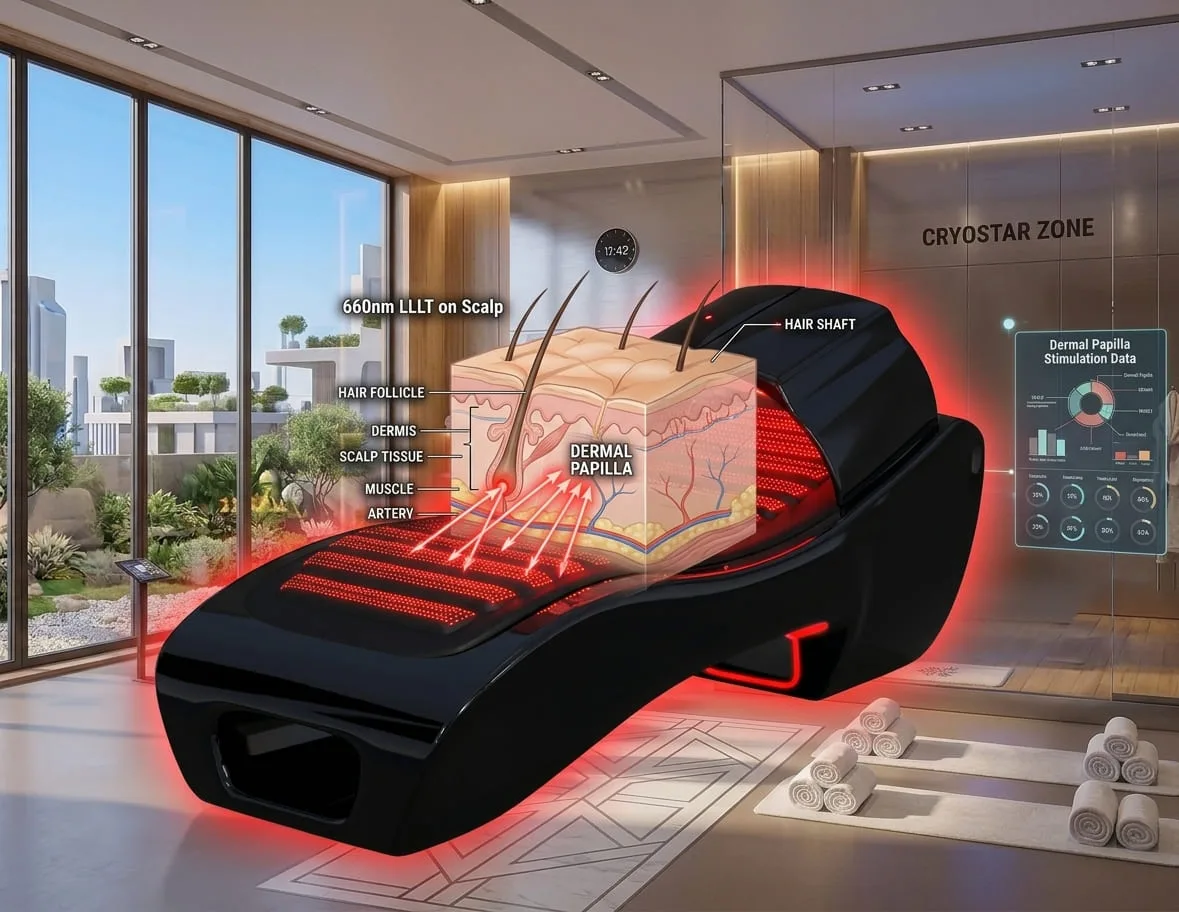
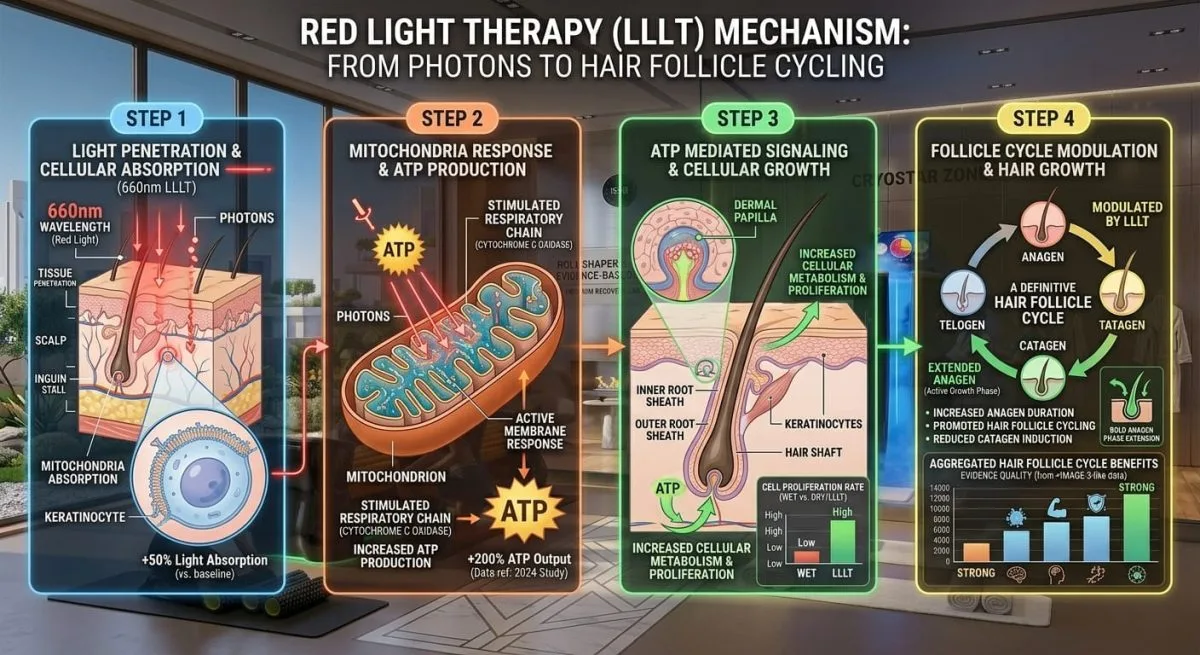
Der Mechanismus ist gut erforscht. Rotes Licht im Bereich von 630–670 nm (dem primären therapeutischen Bereich für Haarfollikel) dringt mehrere Millimeter tief in die Kopfhaut ein und erreicht die dermalen Papillenzellen an der Basis des Haarfollikels. Die Mitochondrien dieser Zellen enthalten Cytochrom-c-Oxidase, ein Enzym, das rotes Licht in diesem Wellenlängenbereich absorbiert. Durch die Absorption des Lichts beschleunigt das Enzym die Elektronentransportkette und produziert so mehr ATP (den zellulären Energieträger) als im Normalzustand.
Eine erhöhte ATP-Verfügbarkeit führt zu einer schnelleren Proliferation der dermalen Papillenzellen. Zwei Folgeeffekte wandeln diesen zellulären Energieschub in sichtbares Haarwachstum um. Erstens setzt die Lichtexposition Stickstoffmonoxid (NO) aus der Cytochrom-c-Oxidase frei; Stickstoffmonoxid ist ein Signalmolekül, das die lokale Durchblutung des Haarfollikels verbessert. Zweitens aktiviert die erhöhte zelluläre Energie Komponenten des Wnt-Signalwegs, insbesondere WNT3 und WNT10B (siehe RNA-Sequenzierungsstudie an menschlichen Kopfhautfollikeln aus dem Jahr 2021). Die Wnt-Signalgebung treibt ruhende (Telogen-)Follikel zurück in die aktive (Anagen-)Wachstumsphase. Das Ergebnis: Mehr Follikel produzieren gleichzeitig Haare, wodurch dickeres Terminalhaar anstelle des für erblich bedingten Haarausfall typischen, miniaturisierten Vellushaars entsteht.
Für Leser, die tiefer in die Wellenlängenwissenschaft und ihre vielfältigen Anwendungsbereiche eintauchen möchten, Rotlichttherapie-Panel: Wie Wellenlängen von 660 nm und 850 nm Gewebe heilen. Die vorliegende Arbeit beschreibt den Mechanismus detaillierter, einschließlich des Zusammenspiels zwischen sichtbarem Rotlicht (630–670 nm, primäres Zielgebiet Haarfollikel) und Nahinfrarotlicht (830–850 nm, tiefere Gewebepenetration für Anwendungen in Muskeln und Gelenken anstelle einer gezielten Behandlung von Haarfollikeln). Eine vergleichbare Anwendung des Wellenlängenbereichs von 630–670 nm mit überzeugenden Belegen findet sich in der Rotlichttherapie zur Schmerzlinderung, die denselben Cytochrom-c-Oxidase-Mechanismus nutzt, der auch bei muskuloskelettalen Zielgebieten Anwendung findet.
Was die klinischen Ergebnisse zeigen
Daten aus randomisierten kontrollierten Studien (RCTs) über 16–26 Wochen zeigen statistisch signifikante Verbesserungen der Hornhautdichte im Vergleich zu Placebo-Implantaten. Die folgende Tabelle fasst die Qualität der Evidenz aus repräsentativen Quellen und Studien zusammen. Die angegebenen Bereiche der Hornhautdichtezunahme dienen bewusst der Veranschaulichung der berichteten Ergebnisse und stellen keine allgemeingültigen Behandlungseffekte dar.
| Studientyp / Quelle | Wellenlänge | Dichtezuwachs vs. Scheinbehandlung (angegebener Bereich) | Dauer | Bevölkerung |
|---|---|---|---|---|
| Zusammenfassungen randomisierter kontrollierter Studien (peer-reviewte Reviews 2025-2026) | 630-670 nm | Signifikante Verbesserung der Blutdichte (die angegebenen Bereiche variieren je nach Gerät und Therapietreue) | 16-26 Wochen | Männer und Frauen mit AGA |
| FDA-zugelassene LLLT-Studien (mit mehreren Geräten) | 630-670 nm Bereich (primäres therapeutisches Band) | Statistisch signifikante Verbesserungen der Terminalhaarzahl | 16-26 Wochen | Haarausfallmuster bei Männern und Frauen |
| LLLT-Protokolle, die auf ClinicalTrials.gov für AGA registriert sind | 630-680 nm typisch | Statistisch signifikant im Vergleich zur Scheinbehandlung gemäß den registrierten Ergebnismessungen (bitte überprüfen Sie die aktuell registrierten Protokolle direkt auf clinicaltrials.gov). | 16-24 Wochen typisch | AGA-Teilnehmer |
| RNA-Sequenzierung menschlicher Kopfhautfollikel (2021) | 650 nm | Anageninduktion auf Ebene der Genexpression bestätigt. | In-vitro-Studie | Kultivierte menschliche Follikel |
| Kombinationsstudie (RLT + Minoxidil, 6 Monate) | 660 nm innerhalb des Bereichs 630–670 nm + Minoxidil | Anhaltendes Wachstum über das Minoxidil-Monotherapie-Plateau hinaus | 6 Monate | AGA-Teilnehmer |
| 2025 Konsensbewertungen (mehrere) | Primärbereich 630–670 nm | Musterhafter Haarausfall wurde auf dem höchsten verfügbaren Evidenzniveau für Photobiomodulationsanwendungen bestätigt. | Synthese mehrerer Studien | AGA-Kohorten in verschiedenen Studien |
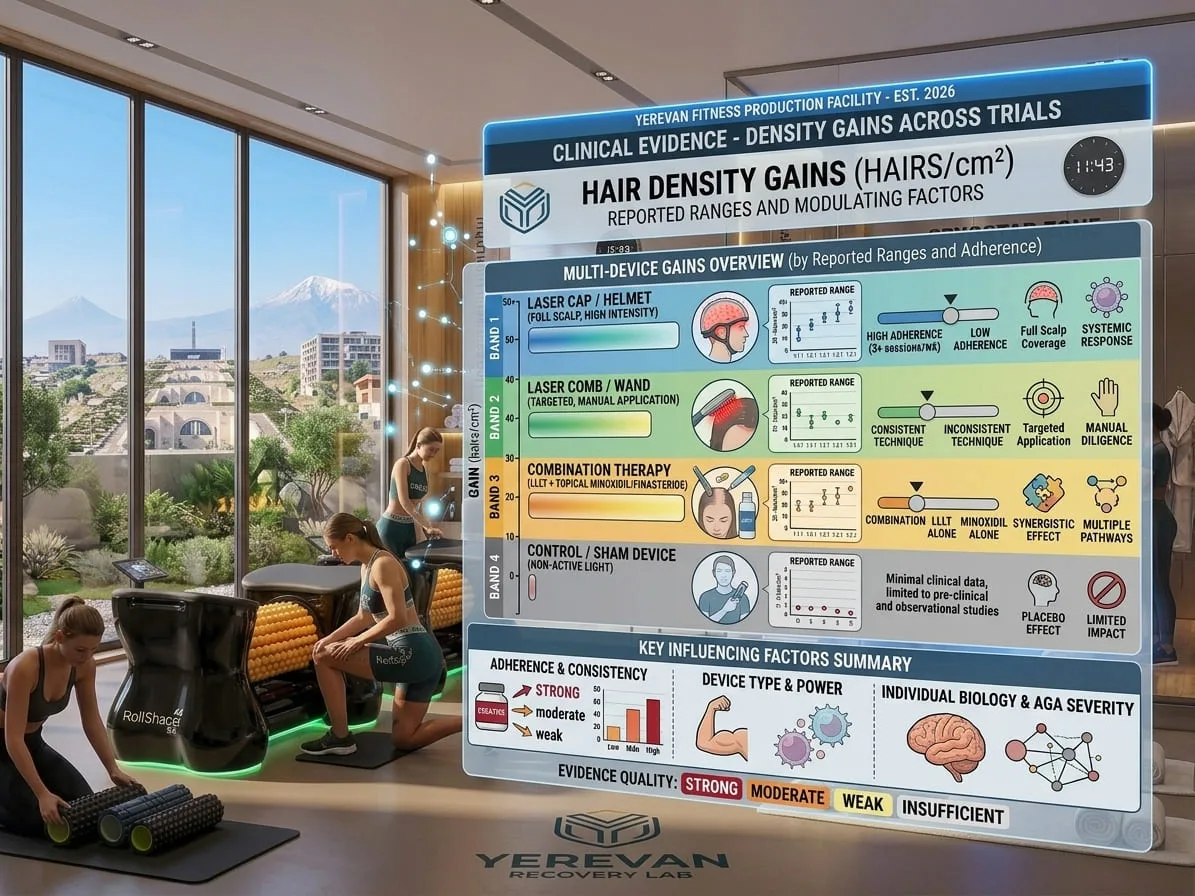
Die ersten statistisch signifikanten Verbesserungen in einigen Studien traten nach etwa zwei Monaten auf. Diese frühen Veränderungen resultierten jedoch meist aus Kombinationsbehandlungen (z. B. Rotlichttherapie plus Minoxidil). Die alleinige Anwendung von Rotlicht erfordert in der Regel drei bis sechs Monate konsequenter Anwendung, bevor sichtbare Verbesserungen der Haardichte erzielt werden. Die Kontinuität der Anwendung ist eine dokumentierte Variable in den klinischen Daten – Behandlungsprotokolle mit ausgelassenen Sitzungen oder unvollständiger Einhaltung zeigen schwächere oder keine Effekte. Die FDA hat auf Grundlage dieser Evidenz mehrere LLLT-Geräte speziell für androgenetische Alopezie zugelassen. Die Zulassung gilt für spezifische Geräte, nicht für die Rotlichttherapie im Allgemeinen. Die in der Fachliteratur häufig genannten Zuwachsraten der Haardichte (oftmals 15–351 µT in Studien zu LLLT-Geräten bei androgenetischer Alopezie) sollten eher als Beispiel für die berichtete Effektstärkenverteilung denn als garantierte individuelle Ergebnisse betrachtet werden. Die Ergebnisse variieren erheblich je nach Ursache des Haarausfalls, Gerätespezifikationen, Einhaltung der Anwendungsrichtlinien, Wellenlänge, Dosis und Dauer.
Für wen die Rotlichttherapie wirkt (und für wen nicht)
Eine ehrliche Zielgruppensegmentierung ist wichtig, da die Rotlichttherapie nicht bei allen Patienten wirksam ist. Die unten aufgeführten Patientenprofile spiegeln die stärksten und schwächsten in klinischen Studien dokumentierten Ansprechmuster wider. Personen mit Haarausfall sollten sich vor der Wahl einer Behandlungsmethode von einem qualifizierten Dermatologen untersuchen lassen, da die zugrunde liegende Ursache maßgeblich beeinflusst, welche Interventionen geeignet sind.
Ideale Kandidaten: Männer und Frauen mit beginnender bis mittelschwerer androgenetischer Alopezie. Haarausdünnung mit miniaturisierten, aber noch nicht vollständig verloren gegangenen Haarfollikeln. Aktiver Wachstumszyklus ist noch vorhanden. Patienten, die bereit sind, das Produkt 16–26 Wochen lang konsequent anzuwenden, bevor sie die Ergebnisse beurteilen. Voraussichtliche Responder basierend auf den Studiendaten: Erwachsene zwischen 20 und 60 Jahren mit genetisch bedingtem Haarausfallmuster und einem Haardichteverlust im Bereich von 15–401 TP3T gegenüber dem Ausgangswert (Norwood-Skala II–IV bei Männern, Ludwig-Skala I–II bei Frauen).
Weniger vorhersehbare oder ungeeignete Kandidaten: fortgeschrittener erblich bedingter Haarausfall (Norwood V+ bei Männern), bei dem die Miniaturisierung der Haarfollikel zum Follikelverlust geführt hat; vernarbende Alopezie (Zikatrizen-Alopezie), bei der der Follikel zerstört statt inaktiviert wird; Haarausfall, der durch Erkrankungen (Schilddrüsenprobleme, Eisenmangel, Nebenwirkungen von Medikamenten) und nicht durch genetische Veranlagung verursacht wird; Alopecia areata (Autoimmunerkrankung), bei der ein anderer Mechanismus vorliegt. Rotlichttherapie kann eine vollständig kahle Kopfhaut nicht regenerieren, da sie bestehende Follikel stimuliert, anstatt neue zu bilden. Bei fortgeschrittenem erblich bedingtem Haarausfall ist eine medikamentöse Behandlung (Finasterid, Dutasterid) oder ein chirurgischer Eingriff (Haartransplantation) als primäre Therapie in der Regel besser geeignet. Rotlicht kann diese Ansätze ergänzen, aber bei fortgeschrittenen Fällen nicht ersetzen. Konsultieren Sie vor Beginn einer Behandlung einen qualifizierten Dermatologen oder Arzt.
Welche Wellenlänge und Dosis sind am besten geeignet?
Der Rotlichtbereich von 630–670 nm ist der primäre therapeutische Bereich zur Stimulation von Kopfhaut und Haarfollikeln. Diese Wellenlänge wird effizient von der Cytochrom-c-Oxidase in den Mitochondrien absorbiert und dringt tief genug ein, um die dermale Papille an der Follikelbasis zu erreichen. Wellenlängen unter 600 nm (gelb, grün) dringen nicht tief genug ein. Wellenlängen im Nahinfrarotbereich (800–900 nm) dringen zwar tiefer ein, werden aber weniger effizient von dem für das Haarwachstum relevanten mitochondrialen Enzym absorbiert. Nahinfrarot eignet sich daher besser für Anwendungen im Bewegungsapparat und in tieferen Gewebeschichten als für die gezielte Behandlung von Haarfollikeln.
Die Bestrahlungsstärke (Lichtintensität, gemessen in mW/cm²) ist entscheidend und variiert je nach Gerätetyp erheblich. Professionelle Geräte für den Klinikgebrauch liefern typischerweise 30–100+ mW/cm² an der Kopfhautoberfläche, wodurch in 10–20-minütigen Sitzungen eine effektive Dosis erreicht wird. Laserkappen für den Heimgebrauch liefern üblicherweise 5–15 mW/cm², sodass längere Sitzungen (20–30 Minuten) erforderlich sind, um die gleiche Dosis zu erzielen. Rotlichtpaneele für den Heimgebrauch weisen eine stark variable Bestrahlungsstärke auf, abhängig von Position und Abstand – je näher man dran ist, desto intensiver ist die Behandlung, aber desto geringer ist die Abdeckung der Kopfhaut. In erfolgreichen klinischen Studien wurden die Sitzungen jeden zweiten Tag oder mehrmals wöchentlich durchgeführt, wobei die Sitzungen 15–30 Minuten dauerten. Regelmäßigkeit ist wichtiger als Intensität: Ausgelassene Sitzungen schwächen die Ergebnisse laut klinischen Daten erheblich.
Ausrüstung: Laserhauben, -panels und Geräte für den Einsatz in der Klinik
Drei Gerätekategorien dominieren den Markt für Rotlichttherapie zur Förderung des Haarwachstums. Jede Kategorie weist unterschiedliche Vor- und Nachteile hinsichtlich Bestrahlungsstärke, Abdeckung, Bedienkomfort und Kosten auf.
Laserkappen und -helme
Laserhauben sind die komfortabelste Produktkategorie für die Anwendung zu Hause und speziell für die Kopfhautbehandlung entwickelt. Es gibt zahlreiche FDA-zugelassene Geräte (z. B. iRestore, Capillus, HairMax und Theradome). Die Haubenform gewährleistet eine gleichmäßige Abdeckung der Kopfhaut, ohne dass das Gerät gehalten oder positioniert werden muss. Die Bestrahlungsstärke ist in der Regel geringer als bei professionellen Geräten (5–15 mW/cm²), was durch längere Behandlungszeiten (20–30 Minuten) und die Möglichkeit der freihändigen Anwendung während anderer Tätigkeiten kompensiert wird. Kosten: $300–$3000, abhängig von der Diodenanzahl und der Behandlungsfläche. Ideal für: Anwender mit leichter bis mittelschwerer androgenetischer Alopezie (AGA), die Wert auf Komfort legen und eine regelmäßige Anwendung über 16–26 Wochen planen. Bitte überprüfen Sie vor dem Kauf die aktuelle FDA-Zulassung des jeweiligen Geräts direkt beim Hersteller; die Zulassung gilt gerätespezifisch und nicht für die gesamte Produktkategorie.
Rotlichttafeln
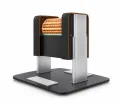
Rotlichtpaneele eignen sich für vielfältige Anwendungen jenseits der Haarbehandlung (Haut, Muskelregeneration, allgemeine Photobiomodulation) und erzeugen oft eine höhere Bestrahlungsstärke als Laserkappen bei ähnlichen oder sogar geringeren Kosten. Der Nachteil liegt in der Positionierung: Anwender müssen das Paneel in einem gleichbleibenden Abstand zur Kopfhaut halten, und die Abdeckung variiert je nach Größe und Ausrichtung des Paneels. Ideal geeignet für: Anwender, die bereits Rotlichttherapie für andere Zwecke (Haut, Regeneration) nutzen und die Haarbehandlung als zusätzlichen Anwendungsbereich hinzufügen möchten. Die beste Rotlichttherapie für zu Hause im Jahr 2026: Warum Profis auf professionelle Geräte setzen. Der erwähnte Artikel behandelt die Kategorie der Heimpanels ausführlich und vergleicht die Spezifikationen führender Optionen.
Professionelle Geräte für den Klinikgebrauch
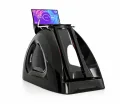
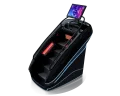
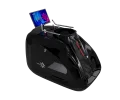
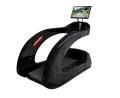
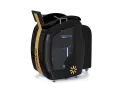
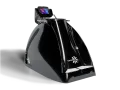
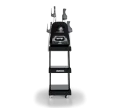
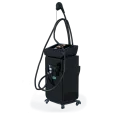
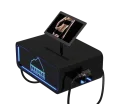
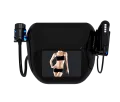
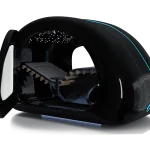
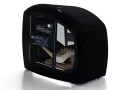
Geräte für den Klinikgebrauch liefern die höchste Bestrahlungsstärke (30–100+ mW/cm² an der Kopfhaut) und ermöglichen so kürzere Behandlungen (10–20 Minuten) mit präziser Dosierung. Vacuactivus produziert professionelle Rotlichttherapie-Panels und -Liegen für dermatologische Kliniken, Wellnesszentren und spezialisierte Haarausfallbehandlungen. Die Geräte unterstützen sowohl haarspezifische Behandlungen (spezielle Kopfhautbehandlung) als auch multimodale Therapieangebote, bei denen die Haarbehandlung nur eine von mehreren Anwendungen der Rotlichttherapie ist. Ideal geeignet für: Kliniken, die Rotlichttherapie für die Haare als Teil eines umfassenderen Angebots in den Bereichen Rehabilitation, Dermatologie oder Wellness anbieten. Mehr erfahren Rotlichttherapie-Panels Für kommerzielle Optionen mit Spezifikationen für den Klinikeinsatz. Für Kliniken, die Rotlicht- und Kältetherapie in einem einzigen Behandlungsangebot kombinieren, siehe „Rotlicht- und Kryotherapie-Kombination“, wo die Wirtschaftlichkeit der kombinierten Behandlungsmodalitäten erläutert wird.
Rotlichttherapie im Vergleich zu Minoxidil und anderen Behandlungen
Rotlichttherapie sollte in den meisten Fällen von erblich bedingtem Haarausfall eher als Ergänzung zu medizinischen Behandlungen denn als alleiniger Ersatz betrachtet werden. Minoxidil (rezeptfrei zur äußerlichen Anwendung) verlängert die Anagenphase des Haarzyklus und ist das am besten untersuchte rezeptfreie Mittel gegen Haarausfall. Finasterid und Dutasterid (systemisch, verschreibungspflichtig) reduzieren die DHT-bedingte Miniaturisierung der Haarfollikel. Rotlichttherapie wirkt über einen völlig anderen Mechanismus (mitochondriale Energieproduktion und Aktivierung des Wnt-Signalwegs), wodurch Kombinationsbehandlungen synergistisch wirken.
Eine sechsmonatige Kombinationsstudie ergab, dass die Wirkung von Minoxidil allein nach etwa sechs Monaten stagnierte, während die Kombinationsgruppe (Minoxidil plus Rotlichttherapie) das Haarwachstum länger aufrechterhielt. Die Kombination ist gut verträglich (beide wirken nicht systemisch), und Dermatologen empfehlen Kombinationsbehandlungen zunehmend bei erblich bedingtem Haarausfall, wenn der Patient einen umfassenden Ansatz wünscht. Rotlicht allein kann Minoxidil ersetzen, wenn topische Medikamente nicht vertragen werden (Kopfhautreizungen sind eine häufige Nebenwirkung von Minoxidil). Die Studienlage ist jedoch für Kombinationsbehandlungen besser als für Rotlicht allein. Konsultieren Sie einen qualifizierten Dermatologen oder Arzt, bevor Sie Behandlungen kombinieren, insbesondere wenn Sie verschreibungspflichtige Medikamente einnehmen.
Häufig gestellte Fragen
Frage 1: Führt Rotlichttherapie zu Haarwachstum?
Ja, bei erblich bedingtem Haarausfall. Mehrere randomisierte, kontrollierte Studien belegen, dass die Low-Level-Lichttherapie (LLLT) im Vergleich zu Placebo-Geräten eine signifikante Verbesserung der Haardichte bewirkt. Die berichteten Zuwächse liegen in den Studien häufig zwischen 15 und 351 TP3T (die individuellen Ergebnisse variieren jedoch erheblich je nach Gerät, Wellenlänge, Dosis und Therapietreue). Der Effekt ist bei Männern und Frauen mit androgenetischer Alopezie gleichermaßen zu beobachten. Die Evidenz ist stärker als bei den meisten nicht-medikamentösen Behandlungen gegen Haarausfall. Die Therapie eignet sich am besten für leichten bis mittelschweren Haarausfall und kann eine vollständig kahle Kopfhaut nicht wiederherstellen. Lassen Sie sich vor der Wahl einer Behandlungsmethode von einem qualifizierten Dermatologen professionell diagnostizieren.
Frage 2: Wie lange dauert es, bis die Haare durch Rotlichttherapie wachsen?
Die meisten klinischen Studien dauern 16 bis 26 Wochen, und eine sichtbare Verbesserung durch die alleinige Anwendung von Rotlicht tritt in der Regel erst nach drei bis sechs Monaten regelmäßiger Anwendung auf. Die ersten statistisch signifikanten Veränderungen zeigten sich in einigen Studien nach etwa zwei Monaten, jedoch meist nur in den Gruppen mit Kombinationstherapie. Da Haare von Natur aus langsam wachsen, sind Geduld und Kontinuität unerlässlich; das Auslassen von Behandlungswochen wirkt sich nicht auf die klinischen Daten aus.
Frage 3: Welche Wellenlänge von rotem Licht ist am besten für das Haarwachstum geeignet?
Rotes Licht im Bereich von 630–670 nm ist das primäre therapeutische Spektrum für das Haarwachstum, da es tief genug in die Kopfhaut eindringt, um die dermale Papille an der Basis des Haarfollikels zu erreichen. Diese Wellenlänge wird von den Mitochondrien (Cytochrom-c-Oxidase) absorbiert und regt so die ATP-Produktion an, wodurch die Follikelzellen zur Proliferation angeregt werden. Die meisten FDA-zugelassenen LLLT-Haarbehandlungsgeräte arbeiten in diesem roten Spektralbereich. Nahinfrarotes Licht (800–900 nm) dringt zwar tiefer ein, wird aber von dem für die Haarfollikelstimulation wichtigsten Enzym weniger effizient absorbiert und eignet sich daher eher für Anwendungen im Bereich des Bewegungsapparates als für die gezielte Haarbehandlung.
Frage 4: Ist die Rotlichttherapie von der FDA zur Behandlung von Haarausfall zugelassen?
Ja, die FDA hat mehrere Geräte für die Low-Level-Lasertherapie (LLLT) speziell zur Behandlung von androgenetischer Alopezie (erblich bedingtem Haarausfall bei Männern und Frauen) zugelassen. Die FDA-Zulassung bedeutet, dass das Gerät für diese Anwendung eine angemessene Sicherheit und Wirksamkeit nachgewiesen hat. Bitte beachten Sie, dass sich die Zulassung auf spezifische Geräte bezieht und nicht auf die Rotlichttherapie im Allgemeinen. Die FDA-Zulassung ist nicht mit der FDA-Genehmigung gleichzusetzen. Überprüfen Sie die aktuelle gerätespezifische FDA-Zulassung vor dem Kauf direkt beim Hersteller.
Frage 5: Hilft Rotlichttherapie bei zurückweichendem Haaransatz?
Bei androgenetischer Alopezie, die den Haarausfall verursacht, kann die Rotlichttherapie helfen, wenn die Haarfollikel noch aktiv sind (miniaturisiert, aber nicht abgestorben). Sie regt ruhende Follikel zur Wachstumsphase an, kann aber keine neuen Follikel bilden, wo diese vollständig verloren gegangen sind. Die Ergebnisse sind am besten bei leichtem bis mittelschwerem Haarausfall zu erwarten; fortgeschrittener oder vernarbter Haarausfall spricht weniger gut auf die Therapie an. Lassen Sie sich von einem Dermatologen individuell beraten.
Frage 6: Wie oft sollte ich die Rotlichttherapie für die Haare anwenden?
In erfolgreichen klinischen Studien wurden die Geräte jeden zweiten Tag oder mehrmals wöchentlich eingesetzt, wobei die Sitzungen etwa 15–30 Minuten dauerten. Kontinuität ist der entscheidende Faktor; die klinischen Ergebnisse resultierten aus der regelmäßigen Anwendung über Monate hinweg, nicht aus sporadischen Sitzungen. Eine häufigere Anwendung über die untersuchten Protokolle hinaus beschleunigt die Ergebnisse nachweislich nicht und ist möglicherweise unnötig.
Frage 7: Ist Rotlichttherapie besser als Minoxidil für die Haarpflege?
Sie wirken unterschiedlich und ergänzen sich oft optimal. Minoxidil ist ein topisches Medikament, das die Wachstumsphase verlängert; Rotlichttherapie ist eine nicht-medikamentöse Behandlung, die die Energieproduktion der Haarfollikel anregt. Eine sechsmonatige Studie ergab, dass das Wachstum durch Minoxidil allein nach etwa sechs Monaten stagnierte, während die Kombinationsgruppe ihr Wachstum länger aufrechterhielt. Rotlicht sollte daher eher als Ergänzung denn als garantierter Ersatz für eine alleinige Behandlung betrachtet werden.
Frage 8: Kann Rotlichttherapie eine kahle Stelle nachwachsen lassen?
Im Allgemeinen nein, wenn die betroffene Stelle vollständig kahl ist und keine aktiven Haarfollikel mehr aufweist. Rotlichttherapie stimuliert vorhandene, ruhende oder miniaturisierte Follikel; sie kann jedoch keine vollständig verloren gegangenen Follikel regenerieren. In Bereichen, in denen noch einige Follikel vorhanden sind (beginnende Ausdünnung, nicht vollständige Kahlheit), kann sie die Haardichte verbessern. Bei vollständig kahler Kopfhaut sind andere Optionen wie eine Haartransplantation besser geeignet.
Abschluss
Rotlichttherapie zur Förderung des Haarwachstums ist eine anerkannte und wissenschaftlich belegte Behandlungsmethode bei erblich bedingtem Haarausfall für geeignete Patienten. Der Wirkmechanismus ist gut erforscht (Licht mit einer Wellenlänge von 630–670 nm erreicht die Mitochondrien der dermalen Papille, erhöht die ATP-Produktion, aktiviert den Wnt-Signalweg und führt die Haarfollikel von der Telogen- in die Anagenphase). Studien mit randomisierten kontrollierten Untersuchungen (RCTs) belegen signifikante Verbesserungen der Haardichte im Vergleich zu Placebo-Geräten über einen Zeitraum von 16–26 Wochen. Die berichteten Zuwächse an Haardichte durch LLLT-Geräte bei Patienten mit androgenetischer Alopezie liegen üblicherweise zwischen 15 und 351 TP3T (individuelle Ergebnisse variieren je nach Gerät, Wellenlänge, Dosis und Therapietreue). Die aussagekräftigsten Daten sprechen für die Anwendung bei leichter bis mittelschwerer androgenetischer Alopezie. Zu den Einschränkungen gehören: Die Therapie führt nicht zu vollständig nachwachsenden Haaren, die Ergebnisse zeigen sich frühestens nach drei bis sechs Monaten, und die Konsistenz der Ergebnisse ist ein dokumentierter Faktor in den Studienergebnissen.
Für Anwender mit leichter bis mittelschwerer androgenetischer Alopezie (AGA) zu Hause ist eine FDA-zugelassene Laserhaube oder ein hochwertiges Rotlichtpanel in Verbindung mit einer 16- bis 26-wöchigen Therapie eine sinnvolle Investition. Kliniken, die Rotlichttherapie als Dienstleistung anbieten möchten, profitieren von professioneller Ausrüstung, die eine höhere Bestrahlungsstärke und eine präzise Dosierung für einen größeren Patientenkreis ermöglicht. Ein Begleitartikel zum Thema „Rotlichttherapie für das Gesicht: Anti-Aging und Hautregeneration“ behandelt die Rotlichttherapie für Hautanwendungen nach demselben evidenzbasierten Ansatz. Informationen zu multimodalen Wellness-Konzepten, die Rotlicht mit anderen Regenerationsmethoden kombinieren, finden Sie hier: Revique HaloX Langlebigkeitskapsel, Diese Behandlung kombiniert Rotlicht mit Infrarotlicht und Aromatherapie und ist für kommerzielle Wellnesszentren geeignet. Konsultieren Sie vor Beginn einer Haarausfallbehandlung immer einen qualifizierten Dermatologen oder Arzt.


