










Saç Büyümesi İçin Kırmızı Işık Terapisi: Mekanizma, Kanıtlar, Ekipman
Kırmızı ışık terapisi saç çıkarır mı? Evet, kalıtsal saç dökülmesi için. Çok sayıda randomize kontrollü çalışma (RCT), androjenetik alopesisi olan erkek ve kadınlarda sahte cihazlara kıyasla anlamlı yoğunluk artışları bildirmektedir. Çalışmalar genelinde bildirilen yoğunluk artışları genellikle 15-35% civarında olsa da, bireysel sonuçlar cihaz özelliklerine, dalga boyuna, doza, seanslara uyuma ve saç dökülmesinin nedenine göre önemli ölçüde değişmektedir. Kanıt temeli, çoğu ilaç dışı saç dökülmesi tedavisine göre daha güçlüdür, ancak saç büyümesi için kırmızı ışık terapisi yalnızca belirli saç dökülmesi türlerinde işe yarar ve aylar boyunca tutarlılık şarttır. Bu, Haziran 2026 itibariyle Vacuactivus tıbbi danışma ve mühendislik ekibinin mekanizma, kanıt ve ekipman hakkındaki incelemesidir.
2025-2026 yıllarında dermatolojide kırmızı ışık terapisi uygulamalarını ele alan hakemli incelemeler, saç büyümesini en güçlü kanıt tabanına sahip birincil uygulama alanlarından biri olarak listelemektedir. Son konsensus incelemeleri, fotobiyomodülasyon uygulamaları için mevcut en yüksek kanıt düzeyinde kalıtsal saç dökülmesini doğrulamıştır. 630-670 nm dalga boyu aralığı (saç folikülü uyarımı için birincil terapötik bant), folikülün tabanındaki dermal papillaya ulaşacak kadar kafa derisine derinlemesine nüfuz eder; burada mitokondriler ışığı emer ve hücresel enerji üretimini artırır – mekanizma aşağıda ayrıntılı olarak açıklanmıştır. Birden fazla düşük seviyeli lazer terapisi (LLLT) cihazı, özellikle androjenetik alopesi için FDA onaylıdır (FDA onaylı, FDA tarafından onaylanmış değil; bunlar farklı düzenleyici statülerdir).
Bu kılavuz iki hedef kitle için yazılmıştır: kişisel bir tedavi seçeneği olarak saç uzaması için kırmızı ışık terapisi araştıran bireyler ve profesyonel hizmet sunumları için kırmızı ışık ekipmanlarını değerlendiren klinik işletmecileri. Yaklaşım öncelikle kanıta dayalıdır: neyin işe yaradığı, neyin yaramadığı ve haftalar ve aylarda ne beklenmesi gerektiği. Eğer amacınız $300 cihazının altı hafta içinde tamamen kel bir kafa derisini yeniden uzatacağına dair hızlı bir güvence ise, bu kılavuz sizi hayal kırıklığına uğratacaktır. Dürüst kanıt ve gerçekçi beklentiler istiyorsanız, okumaya devam edin. Saç odaklı kırmızı ışık terapisinin sağlık optimizasyonu kategorisindeki yerini daha geniş bir biyohacking bağlamında öğrenmek için, bkz. Biyohacking Nedir? Performans Optimizasyonuna Dair Kapsamlı Kılavuz Bu, sağlık ve esenlik çerçevesini temel düzeyde ele almaktadır.
Kırmızı Işık Terapisi Gerçekten Saç Uzatır mı?
Evet, kalıtsal saç dökülmesi için. RCT kanıt tabanı, hakemli dermatoloji incelemeleri ve 2025-2026 yıllarına ait çok sayıda sektör incelemesinin kırmızı ışık terapisiyle saç büyümesini deneysel bir eğilimden ziyade kanıta dayalı bir müdahale olarak ele almasını sağlayacak kadar tutarlıdır. Çalışmalar genelinde bildirilen, sahte cihazlara göre ölçülen yoğunluk artışları gerçek, istatistiksel olarak anlamlı etkilerdir (bildirilen kazanım aralıkları cihaza, dalga boyuna, doza ve seans uyumuna göre değişmektedir).
Bu uygulamanın tarihsel kökeni, 1967'de Endre Mester'in düşük seviyeli lazer radyasyonuna maruz kalan farelerin kontrol grubuna göre daha hızlı saç çıkardığını gözlemlemesiyle yaptığı tesadüfi keşfe dayanmaktadır. Bu şans eseri bulgu, on yıllarca süren fotobiyomodülasyon araştırmalarını başlattı ve saç yenilenmesi en güçlü klinik uygulamalar arasında yer almaktadır. Çok sayıda randomize kontrollü çalışma (RCT) üzerinden sentezlenen son konsensus incelemeleri, saç dökülmesinin (erkek AGA, kadın AGA) 16-26 hafta boyunca düzenli olarak uygulanan kırmızı ışık terapisine ölçülebilir şekilde yanıt verdiğini doğrulamaktadır. Bu kanıta dayalı çerçeveyi, saç dışındaki birçok uygulamayı kapsayan daha geniş "Çalışmalarla Desteklenen, Abartı Değil Kırmızı Işık Terapisi Faydaları" kılavuzuyla karşılaştırın.
Mekanizma: Kırmızı Işık Folikülleri Nasıl Uyarır?
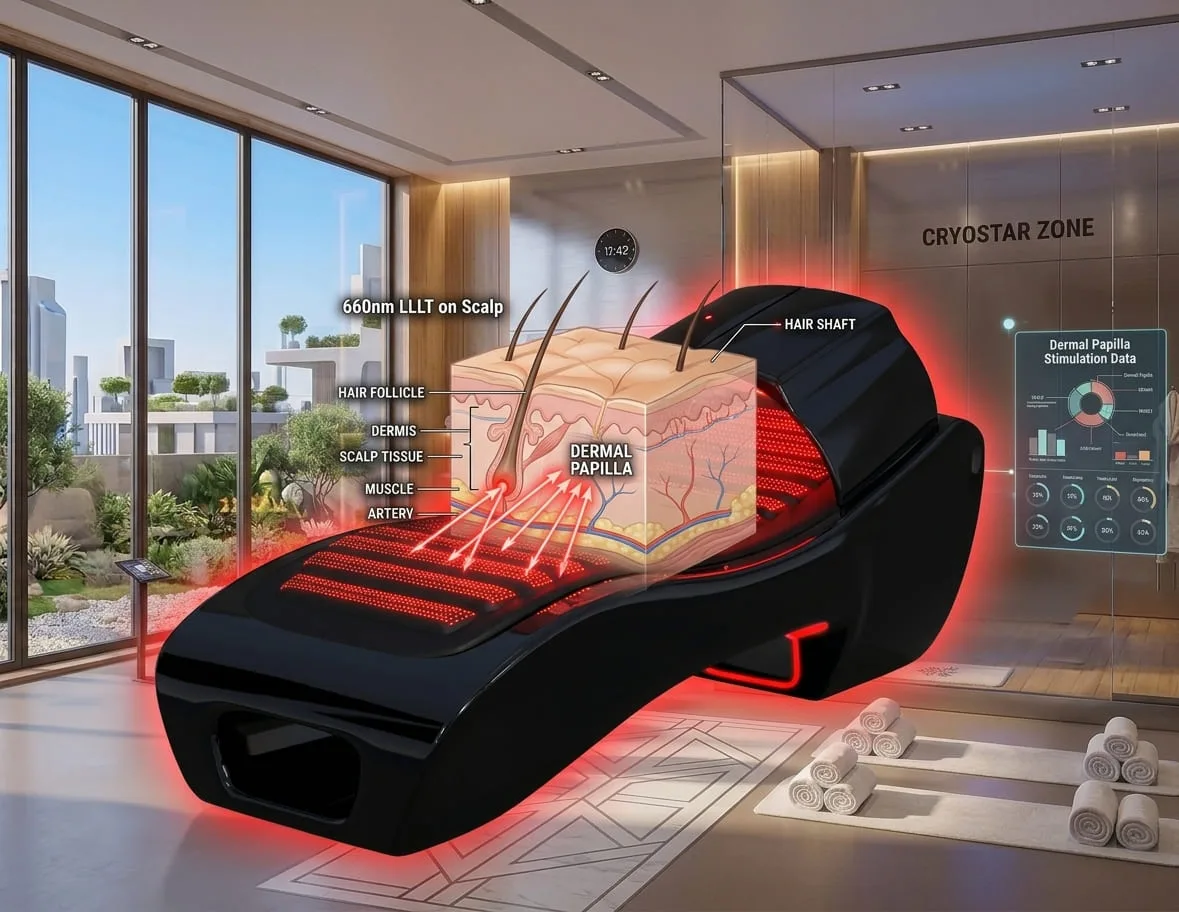
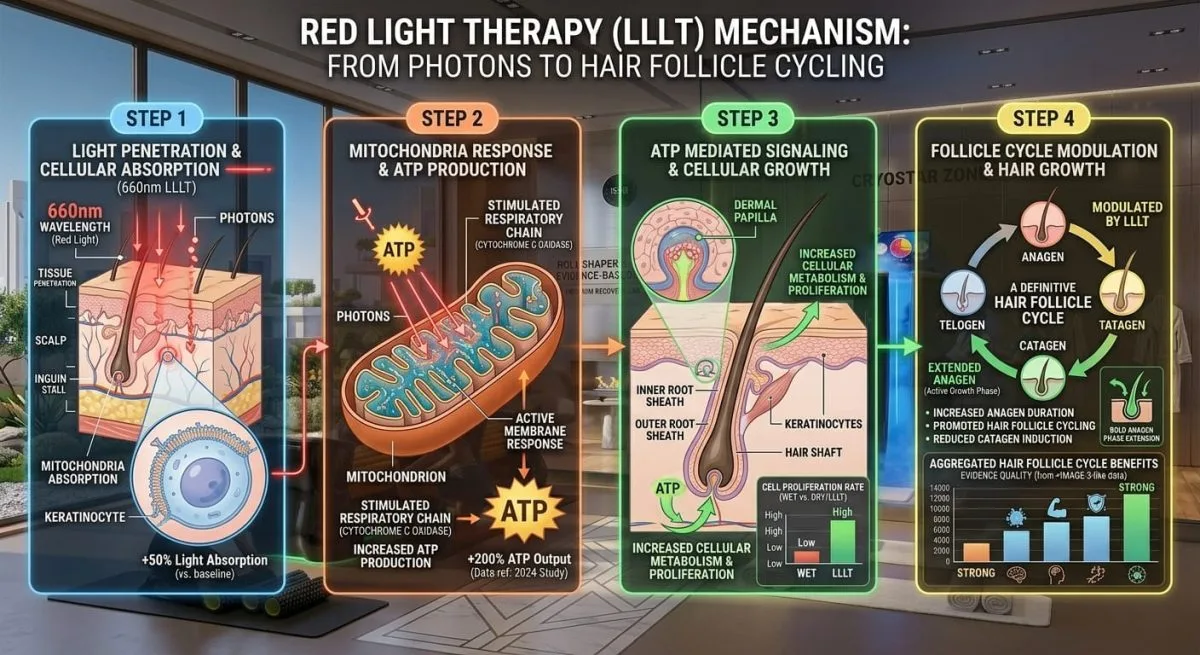
Mekanizma iyi tanımlanmıştır. 630-670 nm aralığındaki kırmızı ışık (saç folikülleri için birincil terapötik bant), saç derisine birkaç milimetre derinliğe kadar nüfuz ederek saç folikülünün tabanındaki dermal papilla hücrelerine ulaşır. Bu hücrelerdeki mitokondriler, bu dalga boyu aralığındaki kırmızı ışığı emen bir enzim olan sitokrom c oksidaz içerir. Enzim ışığı emdiğinde, elektron taşıma zincirini hızlandırarak normalden daha fazla ATP (hücresel enerji birimi) üretir.
Artan ATP mevcudiyeti, dermal papilla hücrelerinin daha hızlı çoğalmasını sağlar. Bu hücresel enerji artışı, iki alt etkiyle görünür saç büyümesine dönüşür. Birincisi, ışığa maruz kalma, sitokrom c oksidazdan nitrik oksit (NO) salınımına neden olur; nitrik oksit, foliküle giden yerel kan akışını iyileştiren bir sinyal molekülüdür. İkincisi, artan hücresel enerji, 2021 insan kafa derisi folikülü RNA dizileme çalışmasına göre, özellikle WNT3 ve WNT10B olmak üzere Wnt sinyal yolunun bileşenlerini aktive eder. Wnt sinyallemesi, uykuda olan (telogen) folikülleri aktif (anagen) büyüme evresine geri döndürür. Sonuç olarak: daha fazla folikül aynı anda saç uzatır ve kalıtsal saç dökülmesinin karakteristik özelliği olan minyatürleşmiş ince tüyler yerine daha kalın terminal saçlar üretilir.
Dalga boyu bilimi ve uygulamaları hakkında daha derinlemesine bilgi edinmek isteyen okuyucular için, Kırmızı Işık Terapisi Paneli: 660nm + 850nm Dalga Boyları Doku İyileştirmede Nasıl Etkili Oluyor? Bu çalışma, görünür kırmızı (630-670 nm, birincil kıl kökü hedefi) ve yakın kızılötesi (830-850 nm, kıl köküne özgü hedefleme yerine kas ve eklem uygulamaları için daha derin doku penetrasyonu) arasındaki etkileşimi de içeren, mekanizmayı daha yüksek çözünürlükte ele almaktadır. Aynı 630-670 nm dalga boyu bandının güçlü kanıtlarla desteklenen paralel bir uygulaması için, kas-iskelet sistemi hedeflerine uygulanan aynı sitokrom-c-oksidaz mekanizmasını paylaşan Ağrı Giderici Kırmızı Işık Terapisi'ne bakınız.
Klinik Kanıtlar Ne Gösteriyor?
Birden fazla 16-26 haftalık çalışmadan elde edilen RCT verileri, sahte (plasebo) cihazlara kıyasla istatistiksel olarak anlamlı yoğunluk iyileşmeleri göstermektedir. Aşağıdaki tablo, temsili kaynak türleri ve çalışmalar genelinde kanıt kalitesini özetlemekte olup, yoğunluk artışı aralıkları, evrensel tedavi etkilerinden ziyade rapor edilenleri göstermek amacıyla kasıtlı olarak çerçevelenmiştir.
| Çalışma Türü / Kaynak | Dalga boyu | Yoğunluk Artışı vs. Kontrol Grubu (bildirilen aralık) | Süre | Nüfus |
|---|---|---|---|---|
| RCT özetleri (hakemli incelemeler 2025-2026) | 630-670nm | Anlamlı yoğunluk artışı (bildirilen aralıklar cihaza ve uyuma göre değişir) | 16-26 hafta | AGA'lı erkekler ve kadınlar |
| FDA onaylı LLLT denemeleri (birden fazla cihaz) | 630-670 nm aralığı (birincil terapötik bant) | İstatistiksel olarak anlamlı terminal kıl sayısında iyileşmeler | 16-26 hafta | Erkek ve kadın tipi saç dökülmesi |
| AGA için ClinicalTrials.gov'da kayıtlı LLLT protokolleri | 630-680nm tipik | Kayıtlı sonuç ölçütlerine göre plaseboya kıyasla istatistiksel olarak anlamlı (mevcut kayıtlı protokolleri doğrudan clinicaltrials.gov adresinden doğrulayın) | Tipik süre 16-24 haftadır. | AGA katılımcıları |
| İnsan kafa derisi folikülü RNA Dizilemesi (2021) | 650nm | Anagen evresinin indüksiyonu gen ekspresyon seviyesinde doğrulandı. | In vitro çalışma | Kültür ortamında yetiştirilen insan folikülleri |
| Kombinasyon denemesi (RLT + minoksidil, 6 ay) | 630-670nm aralığında 660nm + minoksidil | Minoksidil tek başına kullanımının ardından sürdürülen büyüme | 6 ay | AGA katılımcıları |
| 2025 konsensus incelemeleri (çoklu) | 630-670nm birincil | Fotobiyomodülasyon uygulamaları için mevcut en yüksek kanıt düzeyinde doğrulanmış, kalıtsal saç dökülmesi vakaları tespit edilmiştir. | Çoklu çalışma sentezi | AGA kohortları, denemeler genelinde |
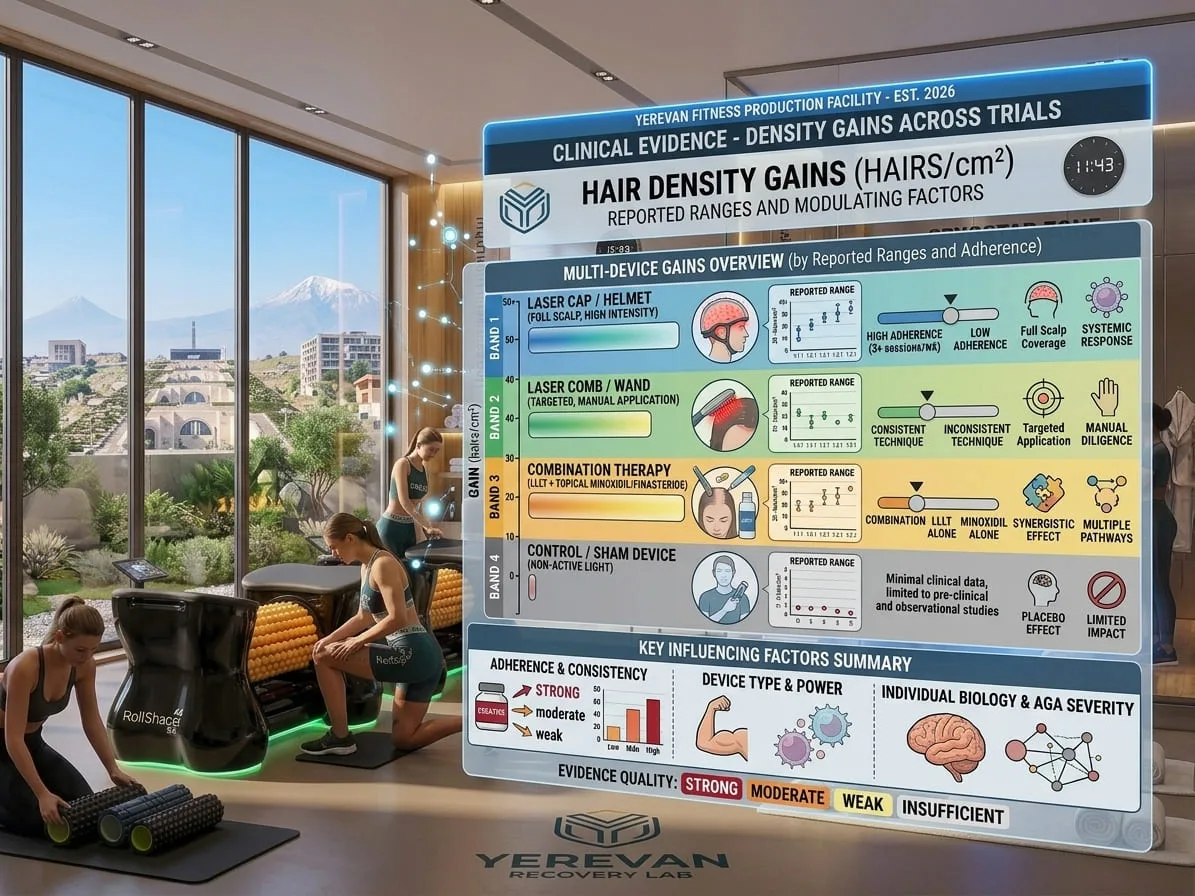
Bazı çalışmalarda istatistiksel olarak anlamlı en erken iyileşmeler yaklaşık iki ay sonra ortaya çıkmıştır, ancak bu erken değişiklikler genellikle kombinasyon tedavisi gruplarından (örneğin kırmızı ışık artı minoksidil) kaynaklanmıştır. Tek başına kırmızı ışık, görünür yoğunluk iyileşmeleri için genellikle üç ila altı ay boyunca düzenli kullanım gerektirir. Düzenlilik, klinik verilerde belgelenmiş bir değişkendir – seans atlanan veya kısmi uyum gösteren protokoller daha zayıf veya hiç etki göstermez. FDA, bu kanıt tabanına dayanarak, özellikle androjenetik alopesi için çeşitli LLLT cihazlarını onaylamıştır; onay, genel bir kategori olarak kırmızı ışık tedavisine değil, belirli cihazlara uygulanır. Endüstri literatüründe yaygın olarak belirtilen yoğunluk artışı aralıkları (AGA popülasyonlarında LLLT cihazları için yapılan çalışmalarda genellikle 15-35% civarında rapor edilir), garantili bireysel sonuçlar olarak değil, bildirilen etki büyüklüğü dağılımının göstergesi olarak ele alınmalıdır; sonuçlar saç dökülmesinin nedenine, cihaz özelliklerine, seans uyumuna, dalga boyuna, doza ve süreye göre önemli ölçüde değişir.
Kırmızı Işık Terapisi Kimlerde İşe Yarar (ve Kimlerde Yaramaz)?
Kırmızı ışık terapisi evrensel olarak etkili olmadığı için, hedef kitlenin dürüst bir şekilde segmentasyonu önemlidir. Aşağıdaki aday profilleri, klinik çalışmalarda belgelenen en güçlü ve en zayıf yanıt modellerini yansıtmaktadır. Saç dökülmesi yaşayan bireyler, tedavi yaklaşımı seçmeden önce profesyonel bir teşhis için nitelikli bir dermatoloğa danışmalıdır, çünkü altta yatan neden, hangi müdahalelerin uygun olduğunu önemli ölçüde etkiler.
En uygun adaylar: Erkeklerde ve kadınlarda erken ila orta derecede androjenetik alopesi. Foliküllerin küçüldüğü ancak henüz tamamen kaybolmadığı saç incelmesi. Aktif büyüme döngüsünün hala mevcut olması. Sonuçları değerlendirmeden önce 16-26 hafta boyunca düzenli kullanıma bağlı kalmaya istekli hastalar. Deneme demografisine göre tahmin edilebilir yanıt verenler: Genetik olarak yönlendirilen saç dökülmesi olan 20-60 yaş arası yetişkinler, başlangıç değerine göre -40 arasında saç yoğunluğu kaybı (erkeklerde Norwood ölçeği II-IV, kadınlarda Ludwig ölçeği I-II).
Daha az tahmin edilebilir veya uygun olmayan adaylar: Folikül kaybına kadar ilerlemiş ileri evre saç dökülmesi (erkeklerde Norwood V+); folikülün uykuda kalmak yerine tahrip olduğu skar alopesisi (sikatrisyel); genetik yatkınlıktan ziyade tıbbi durumlar (tiroid, demir eksikliği, ilaç yan etkileri) nedeniyle oluşan saç dökülmesi; mekanizmanın farklı olduğu alopesi areata (otoimmün). Kırmızı ışık terapisi, tamamen kel bir kafa derisinde saç dökülmesini yeniden başlatmaz çünkü yeni foliküller oluşturmak yerine mevcut folikülleri uyarır. İleri evre saç dökülmesi vakaları genellikle birincil tedavi olarak tıbbi müdahale (finasterid, dutasterid) veya cerrahi müdahale (saç ekimi) için daha uygun adaylardır. Kırmızı ışık bu yaklaşımları tamamlayabilir ancak ileri vakalarda bunların yerini alamaz. Herhangi bir tedavi protokolüne başlamadan önce nitelikli bir dermatolog veya sağlık uzmanına danışın.
En İyi Dalga Boyu ve Doz Hangisidir?
630-670 nm kırmızı ışık aralığı, saç derisi ve folikül uyarımı için birincil terapötik banttır. Bu dalga boyu, mitokondrideki sitokrom c oksidaz tarafından verimli bir şekilde emilirken, folikülün tabanındaki dermal papillaya ulaşacak kadar derine nüfuz eder. 600 nm'den daha kısa dalga boyları (sarı, yeşil) yeterince derine nüfuz etmez. Yakın kızılötesi aralığındaki (800-900 nm) dalga boyları daha derine nüfuz eder, ancak saç büyümesi için en önemli olan spesifik mitokondriyal enzim tarafından daha az verimli bir şekilde emilir; yakın kızılötesi, saç folikülü hedeflemesinden ziyade kas-iskelet ve daha derin doku uygulamaları için daha uygundur.
Işınım (ışık yoğunluğu, mW/cm2 cinsinden ölçülür) önemlidir ve cihaz kategorileri arasında önemli ölçüde değişiklik gösterir. Kliniklerde kullanılan profesyonel cihazlar genellikle kafa derisi yüzeyinde 30-100+ mW/cm2 ışınım sağlar ve 10-20 dakikalık seanslarda etkili dozlar elde edilmesini mümkün kılar. Evde kullanılan lazer başlıkları genellikle 5-15 mW/cm2 ışınım sağlar ve eşdeğer doza ulaşmak için daha uzun seanslar (20-30 dakika) gerektirir. Evde kullanılan kırmızı ışık panelleri, konumlandırmaya ve mesafeye bağlı olarak oldukça değişken ışınım sağlar – daha yakın konum daha yoğun ancak kafa derisinin daha az kapsanması anlamına gelir. Başarılı klinik çalışmalarda seans sıklığı iki günde bir veya haftada birkaç kez, seanslar 15-30 dakika olarak belirlenmiştir. Yoğunluktan ziyade tutarlılık daha önemlidir: Klinik verilere göre, atlanan seanslar sonuçları önemli ölçüde zayıflatır.
Ekipman: Lazer Başlıkları, Paneller ve Klinik İçi Cihazlar
Saç uzatmak için kullanılan kırmızı ışık terapisi pazarında üç ekipman kategorisi öne çıkıyor. Her birinin ışınım şiddeti, kapsama alanı, kullanım kolaylığı ve maliyet açısından farklı avantajları ve dezavantajları bulunuyor.
Lazer Şapkalar ve Kasklar
Lazer başlıkları, özellikle kafa derisinin kaplanması için tasarlanmış, evde kullanım için en uygun kategoridir. FDA onaylı birçok seçenek mevcuttur (iRestore, Capillus, HairMax, Theradome öne çıkan örneklerdir). Başlık formatı, kullanıcının cihazı tutmasına veya konumlandırmasına gerek kalmadan tutarlı kafa derisi kaplaması sağlar. Işınım genellikle profesyonel ekipmanlardan daha düşüktür (5-15 mW/cm2), bu da daha uzun seans süreleri (20-30 dakika) ve diğer aktiviteler sırasında eller serbest kullanım kolaylığı ile telafi edilir. Maliyet: Diyot sayısına ve kapsama alanına bağlı olarak $300-$3.000. En uygun: Rahatlığa öncelik veren ve 16-26 hafta boyunca tutarlı kullanıma kararlı olan, erken ila orta derecede AGA'sı olan ev kullanıcıları. Satın almadan önce, cihazın FDA onayını doğrudan üreticiyle doğrulayın; onay, kategori genelinde değil, cihaza özeldir.
Kırmızı Işık Panelleri
Kırmızı ışık panelleri, saçın ötesinde birçok uygulama alanına hizmet eder (cilt, kas iyileşmesi, genel fotobiyomodülasyon) ve genellikle benzer veya daha düşük maliyetle lazer başlıklarından daha yüksek ışınım üretir. Dezavantajı konumlandırmadır: kullanıcılar paneli kafa derisinden sabit bir mesafede tutmalıdır ve kapsama alanı panelin boyutuna ve yönüne göre değişir. En uygun kullanım alanı: halihazırda diğer uygulamalar (cilt, iyileşme) için kırmızı ışık terapisi kullanan ve saçı ikincil bir kullanım alanı olarak eklemek isteyen kullanıcılar. 2026'da Evde Kullanılabilecek En İyi Kırmızı Işık Terapisi: Profesyoneller Neden Profesyonel Ekipmanları Seçiyor? Ev tipi güneş paneli kategorisini derinlemesine ele alan söz konusu makale, önde gelen seçeneklerin özelliklerini karşılaştırıyor.
Klinik İçi Profesyonel Cihazlar
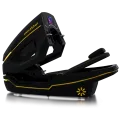
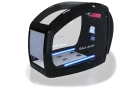
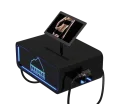
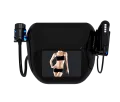
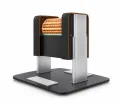
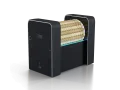
Kliniklerde kullanılan cihazlar en yüksek ışınımı (kafa derisinde 30-100+ mW/cm2) sağlayarak, öngörülebilir dozlama ile daha kısa seanslar (10-20 dakika) imkanı sunar. Vacuactivus, dermatoloji klinikleri, sağlıklı yaşam merkezleri ve özel saç dökülmesi uygulamalarında kullanılan ticari sınıf kırmızı ışık terapisi panelleri ve yatakları üretmektedir. Ekipman, hem saça odaklı protokolleri (özel kafa derisi tedavisi) hem de saçın çeşitli kırmızı ışık terapisi uygulamalarından biri olduğu çok modlu hizmet sunumlarını destekler. En uygun kullanım alanı: Daha geniş bir iyileşme, dermatoloji veya sağlıklı yaşam uygulamasının parçası olarak RLT saç hizmetleri sunan klinikler. Daha fazla bilgi için keşfedin. kırmızı ışık terapisi panelleri Klinik kurulumu için özelliklere sahip ticari sınıf seçenekler için. Kırmızı ışık tedavisini soğuk terapi protokolleriyle tek bir iyileşme hizmet hattında birleştiren klinikler için, kombinasyon modaliteli iyileşme ekonomisini kapsayan Kırmızı Işık Tedavisi ve Kriyoterapi Birleşimi bölümüne bakın.
Kırmızı Işık Terapisi ile Minoksidil ve Diğer Tedaviler Karşılaştırması
Kırmızı ışık terapisi, çoğu saç dökülmesi vakasında tek başına bir tedavi yöntemi olmaktan ziyade, tıbbi tedavilere tamamlayıcı bir yöntem olarak değerlendirilmelidir. Minoksidil (topikal, reçetesiz) folikül döngüsünün anagen büyüme evresini uzatır ve en çok araştırılan reçetesiz saç dökülmesi tedavisidir. Finasterid ve dutasterid (sistemik, reçeteli) DHT kaynaklı folikül küçülmesini azaltır. Kırmızı ışık terapisi tamamen farklı bir mekanizma (mitokondriyal enerji üretimi ve Wnt sinyal aktivasyonu) üzerinden çalışır; bu da kombinasyon protokollerini mekanik olarak sinerjik hale getirir.
Altı aylık bir kombinasyon denemesi, tek başına minoksidilin etkisinin altı ay civarında plato yapmaya başladığını, kombinasyon grubunun (minoksidil artı kırmızı ışık terapisi) ise büyüme hızını daha uzun süre koruduğunu ortaya koymuştur. Kombinasyon iyi tolere edilmektedir (her ikisi de sistemik olmayan mekanizmaya sahiptir) ve dermatologlar, hastanın kapsamlı bir yaklaşım istediği durumlarda, saç dökülmesi vakaları için kombinasyon protokollerini giderek daha fazla önermektedir. Kırmızı ışık tek başına, kullanıcıların topikal ilaçları tolere edemediği durumlarda minoksidilin yerine geçebilir (kafa derisi tahrişi yaygın bir minoksidil yan etkisidir), ancak kombinasyon protokolleri için kanıt temeli, tek başına kırmızı ışığa göre daha güçlüdür. Özellikle reçeteli ilaç kullanıyorsanız, tedavileri birleştirmeden önce nitelikli bir dermatolog veya sağlık uzmanına danışın.
Sıkça Sorulan Sorular
S1. Kırmızı ışık terapisi saç uzatır mı?
Evet, kalıtsal saç dökülmesi için. Çok sayıda randomize kontrollü çalışma, düşük seviyeli ışık terapisinin (LLLT), sahte cihazlara kıyasla anlamlı saç yoğunluğu artışları sağladığını göstermektedir; çalışmalarda bildirilen yoğunluk artışı aralıkları genellikle 15-35% civarındadır (bireysel sonuçlar cihaza, dalga boyuna, doza ve seans uyumuna göre önemli ölçüde değişir). Etki, androjenetik alopesisi olan hem erkeklerde hem de kadınlarda tutarlıdır. Kanıtlar, çoğu ilaç dışı saç dökülmesi tedavisine göre daha güçlüdür. Erken ve orta dereceli saç dökülmesi için en iyi sonucu verir ve tamamen kel bir kafa derisinde yeniden saç çıkmasını sağlamaz. Bir tedavi yaklaşımı seçmeden önce profesyonel bir teşhis için nitelikli bir dermatoloğa danışın.
S2. Kırmızı ışık terapisi saç çıkması için ne kadar sürer?
Çoğu klinik çalışma 16-26 hafta sürer ve sadece kırmızı ışık tedavisiyle gözle görülür iyileşme genellikle üç ila altı ay süren düzenli kullanım gerektirir. Bazı çalışmalarda istatistiksel olarak anlamlı en erken değişiklikler iki ay civarında ortaya çıkmıştır, ancak genellikle sadece kombinasyon tedavisi gruplarında görülmüştür. Saç doğası gereği yavaş uzar, bu nedenle sabır ve tutarlılık şarttır; haftaları atlamak klinik verilere yansımamaktadır.
S3. Saç uzaması için en iyi kırmızı ışık dalga boyu hangisidir?
630-670 nm aralığındaki kırmızı ışık, saç büyümesi için birincil terapötik banttır çünkü saç derisine folikülün tabanındaki dermal papillaya ulaşacak kadar derinlemesine nüfuz eder. Bu dalga boyu mitokondri (sitokrom c oksidaz) tarafından emilir ve folikül hücrelerinin çoğalmasını sağlayan artan ATP üretimini tetikler. FDA onaylı çoğu LLLT saç cihazı bu kırmızı bantta çalışır. Yakın kızılötesi dalga boyları (800-900 nm) daha derine nüfuz eder ancak saç folikülü uyarımı için en önemli olan spesifik enzim tarafından daha az verimli bir şekilde emilir, bu nedenle saça özgü tedaviden ziyade kas-iskelet sistemi uygulamaları için daha uygundur.
Soru 4. Kırmızı ışık terapisi saç dökülmesi için FDA onaylı mı?
Evet, FDA, androjenetik alopesiyi (erkek ve kadın tipi saç dökülmesi) tedavi etmek için özel olarak tasarlanmış çeşitli düşük seviyeli lazer terapisi (LLLT) cihazlarını onaylamıştır. FDA onayı, cihazın bu kullanım için makul güvenlik ve etkinliğe sahip olduğunu gösterdiği anlamına gelir. Onayın, genel bir kategori olarak kırmızı ışık terapisi için değil, belirli cihazlar için geçerli olduğunu ve FDA onaylı olmanın FDA ruhsatından farklı olduğunu unutmayın. Satın almadan önce, cihazın güncel FDA onayını doğrudan üreticiyle doğrulayın.
S5. Kırmızı ışık terapisi saç dökülmesi için işe yarar mı?
Saç çizgisinin geriye çekilmesi androjenetik alopesiden kaynaklanıyorsa ve foliküller hala aktifse (küçülmüş ancak tamamen yok olmamışsa) kırmızı ışık tedavisi yardımcı olabilir. Kırmızı ışık tedavisi, uykuda olan folikülleri tekrar büyüme evresine geçirir, ancak tamamen kaybolmuş foliküllerin yerinde yeni foliküller oluşturamaz. Sonuçlar, erken ve orta dereceli saç çizgisinin geriye çekilmesinde en tahmin edilebilir; ileri veya yara izli bölgelerde yanıt zayıftır. Kişiselleştirilmiş rehberlik için bir dermatoloğa danışın.
S6. Saç için kırmızı ışık terapisi ne sıklıkla kullanılmalı?
Başarılı klinik çalışmalarda cihazlar iki günde bir veya haftada birkaç kez, yaklaşık 15-30 dakika süren seanslar halinde kullanılmıştır. Tutarlılık kilit değişkendir; klinik sonuçlar, aralıklı seanslardan değil, aylarca süren düzenli kullanımdan elde edilmiştir. Çalışılan protokollerin ötesinde daha sık kullanımın sonuçları hızlandırdığı gösterilmemiştir ve gereksiz olabilir.
S7. Kırmızı ışık terapisi saç için minoksidilden daha mı iyidir?
Farklı şekillerde çalışırlar ve genellikle birlikte en iyi sonucu verirler. Minoksidil, büyüme evresini uzatan topikal bir ilaçtır; kırmızı ışık terapisi ise folikül enerji üretimini uyaran ilaç dışı bir tedavidir. Altı aylık bir deneme, sadece minoksidil ile büyümenin altı ay civarında plato yapmaya başladığını, kombinasyon grubunun ise büyüme hızını daha uzun süre koruduğunu göstermiştir. Kırmızı ışık, tek başına garantili bir ikame olmaktan ziyade tamamlayıcı bir tedavi olarak değerlendirilmelidir.
S8. Kırmızı ışık terapisi kellik oluşan bölgeyi yeniden uzatabilir mi?
Genellikle hayır, eğer bölge tamamen kel ve aktif folikül yoksa. Kırmızı ışık terapisi mevcut, uy dormant veya küçülmüş folikülleri uyarır; tamamen kaybolmuş folikülleri yeniden oluşturamaz. Bazı foliküllerin kaldığı bölgelerde (tamamen kel olmaktan ziyade erken incelme), yoğunluğu artırabilir. Tamamen kel kafa derisi için, saç ekimi gibi diğer seçenekler daha uygundur.
Çözüm
Kırmızı ışık terapisi, doğru adaylarda saç dökülmesi için geçerli ve kanıta dayalı bir müdahaledir. Mekanizması iyi tanımlanmıştır (630-670 nm'lik ışık dermal papilla mitokondrilerine ulaşır, ATP'yi artırır, Wnt sinyalini aktive eder ve folikülleri telogen evresinden anagen evresine geçirir). RCT kanıt tabanı, 16-26 haftalık denemelerde plasebo cihazlara göre anlamlı yoğunluk artışları göstermektedir; bildirilen yoğunluk artışı aralıkları, AGA popülasyonlarında LLLT cihazları için genellikle 15-35% civarında belirtilmektedir (bireysel sonuçlar cihaza, dalga boyuna, doza ve uyuma göre değişir). En güçlü veriler, erken ila orta dereceli androjenetik alopesiyi desteklemektedir. Dürüst sınırlamalar: tamamen kel bir kafa derisini yeniden uzatmaz, sonuçlar en az üç ila altı ay sürer ve tutarlılık, deneme sonuçlarında belgelenmiş bir değişkendir.
Erken ve orta derecede AGA (Androjenik Alopesi) sorunu olan evde kullanıcılar için, 16-26 haftalık bir taahhütle birlikte FDA onaylı bir lazer başlığı veya kaliteli bir kırmızı ışık paneli makul bir yatırımdır. Kırmızı ışık terapisi hizmetini değerlendiren klinikler için, profesyonel ekipman daha yüksek ışınım ve daha geniş bir müşteri tabanında öngörülebilir dozlama sağlar. Yüz için Kırmızı Işık Terapisi: Yaşlanma Karşıtı ve Cilt Onarımı Bilimi başlıklı makaleye eşlik eden bir makale, aynı kanıta dayalı yaklaşımla cilt uygulamaları için kırmızı ışık terapisini ele almaktadır. Kırmızı ışığı diğer iyileştirme yöntemleriyle birleştiren çok modlu sağlık uygulamaları için bkz. Revique HaloX uzun ömür kapsülü, Bu yöntem, ticari sağlık merkezlerinde kırmızı ışığı kızılötesi ışınlarla ve aromaterapiyle birleştirir. Saç dökülmesi tedavisine başlamadan önce daima nitelikli bir dermatolog veya sağlık uzmanına danışın.


