














Sesje w komorze krioterapii: czego możesz się spodziewać podczas pierwszej wizyty
A first cryotherapy session lasts 2 to 3 minutes in a chamber cooled to roughly -110C to -140C (-160F to -220F). It feels like an intense, dry, penetrating cold, startling at first but manageable, and most people step out feeling energized. Here is exactly what happens from booking to walking out the door, written for a first-timer who wants a calm and honest picture before showing up.
Vacuactivus manufactures cryotherapy chambers used across studios worldwide. This guide reflects the operator practices we see across our B2B partner network combined with physiology sources documenting what actually happens to your body during those 2 to 3 minutes. The tone is reassuring but not sugar-coated: the cold is genuinely intense, and pretending otherwise sets you up for surprise. The good news is that intense does not mean painful, and 2 to 3 minutes passes quicker than expected once you are in.
This guide walks through the visit chronologically: what happens before you enter (screening and preparation), what you wear, what actually happens during the session (minute by minute), how long it lasts, what you feel afterward, who should avoid cryotherapy, and practical tips for making your first visit go well. If cryotherapy what to expect is the question driving your research, this walkthrough answers it end-to-end. Whole body cryotherapy (WBC) was developed in Japan in the 1970s and reached wellness studios in the US and Europe in the last two decades, so the protocols below reflect four-plus decades of operator experience. Cryotherapy benefits documented in the recovery, mood, and wellness literature accumulate with consistent sessions rather than one-off visits, so this guide sets expectations for a manageable first session and cumulative gains over time.
What Happens During a Cryotherapy Session (Quick Overview)
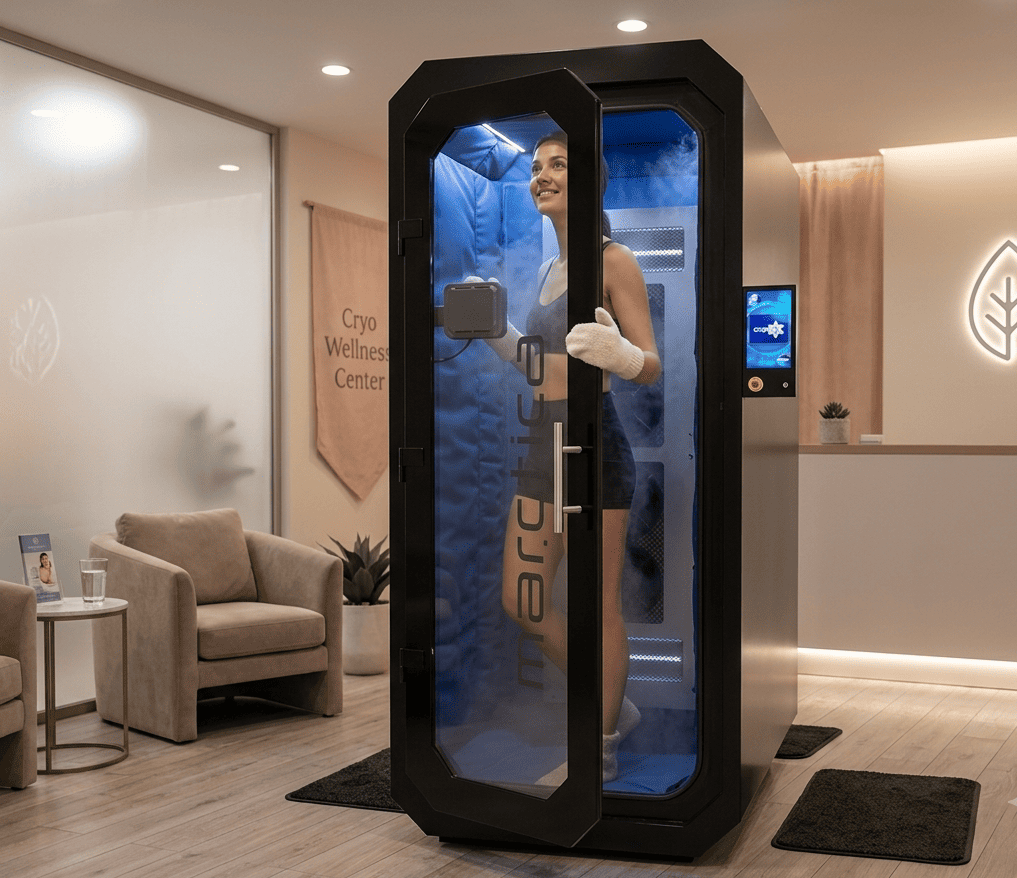
A cryotherapy session unfolds in six short stages. Booking and arrival, health screening intake, changing into minimal dry clothing plus protective gear (gloves, socks, slippers), stepping into the chamber (head stays outside in a cryosauna), 2 to 3 minutes at target temperature under staff supervision, then stepping out and warming up with light movement. The Restore operator chain describes this same sequence across their US locations. Total visit time including changing and warm-up is roughly 15 to 20 minutes.
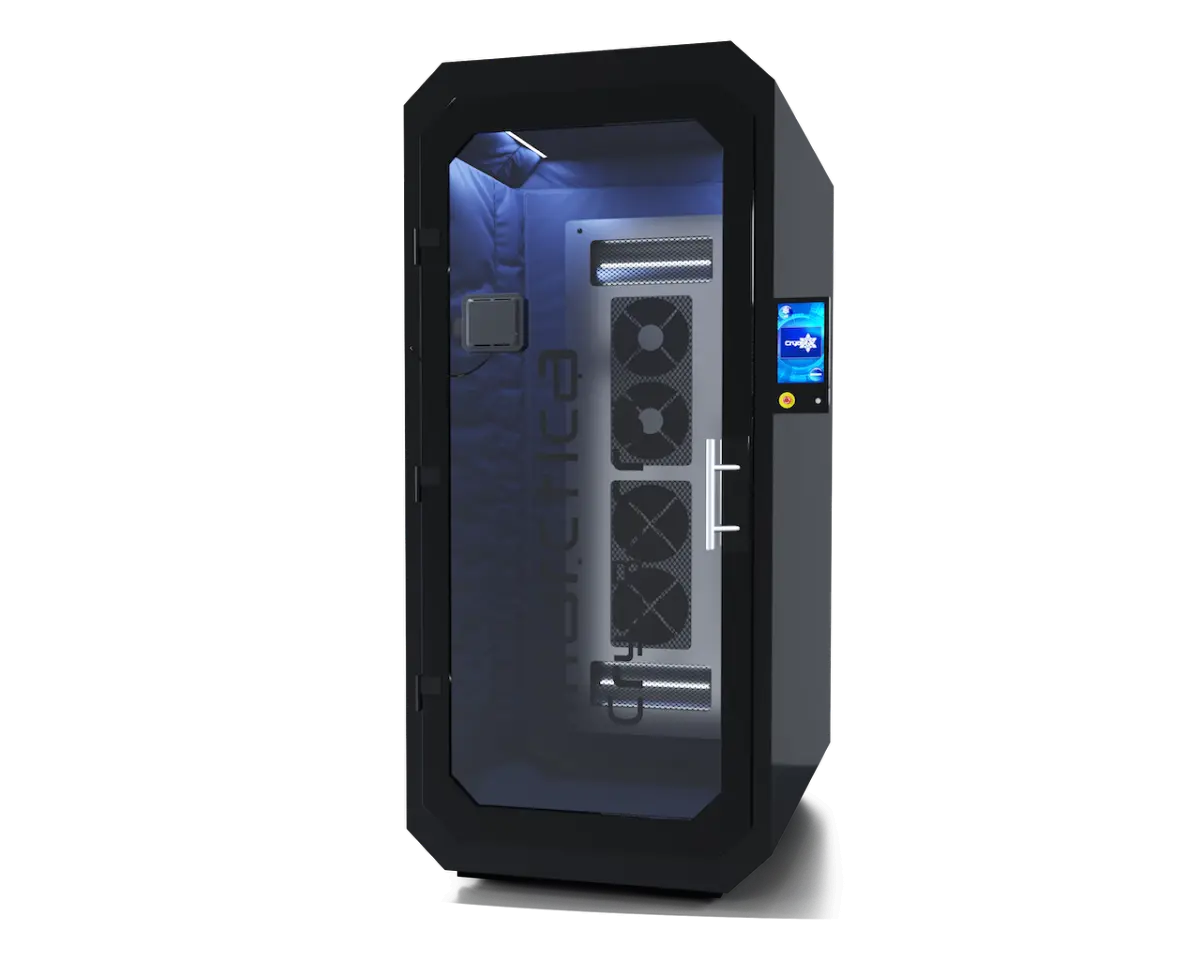
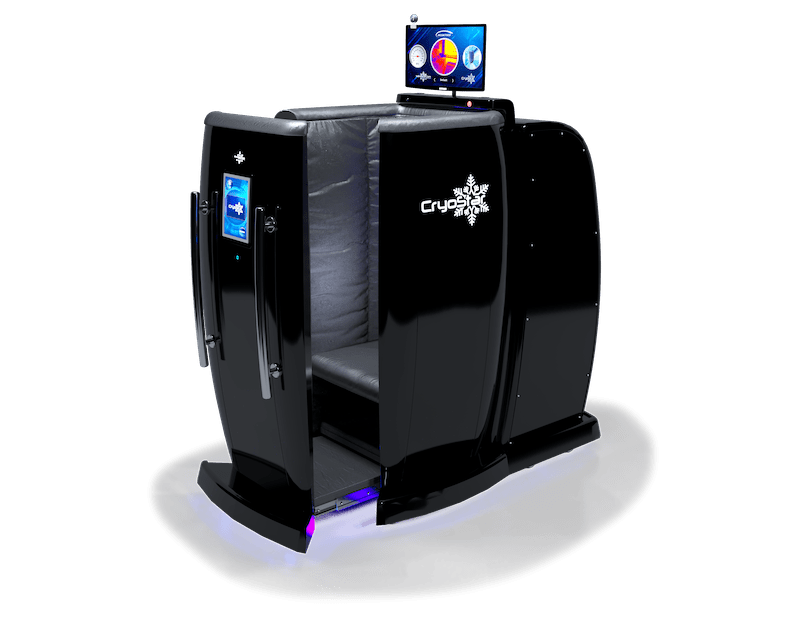
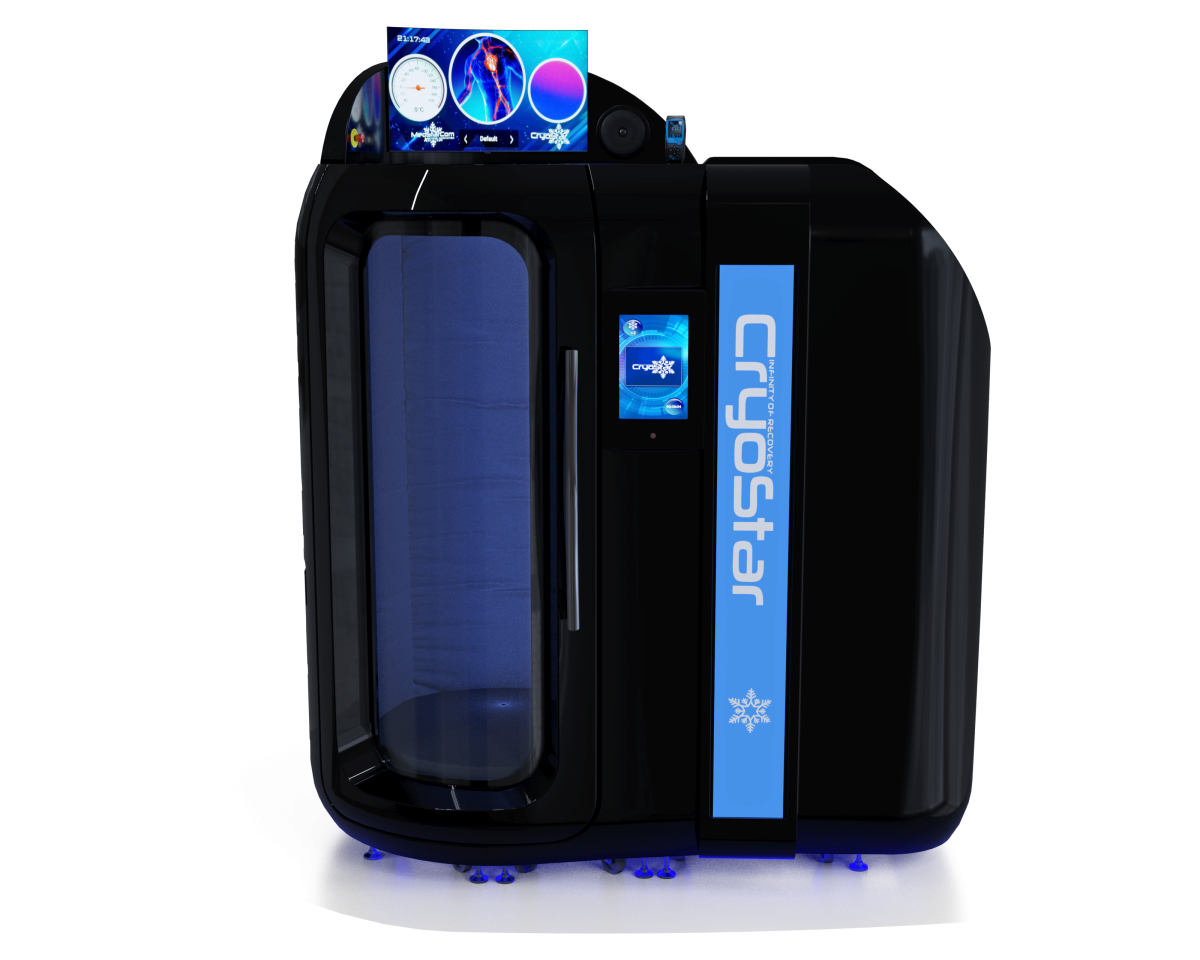
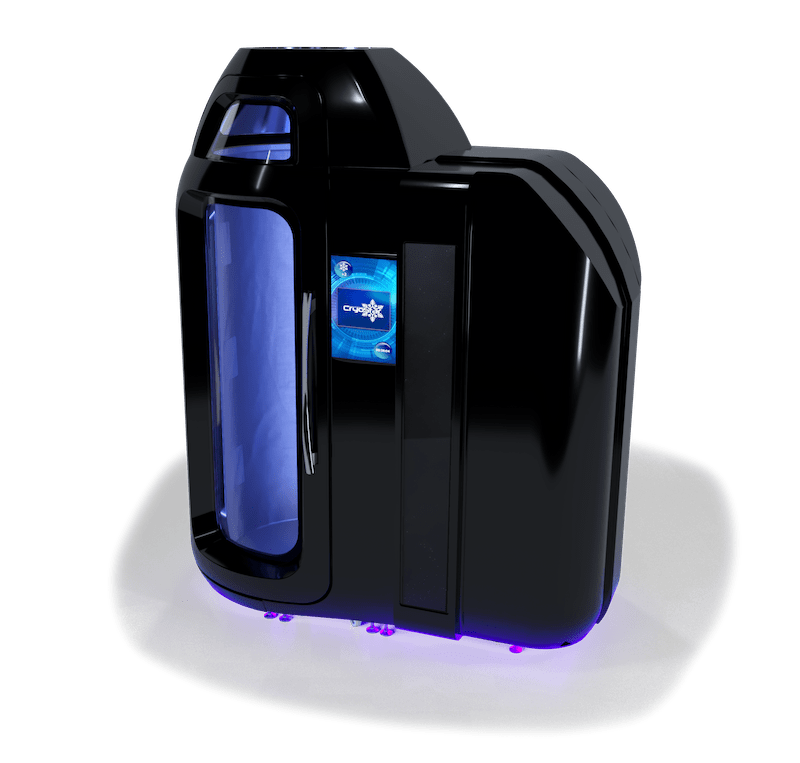
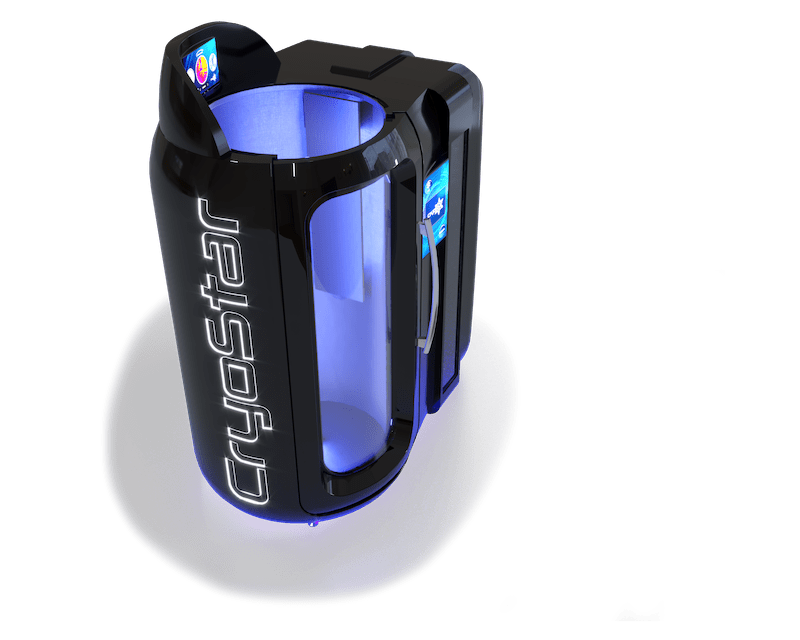
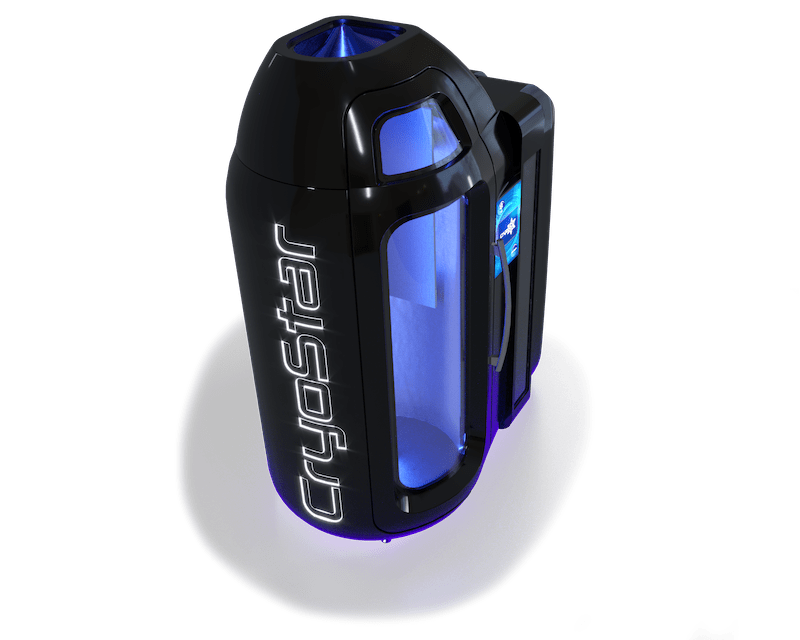
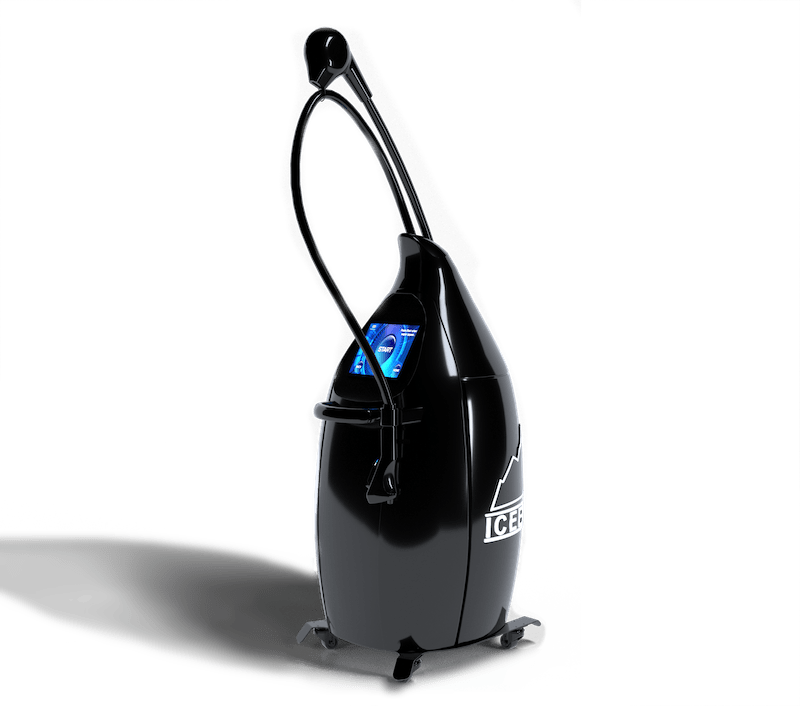
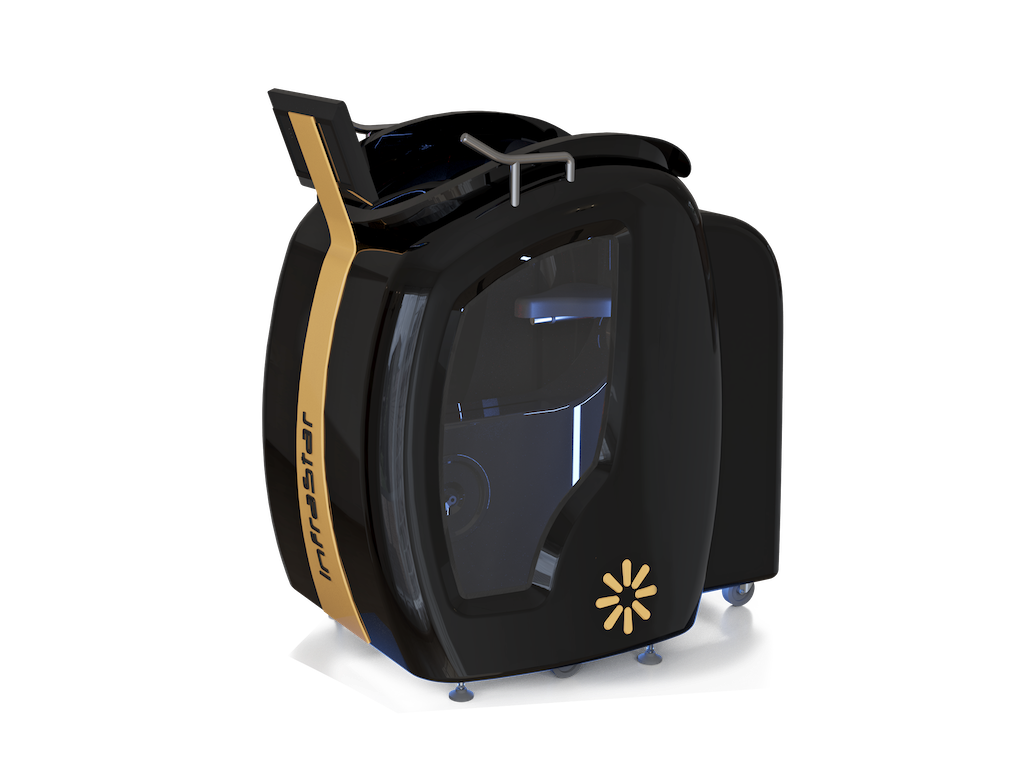
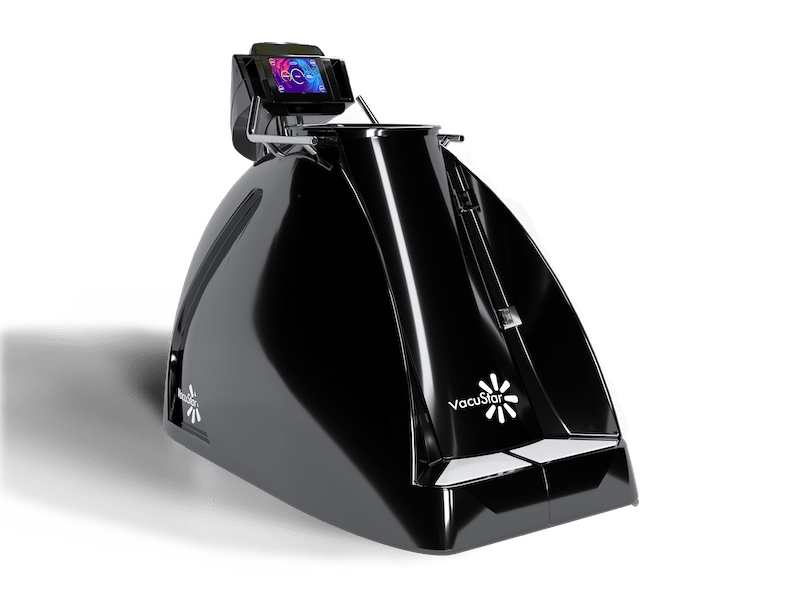
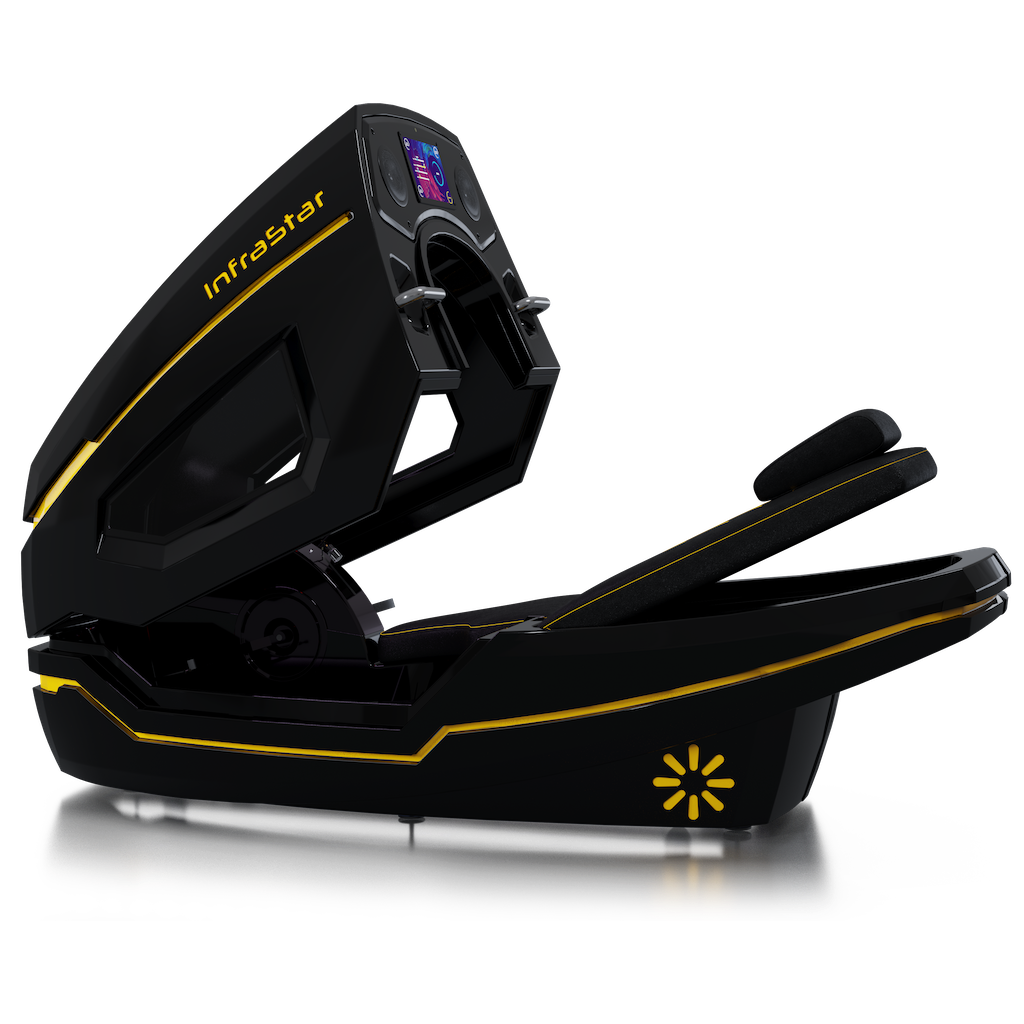
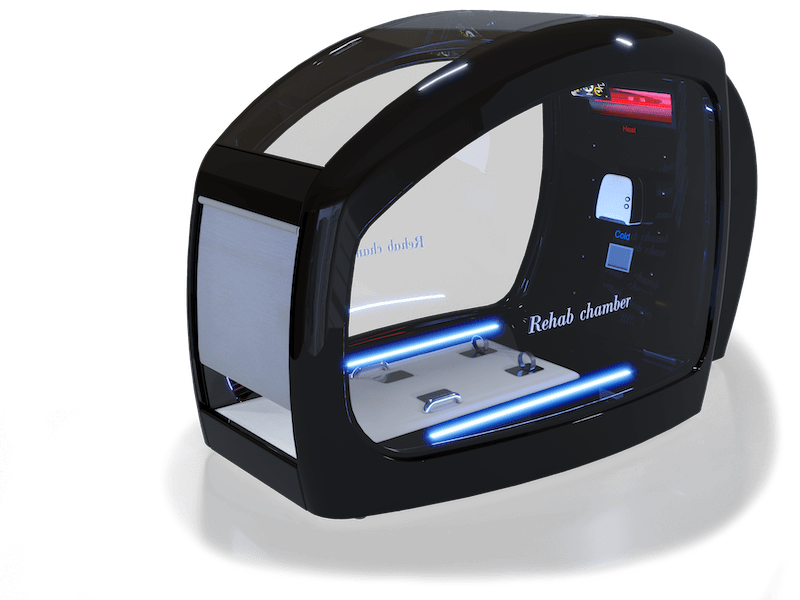
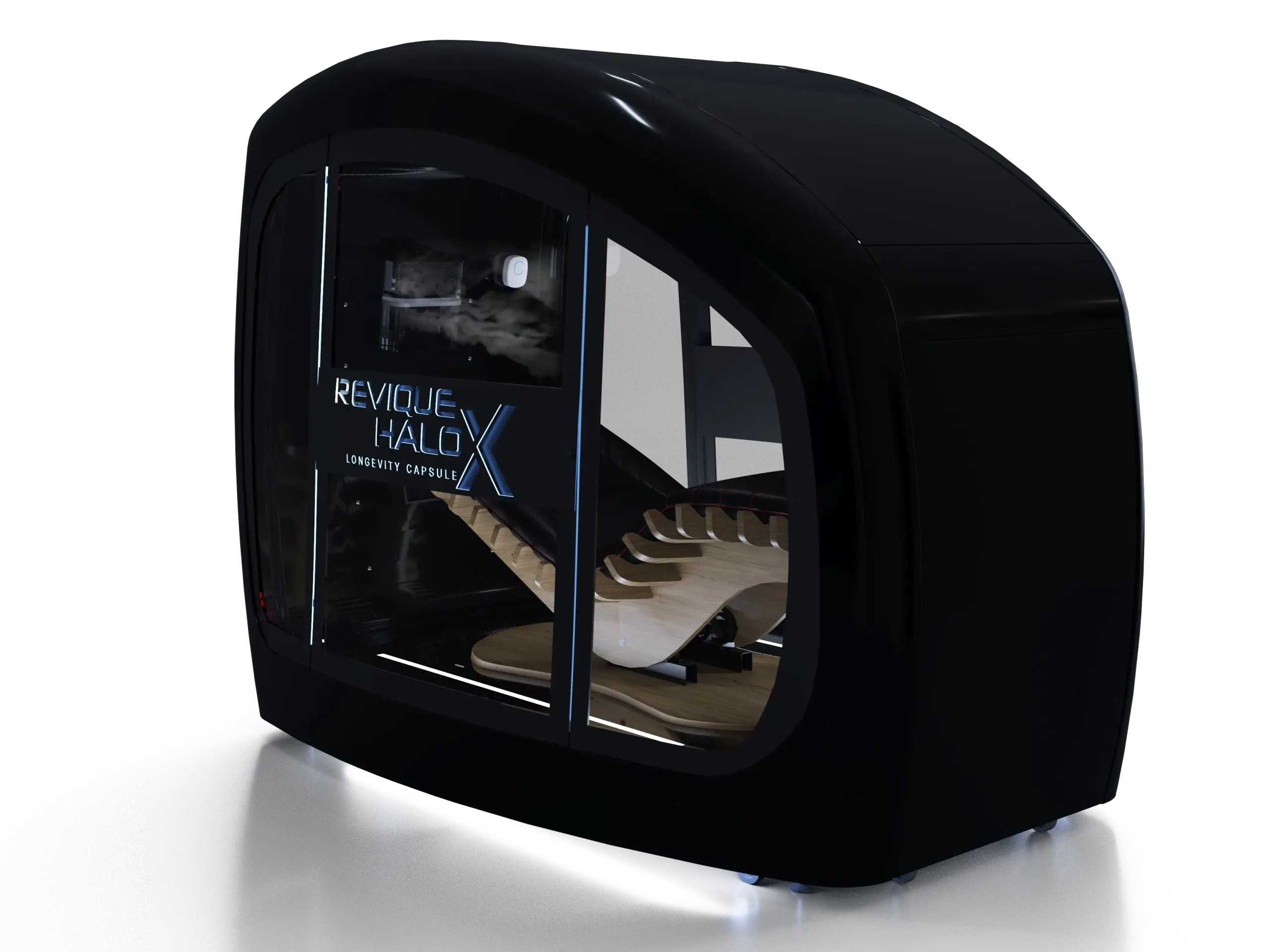
The chamber itself is either a cryosauna (head-out configuration where your head remains at room temperature above the chamber opening) or a walk-in electric chamber where the whole body including the head is inside. First-timers usually visit cryosauna studios because the head-out configuration is less intimidating and gives you control over your breathing air. For the underlying technology differences and how each chamber cools the air, see Komora krioterapii elektrycznej: jak działa technologia bezazotowa which covers the electric vs nitrogen chamber engineering.
Before Your Session: Screening and Preparation
The first stage is a short health questionnaire that screens for contraindications. Studios ask about heart conditions, blood pressure, pregnancy, cold sensitivities like Raynaud’s disease, active infections, and open wounds, per the Cryo Energy operator intake protocol. Answer honestly; the questionnaire exists so staff can flag conditions that require medical clearance before a session. If any red flags come up, the studio will typically recommend a doctor’s approval before your first cryotherapy session.
Practical preparation is minimal. Arrive with clean, dry skin (no heavy lotions, oils, or sweat). Remove all jewelry, watches, piercings, and metal accessories before entering the chamber; metal can reach dangerously cold temperatures against skin during the 2 to 3 minute exposure. Change into the minimal clothing you will wear inside (shorts and a sports bra typically, dry underwear otherwise) plus the protective gear the studio provides. Skip heavy meals immediately before the session but do not arrive on an empty stomach either; a light meal or snack an hour or two ahead is ideal. Hydrate well beforehand.
What to Wear in a Cryotherapy Chamber
You wear minimal dry clothing plus the protective gear the studio provides. The provided gear typically includes insulated gloves, thick socks, closed-toe slippers, and often a headband or hat. Some studios also provide a face mask for the mouth and nose. Underneath, you keep only what is dry and minimal: shorts and a sports bra for women, dry underwear (usually cotton boxer-briefs) for men. The Restore operator practice is representative of this gear standard across most US studios.
Two rules matter: dry and minimal. Sweat, oil, or heavy fabrics against skin can freeze or increase discomfort during the session. Metal against skin (chains, watches, piercings) can reach dangerously cold temperatures and cause frost injury. If in doubt about a specific item of clothing, ask the studio staff before entering; they see hundreds of first-timers and can advise quickly.
During the Session: How It Actually Feels
The staff member briefs you and opens the chamber. You step in; in a cryosauna, your head remains at room-temperature air above the opening, and the door or entry stays unlocked so you are in control at all times. Some cryosaunas have a pre-chamber (roughly -60C) for a brief acclimation before the main chamber (-110C to -140C), per Tom’s Guide first-person coverage of a dual-chamber session. Others move you directly into the main chamber.
The dominant sensation in the first 15 to 30 seconds is intense, dry cold spreading across the skin. Your skin temperature drops roughly 10 to 15 degrees Celsius within the first 30 seconds per Biology Insights June 2025 physiology coverage. Some people experience mild shivering or a pins-and-needles tingling in this early phase, which is normal and expected. Your body triggers a vasoconstriction response: blood flow pulls from the extremities toward the core to protect your internal body temperature. The chamber does not touch your core body temperature; it is the skin surface that experiences the cold.
Around 1 to 1.5 minutes in, the initial shock settles. Many people describe it as feeling like standing outside on an extremely cold winter day: uncomfortable and intense, but not damaging and not painful in the sense of injury. When people ask does cryotherapy hurt, this is the accurate answer: cold discomfort is real, but pain in the injury sense is not what you feel. Breathing may feel slightly labored at first (the Tom’s Guide first-person account mentions this) but stabilizes as you settle. Staff typically stay close and check in verbally through the session. If you are curious specifically how cold is a cryo chamber during your session, the -110C to -140C range is what your skin experiences while your core body temperature stays protected. Most first-timers complete 2.5 minutes; some studios start beginners at 2 minutes and build up over successive visits. The final 30 seconds tend to pass quickly, and by the end most first-timers already anticipate the burst of energy and endorphins waiting on the other side. When time is up, the staff member helps you step out.
How Long Is a Cryotherapy Session?
A standard whole body cryotherapy session lasts 2 to 3 minutes. When first-timers research cryotherapy how long a session actually takes, this is the answer: 2 to 3 minutes inside the chamber itself. First-timers typically start around 2 to 2.5 minutes and build up as they get comfortable across their first few visits. The 2 to 3 minute window is set by the physiology, not by studio convention: your skin temperature drops rapidly during this window, delivering the cold-exposure stimulus, while your core body temperature stays protected. Longer sessions do not increase benefit and can start to affect core temperature, which is not the goal. Cryolete’s 2023 session guidance frames this the same way, and it echoes the cryotherapy what to expect messaging most reputable operators use with first-timers.
The full studio visit including check-in, questionnaire, changing, session, and warm-up runs roughly 15 to 20 minutes. Many studios can accommodate a lunch-break slot. Some operators offer cryotherapy alongside other modalities (red light therapy, compression, infrared) which extends visit time when combined. For a deeper look at chamber temperature specifics, see How Cold Is a Cryotherapy Chamber? Temperature Guide which covers temperature ranges across machine types.
After Your Session: What to Expect
Stepping out, blood rushes back to the surface skin (vasodilation) and you feel a distinct warming flush across your body. This rewarming sensation typically starts within 30 seconds and continues over the next several minutes. Most people feel a mood lift and energy boost from released endorphins and norepinephrine that lasts several hours, per Biology Insights physiology coverage. Athletes often report reduced delayed onset muscle soreness (DOMS) in the following 24 to 48 hours, a documented cryotherapy benefit for athletes across recovery contexts. These immediate post-session cryotherapy benefits, particularly the endorphins boost and DOMS reduction, are what most first-timers notice within the first few hours.
Practical recovery tips: light movement (walking, gentle stretching) helps the rewarming process. Hydrate well after the session. Avoid intense exercise immediately after (give your body 30 to 60 minutes to rewarm fully) but light activity is beneficial. Consider what to wear post-session too – loose comfortable clothing supports the natural rewarming process better than restrictive fabrics. Do not expect a miracle from a single session; the strongest cryotherapy benefits accumulate with consistent sessions (2 to 4 times per week for several weeks in typical protocols), and only when you have cleared any cryotherapy contraindications listed in the safety table below. For the underlying evidence base on cryotherapy applications and cumulative benefits, see Benefits of Cryotherapy Chamber Sessions: What Science Says .
Is Cryotherapy Safe? Who Should Avoid It
Whole body cryotherapy is generally safe for healthy adults when sessions are supervised, time-limited to 2 to 3 minutes, and conducted with protective gear on hands, feet, and head. The Cryo Energy operator intake protocol and CryotherapyIndy FAQ both emphasize that staff supervision plus the standard time limits keep cryotherapy well within safe parameters for the general adult population. However, several conditions require medical clearance or avoidance entirely; the table below covers the standard contraindications documented across operator practices.
| Condition | Why It Matters |
| Severe or uncontrolled high blood pressure (hypertension) | The intense cold causes vasoconstriction that briefly raises blood pressure, which can be risky for uncontrolled hypertension |
| Significant heart conditions (recent heart attack, unstable angina, arrhythmias, heart failure) | The cardiovascular response to extreme cold stresses the heart; medical clearance is required for any significant cardiac history |
| Pregnancy | Whole body cryotherapy has not been studied for safety in pregnancy; the physiological stress is not recommended without physician approval |
| Raynaud’s disease or cold hypersensitivity | Raynaud’s causes severe vasospasm in fingers and toes on cold exposure; cryotherapy can trigger painful episodes |
| Cold urticaria (cold-induced hives) | The immune system reacts to cold exposure with hives, swelling, or in severe cases anaphylaxis; cryotherapy is not appropriate |
| Cryoglobulinemia and cold agglutinin disease | Rare blood conditions where cold exposure causes serious circulatory complications; contraindicated for cryotherapy |
| Active infection, fever, or acute illness | Systemic stress response is already elevated; adding cold stress is not advised until recovered |
| Open wounds, skin infections, or severe skin conditions | Extreme cold on open or compromised skin can worsen tissue damage; wait until fully healed and consult staff |
If you have any of these conditions and want to try cryotherapy, get medical clearance from a doctor familiar with your history before booking. Studios will typically require documentation for cardiac and hypertension cases. Claustrophobia concerns are also common but usually manageable in cryosaunas because your head stays outside the chamber, you breathe room air, and the door remains unlocked so you retain control. If you feel uncomfortable at any point during a session, tell the staff member; they can end the session immediately, and cutting a first session short is a common and reasonable choice. For a broader look at chamber configurations that fit different comfort profiles, see nasze komory krioterapii across both electric and nitrogen lines.
Tips for Getting the Most From Your First Visit
A few small preparations improve your first-visit experience meaningfully. Keep an open mind and remember that most first-timers find the session less intense than they feared before entering. Breathe steadily and slowly through the session; some people count breaths as a focus technique. If you can shift your weight or take small steps inside the chamber (some studios allow this), gentle movement helps you stay comfortable. Tell the staff member if anything feels off; you are always in control, and they end the session at your request without question.
Plan for consistency if you want to see cumulative benefits. A single session gives you the immediate endorphin lift and possibly some DOMS reduction if you had a hard workout in the prior day or two, but the recovery, mood, and metabolic benefits documented in the research literature come from 2 to 4 sessions per week over several weeks. Do not compare your experience to social-media testimonials that promise dramatic transformation from one session; the honest expectation is a manageable session, an immediate energy and mood boost lasting several hours, and cumulative recovery benefits over time. Common practical questions from first-timers include cryotherapy what to expect physically session-by-session, cryotherapy how long the effects last, and how cold is a cryo chamber compared to other cold-exposure options; all three are answered in the linked temperature guide and the sections above. For operators onboarding new clients, this same framework applies for setting expectations; see What Is a Cryotherapy Chamber? Anatomy of a Modern Cryosauna for a chamber-anatomy walkthrough useful in onboarding.
Często zadawane pytania
Q1. What happens during a cryotherapy session?
You change into minimal clothing and put on the provided protective gear (gloves, socks, and slippers), then step into the chamber. In a cryosauna your head stays outside while your body is surrounded by dry air cooled to roughly -110C to -140C. You stay in for 2 to 3 minutes while a staff member supervises, then step out and warm up with light movement. The whole visit, including changing, takes about 15 to 20 minutes.
Q2. What do you wear in a cryotherapy chamber?
You wear minimal, dry clothing such as shorts and a sports bra, plus the protective gear the studio provides: gloves, socks, slippers, and often a hat or headband. You remove all jewelry and metal accessories because metal can reach dangerously cold temperatures against the skin. Your skin should be dry, so you wipe off any sweat or lotion before entering.
Q3. How long is a cryotherapy session?
A standard whole body cryotherapy session lasts 2 to 3 minutes. First-timers usually start around 2.5 minutes and build up as they get comfortable. Sessions are kept short on purpose; the cold lowers your skin temperature quickly, but the brief exposure protects your core body temperature. Longer is not better and is not recommended.
Q4. Does cryotherapy hurt or is it painful?
It is not painful, but the cold is intense. The main sensation is a penetrating dry cold across your skin, and some people feel mild shivering or a pins-and-needles tingling, especially in the first 30 seconds as skin temperature drops. It feels like standing outside on an extremely cold winter day. Because it lasts only 2 to 3 minutes and your head stays outside, most first-timers find it far more manageable than they expected.
Q5. What does cryotherapy feel like?
The dominant feeling is intense, dry cold that can be startling at first. Your skin temperature drops about 10 to 15 degrees Celsius within the first 30 seconds, which may trigger brief shivering. Many people then settle into the sensation as the minutes pass. Stepping out, blood rushes back to the surface and most people feel a warming flush, a burst of energy, and a noticeable mood lift from released endorphins.
Q6. How should I prepare for my first cryotherapy session?
There is little you need to do. Arrive with clean, dry skin (no heavy lotions), bring or wear minimal clothing, and be ready to remove jewelry and metal. Avoid the session if you have an open wound, fever, or one of the listed contraindications without medical clearance. Hydrate beforehand, keep an open mind, and let the staff know it is your first time so they can walk you through each step.
Q7. How do you feel after cryotherapy?
Most people feel energized, alert, and slightly euphoric for a few hours afterward, thanks to the endorphin release and the rush of blood back to the surface as the body rewarms. Athletes often report reduced muscle soreness (DOMS) in the day or two following a session. Light movement and hydration afterward help the rewarming process. The strongest effects are typically felt in the first several hours.
Q8. Who should not do cryotherapy?
Whole body cryotherapy is generally safe for healthy adults, but some people should avoid it or get medical clearance first. This includes those with severe high blood pressure, significant heart conditions, pregnancy, cold-related disorders such as Raynaud’s disease or cold urticaria, and anyone with an active infection, fever, or open wounds. If you are unsure whether cryotherapy is right for you, consult a medical professional before booking.
Wniosek
A first cryotherapy session is short, intense, and manageable. You spend 2 to 3 minutes in a chamber cooled to -110C to -140C, protected by gloves, socks, and slippers, with your head at room temperature (in a cryosauna). The cold is genuinely startling in the first 30 seconds, then settles as your body adjusts. You step out to a warming flush, an endorphin lift, and often a several-hour mood and energy boost. Whole body cryotherapy is generally safe for healthy adults; check the contraindications above and get medical clearance if any apply.
Consistency matters more than intensity for cumulative benefits, so if the first session goes well, plan for 2 to 4 sessions per week if you want the documented recovery and mood effects. For operators looking to onboard new clients or add cryotherapy to a wellness studio, Vacuactivus manufactures both electric and nitrogen chamber configurations; explore nasze komory krioterapii lub whole body cryotherapy sauna systems page for the WBC-specific configuration overview.


