








































Pressure Release Valve for Cryogenic & Industrial Safety Systems | Vacuactivus
Pressure release valve is a critical component in any cryogenic, industrial, or gas storage system, ensuring safety by regulating internal pressure and preventing dangerous build-ups. Whether installed in nitrogen tanks, cryotherapy equipment, or other pressurized systems, a high-quality pressure release valve protects both the machine and the operator from potentially hazardous conditions.
What Is a Pressure Release Valve?
A pressure release valve (also known as a pressure relief valve or PRV) is an automatic safety mechanism designed to open when the internal pressure of a container or vessel exceeds a preset limit. Its job is simple yet crucial: to release excess pressure and restore balance before structural damage or explosions occur.
These valves are used in a wide range of equipment, including:
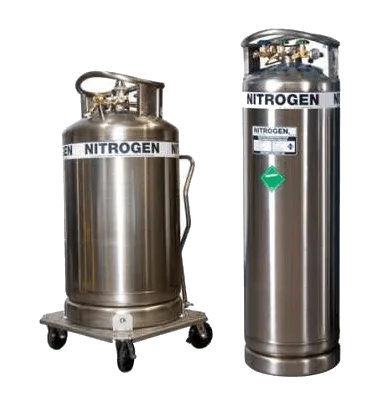
Cryogenic tanks (e.g., liquid nitrogen containers)
Pressure vessels
Pipelines and HVAC systems
Cryotherapy chambers
Industrial gas cylinders
By venting excess pressure to the atmosphere or a controlled discharge system, the PRV acts as the final defense line in maintaining operational safety.
Why Pressure Release Valves Matter
When storing gases such as nitrogen, oxygen, or CO₂ in a liquid or compressed state, temperature fluctuations and handling can cause pressure to rise rapidly. Without a functional PRV, tanks and chambers could rupture, leading to equipment damage, injuries, or environmental hazards.
Key Safety Roles:
✅ Protects against over-pressurization
✅ Prevents structural failures and explosions
✅ Ensures compliance with safety regulations
✅ Extends the lifespan of the tank or equipment
✅ Reduces downtime due to emergency shutdowns
How Does a Pressure Release Valve Work?
The valve is calibrated to a set pressure level—known as the “cracking pressure.” Once this level is exceeded:
The spring-loaded valve opens, releasing gas or vapor.
The pressure inside the tank drops back to a safe range.
The valve closes automatically once normal conditions are restored.
There are different types of valves, including:
Spring-loaded PRVs – Ideal for cryogenic and industrial uses.
Pilot-operated valves – Provide precision control in larger systems.
Temperature-activated valves – Useful in thermal pressure environments.
Application in Cryogenic & Fitness Equipment
At Vacuactivus, cryotherapy chambers, nitrogen tanks, and recovery equipment integrate top-tier pressure release valves to ensure uninterrupted performance and user safety.
Cryogenic Nitrogen Tanks: The PRV compensates for internal pressure rise due to boil-off gas.
Cryotherapy Chambers: Ensures client safety by balancing pressure during rapid cooling cycles.
Fitness & Recovery Machines: Reduces operational risk when dealing with thermal or compressed gas functions.
Choosing the Right Pressure Release Valve
When selecting a valve, consider:
| Feature | Importance |
|---|---|
| Set Pressure | Should match the system’s maximum working pressure |
| Material | Stainless steel or brass for cryogenic and industrial durability |
| Flow Rate | Must match discharge capacity requirements |
| Certifications | Ensure compliance with ASME, CE, or local codes |
| Maintenance Access | Look for serviceable and easily inspected designs |
Vacuactivus products are engineered with integrated safety valves that meet these standards, offering reliable protection and long-term performance.
Maintenance & Safety Tips
Regular Inspections: Test valves periodically for responsiveness.
Keep Clear: Ensure discharge outlets are unobstructed.
Avoid Tampering: Never adjust the valve set pressure without professional guidance.
Replace When Worn: Springs, seals, and diaphragms degrade over time.
Proper valve maintenance not only ensures compliance but also saves lives in high-pressure operations.
Final Thoughts
A pressure release valve may be a small component, but it plays a massive role in system safety. From cryogenic nitrogen storage to complex recovery equipment, this mechanism ensures the secure handling of pressurized environments. When you invest in high-quality machinery—especially for health, wellness, or industrial use—make sure the pressure release system is built to last.
For manufacturers and buyers alike, selecting reliable components like PRVs is not just best practice—it’s essential safety.


