
















Facial Cryotherapy: How Cold Boosts Collagen and Reduces Inflammation
Facial cryotherapy applies short bursts of very cold air or vapor to the face to reduce inflammation and briefly tighten skin. The immediate effect is reliable: cold causes vasoconstriction, which reduces swelling and puffiness. The collagen effect is cumulative and moderate; lasting tone benefits require 5 to 10 sessions across weeks, not one visit.
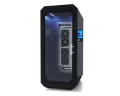
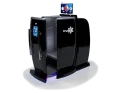
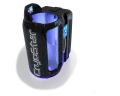
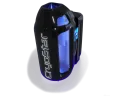
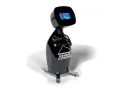
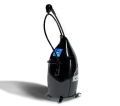
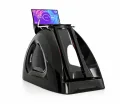
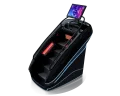
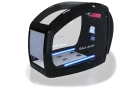
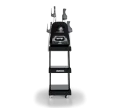
This article separates physiology from marketing. Anti-inflammatory action from a cryo facial is fast and repeatable; permanent tightening from one session is not defensible. The FDA has not cleared any facial cryotherapy device as medical treatment. Vacuactivus (Cronick Wellness Technology Factory) has manufactured Iceberg since 2009 (over 15 years) in Poland: nitrogen models (25L, 50L, Grand with thermal-imaging handle) and Iceberg Electric air-cooled.
What Is Facial Cryotherapy?
A cryotherapy facial applies chilled air or nitrogen vapor to the face and neck through a handheld wand across a few-minute session. The trend is sometimes called frotox because the immediate tightening resembles a light cosmetic result, though the mechanism is physiological. What is a cryo facial in practice: a wellness or aesthetic service targeting fresher skin, reduced redness, and short-term tightening. A localized cryotherapy machine delivers this at spa scale.
How Cold Reduces Inflammation and Puffiness
Cold triggers vasoconstriction in facial capillaries, reducing blood flow and swelling within the first minute. This is the reliable anti-inflammatory mechanism of a cryo facial: less under-eye puffiness, less redness, calmer skin immediately after. Cryotherapy for inflammation is well documented at tissue level. After the applicator moves off, rebound circulation returns oxygenated blood to the area, contributing to the refreshed look. Fast, repeatable, from the first session.
Does Cold Really Boost Collagen? The Honest Answer
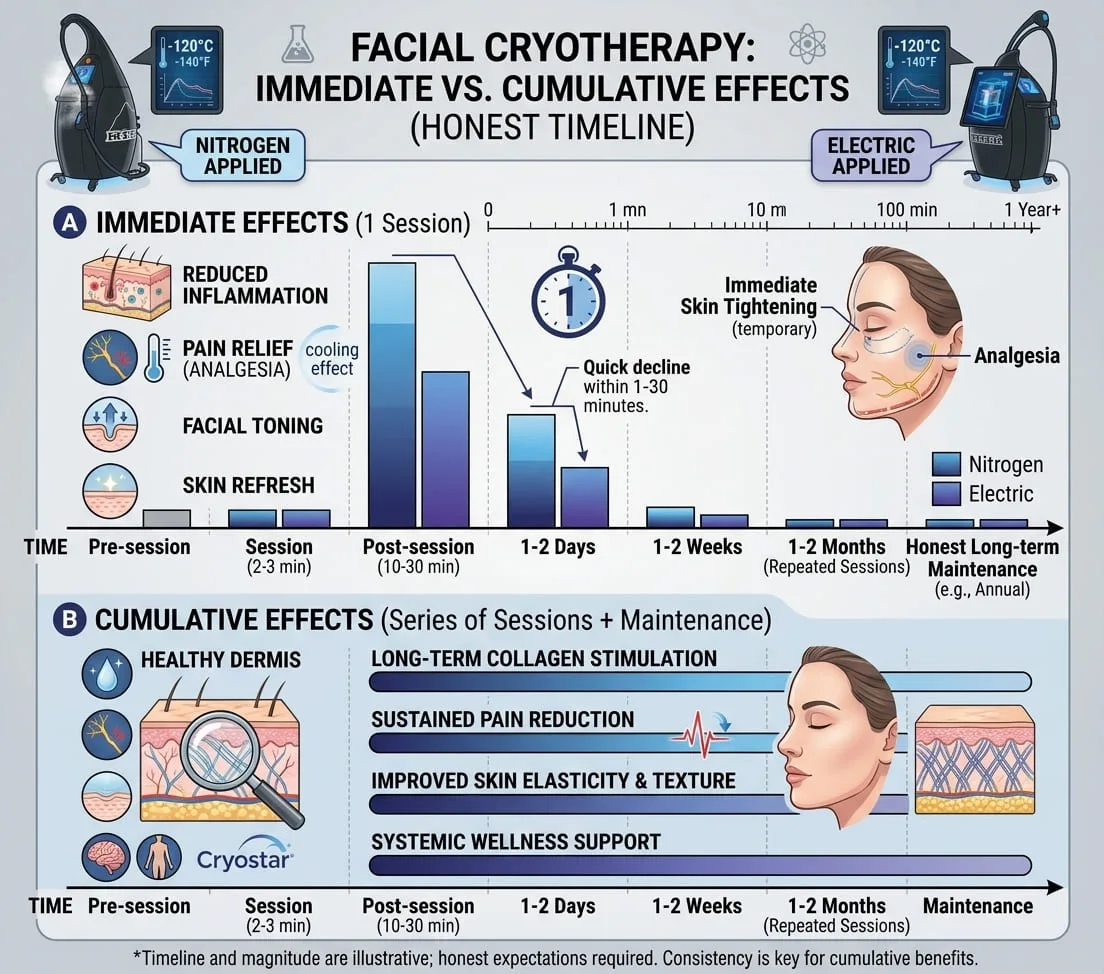
Cold exposure plausibly stimulates fibroblast activity and collagen production over repeated sessions, but the effect is moderate and cumulative. A single facial cryotherapy session does not produce measurable new collagen; that framing is marketing. What is defensible: repeated sessions support skin tone alongside hydration and sun protection. Cryotherapy skin tightening from one visit is temporary vasoconstriction, not structural remodeling.
Immediate Tightening vs Long-Term Collagen
The immediate tightening a client sees leaving the spa is vasoconstriction and dermis cooling; skin looks firmer for hours, not weeks. Lasting change requires repeat exposure; honest operators note lasting benefits appear after 5 to 10 sessions across weeks. Frame expectations: sell the reliable acute effect (calmer, temporarily tighter) and the cumulative program (moderate tone improvement), not a permanent lift. This aligns with the wellness-not-medical disclaimer that governs cryo facial treatment marketing.
What the Evidence Actually Shows
Peer-reviewed dermatology literature supports cryotherapy as an anti-inflammatory intervention. Research in JAMA Dermatology on whole-body cryotherapy for atopic dermatitis has reported reductions in itch and inflammatory markers; PMC-indexed reviews summarize vasoconstriction and anti-inflammatory mechanisms consistently. For skin tightening and collagen, evidence is weaker; effects are modest and cumulative. The FDA has cautioned that whole-body cryotherapy has not been cleared for medical treatment; the same posture applies to facial cryotherapy devices.
Benefits of a Cryotherapy Facial for Skin
Cryotherapy facial benefits fall into two honest categories. Immediate: reduced under-eye puffiness, reduced redness (useful for rosacea-type flushing), calming of acne inflammation, temporary tightening, improvement in blood circulation and skin rejuvenation. Cumulative across a course: moderate tone improvement and support for anti-aging routines. See cryotherapy for skin collagen and tone and facial redness treatment with local cryotherapy.
Side Effects, Risks and Who Should Avoid It
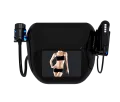
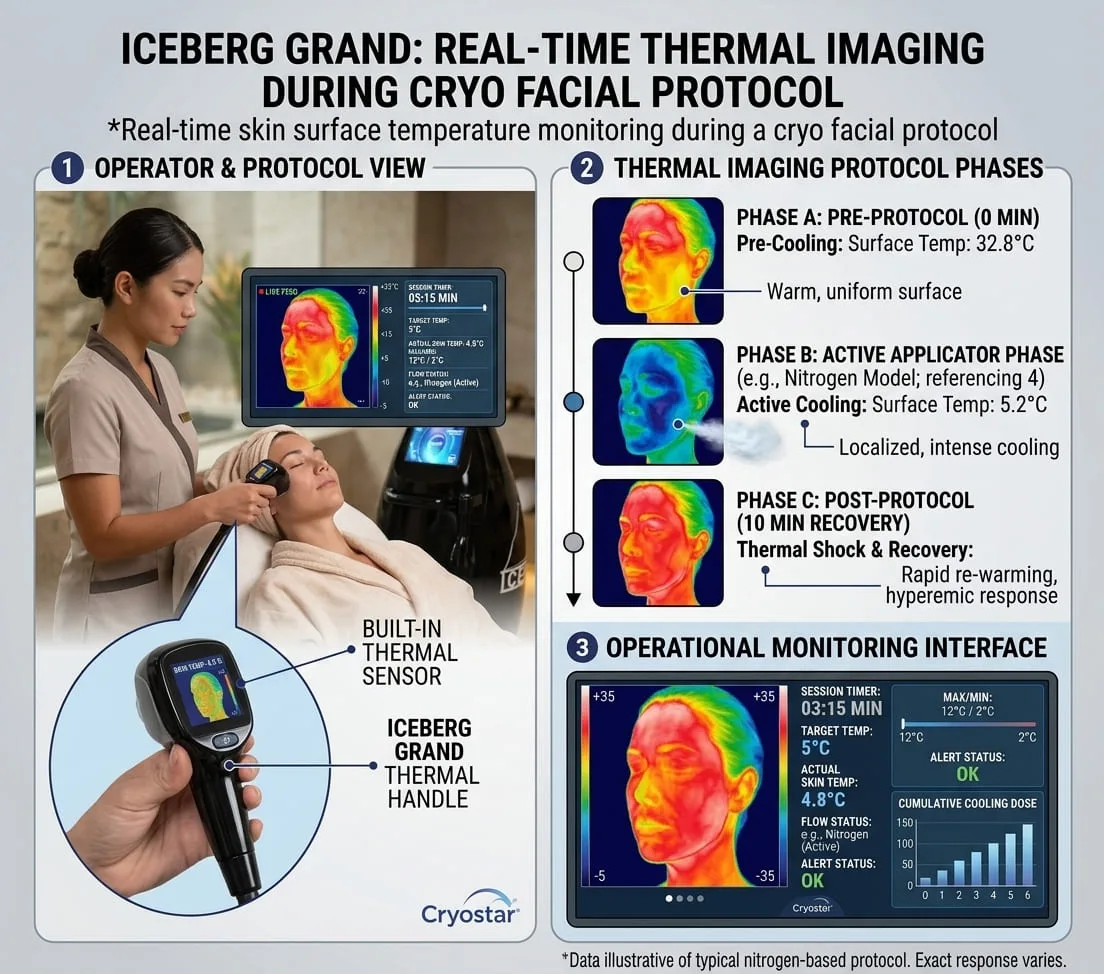
Cryo facial side effects are usually mild: transient redness, tingling, numbness, short-lived sensitivity. Rare but real: frostbite from over-application, which is why the Iceberg Grand includes a thermal-imaging handle for real-time skin temperature monitoring. Contraindications (not exhaustive): pregnancy, uncontrolled hypertension, cardiovascular disease without physician clearance, Raynaud syndrome, cryoglobulinemia, cold urticaria, active skin infection, cold sensitivity. Estheticians follow a documented protocol with pass duration and distance limits calibrated to the machine.
Nitrogen vs Electric: Choosing a Cryo Facial Machine
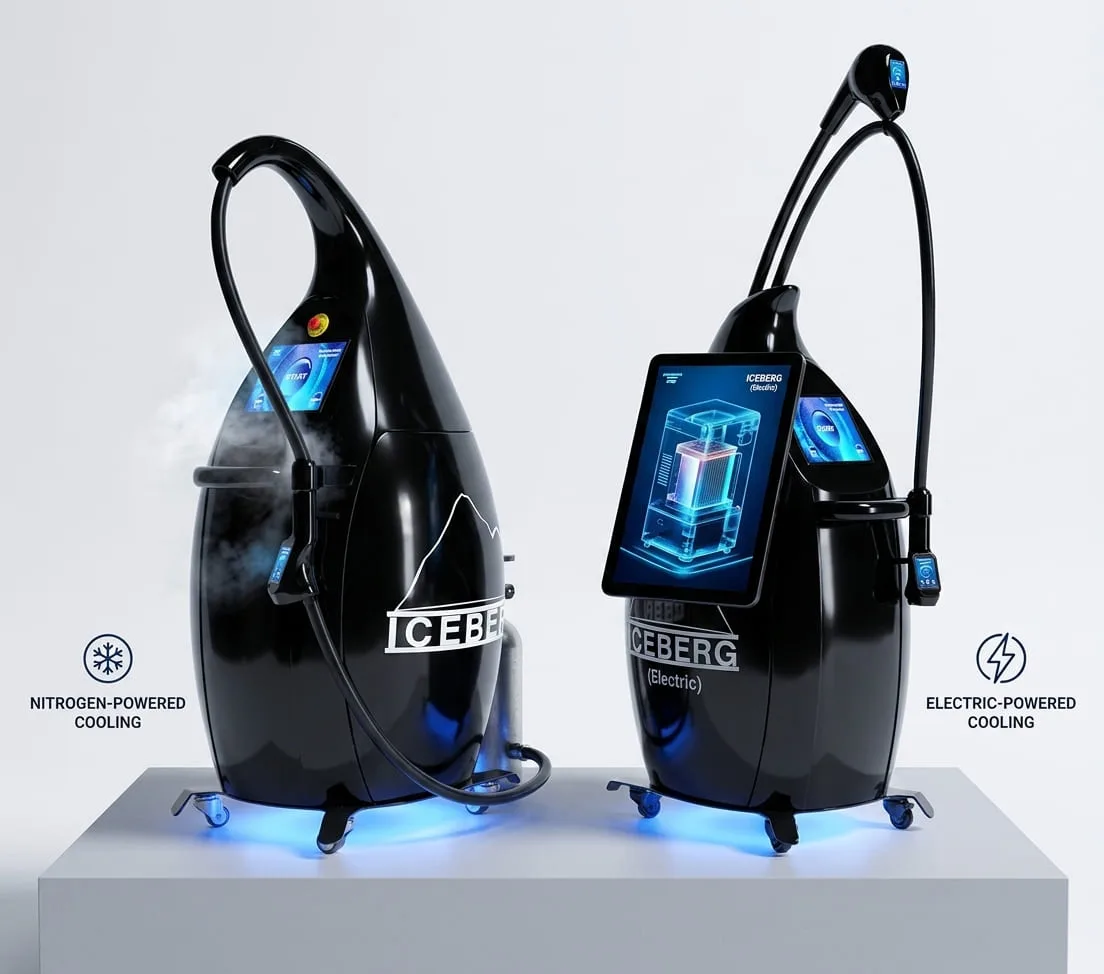
The core choice for a spa investing in a cryo facial machine is nitrogen versus electric. Nitrogen delivers colder, faster treatment; electric delivers lower running cost and no cryogenic handling. Vacuactivus manufactures both in the Iceberg line; the pick depends on client volume and logistics. See electric versus nitrogen local cryotherapy for the side-by-side.
Iceberg 25L, 50L and the Grand Thermal-Imaging Handle
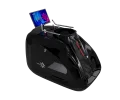
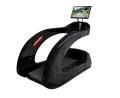
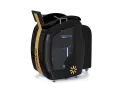
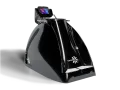
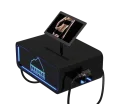
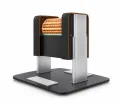
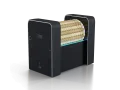
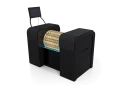
The nitrogen cryo facial machine Iceberg 25L handles typical facial volume with a 25-liter dewar and vapor to approximately -160 Celsius. The high-volume localized cryotherapy Iceberg 50L doubles dewar capacity for high-throughput spas. The Grand version adds a thermal-imaging handle for real-time skin temperature monitoring, the practical answer to frostbite risk on faster protocols. See iceberg 25l versus 50l comparison for capacity math.
Iceberg Electric: Nitrogen-Free, Lower Running Cost
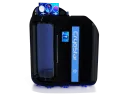
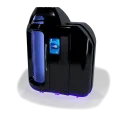
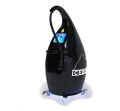
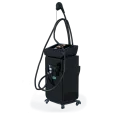
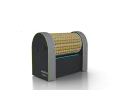
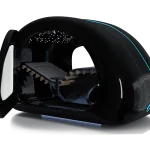
The electric localized cryotherapy machine Iceberg Electric uses a compressor-driven chilled-air system with no nitrogen supply chain. Applicator reaches approximately -20 Celsius, milder than nitrogen but sufficient for anti-inflammatory and puffiness protocols with longer contact time. Trade-off: less cold intensity, no cryogenic logistics, lower running cost. For a studio adding facial cryotherapy without nitrogen dewar contracts, this is the pragmatic entry. Pairs well with red light facial treatment on the same menu.
Cost, ROI and Adding Cryo Facials to a Spa Menu
Cryo facial cost per session in US markets runs $40 to $150 depending on region. Consumers searching cryotherapy facial near me see medspa listings in this range; urban boutique locations sit at the top. A cryo facial machine investment pays back through added menu tier and modest weekly volume: at $80 average and 15 sessions per week, gross revenue supports commercial cryo machine amortization on typical spa timelines. Nitrogen adds recurring dewar cost; electric adds only electricity.
Specifications That Matter (Iceberg Range)
Iceberg 25L: 25-liter nitrogen dewar, vapor applicator to approximately -160 Celsius. Iceberg 50L: 50-liter dewar, same working temperature, higher throughput. Iceberg Grand: nitrogen platform with thermal-imaging handle for real-time skin temperature control. Iceberg Electric: air compressor, applicator to approximately -20 Celsius, no nitrogen. All ship with commercial warranty and factory-direct parts from Cronick Wellness Technology Factory. Confirm current specification and terms with Vacuactivus sales.
Frequently Asked Questions
Q1. Does facial cryotherapy actually boost collagen?
It supports collagen modestly across a course, not from a single visit. The immediate visible tightening is temporary vasoconstriction, not new collagen. Lasting tone improvement from a cryotherapy facial requires repeat exposure across weeks, and even then the effect is moderate rather than dramatic. Frame client expectations toward a program, not a one-off.
Q2. Is the skin tightening from a cryo facial permanent?
No. The tightening after one session is temporary and driven by cold-induced vasoconstriction; it fades within hours as normal skin blood flow returns. Sustained tone improvement requires 5 to 10 sessions across weeks alongside skincare, hydration, and sun protection. Anyone promising permanent tightening from one cryo facial is overselling the physiology.
Q3. How does facial cryotherapy reduce inflammation?
Cold triggers vasoconstriction in facial capillaries, reducing localized blood flow, swelling, and redness within seconds. The anti-inflammatory action of cryotherapy for inflammation is well documented at tissue level and is the most reliable immediate benefit of a cryo facial. Rebound circulation after the session contributes to the calmed appearance clients notice.
Q4. How many cryo facial sessions do I need to see results?
One session delivers reliable immediate effects: reduced puffiness, calmer skin, temporary tightening. Cumulative benefits (moderate tone improvement) appear after 5 to 10 sessions across weeks. Frequency depends on skin type and goals; twice a week for a course then monthly maintenance is a common protocol.
Q5. Nitrogen vs electric cryo facial machine, which is better?
Nitrogen models (Iceberg 25L, 50L, Grand) reach approximately -160 Celsius vapor, delivering faster and colder treatment but requiring dewar refills. Iceberg Electric uses chilled air to approximately -20 Celsius with no nitrogen, giving lower running cost and simpler operation. Higher-volume spas pick nitrogen; studios avoiding cryogenic logistics pick electric.
Q6. Are cryo facials safe and what are the side effects?
Generally safe when performed with a documented protocol. Common cryo facial side effects: transient redness, tingling, numbness, short-lived sensitivity. Rare but real: frostbite from over-application, which is why the Iceberg Grand thermal-imaging handle exists. Always follow machine-specific pass duration and distance guidance in the operator manual.
Q7. Who should not get a cryo facial?
Contraindications (not exhaustive): pregnancy, uncontrolled hypertension, cardiovascular disease without physician clearance, Raynaud syndrome, cryoglobulinemia, cold urticaria, cold sensitivity, active skin infection, autoimmune skin conditions. Anyone on anticoagulants or under active dermatologic care should consult a physician first.
Q8. How much does a cryo facial cost and how much can a spa charge?
US pricing runs $40 to $150 per session, most spas landing $60 to $100 for a standard facial cryotherapy service. A commercial cryo facial machine amortizes across modest weekly volume, faster in nitrogen high-throughput setups, slower with electric plus fewer sessions.
Q9. Is facial cryotherapy an FDA-approved medical treatment?
No. The FDA has not cleared any facial or whole-body cryotherapy device as medical treatment. Vacuactivus Iceberg equipment is positioned for wellness, aesthetic, and rehab applications, not medical treatment. This is a real regulatory position and should be reflected honestly on any spa menu referencing cryotherapy facial services.
Q10. Does the Iceberg cryo facial machine come with a warranty?
Yes. Iceberg 25L, 50L, Grand, and Iceberg Electric ship with commercial warranty and factory-direct parts from Cronick Wellness Technology Factory in Poland. Exact warranty duration varies by configuration; confirm current terms with Vacuactivus sales. Factory-direct parts availability meaningfully affects long-term operating cost.
Conclusion
Facial cryotherapy delivers a reliable immediate effect (reduced puffiness, calmer skin, temporary tightening) and a moderate cumulative effect (tone support across 5 to 10 sessions). It is not FDA-cleared as medical treatment. For spa operators, the practical choice is nitrogen (Iceberg 25L, 50L, Grand with thermal-imaging handle) versus Iceberg Electric (nitrogen-free, lower running cost). Vacuactivus has manufactured this class since 2009 in Poland.


