


















Indoor Bike Exercise Equipment: Buyer Checklist for 2026 Studios
A 2026 studio bike buyer checklist covers seven core criteria: frame build quality, resistance type, flywheel weight, console and software, footprint and power, warranty and supplier support. Standard commercial bikes from Peloton, Keiser, Life Fitness, Precor and Matrix cover the bulk of studio purchases at $1,000-$3,000 per unit. The infrared bike category is a separate specialty segment combining cycling with vacuum-cabin heat therapy, priced $20K+ per unit for body-shaping studios.
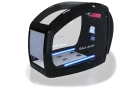
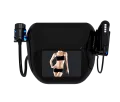
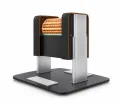
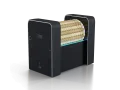
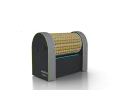
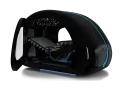
Vacuactivus manufactures the InfraStar family (upright, InfraStar S with 700W IR lamp plus 633nm collagen light, InfraStar Sole recumbent) at the Cronick Wellness Technology Factory in Poland since 2009 (over 15 years). Legitimate specialty peers include Body Space, Vaculife and Exclusive Shape (~$23,950 recumbent). Standard bikes are not obsolete: this is a buyer guide, not a sales pitch.
The 2026 Studio Bike Landscape: Standard vs Body-Shaping
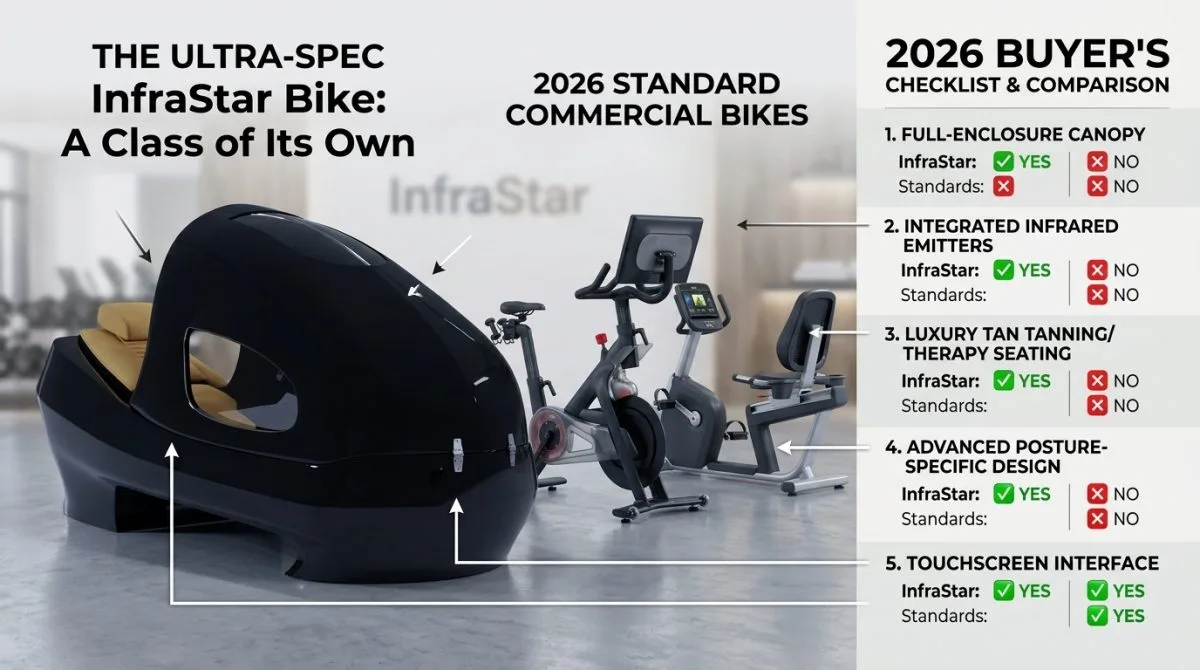
The commercial bike market splits into two segments in 2026. Standard commercial bikes (upright, indoor cycling / spin bike, recumbent, air bike) at $1,000-$3,000 per unit serve general cardio and spin classes. Body-shaping and premium wellness studios also buy specialty vacuum-cabin units at roughly ten times more. A busy spin room needs 20 solid Keiser M3i units before it needs one specialty unit.
Bike Types Studios Actually Buy
Three formats dominate studio purchases. Upright: traditional posture, weight capacity 300-350 lb. Indoor cycling / spin bike: aggressive geometry, heavy flywheel 30-50 lb, magnetic resistance on premium tiers. Recumbent: seat back and step-through frame for low-impact and plus-size riders, 350-500 lb capacity. Air bike: fan resistance with dual-action arms. Peloton Commercial, Keiser M3i, Life Fitness IC, Precor UBK/RBK, and Matrix S/R series cover most of this range.
The Core Buyer Checklist
Build Quality and Frame
The frame should carry heavy-gauge steel (typical 11-14 gauge), powder-coat finish for gym humidity, and weight capacity rated for the heaviest realistic client plus safety margin (300 lb minimum, 350-500 lb for open-access studios). Check welded joints, adjustable seat post and handlebar clamps, and pedal quality. A cheap frame ruins the ride even with premium electronics on top.
Resistance: Magnetic vs Friction
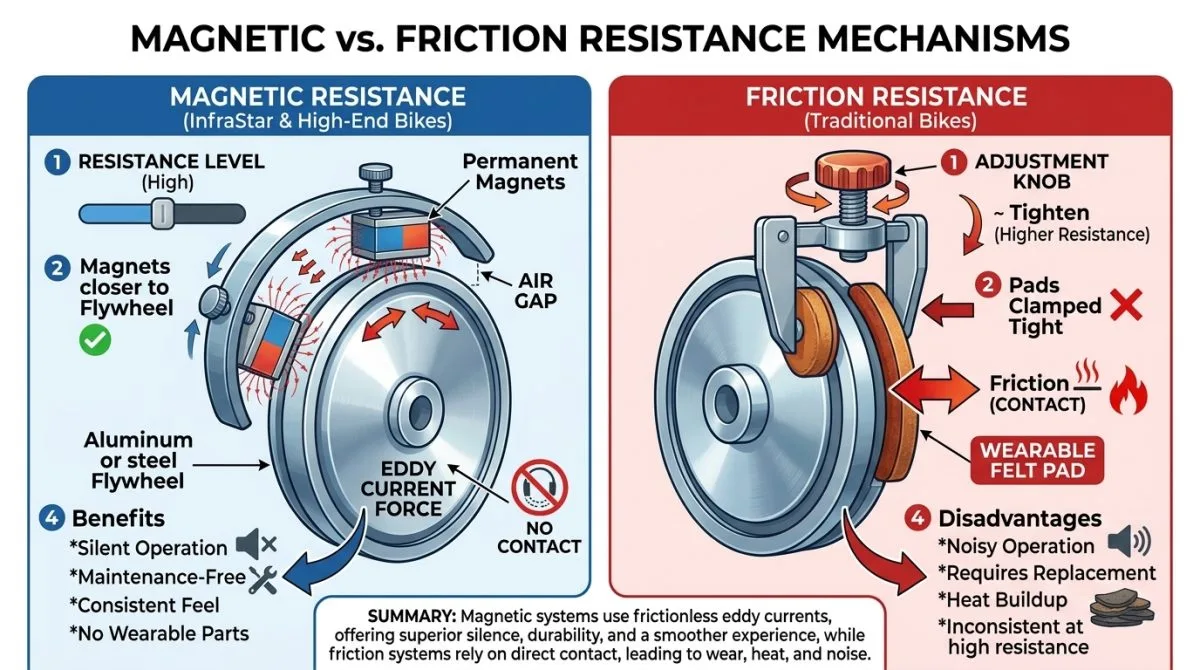
Magnetic resistance is quieter, maintenance-free (no wear pads), and preferred for premium commercial tiers on both spin and upright. Friction is cheaper and delivers a specific ‘road feel’ some spin instructors prefer, but pads wear. Direct-drive electromagnetic (used on premium spin and the InfraStar family) allows precise wattage control. For a new 2026 fleet, default magnetic or electromagnetic.
Console, Software and Member Experience
Console and software drive adherence and premium session pricing. Look for a bright color display readable in gym lighting, real-time metrics (cadence, watts, heart rate via ANT+ or Bluetooth), on-board programs, and integration with the studio management system. Peloton, Keiser M Series Connect, Life Fitness Halo and Matrix Sprint 8 are common software layers. A poor console kills a great frame.
Footprint, Power and Installation
Measure your studio floor plan before ordering. Typical upright: 1200 x 600 mm footprint plus 500 mm rider clearance. Spin similar. Recumbent longer: 1500-1700 mm. Standard 120V/60Hz US outlet is sufficient for consoles. Specialty vacuum-cabin units are much larger (InfraStar approximately 2460 x 1180 x 1200 mm) and draw ~2 kW, closer to spa equipment.
Warranty and Supplier Support
Warranty typically runs 1-5 years parts and labor for the frame, shorter on electronics and consumables. Read commercial-use exclusions, since some consumer brands void warranty in commercial settings. Supplier support matters more than warranty length: response time, parts availability and on-site service in your region determine actual downtime cost. Ask each vendor for named references from studios of similar size.
The Differentiator: Infrared and Vacuum Bikes
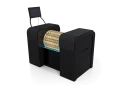
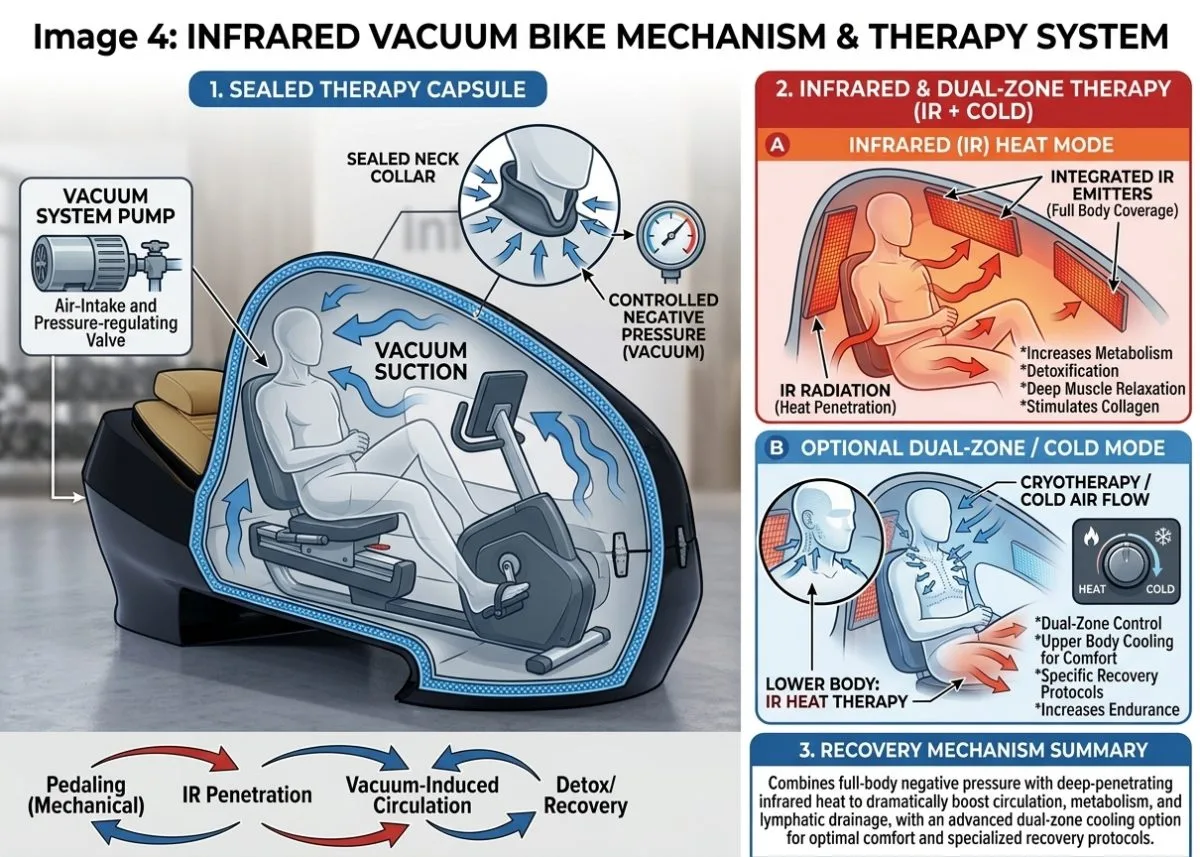
The specialty infrared bike category combines cycling with a sealed vacuum cabin at 0-30 mBar plus IR heat and, on premium tiers, red-light or cold-therapy modes. The category anchor for body-shaping studios is the infrared vacuum bike concept. Real market prices sit at $20K+ per unit versus $1-3K for standard commercial cardio; the value trade is client experience, adherence and studio differentiation, not magic calorie numbers.
What an Infrared Vacuum Bike Does
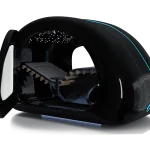
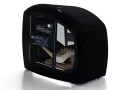
The format uses a sealed cabin enclosing the lower body while the rider pedals; negative pressure of 0-30 mBar routes blood flow to the thighs, hips and glutes while IR panels warm the tissue. Vendors variously call this a spa bike, a zero gravity bicycle experience, a vacu bike, or an underwater stationary bike (a distinct aquatic category). Body Space, Vaculife and Exclusive Shape (~$23,950 recumbent) are legitimate specialty peers. See infrared vacuum fitness equipment and stationary bikes for body shaping.
InfraStar Bike, InfraStar S Bike and InfraStar Sole
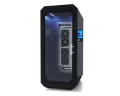
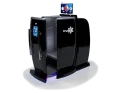
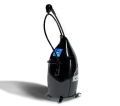
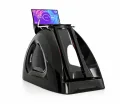
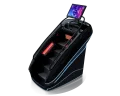
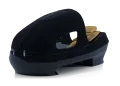
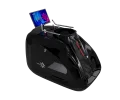
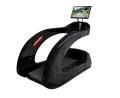
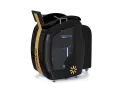
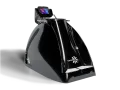
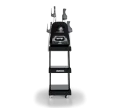
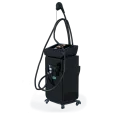
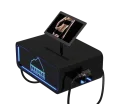
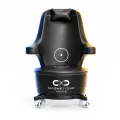
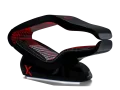
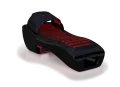
The Vacuactivus InfraStar family covers three configurations. InfraStar Bike (upright, vacuum 0-30 mBar, IR +20 to +50 Celsius, optional Cronick cold -20 to -30 Celsius, electromagnetic resistance, 10.1-inch VR console). InfraStar S (700W IR lamp plus 633nm collagen light, 15.6-inch touchscreen, 25-100% speed) – infrared vacuum S bike. InfraStar Sole (recumbent for low-impact) – recumbent infrared vacuum bike. Head-to-head: infrastar s bike versus infrastar bike and infrastar s bike versus infrastar sole.
| Buyer Criterion | Standard Commercial Bike | Infrared Vacuum Bike (InfraStar family) |
|---|---|---|
| Primary purpose | Cardio training, HIIT, spin classes | Body-shaping, differentiated cardio with vacuum plus IR |
| Price range 2026 | Approximately $1,000-$3,000 per unit | Approximately $20,000+ per unit |
| Resistance | Magnetic (mid to premium) or friction (entry) | Electromagnetic (InfraStar Bike, InfraStar S Bike) |
| Console | LCD to premium touchscreen with classes | 10.1-inch VR console (InfraStar Bike), 15.6-inch touch (InfraStar S Bike) |
| Body-shaping features | None (pure cardio) | Vacuum 0-30 mBar, IR +20 to +50C, optional Cronick cold mode -20 to -30C |
| Session experience | Traditional cycling class or open cardio | Enclosed capsule, guided body-shaping protocols |
| Best fit studio | General fitness, cycling studios, corporate gyms | Body-shaping studios, wellness spas, premium recovery centers |
| Warranty and support | 1-5 year commercial warranty typical | Commercial warranty + factory-direct parts from Cronick Wellness Technology Factory |
Cost, ROI and Session Economics for Studios
Standard commercial bikes cost approximately $1,000-$3,000 per unit (Peloton Commercial, Keiser M3i, Life Fitness IC, Precor, Matrix). A studio floor of 8-12 units sits at $10-30K total capital before consoles and delivery. Specialty vacuum-cabin units at $20K+ per unit make two or three a $40-80K commitment. Session economics differ: standard spin at $20-30 per rider fills a room of 20 with one instructor; specialty at $60-90 per rider serves one client at a time.
The weight loss exercise bike framing is common but demands honesty: sweat is water, not fat. Single-session calorie estimates from any bike console are estimates, not clinical guarantees. Fat burn happens over weeks of consistent training paired with a caloric deficit; the bike ridden 4 days per week beats the one with better spec numbers ridden once. That is why the infrared bike category earns its price at the right studio, since the sealed-cabin experience pulls clients back. Consult a healthcare provider before starting any weight-loss program.
Accessibility: Plus-Size and Low-Impact Riders
Include accessibility in the checklist. A plus size exercise bike needs a step-through frame, wide seat, high weight capacity (350-500 lb), and low-impact geometry; a good recumbent bike for low-impact fitness such as Precor RBK 685 or InfraStar Sole opens the door for riders who would never mount a spin saddle. Recumbents also serve post-injury rehab and older clients; riding stationary bike to lose weight only works if the client can sit on it comfortably. Contraindications for infrared and vacuum modes include pregnancy, uncontrolled cardiovascular disease and heat intolerance; screen intake and consult a healthcare provider.
Specifications That Matter (InfraStar Range)
InfraStar Bike: upright vertical, vacuum 0-30 mBar, IR +20 to +50 Celsius, optional Cronick cold -20 to -30 Celsius, electromagnetic resistance, 10.1-inch VR console, ~2 kW draw, footprint approximately 2460 x 1180 x 1200 mm. InfraStar S: cabin cycling with 700W IR lamp, 633nm collagen red light, 15.6-inch touchscreen and 25-100% speed. InfraStar Sole: recumbent format for low-impact and plus-size riders. All three ship with commercial warranty and factory-direct parts from Cronick Wellness Technology Factory. Confirm power spec (230V/50Hz international or 120V/60Hz US).
Frequently Asked Questions
Q1. What should a studio owner look for when buying indoor bikes in 2026?
Seven core criteria: frame build quality (11-14 gauge steel, 300+ lb rating), resistance type (magnetic or electromagnetic for commercial), flywheel weight (30-50 lb perimeter-weighted for spin), console and software, footprint and power, warranty (frame 3-5 years, electronics shorter), and supplier support with named references. Vet each criterion against a real quote before you sign.
Q2. What is the difference between upright, recumbent and indoor cycling bikes?
Upright is traditional cycling posture, versatile for general fitness. Recumbent has a seat back and step-through frame for low-impact and plus-size riders. Indoor cycling / spin uses aggressive geometry, heavy flywheel and magnetic resistance for group class output. Air bikes add fan resistance and arms for HIIT. Studios mix formats to serve the full client range.
Q3. What is an infrared vacuum bike and how is it different from a normal exercise bike?
The specialty infrared bike combines cycling with a sealed cabin at 0-30 mBar plus IR heat at +20 to +50 Celsius (some premium tiers add red light and cold). It targets body-shaping and recovery rather than pure cardio wattage. Price is roughly $20K+ per unit versus $1-3K for standard commercial cardio; the value is client experience and adherence, not magic calorie numbers.
Q4. Are magnetic or friction resistance bikes better for a studio?
Magnetic is better for commercial studios: quieter, maintenance-free, no wear pads, and easier to control from the console. Direct-drive electromagnetic goes further with wattage-accurate load. Friction is cheaper and offers a specific spin ‘road feel’ but pads wear. Default magnetic or electromagnetic for a new fleet; add friction only if a class program specifically requires it.
Q5. How heavy should a commercial bike flywheel be?
A perimeter-weighted flywheel of approximately 30-50 lb delivers smooth ride feel on traditional spin and forgives cadence transitions. Lighter (under 25 lb) feels choppy under load; heavier (60 lb+) adds cost without benefit for most riders. On electromagnetic direct-drive spin, flywheel weight matters less because resistance is electronic rather than inertial.
Q6. How much does a commercial or infrared vacuum bike cost?
Standard commercial exercise bikes cost approximately $1,000-$3,000 per unit at commercial tier. Specialty vacuum-cabin units run $20K+ per unit; Exclusive Shape’s infra-vacu recumbent lists around $23,950 as a real market anchor. Session pricing shifts accordingly: standard spin at $20-30 per class rider versus $60-90 per specialty session.
Q7. How much space and power does a studio bike need?
Standard upright commercial bike: approximately 1200 x 600 mm footprint plus 500 mm rider clearance, standard 120V US outlet, minimal dedicated draw. Recumbent longer: 1500-1700 mm. Specialty units are larger (InfraStar ~2460 x 1180 x 1200 mm) and draw approximately 2 kW – closer to spa equipment. Plan floor plan and electrical accordingly.
Q8. Is an infrared vacuum bike worth it for a body-shaping studio?
Yes, when the studio is positioned around body-shaping, spa, or premium wellness rather than pure cardio. The specialty format costs about ten times more per unit than a standard commercial bike, so payback depends on premium session pricing and repeat-visit adherence, not on faster calorie burn. In a busy spin-only room, the money is better spent on a stronger standard fleet.
Q9. Which bike is best for plus-size or low-impact riders?
Recumbents with high weight capacity ratings (350-500 lb) work best for plus-size and low-impact riders. Options include Precor RBK 685, Life Fitness RS3, Matrix R50, and cycleplus recumbent bike with arm exercise style hybrid formats. InfraStar Sole adds the vacuum-cabin and IR features for studios wanting both accessibility and body-shaping in one machine.
Q10. What warranty comes with the InfraStar bikes?
InfraStar Bike, InfraStar S and InfraStar Sole ship with commercial warranty coverage and factory-direct parts from the Cronick Wellness Technology Factory. Terms cover the frame, cabin, IR panels and control electronics; consumables (belts, seals) and shipping-damage claims are handled separately. Ask sales for the current warranty schedule and named studio references before ordering.
Conclusion
A 2026 studio bike buyer checklist honestly closes standard commercial bike criteria first (frame, resistance, flywheel, console, footprint, warranty, supplier support), then evaluates whether the specialty infrared bike category fits studio positioning. Standard Peloton, Keiser, Life Fitness, Precor and Matrix at $1-3K per unit are the right answer for most rooms. The Vacuactivus InfraStar family (upright, InfraStar S with 633nm collagen red light, InfraStar Sole recumbent) from the Cronick Wellness Technology Factory since 2009 addresses body-shaping studios where a $20K+ infrared bike earns its price through client experience and adherence, not magic calorie numbers. Body Space, Vaculife and Exclusive Shape (~$23,950 recumbent) are legitimate specialty peers. Match the equipment to the studio.


