










RLT: What It Means and Why Red Light Therapy Is Trending in Wellness
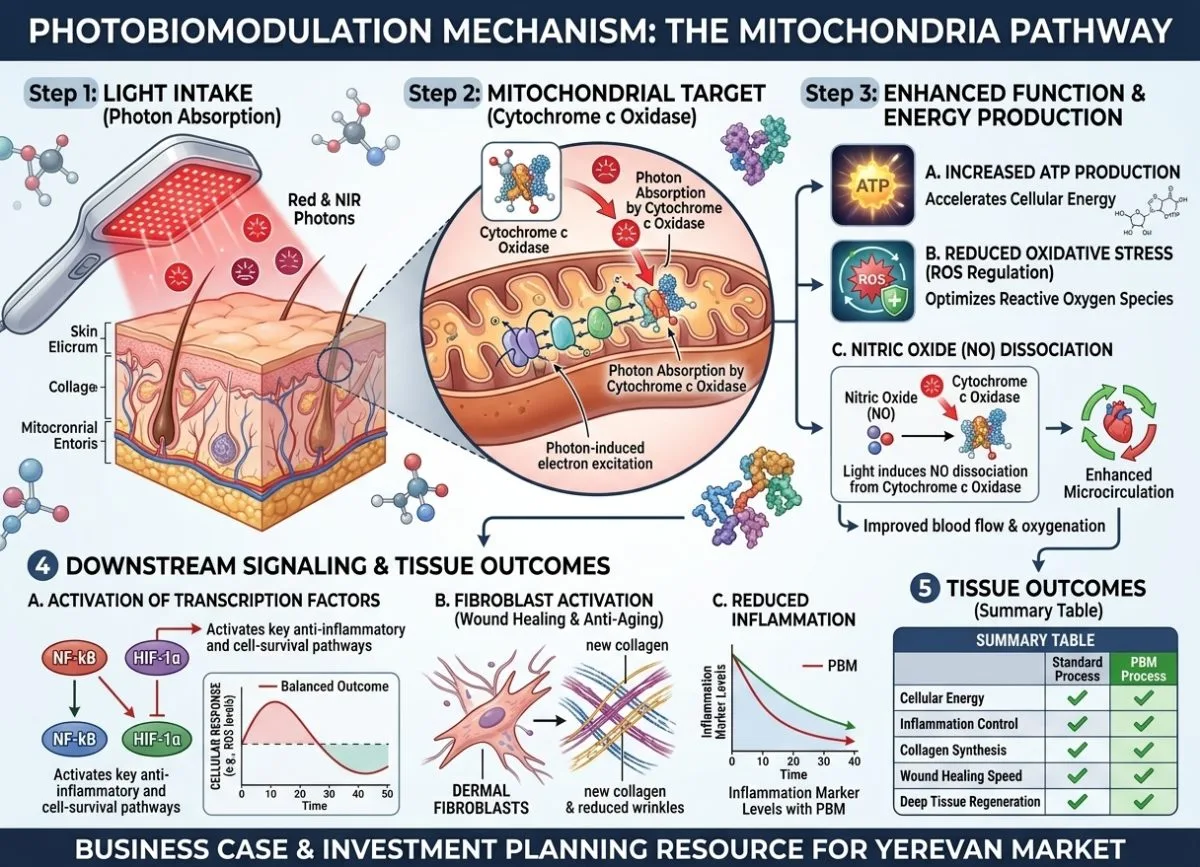
What is red light therapy? RLT stands for red light therapy. Scientific term: PBM (photobiomodulation) or LLLT (low-level light therapy). It uses red (typically 630-700nm) and near-infrared (typically 810-850nm) LED wavelengths to reach skin cells and stimulate cellular processes. Mechanism is real: photons absorbed by cytochrome c oxidase in mitochondria increase ATP synthesis and modulate nitric oxide, affecting circulation, tissue repair, and inflammation. This is the definitional pillar-hub for our red-lights cluster.
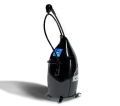
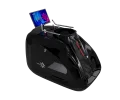
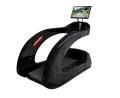
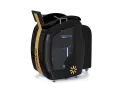
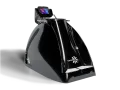
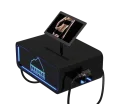
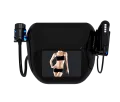
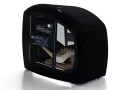
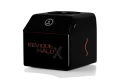
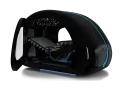
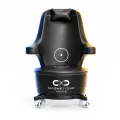
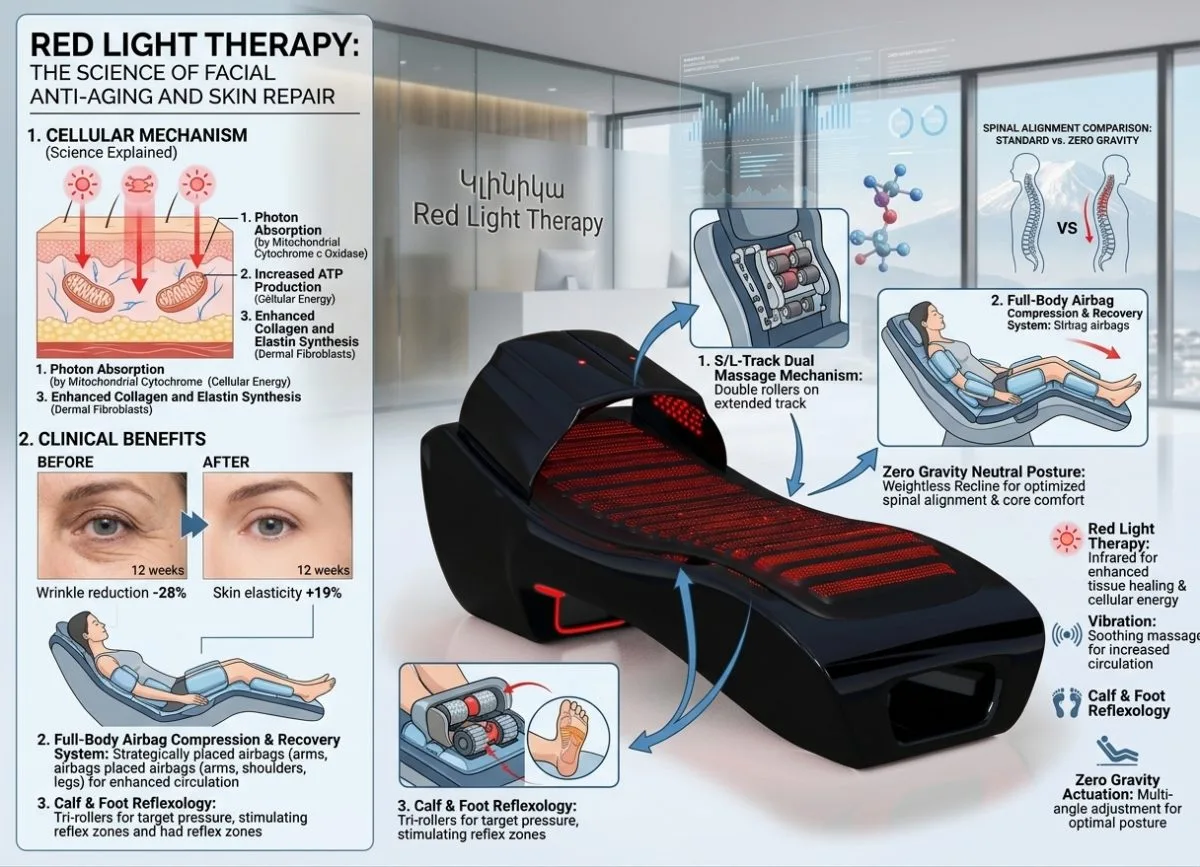
Engineer-reviewing-own-product with honest science pop. Vacuactivus manufactures the InfraCouch Red Light and RedLight Couch PEMF HaloX at Cronick Wellness Technology Factory in Poland since 2009 (over 15 years). This pillar holds the honest definition and why-trending angle for the full-body wellness audience; face-specific coverage lives in Article #47 companion, and tanning-bed and salon-style delivery is covered in Article #51 companion when published. Consumer devices from many legitimate brands work at home; professional couches deliver higher irradiance and full-body coverage.
Evidence for RLT is honestly graded. Well-supported: skin and anti-aging, wound healing, hair growth, and pain/inflammation reduction. Emerging or weak: weight loss, athletic performance, sleep, neurological outcomes; despite popularity, weight loss data are limited and effect sizes small. RLT is a wellness modality, not medical treatment. It is NOT UV and does NOT cause skin cancer as UV tanning does. Consult a healthcare provider before starting any RLT protocol with pre-existing conditions.
What Does RLT Mean?
What is red light therapy in its abbreviated form? RLT is the common consumer abbreviation for red light therapy. Scientific names: photobiomodulation (PBM) and low-level light therapy (LLLT). Some clinical literature uses low-level laser therapy for coherent-light laser devices, though most modern consumer and professional RLT devices use LEDs rather than lasers. All three terms refer to the same core concept: therapeutic application of specific wavelengths of red and near-infrared light to stimulate cellular processes non-thermally, without UV exposure.
How Red Light Therapy Works (the Science)
The mechanism is well-characterized biology. Red and near-infrared photons are absorbed by cytochrome c oxidase, complex IV of the mitochondrial electron transport chain, in skin cells. Absorption dissociates inhibitory nitric oxide, boosts electron transport, and increases ATP synthesis. Released nitric oxide also acts as a signaling molecule supporting local blood flow. Downstream, cells increase repair activity: fibroblasts produce more collagen and elastin, macrophages modulate inflammation. Dose-dependent biphasic response (Arndt-Schulz).
Red vs Near-Infrared Wavelengths (630-700nm and NIR)
Wavelength determines penetration depth. Red at 630-700nm penetrates epidermis and upper dermis (~1-2 mm) and targets fibroblasts near the surface for collagen and skin work. Near-infrared at 810-850nm penetrates deeper (~5-6 mm) into dermis and subcutaneous tissue for circulation and deeper repair including muscle and joint applications. Wavelengths below 600nm do not reach fibroblasts effectively. Wavelengths above 900nm are absorbed by water and produce heat rather than PBM effect. Best-practice devices combine red and NIR; consumer masks often deliver 630-660nm only, while professional couches include all four (630/660/810/850nm).
A Short History: From Mester to NASA to Wellness
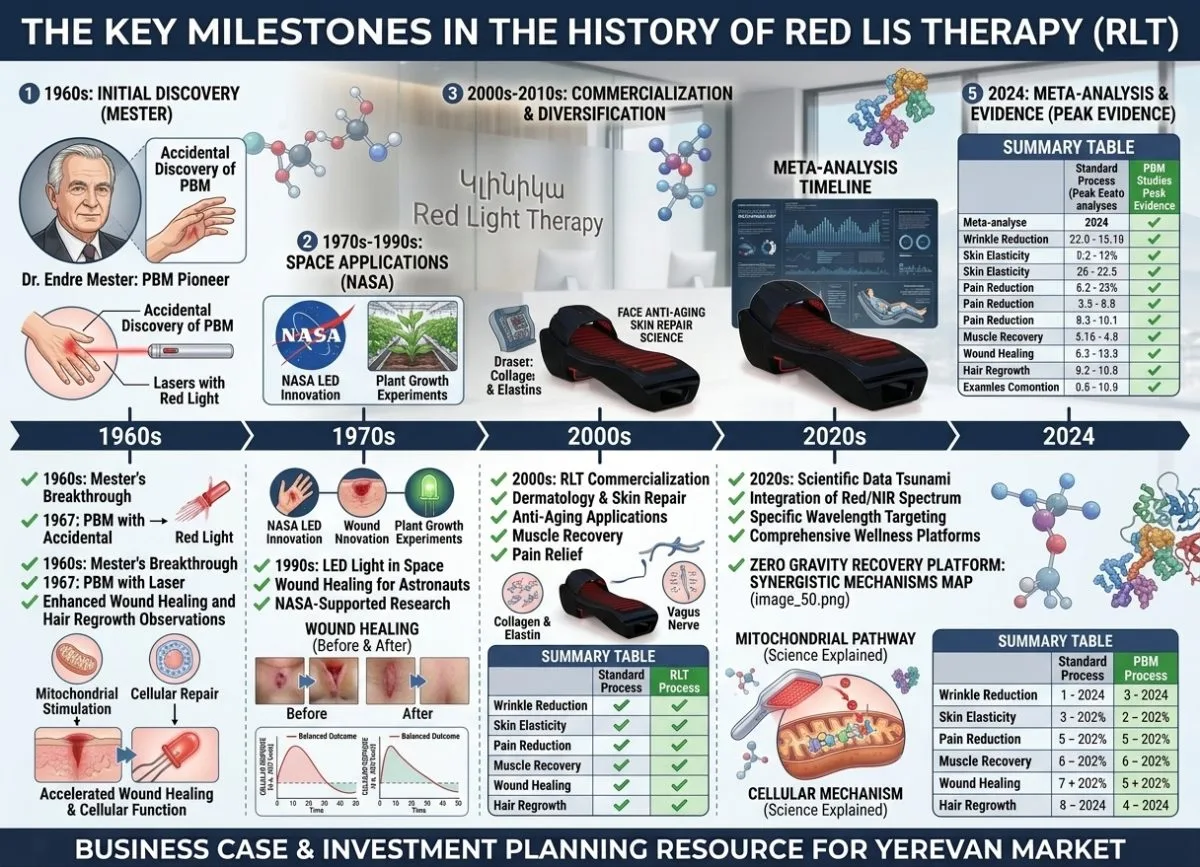
The field was born by accident in the late 1960s when Endre Mester, a Hungarian physician, observed that low-power ruby-laser exposure caused faster hair regrowth in shaved mice than in controls. He was studying laser cancer risk; instead he discovered a repair-stimulating effect, launching the field of LLLT. Later, NASA studied LED-based light therapy for wound healing in astronaut applications and space-station plant growth chambers, helping establish LED delivery as viable for therapeutic use. A 2024 meta-analysis of 18 randomized controlled trials on LED photobiomodulation confirmed accelerated wound healing across multiple wound types. From clinical dermatology to consumer wellness, the field grew steadily from the 1970s through the 2020s.
What the Evidence Actually Shows (Honest, Graded)
Does red light therapy work? Honest answer: yes for some applications, weakly for others, not at all for a few. This section grades evidence by application, following framing used by Cleveland Clinic and academic health-authority consumer materials. What is red light therapy actually good for: well-supported for skin, wound healing, hair, and pain/inflammation; emerging or weak for weight loss, athletic performance, and sleep; investigational only for cognitive/neurological outcomes.
| Application | Evidence Grade | What the Research Shows |
|---|---|---|
| Skin (anti-aging, fine lines, tone) | Well-supported | Wunsch and Matuschka 2014 RCT (Photomedicine and Laser Surgery) with 113 volunteers using 633nm + 830nm showed measurable collagen density and wrinkle appearance improvement |
| Wound healing | Well-supported | 2024 meta-analysis of 18 randomized controlled trials on LED-based photobiomodulation shows accelerated wound healing across multiple wound types |
| Hair growth (androgenetic alopecia) | Well-supported | Origin of the field: Endre Mester 1960s observed hair regrowth in mice; modern clinical devices FDA-cleared for pattern hair loss |
| Pain and inflammation reduction | Moderately supported | Multiple RCTs across musculoskeletal pain and post-exercise inflammation show measurable but modest effect |
| Weight loss and fat reduction | Weak / emerging | Despite popularity, controlled evidence is limited and effect sizes are small; sample sizes and protocols vary widely across studies |
| Athletic performance and muscle recovery | Emerging | Some pre-exercise RLT studies show reduced muscle fatigue; findings inconsistent and effect sizes modest |
| Sleep quality | Emerging / weak | Limited controlled data; some observational reports but not enough evidence for a definitive claim |
| Cognitive / neurological (dementia) | Investigational only | Early-stage research; do NOT use as a treatment; not endorsed by major clinical guidelines |
Well-Supported: Skin, Wound Healing, Hair, Pain
Does red light therapy work? For well-supported applications, yes. Red light therapy benefits with well-supported evidence include skin (Wunsch and Matuschka 2014 in Photomedicine and Laser Surgery: 113 volunteers, 633nm + 830nm, 30 sessions, measured collagen density improvement), wound healing (2024 meta-analysis of 18 RCTs on LED-based light therapy showing accelerated healing), hair growth (Mester’s 1960s observation and modern FDA-cleared devices for pattern hair loss), and pain and inflammation reduction (multiple RCTs). These are applications where red light therapy benefits are best documented. Effect sizes are modest and cumulative over weeks.
Emerging or Weak: Weight Loss, Athletic Performance, Sleep
Does red light therapy help you lose weight? Honest answer: no, not meaningfully as a standalone intervention. Controlled evidence is limited, effect sizes are small, and popular marketing runs well ahead of research. RLT for weight loss is one of the weakest evidence categories despite being one of the most searched. See the red light therapy for weight loss companion for the honest mechanism breakdown. Athletic performance and muscle recovery: emerging, some pre-exercise studies show reduced muscle fatigue but findings inconsistent. Red light therapy benefits sleep: emerging with limited controlled data. Cognitive and neurological (dementia, brain injury): investigational only.
Red Light Therapy for Inflammation
Red light therapy for inflammation is one of the strongest categories in emerging-to-moderate evidence. Mechanism is direct: near-infrared photons reach deeper dermal and subcutaneous tissue where macrophages, cytokine signaling, and circulation combine to drive inflammatory response. Modest RLT dose shifts macrophage activity toward resolution and increases local blood flow. Multiple RCTs across musculoskeletal pain, post-exercise inflammation, and chronic low-back pain show measurable but modest effects at appropriate dose. Not a replacement for medical anti-inflammatory therapy in serious conditions; a wellness supplement for mild to moderate cases.
Why RLT Is Trending in Wellness
Why red light therapy is trending in wellness comes down to several converging factors. Non-invasive convenience: no needles, no drugs, no downtime, minimal side effects at recommended dose. Longevity and biohacking positioning: RLT fits the same wellness culture that adopts cold plunge, sauna, and continuous glucose monitoring. Consumer-tech shift: LED prices dropped through the 2010s, making professional-grade wavelengths and irradiance available at consumer prices. Social-media momentum and celebrity adoption accelerated in the 2020s. AI Overview snippets on health search prominently feature RLT explainers, driving discovery.
At-Home vs Professional: Masks, Panels, Beds and Couches
The best red light therapy for body depends on scenario. Consumer face masks ($150-$700) work for home skin protocols and are legitimate for individual daily use. Consumer full-body panels ($300-$1,500) cover larger areas but at lower irradiance than professional devices. Professional red light therapy couch devices deliver higher irradiance across a full-body panel covering face and body simultaneously during lie-down. See at-home versus professional red light and red light panel for full body therapy. For red light therapy for the face see #47; for red light beds see Article #51 when published. For skin rejuvenation see red light skin therapy for rejuvenation.
InfraCouch Red Light: Full-Body Professional Delivery
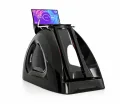
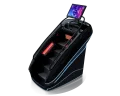
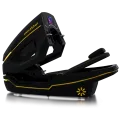
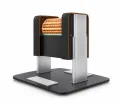
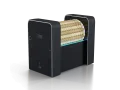
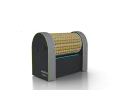
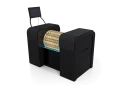
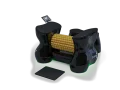
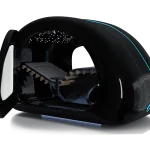
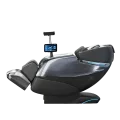
The Vacuactivus InfraCouch Red Light is a full-body professional lie-down panel with 1152 LEDs across four wavelengths (630nm + 660nm red for surface; 810nm + 850nm NIR for deeper tissue). Convex 30 degree lens focus enables high irradiance. Continuous and pulse-mode delivery. Full-body lie-down means face and body receive 4-wavelength coverage in one session. The red light couch with PEMF adds PEMF and wet halotherapy. Broader catalog: red light therapy equipment.
Is It Safe? Practical Questions
Is red light therapy safe? Yes, generally, when used per manufacturer guidelines. RLT is non-thermal and non-ionizing (no UV, no burn risk at recommended dose). Unlike UV tanning, RLT does NOT cause skin cancer through direct DNA damage. Wear eye protection during sessions. Does red light therapy go through clothes? Better on bare skin; clothing blocks and scatters light, reducing dose.
Contraindications: photosensitizing medications (isotretinoin, some antibiotics, some diuretics), active skin cancer or unexplained lesions, recent surgery until surgeon cleared, severe eye conditions, and pregnancy for full-body sessions. Consult a healthcare provider before starting any RLT protocol with pre-existing conditions. Dose (J/cm2) matters more than session length. Do NOT overdo it: biphasic Arndt-Schulz curve means excessive dose reduces effect.
Frequently Asked Questions
Q1. What does RLT stand for?
What is red light therapy in short: RLT stands for red light therapy. Scientific names: photobiomodulation (PBM) and low-level light therapy (LLLT); some clinical literature also uses low-level laser therapy for coherent-light devices. All three refer to therapeutic use of red (typically 630-700nm) and near-infrared (typically 810-850nm) light to stimulate cellular processes non-thermally, without UV exposure.
Q2. What is red light therapy used for?
Red light therapy is used for skin (anti-aging, fine lines, tone, texture), wound healing, hair growth, and pain and inflammation reduction as well-supported applications. Consumer marketing extends claims to weight loss, athletic performance, and sleep, but evidence for these applications is emerging or weak. Wellness modality, not a medical treatment for diagnosed disease.
Q3. Does red light therapy actually work?
Yes, for well-supported applications: skin (Wunsch 2014 collagen RCT), wound healing (2024 meta-analysis of 18 RCTs), hair growth (FDA-cleared devices for pattern hair loss), and pain/inflammation (multiple RCTs). Weakly or not at all for weight loss and neurological outcomes. Effect is real for supported applications but modest and cumulative over weeks.
Q4. How does red light therapy work?
Red and near-infrared photons at specific wavelengths are absorbed by cytochrome c oxidase in mitochondria of skin cells. This increases ATP synthesis and modulates nitric oxide, which affects circulation, tissue repair, and inflammation. Downstream: fibroblasts produce more collagen, macrophages modulate inflammation, tissue receives improved blood flow. Dose-dependent biphasic response.
Q5. What is the difference between red and near-infrared light?
Red at 630-700nm penetrates epidermis and upper dermis (~1-2 mm) and targets surface fibroblasts for skin work. Near-infrared at 810-850nm penetrates deeper (~5-6 mm) into dermis and subcutaneous tissue for circulation and deeper repair including muscle and joint applications. Best-practice devices combine both.
Q6. Does red light therapy help with inflammation?
Yes, moderately. Red light therapy for inflammation is supported by multiple RCTs across musculoskeletal pain, post-exercise inflammation, and chronic low-back pain. Effect is measurable but modest at appropriate dose. Not a replacement for medical anti-inflammatory therapy in serious conditions; red light therapy for inflammation is a wellness supplement for mild to moderate cases.
Q7. Does red light therapy help you lose weight?
Honestly, no, not meaningfully as a standalone intervention. Despite popularity, controlled evidence for RLT-driven weight loss is limited and effect sizes are small. Sample sizes and protocols vary widely across studies. Weight loss is calorie deficit + adherence; RLT is not a substitute. See the Vacuactivus real-mechanism companion for the honest breakdown.
Q8. Does red light therapy go through clothes?
Better on bare skin. Clothing blocks and scatters light, reducing the effective dose reaching target tissue. Thin light-colored fabric passes some light; dark or heavy fabric blocks most. For serious protocols, expose the target area. For full-body professional couches, session protocols typically call for minimal clothing to maximize dose delivery.
Q9. Is red light therapy safe?
Yes, generally safe when used per manufacturer guidelines. Non-thermal, non-ionizing (no UV, no burn risk at recommended dose). Unlike UV tanning, RLT does NOT cause skin cancer through direct DNA damage. Wear eye protection during sessions. Contraindications: photosensitizing medications, active skin cancer or unexplained lesions, recent surgery, severe eye conditions, pregnancy for full-body use.
Q10. What warranty comes with the InfraCouch?
The Vacuactivus InfraCouch Red Light ships with commercial warranty coverage and factory-direct parts from Cronick Wellness Technology Factory in Poland. Warranty covers LED arrays, control electronics, cooling system, and upholstery frame; consumables and shipping-damage handled separately. Ask Vacuactivus commercial sales for the current warranty schedule and named spa or clinic references before ordering.
Conclusion
What is red light therapy? RLT is red light therapy, scientifically PBM or LLLT. Mechanism: red (630-700nm) and near-infrared (810-850nm) photons absorbed by cytochrome c oxidase in mitochondria increase ATP synthesis and modulate nitric oxide, supporting cellular repair and circulation. Evidence is well-supported for skin, wound healing, hair growth, and pain/inflammation reduction; emerging or weak for weight loss, athletic performance, and sleep. Consumer masks and panels work for home; the Vacuactivus InfraCouch Red Light and RedLight Couch PEMF HaloX (1152 LEDs, four wavelengths 630/660/810/850nm) deliver higher irradiance and full-body coverage. Since 2009 at Cronick Wellness Technology Factory in Poland. Wellness modality, not medical treatment. Not UV. For face see Article #47; for red light beds see Article #51 companion.


