











Vacuactivus CryoStar vs Cryomed Pro: Which Chamber Is Right for You?
4.30.2026
If you are comparing Vacuactivus CryoStar vs Cryomed Pro, you are no longer asking a beginner question about what cryotherapy is. You are evaluating two commercial nitrogen-based cryosauna platforms that are both positioned as serious business equipment, yet presented to buyers in very different ways. That distinction matters because a chamber purchase is not just about reaching a low temperature. It is also about safety logic, operating workflow, session consistency, installation realities, client perception, and how well the product supports the business model you want to build.
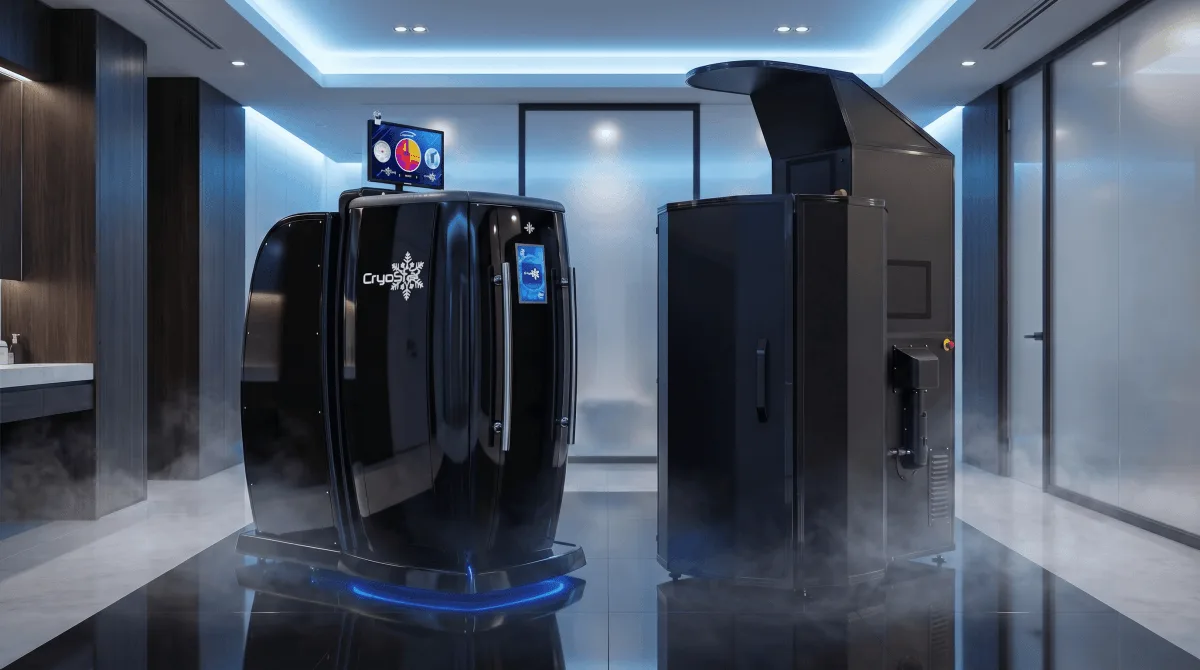
Both products are marketed for professional whole-body cryotherapy environments rather than casual consumer use. At the same time, their public materials emphasize different priorities. Vacuactivus presents the CryoStar as a modern, design-forward chamber with indirect nitrogen delivery, low stated nitrogen use, optional thermovision, and a premium monitored treatment story. Cryomed presents Cryomed Pro as a flagship, time-tested cryosauna with multiple safety sensors, remote service support, several configuration levels, and a strong business-operations message built around flexibility, support programs, and configurability.
That makes the most useful comparison neither a hype piece nor a brand-loyalty argument. It should be a practical decision guide for clinic operators, wellness studios, recovery centers, and spa owners who need to understand which chamber better matches their priorities. In this article, we will compare CryoStar and Cryomed Pro across product philosophy, safety and monitoring, operator workflow, customization, operating logic, and commercial fit, so that your shortlist is based on documented differences rather than marketing noise.
Why this comparison matters for commercial buyers
A cryotherapy chamber becomes part of the daily operating system of the business. Staff have to understand it, clients have to trust it, and the owner has to justify both the purchase cost and the long-term running logic. For that reason, two products can belong to the same nitrogen cryosauna category and still suit very different types of operators.
The comparison becomes especially important when a buyer is not simply looking for “a cryosauna,” but for a chamber that supports a particular business narrative. Some facilities want the chamber to feel visibly advanced, premium, and technology-driven. Others care more about modular configuration, support infrastructure, and straightforward operational scaling. These are not small differences. They influence how the service is sold, how sessions are explained to clients, and how confidently staff can operate the device.
Buyer question | Why it matters |
How does each chamber frame safety? | Safety architecture influences operator confidence, compliance discussions, and client trust. |
How visible are the monitoring and control features? | High-visibility controls can strengthen the premium feel of the service and simplify staff communication. |
What does the operating workflow look like? | Workflow affects session turnover, staff training, and how smoothly the chamber fits into a busy facility. |
How much customization is available? | Configuration flexibility matters for branding, installation constraints, and matching the chamber to the business concept. |
Which product philosophy fits the brand better? | Some buyers need a premium flagship story, while others need a dependable, configurable business machine. |
What Vacuactivus CryoStar is
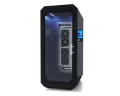
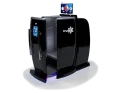
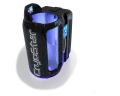
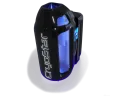
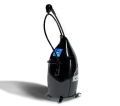
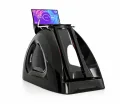
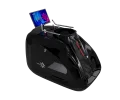
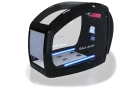
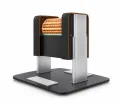
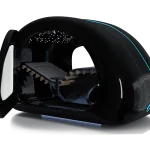
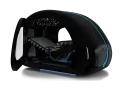
Vacuactivus presents the CryoStar as a second-generation liquid-nitrogen cryotherapy chamber designed to move beyond older cubic cryosauna formats. On the official product page and in the company’s longer editorial-style explainer, the chamber is positioned around several key themes: indirect nitrogen spray through centrally placed platinum injection nozzles, modern interface design, low stated nitrogen consumption, optional thermovision on higher versions, and a more premium, visibly upgraded client experience.
A major part of the CryoStar story is the claim that the chamber distributes cold more evenly by using indirect nitrogen delivery rather than exposing the client to direct liquid nitrogen contact. Vacuactivus states that this design helps reduce injury risk associated with direct input and improves temperature uniformity throughout the chamber. The same materials say the system uses approximately 3 to 5 liters per session, which is presented as an operational advantage for businesses concerned with efficiency.
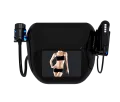
Another distinctive part of the CryoStar positioning is the monitoring layer. Vacuactivus highlights thermovision on higher-end versions, mounted oxygen sensors on Grand models, automatic door opening, and a 10.1-inch touchscreen with three automatic programs and one manual program. The result is a public-facing identity that feels premium, technologically expressive, and designed for facilities that want the chamber itself to reinforce a high-end wellness or recovery brand.
“Indirect nitrogen spray technology using platinum injection nozzles in the center of the cryo chamber, helps reduce nitrogen consumption to 3-5 liters per session.” — CryoStar product page
The broader CryoStar article adds more detail by describing an automatic lift system that can accommodate users up to 150 kg / 330 lb, a large 21-inch top display, configurable interior and exterior finishes, and a workflow intended for repeated business use with fast pre-cooling and drying cycles. In short, CryoStar is not merely marketed as a chamber that gets cold. It is marketed as an advanced flagship experience.
What Cryomed Pro is
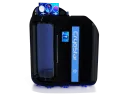
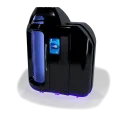
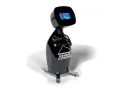
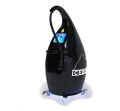
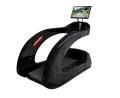
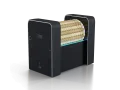
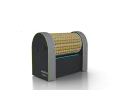
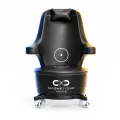
Cryomed describes Cryomed Pro as its flagship cryosauna and explicitly presents it as a “time-tested classic.” That phrase is important because it captures the product’s tone. Where CryoStar leans into next-generation presentation and visible premium monitoring, Cryomed Pro leans into durability, reliability, operator protection, serviceability, and configuration flexibility. Its public materials emphasize that the chamber is built from the company’s long experience in cryogenic equipment manufacturing and designed to deliver safe treatments with a strong user experience.
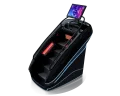
On the official product page, Cryomed highlights a 22-inch touchscreen, explicit safety features such as an open door sensor, head proximity sensor, operator sensor, and nitrogen level sensor, plus one-click Wi‑Fi for remote support and software updates. The same page notes that the chamber can be operated via smartphone or tablet and is available in versions compatible with either non-pressurized Dewar tanks or pressurized nitrogen tanks. That already tells a buyer something important: Cryomed Pro is positioned not only as a treatment device, but as an operational platform that can be adapted to different infrastructure and traffic scenarios.
The broader Cryomed cryosaunas category page reinforces that positioning. Cryomed says its larger cryosaunas, including Pro-class models, use around 2.5 square meters of floor space, can support up to 90 sessions per day, do not require a mandatory one-hour drying interval between back-to-back sessions, and use roughly 4.05 liters per 3-minute session. The company also highlights extensive customizability, remote diagnostics, software updates, daily session reports, and an industry-leading 3-year warranty. Taken together, these claims make Cryomed Pro feel highly business-practical, especially for buyers who care about operational scaling and configuration freedom.
CryoStar vs Cryomed Pro at a glance
The easiest way to understand the difference is to compare what each manufacturer chooses to highlight in public. The table below focuses on documented points rather than assumptions.
Dimension | Vacuactivus CryoStar | Cryomed Pro |
|---|---|---|
Chamber type | Single-user nitrogen cryotherapy chamber / cryosauna family. | Single-user nitrogen cryosauna positioned as Cryomed’s flagship model. |
Public positioning | Next-generation, premium, design-forward chamber with advanced monitoring story. | Time-tested flagship with strong safety list, flexible configurations, and business-operational framing. |
Cold-delivery story | Indirect nitrogen spray via platinum injection nozzles. | Nitrogen-fed cryosauna with focus on proven operating logic and selectable tank compatibility. |
Interface | 10.1-inch touchscreen, 3 automatic programs, 1 manual program. | 22-inch touchscreen with session temperature and countdown display. |
Monitoring story | Thermovision on higher versions, oxygen sensors on Grand, 21-inch top display, premium visualization layer. | Explicit multi-sensor safety story, remote service, software updates, smartphone/tablet control, daily reports. |
Stated nitrogen use | About 3–5 liters per session. | About 4.05 liters per 3-minute session for larger models. |
Customization | Interior and exterior color choices, custom logo options, premium design emphasis. | Multiple versions, cabin size options, branding, shell colors, upholstery colors, tank setup choices. |
Workflow framing | Premium chamber with fast pre-cooling and drying cycle for repeated use. | Scaled business workflow with high daily throughput and remote diagnostics support. |
Safety features highlighted publicly | Indirect spray, oxygen sensing, emergency stop, door opening sensor, thermovision-related monitoring on higher versions. | Open door sensor, head proximity sensor, operator sensor, nitrogen level sensor, 3 to 5 onboard sensors across lineup. |
Best-fit narrative | Premium flagship chamber for a high-end monitored treatment experience. | Flexible, configurable workhorse for operators prioritizing business practicality and setup options. |
Product philosophy: modern flagship vs configurable classic
The strongest difference between these products is not necessarily in whether they can both perform commercial cryotherapy sessions. It is in how they are meant to be understood by the buyer.
CryoStar is presented as an answer to older cryosauna designs. Vacuactivus repeatedly contrasts it with legacy equipment and builds its case around upgraded engineering, visible intelligence, lower stated nitrogen use, and a chamber design that feels contemporary and premium. This is especially important for facilities that sell not only treatment outcomes, but also a strong visual and experiential story. In that context, thermovision, the top-mounted display, automatic door opening, and the futuristic form factor are not minor details. They help turn the chamber into part of the customer-facing brand identity.
Cryomed Pro, by contrast, is presented as a flagship because it is proven, versatile, and highly adaptable. Its public materials speak less about reinventing the chamber category and more about giving operators a reliable system that can be adjusted to traffic patterns, nitrogen infrastructure, budget level, and branding requirements. That does not make it less serious. It simply means the commercial story is less about “next-generation spectacle” and more about dependable operational control.
For many buyers, this philosophical difference becomes the first real filter. If you want the chamber to visibly embody a premium, forward-looking wellness concept, CryoStar may feel more aligned. If you want a platform that foregrounds configurability, service access, and practical deployment choices, Cryomed Pro may feel more natural.
Safety and monitoring: two different public stories
Safety is one of the most important parts of any cryotherapy buying decision, but buyers should notice that these two products communicate safety in different ways.
Vacuactivus builds the CryoStar safety story around indirect nitrogen delivery, oxygen monitoring, thermal monitoring on higher versions, and automated elements such as door opening and system controls. The brand’s argument is essentially that better engineering and better visibility produce a better-managed session. This creates a highly contemporary safety narrative, one in which control systems and monitoring features are part of the product’s premium identity.
Cryomed Pro builds its public safety story around explicit sensor listing and operational safeguards. The official page names an open door sensor, head proximity sensor, operator sensor, and nitrogen level sensor, while the broader cryosaunas page emphasizes 3 to 5 onboard sensors across the lineup. This is a more direct and procedural presentation. Rather than selling safety mainly through advanced visualization, Cryomed sells it through clear protective components and practical workflow support.
Safety lens | CryoStar interpretation | Cryomed Pro interpretation |
|---|---|---|
Main safety narrative | Better cold distribution and safer exposure through indirect nitrogen spray. | Explicit multi-sensor safety architecture and operator protection logic. |
Monitoring visibility | Thermovision and oxygen sensing support a high-visibility premium monitoring story. | Remote diagnostics, updates, and multiple onboard sensors support a structured safety-control story. |
Best for which operator narrative | “Advanced, monitored, premium cryotherapy.” | “Proven, protected, configurable cryotherapy.” |
From a buyer perspective, the important point is not to assume that one marketing style automatically makes one machine universally safer. Instead, it is to evaluate which safety logic is easier for your staff to manage, explain, and integrate into your treatment protocols. Public product pages are useful for framing, but final technical and regulatory verification should always happen directly with the manufacturer before a purchase decision.
User experience and operator workflow
User experience is where CryoStar appears especially strong in public-facing presentation. The chamber is described as spacious, fast-cooling, visually futuristic, and built to deliver a premium, memorable experience. Features such as the automatic door system, optional thermovision, large top display, and polished interface all contribute to a chamber that can function as both equipment and showroom centerpiece.
For operators, that matters because premium-feeling equipment can support premium pricing. A chamber that looks advanced and displays data or visual feedback may be easier to position in luxury wellness studios, sports recovery concepts, and high-end biohacking environments where the perceived sophistication of the service is part of the value proposition.
Cryomed Pro appears stronger in a different kind of workflow logic. Its official materials place heavy emphasis on configurability, tank choice, smartphone or tablet control, remote support, and high-throughput commercial use. This suggests a chamber designed for operators who think in terms of staffing, service continuity, and flexible deployment rather than only premium visual storytelling.
Workflow question | CryoStar | Cryomed Pro |
|---|---|---|
What does the interface story communicate? | A modern, premium, user-facing control environment. | A large-screen, business-practical control environment with remote support capabilities. |
How does the chamber support brand presentation? | Strongly; the design itself is part of the commercial pitch. | More modestly; public materials emphasize reliability and adaptability over spectacle. |
What is the operator convenience angle? | Automatic programs, optional premium monitoring, fast turnaround framing. | Remote service, multiple configurations, tank compatibility, and high daily throughput framing. |
Customization, infrastructure, and operating logic
Customization is one of the clearer differentiators in Cryomed’s public materials. The company openly describes multiple versions, adjustable cabin size, branding options, shell colors, upholstery choices, and compatibility with different nitrogen tank formats. This makes Cryomed Pro particularly relevant to operators who are solving for installation constraints, budget tiers, or specific commercial workflows. It also makes the platform easier to adapt across very different business concepts, from entry-level operators to more scaled setups.
CryoStar also offers customization, including color choices and custom logo options, but the public emphasis is somewhat different. Rather than presenting a broad modular menu, Vacuactivus ties customization to premium presentation and to the visual integration of the chamber into an upscale space. This is still commercially valuable, but it tells a different story. CryoStar customization serves the chamber’s flagship identity, while Cryomed customization serves deployment flexibility first.
Infrastructure decisions matter as well. Cryomed explicitly talks about Dewar versus pressurized nitrogen tank compatibility and aligns those options with customer flow and operating scale. That is useful for buyers making practical infrastructure decisions early in the process. Vacuactivus speaks more about chamber efficiency, temperature performance, and premium feature integration than about multiple tank-format pathways. Accordingly, buyers who need very detailed infrastructure flexibility up front may find Cryomed’s public framing easier to work with, while buyers focused on the chamber’s premium package may find CryoStar’s positioning more compelling.
Which chamber fits which kind of business?
Most buyers do not need a universal winner. They need the chamber that best matches their concept.
A premium wellness studio, luxury spa, recovery lounge, or biohacking-focused environment may find CryoStar more aligned with its brand direction. The combination of indirect spray positioning, optional thermovision, prominent display elements, sleek styling, and a stronger “next-generation” story creates a chamber that can support a premium service narrative in a very visible way.
A practical operator, multi-service clinic, or business that places greater value on setup flexibility, remote diagnostics, operational throughput, and configuration range may find Cryomed Pro more attractive. The public materials make it easier to see how the chamber can be adapted to different nitrogen supply setups, business scales, and branding preferences.
Business type | Likely better fit | Reason |
|---|---|---|
Premium studio or flagship wellness concept | CryoStar | Stronger visual-tech identity and premium monitored treatment story. |
Operator prioritizing configuration flexibility | Cryomed Pro | Broader public emphasis on versions, tank compatibility, and custom setup choices. |
Facility selling visible technology as part of the experience | CryoStar | Thermovision and display-oriented presentation support that narrative. |
Facility optimizing for operational practicality and service support | Cryomed Pro | Remote diagnostics, explicit sensor list, and throughput framing support that narrative. |
Final verdict
The most accurate conclusion is that CryoStar and Cryomed Pro are built for slightly different commercial priorities.
CryoStar stands out when the buyer wants a chamber that feels advanced, premium, and visibly differentiated from older-generation cryosaunas. Its public strengths center on indirect nitrogen spray, low stated nitrogen usage, premium design, thermovision-oriented monitoring, and a chamber identity that can elevate the perceived sophistication of the service.
Cryomed Pro stands out when the buyer wants a chamber that feels configurable, proven, and operationally versatile. Its public strengths center on explicit safety sensors, remote support functions, multiple version paths, tank compatibility options, and a clear commercial story about fitting different business scales and workflows.
For that reason, the right question is not simply, “Which one is better?” The more useful question is, “Which chamber better matches the way I intend to run, position, and grow my cryotherapy business?” If the answer points toward premium presentation and monitoring-led differentiation, CryoStar may be the stronger shortlist candidate. If it points toward flexibility, infrastructure options, and business-practical configurability, Cryomed Pro may deserve the edge.
The wisest next step is to use public materials to narrow the shortlist, then verify exact version specifications, regulatory status, installation requirements, and total operating costs directly with the manufacturer before purchasing.


