















Cryosauna Ventilation Requirements: Safety & Compliance
Cryosauna ventilation is not optional — it’s the single most important safety system surrounding nitrogen-based cryotherapy equipment. Liquid nitrogen vapor displaces oxygen as it evaporates, and a treatment room without proper exhaust ventilation and oxygen monitoring can develop oxygen-deficient conditions invisible to anyone in the room. Properly designed ventilation eliminates this risk entirely. This article covers what ventilation infrastructure your cryosauna requires, why each component exists, what regulators typically expect, and how electric cryotherapy chambers sidestep the entire requirement.
Two notes up front. First, this is general industry guidance — regulatory requirements vary meaningfully by country, state, and municipality. Always verify specific compliance requirements with qualified local engineers and your fire marshal before installation. Second, the entire ventilation discussion applies only to nitrogen-based cryotherapy equipment (cryosaunas and nitrogen WBC chambers). Electric cooling systems eliminate the requirement entirely.
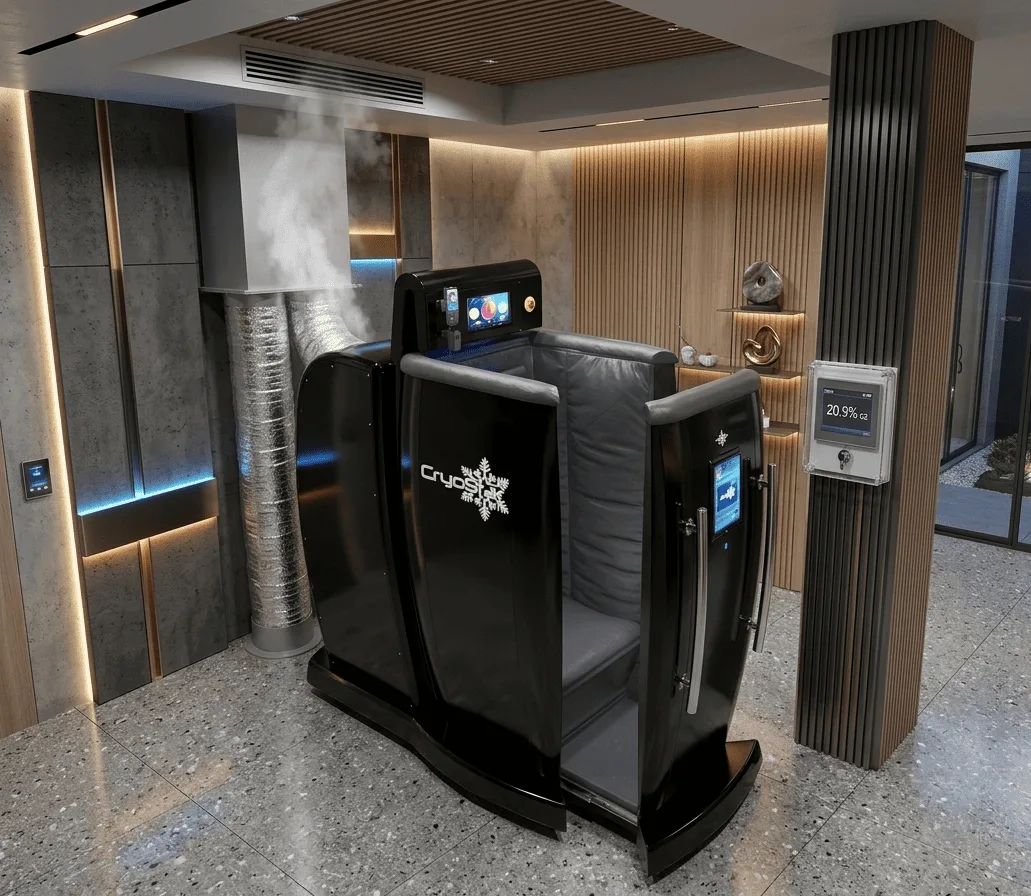
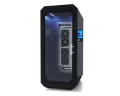
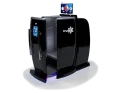
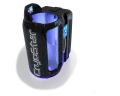
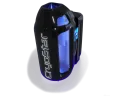
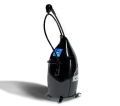
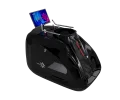
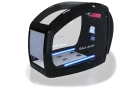
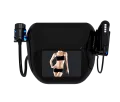
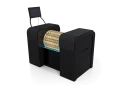
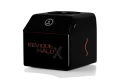
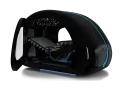
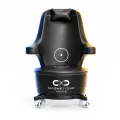
Featured image: Vacuactivus CryoStar cryosauna with proper exhaust ventilation and oxygen monitoring infrastructure
Why Nitrogen Cryosaunas Need Ventilation
The physics is straightforward. Liquid nitrogen is stored at −196°C and vaporizes rapidly when released into a warmer environment. One liter of liquid nitrogen expands to roughly 700 liters of nitrogen gas at room temperature. Nitrogen is non-toxic and inert — but it isn’t oxygen. When nitrogen vapor accumulates in an enclosed space, it displaces the existing air and reduces the oxygen concentration available for breathing.
Normal room air contains roughly 20.9% oxygen. Industry-standard safety thresholds flag concerns at 19.5% oxygen, action requirements at 18%, and serious physiological effects can begin below 15.5%. A treatment room operating a nitrogen cryosauna for multiple sessions without exhaust ventilation can reach concerning oxygen levels invisibly — there are no odors, no warning signs, no immediate symptoms until effects are already underway.
Properly designed ventilation eliminates this risk completely. Exhaust fans remove nitrogen-displaced air; fresh air intake replenishes oxygen; oxygen monitors verify the room atmosphere continuously and alarm if levels drift below safe thresholds. With these systems in place, nitrogen cryotherapy operates safely for decades. The risk only emerges when one or more components are missing, improperly maintained, or skipped during launch budget cuts.
The Five Core Ventilation Infrastructure Components
Every nitrogen cryotherapy installation requires the following five infrastructure layers, working together:
1. Active Exhaust Ventilation
Mechanical exhaust fan installed in the cryotherapy treatment room, sized according to chamber specifications and room volume. Industry-typical commercial designs target 6 to 12 air changes per hour, with continuous operation during business hours and increased airflow during and immediately after sessions. The exhaust port should ideally be positioned at low level (nitrogen vapor is denser than air and pools near the floor) with the exhaust discharging to outdoor air away from intake vents.
2. Fresh Air Intake
Passive or active intake delivering ambient outdoor air to replace exhausted nitrogen-displaced air. Intake volume balanced to exhaust output to maintain neutral room pressure. Typically positioned at ceiling level (opposite end from low-level exhaust) to create a vertical airflow pattern that sweeps nitrogen-laden air toward the exhaust port.
3. Wall-Mounted Oxygen Monitor
Calibrated O₂ sensor mounted at operator-height in the treatment room with continuous reading display and audible alarm at the manufacturer-specified threshold (typically 19.5% oxygen). Annual calibration required to maintain accuracy. Sensors deteriorate over time; expired or uncalibrated monitors give false reassurance, which is worse than no monitor at all. The Vacuactivus CryoStar and other commercial-grade nitrogen equipment is designed to operate with paired oxygen monitoring infrastructure.
4. Liquid Nitrogen Storage Infrastructure
Bulk liquid nitrogen dewar stored in a separate, ventilated storage room or outdoor enclosure — never in the treatment room itself. The storage area requires its own ventilation, oxygen monitoring (in enclosed storage spaces), and clear signage. Insulated transfer line connects the storage dewar to the chamber, inspected monthly for ice buildup, frost damage, or insulation integrity.
5. Emergency Procedures and Documentation
Posted emergency procedures including evacuation route, manual exhaust activation, and steps in case of low-oxygen alarm. Trained operators who know the procedures. Inspection logs documenting periodic system checks. Most regulatory inspections will request this documentation.
What the Law Typically Requires
Regulatory specifics vary by country, state, and municipality, but several broad principles appear consistently across jurisdictions where commercial nitrogen cryotherapy operates:
- Building code compliance — ventilation infrastructure must meet local commercial building code requirements for mechanical ventilation in spaces containing cryogenic gases. Often falls under the same code section as commercial freezer or industrial gas storage rooms.
- Fire marshal review — many jurisdictions require fire marshal inspection of cryotherapy installations before opening, particularly for nitrogen storage and ventilation systems. Reviews typically include exhaust capacity verification and emergency procedure approval.
- Occupational safety standards — in the United States, OSHA workplace safety standards apply to cryogenic environments. EU member states have parallel directives. These generally mandate oxygen monitoring, exhaust ventilation, and operator training proportionate to nitrogen volumes handled.
- Insurance requirements — commercial liability insurers typically require documented ventilation infrastructure and oxygen monitoring before extending coverage to nitrogen cryotherapy operations. Insurance is often the practical enforcement mechanism even when local code is ambiguous.
- Manufacturer specifications — equipment manufacturer documentation specifies minimum installation requirements that typically meet or exceed local code. Following manufacturer specifications is the simplest path to compliance in most jurisdictions.
Always verify specific requirements with a qualified local engineer, your fire marshal, and your insurance provider before signing leases or ordering equipment. Underestimating regulatory complexity in nitrogen installations costs studios weeks and tens of thousands of dollars more often than any other launch issue.
Nitrogen vs Electric: The Ventilation Difference
The single biggest operational difference between cryotherapy technologies is whether they require nitrogen ventilation infrastructure at all. Side by side:
| Requirement | Nitrogen Cryosauna | Electric Walk-In Chamber |
|---|---|---|
| Active exhaust ventilation | Required | Not required |
| Oxygen (O₂) monitor | Required | Not required |
| Audible low-oxygen alarm | Required (19.5% threshold typical) | Not required |
| Liquid nitrogen storage room | Separate ventilated space | Not applicable |
| Insulated LN2 transfer line | Required | Not applicable |
| Floor-level air intake | Recommended (LN2 vapor pools low) | Standard HVAC sufficient |
| Air exchanges per hour | 6–12 typical commercial spec | Standard commercial code |
| Annual O₂ monitor calibration | Required | Not applicable |
| Fire marshal inspection | Usually required | Standard commercial inspection |
| Installation timeline | 4–12 weeks (permitting) | 1–3 weeks |
| Buildout cost | +$5,000 to $15,000 for infrastructure | Standard buildout only |
Electric whole-body cryotherapy chambers eliminate every nitrogen ventilation requirement above. There’s no liquid nitrogen in the system. The chamber’s air remains breathable refrigerated air. No oxygen displacement risk. No exhaust requirement beyond standard commercial HVAC. The Vacuactivus Antarctica WBC Electric is a current-generation electric walk-in chamber that installs in 1–3 weeks instead of 4–12 weeks, with $5,000–$15,000 less in buildout infrastructure cost.
For studios in jurisdictions with strict workplace safety codes, shared-building tenancies where neighboring tenants might oppose nitrogen ventilation systems, or operators wanting the simplest possible compliance path, electric is meaningfully easier to launch and operate.
Common Ventilation Mistakes That Wreck Installations
- Skipping the oxygen monitor — the most dangerous corner-cut in cryotherapy installation. Without continuous O₂ monitoring, the studio is blind to nitrogen accumulation. Even with proper exhaust, monitor failure or capacity inadequacy goes undetected.
- Storing nitrogen in the treatment room — bulk dewar storage in the same space as the chamber dramatically increases risk and almost always violates local code. Always separate storage from operation space.
- Undersized exhaust capacity — ventilation specified for a smaller room than actual, or for fewer daily sessions than planned. The system works for first months, then fails as operations scale. Specify capacity for peak operation, not average.
- Improper exhaust discharge location — exhaust outlets too close to fresh air intakes recirculate nitrogen-laden air back into the building. Discharge ports must be positioned away from intakes and away from neighboring tenant access points.
- Ignoring annual calibration — oxygen monitors drift over time. An uncalibrated monitor reading 20.9% may actually be sensing 18% — the studio operates with false confidence until something goes wrong. Annual calibration is non-negotiable.
- Inadequate operator training — infrastructure without trained operators is liability without protection. Operators must know how to respond to alarms, how to evacuate, and how to manage spill or leak scenarios.
Frequently Asked Questions
Do all cryotherapy machines require ventilation?
No. Only nitrogen-based cryotherapy equipment (cryosaunas and nitrogen WBC chambers) requires exhaust ventilation and oxygen monitoring infrastructure. Electric whole-body cryotherapy chambers eliminate the requirement entirely because they use closed-loop refrigeration with no liquid nitrogen involved.
How much does cryotherapy ventilation infrastructure typically cost?
Industry-typical figures: $5,000 to $15,000 in additional buildout cost for nitrogen installations, on top of standard commercial buildout. This covers exhaust fan installation, ducting, oxygen monitor purchase and installation, separate nitrogen storage space construction (or modification), and required signage. Annual operating cost adds modestly: monitor calibration, periodic ducting inspection, ongoing nitrogen logistics.
Can I install ventilation myself or do I need a professional?
Professional installation by a qualified HVAC contractor is essentially universal. Most jurisdictions require permitted installation, and most insurance providers require professional certification. The cost difference between professional and DIY installation is small compared to liability exposure, and DIY installations rarely pass inspection.
What happens if the oxygen monitor alarms during a session?
Trained operators follow posted emergency procedure: immediately end the current session, evacuate the treatment room, activate maximum exhaust ventilation, leave the door open for room ventilation, and wait for oxygen readings to return to normal before resuming operations. Document the incident in the studio’s inspection log. If alarms recur, suspend operations and contact your ventilation contractor and equipment manufacturer immediately.
How often should ventilation systems be inspected?
Industry-standard practice: visual operator check before opening each day, monthly inspection of nitrogen transfer line for ice or damage, quarterly inspection of exhaust capacity and ducting, annual professional inspection of full system, and annual oxygen monitor calibration. Document every inspection. Most regulatory authorities and insurance providers expect this documentation.
Does an electric cryotherapy chamber really need zero ventilation infrastructure?
Electric WBC chambers eliminate all nitrogen-related ventilation requirements. The chamber still requires standard commercial HVAC for general comfort and the equipment’s own heat dissipation, but this is normal commercial buildout — no exhaust fans, no oxygen monitors, no nitrogen storage, no specialized infrastructure. Installation typically completes in 1–3 weeks instead of 4–12 weeks.
Conclusion
Nitrogen cryosauna ventilation is the difference between a safe, code-compliant facility and a serious liability waiting to happen. The infrastructure isn’t complicated — exhaust ventilation, fresh air intake, oxygen monitoring, separate nitrogen storage, and emergency procedures — but every layer must be properly designed, professionally installed, regularly inspected, and operator-trained. Skip any layer and the system fails.
For studios prioritizing the simplest possible installation path, electric cryotherapy chambers eliminate the entire ventilation discussion. No nitrogen, no exhaust requirement, no oxygen monitoring, faster installation, lower buildout cost, simpler compliance picture. The trade-off is higher equipment capital cost and slightly warmer posted temperatures — but for many wellness operators, the operational simplicity is worth the trade.
Vacuactivus manufactures both technologies — the CryoStar nitrogen cryosauna for studios building proper nitrogen infrastructure, and the Antarctica WBC Electric electric walk-in for studios choosing the no-nitrogen path. Both ship with installation specifications, operator training, and ongoing service support that simplify the compliance picture on the operational side.
Compare cryotherapy equipment by installation requirements: → vacuactivus.com


