












Muscle Relaxation – Best Techniques for Recovery & Stress Relief
Muscle Relaxation: Natural Techniques for Recovery, Relief, and Wellness
muscle relaxation is essential for anyone leading an active lifestyle, dealing with chronic stress, or recovering from injury. When muscles remain tight or overworked for long periods, it can lead to pain, restricted mobility, poor posture, and even fatigue. Incorporating effective muscle relaxation strategies into your routine not only eases discomfort but also improves physical performance and overall well-being.
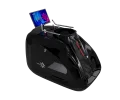
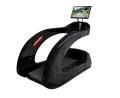
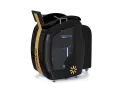
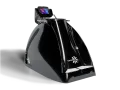
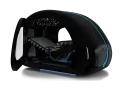
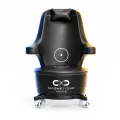
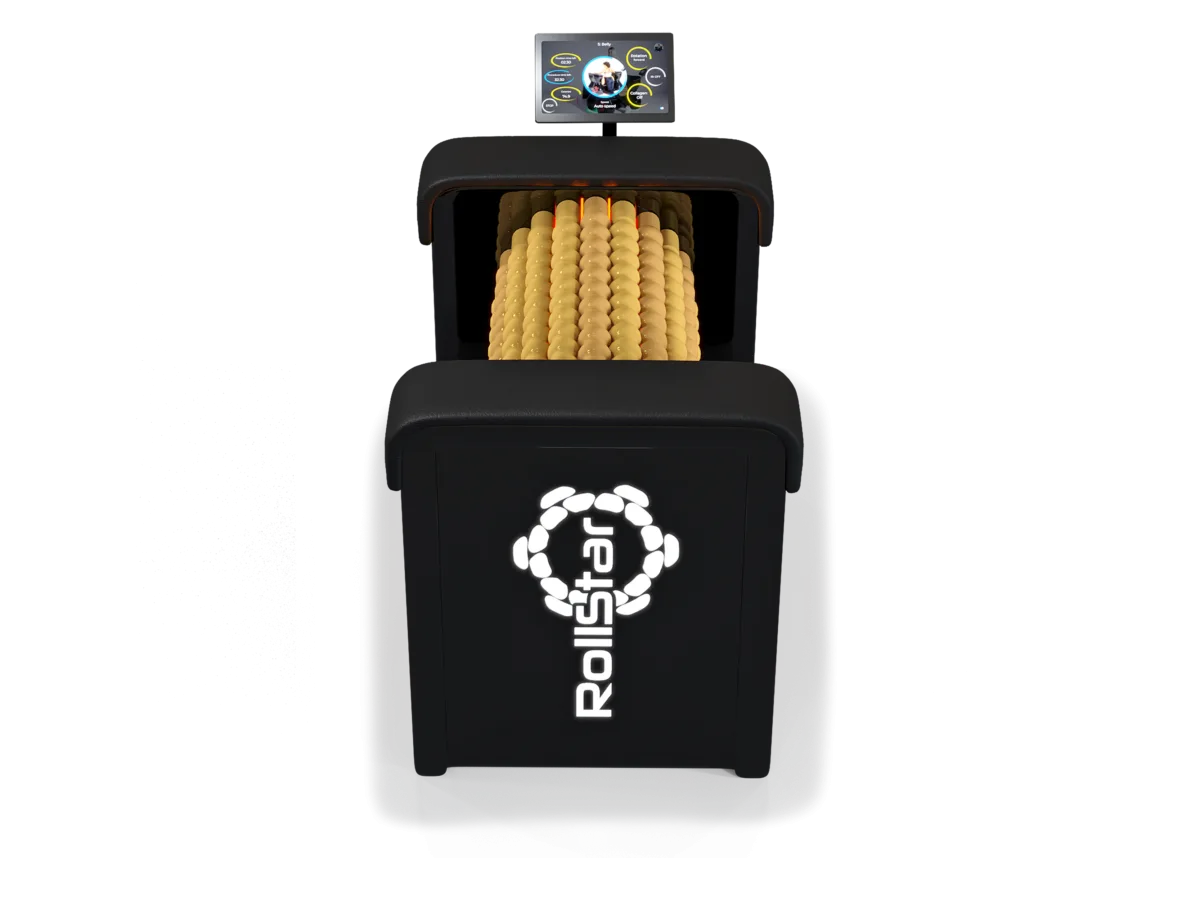
This article explores the most efficient ways to relax muscles naturally, from massage and heat therapy to innovative wellness technologies like the RollStar Mini—a compact yet powerful tool designed for total body rejuvenation.
Why Is Muscle Relaxation Important?
Muscles contract and work hard during every movement you make, whether it’s lifting weights, walking, sitting at a desk, or simply holding stress. Over time, without proper recovery, they can become tense, inflamed, or even injured.
Benefits of Regular Muscle Relaxation:
Reduces soreness and stiffness
Prevents muscle spasms and cramps
Enhances blood flow and oxygen delivery
Improves flexibility and joint mobility
Supports better posture and alignment
Promotes deeper sleep and reduced anxiety
Top Muscle Relaxation Techniques
???? 1. Massage Therapy
Massage is one of the oldest and most effective ways to relax tight muscles. It works by:
Increasing circulation
Releasing trigger points
Stimulating the lymphatic system
Lowering cortisol levels (the stress hormone)
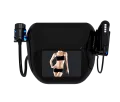
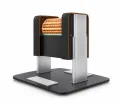
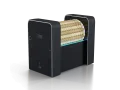
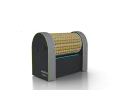
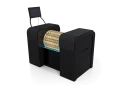
The RollStar Mini takes this further by offering a mechanical massage experience combined with infrared heat and chromotherapy, helping muscles recover while enhancing relaxation.
???? 2. Heat Therapy
Applying heat to sore muscles dilates blood vessels and promotes relaxation. It’s ideal for:
Chronic muscle pain
Post-workout recovery
Tension in the neck, shoulders, or lower back
Infrared heat, as used in devices like the RollStar Mini, penetrates deeper than traditional heating pads, targeting tissues below the skin surface for more effective relief.
???? 3. Stretching and Mobility Work
Gentle stretching helps lengthen muscle fibers and reduce tightness. Focus on:
Dynamic stretches before exercise
Static stretches post-workout
Daily mobility routines (like yoga or Pilates)
Stretching should never be painful—move slowly and breathe deeply to encourage muscle release.
???? 4. Lymphatic Drainage Massage
This gentle technique encourages the movement of lymph fluid and reduces swelling. It also relaxes superficial muscles and supports the immune system.
Rollers like the RollStar Mini use rhythmic, mechanical pressure to simulate lymphatic drainage, easing tension in major muscle groups and flushing toxins out of the system.
???? 5. Rest and Sleep
Muscle repair occurs most effectively during deep sleep. Lack of rest can result in increased soreness, fatigue, and risk of injury.
To support muscle relaxation:
Get 7–9 hours of sleep nightly
Avoid intense workouts too close to bedtime
Use tools like massage rollers or warm baths before sleep
How the RollStar Mini Enhances Muscle Relaxation
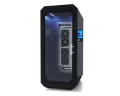
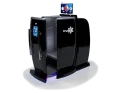
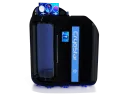
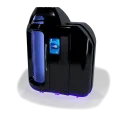
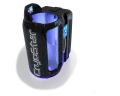
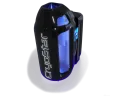
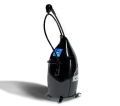
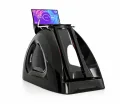
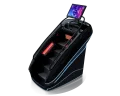
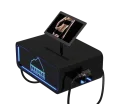
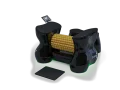
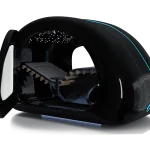
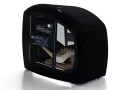
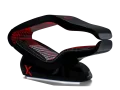
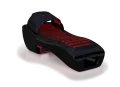
The RollStar Mini by Vacuactivus is designed for at-home or studio use and combines several therapeutic features into one compact device:
Mechanical Roller Massage: Targets and kneads specific muscle groups, from legs to back to arms
Infrared Heating: Improves circulation, eases tension, and promotes deeper tissue relaxation
Chromotherapy: Uses calming colors to enhance mood and reduce stress during sessions
Each session lasts around 30–60 minutes, providing comprehensive relief while supporting inch loss, skin firming, and detoxification.
Signs You Need Muscle Relaxation
Watch for these common indicators that your muscles are overstressed or under-recovered:
Persistent soreness or tightness
Reduced range of motion
Cramping or spasms
Headaches or tension in the shoulders
Trouble sleeping or relaxing
General fatigue despite rest
Incorporating daily or weekly muscle relaxation techniques can help reverse these symptoms and keep your body functioning optimally.
Who Can Benefit from Muscle Relaxation Therapies?
✅ Athletes and gym-goers recovering from intense workouts
✅ Office workers with postural stress and neck tension
✅ Seniors seeking gentle therapy to maintain mobility
✅ People with chronic pain or inflammatory conditions
✅ Anyone dealing with high stress or poor sleep
How Often Should You Focus on Muscle Relaxation?
Daily: Light stretching, breathwork, or short massage sessions
2–3 times/week: Infrared heat or longer massage treatments
Weekly: Comprehensive full-body sessions using devices like RollStar Mini or visiting a professional massage therapist
The more frequently you support your muscles, the better your recovery and performance will be—both mentally and physically.
Conclusion
Prioritizing muscle relaxation is one of the smartest steps you can take for your body and mind. Whether you’re managing pain, reducing stress, or enhancing fitness recovery, techniques like massage, heat therapy, and stretching can make a significant difference.
With tools like the RollStar Mini, muscle relaxation is now more accessible and effective than ever—allowing you to care for your body on your own schedule, from the comfort of your home.


